
Aircraft Hangar Roofing in St. Paul, MN
Aircraft hangar roofing in St. Paul, MN: mid-span ponding records, door header flashing and work planned around aircraft, with dated photographs and readings.
Request a Roof Assessment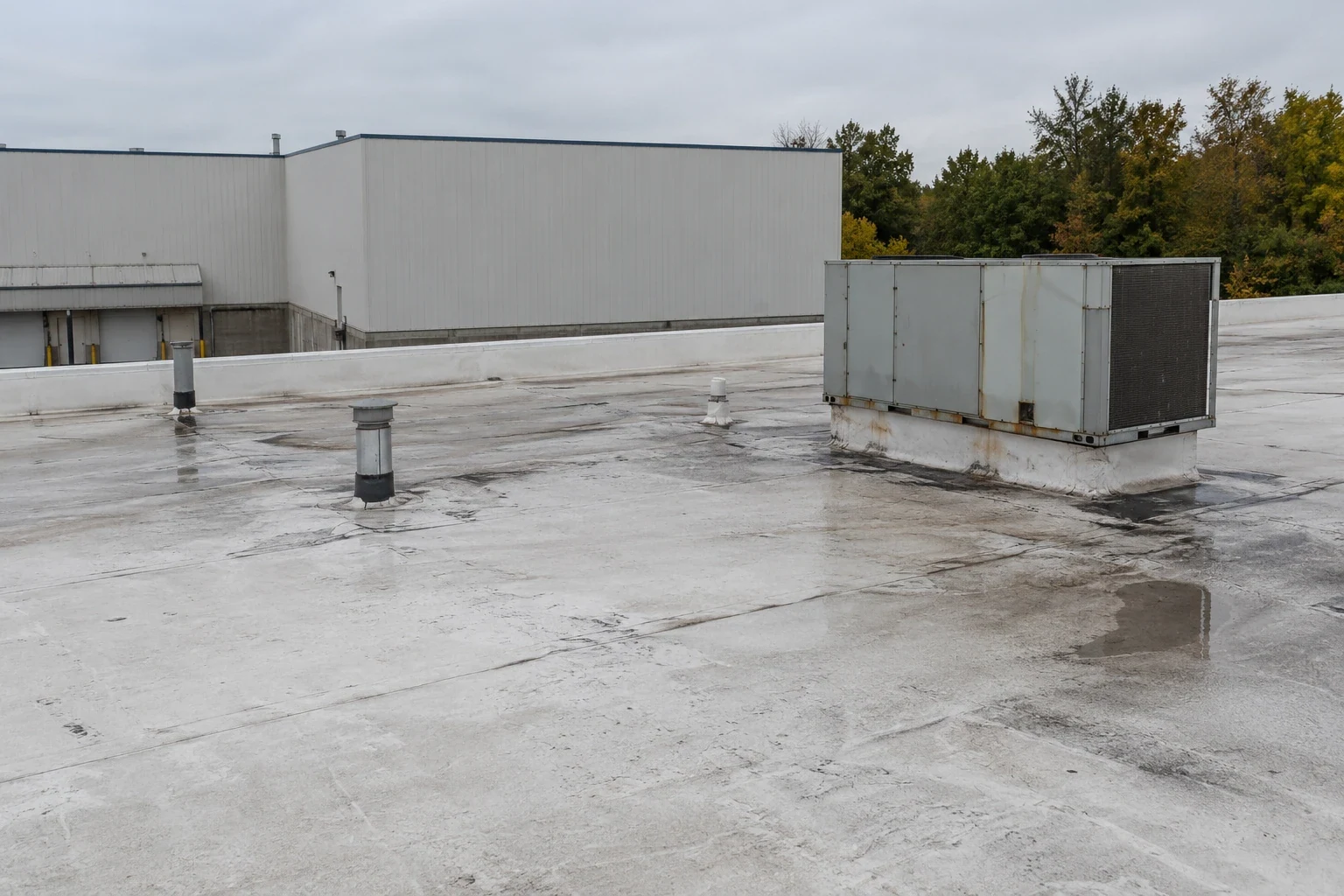
Aircraft Hangar Roofing
The first measurement on a hangar roof in St. Paul, MN is the span, because a roof that runs from wall to wall with no interior column has to carry its snow entirely on its structure. Long spans flex under load. The flex shows up at mid-span as a shallow bowl where water stands after a melt, and that bowl is the entry we photograph first, with a level, a scale and the date. The measurement records ponding for engineering review. Its depth alone cannot establish structural adequacy or the cause of deflection.
Measuring Mid-Span Ponding and Drifts at the Door End
Hangar loading needs evaluation of the supporting structure, geometry and applicable snow-design criteria. A ground-snow value is a calculation input, not a final roof load or an allowance for retained snowfall. On a hangar, wind piles that snow against the tall door end and against any taller structure beside the building, and the drift can weigh far more than the even blanket across the middle. We measure the depth of each drift, photograph it, and note how long the meltwater takes to clear once the thaw starts.
Water that stays at mid-span after a thaw adds load on top of load, since ponded water is heavy and deepens the bowl that holds it. Our records of ponding water include depth readings at the drains, the pattern of staining on the membrane and, where it matters, a note for the engineer on where the roof dips. In a winter like 2013-14, which brought 69.8 inches of snow, repeated readings show how far a long roof moves between storms.
Sealing Door Headers, Tracks and Vents Along the Open Face
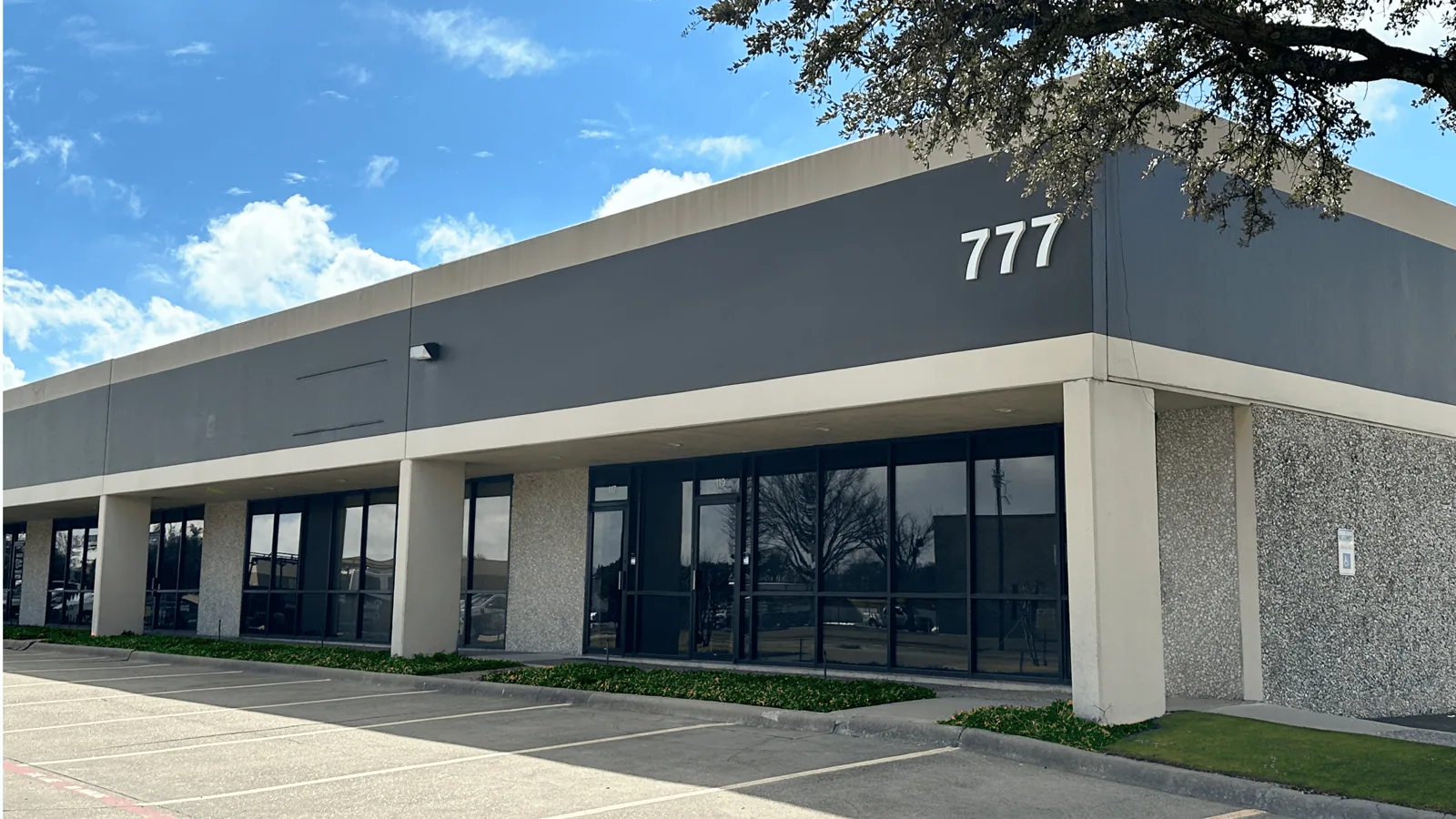
The big door is the roof's biggest edge detail. A header runs the full width of the opening, and above it the roof termination must handle snow that slides, water that runs and wind that lifts. The July 28, 2025 thunderstorms brought winds up to 70 mph, and building openings and geometry affect pressures, requiring assembly-specific evaluation rather than a conclusion drawn from the reported regional gust alone. We examine the edge metal, the fasteners behind it and the sealant at each joint, and we photograph any lift or gap with a scale.
Repairs follow the evidence. A header that shows staining at the corners may need new flashing, while one with a raised edge needs the cleat re-fastened. Wind damage to hangar roofs often starts in these places, and the log of edge metal repairs becomes the baseline for the next storm. Vents, light panels and fan curbs along the roof get the same treatment, each with its own photograph and condition entry.
Protecting Aircraft, Fuel Areas and Fire Suppression Under the Work
What sits below a hangar roof can cost far more than the roof itself, so the first plan is for protection. We agree with the operator which aircraft move out, which stay and how they are covered. Hot work is controlled by a written permit, no torch or open flame goes near fuel storage or fueling equipment, and debris is bagged and carried to a container away from the ramp so that nothing loose reaches the apron. A fastener on a taxi route is a hazard to a tire and an engine.
Overhead systems get attention too. Many hangars carry fire suppression piping, lighting and heaters hung from the roof framing, so we log each hanger and penetration we touch and keep loads off pipework. Within occupied building reroofing, the hangar is sequenced bay by bay so that the aircraft in service are never under an open deck, and each bay is dried in and photographed before the next one begins.
Planning Lifts and Staging Near Lake Elmo, Fleming Field and MSP
The metro has several kinds of airfield, and each affects how a roofing crew works. Lake Elmo Airport, a Metropolitan Airports Commission field about 12 miles east of St. Paul, bases 169 aircraft and has a 3,500-foot runway that opened in 2022. Fleming Field in South St. Paul is a small general aviation airport. At Minneapolis-Saint Paul International Airport, the Joint Air Reserve Station is home to the 934th and 133rd Airlift Wings and their C-130 aircraft. Heights near airports are restricted, as the VA medical center at Fort Snelling shows, so a crane or tall lift needs coordination before it goes up.
We treat that coordination as part of the schedule. Lift positions, boom heights and material staging are agreed with the airport or base contact before a date is set. Owners of hangars in Lake Elmo and South St. Paul get the plan in writing. Military buildings follow additional access and escort rules, and the roofing of military hangars and maintenance facilities is handled on those terms.
Matching Metal, Single-Ply or Coating to a Long-Span Structure
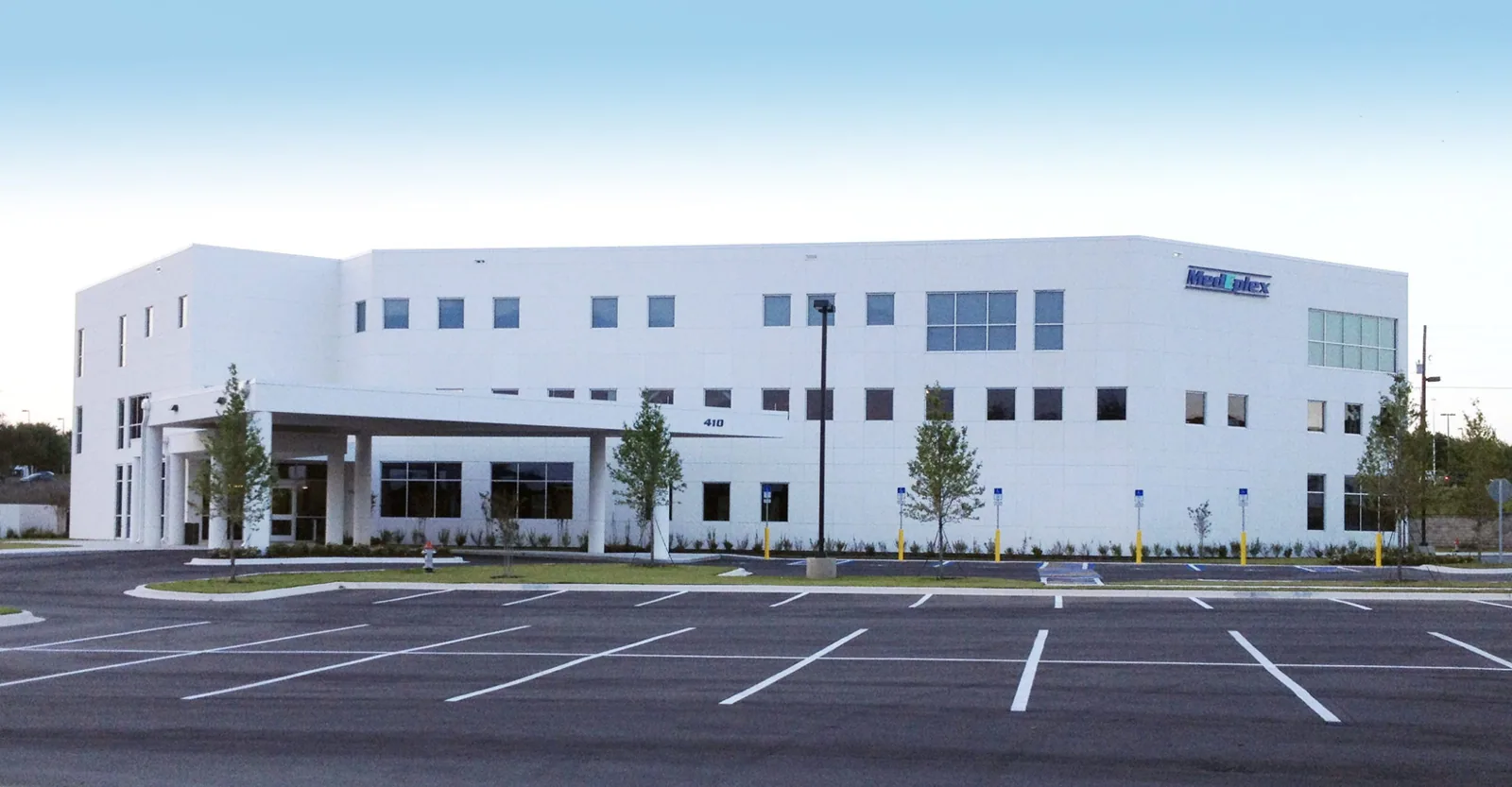
A long-span roof needs its actual remaining capacity evaluated, so the system matters as much for weight as for weather. Standing seam metal is light and sheds snow well, and a retrofit panel assembly adds weight that requires structural evaluation. A single-ply membrane over insulation suits low-slope sections and tie-in roofs, while a coating can restore a sound surface with almost no added weight. The choice depends on what cores and moisture readings reveal about the layers already on the deck.
A roof recover that adds another layer should be checked against the structure first, since each layer subtracts from the margin the snow load needs. We count layers, record their thickness and give the engineer the numbers. If the readings show wet insulation or a deck that has lost its fasteners, replacement options require supporting repairs and structural evaluation before selection and the file shows why.
Questions We Hear
How much weight can a recover add to a long-span hangar roof?
That limit belongs to the structure, not the roofer. We count the existing layers, measure their thickness and give those figures to an engineer who checks them against the snow load. If the margin is thin, a lighter replacement assembly is usually the better path.
Where does water get into a building with such large doors?
The usual entries are the door header flashing, the corners of the roof where it meets the door end wall, and penetrations such as vents and light panels. We trace the water from the interior stain back to the entry point with a moisture meter, then photograph the failed detail beside the sound one.
What keeps roofing debris away from aircraft and the ramp?
Debris is bagged as it is produced and lowered to a closed container placed away from the apron. A magnet sweep and a visual check of the ramp finish each shift. The daily record lists what was swept, where and by whom, so the operator holds evidence that the area was cleared.
Who holds the roof record when hangar bays are leased to separate tenants?
The building owner holds the record, since the roof is common to all bays. We number each bay's section of roof so a leak can be traced to the right area, and we send tenants a short note after any repair above their space. Dated photographs provide evidence for reviewing a lease dispute.
What does a 70 mph wind do to a hangar roof?
It lifts edges and corners first, then works along the seams or panel laps. Metal edges bend up, fasteners back out and membranes billow and fatigue. We photograph each lifted area, measure the gap and tighten or replace the edge detail before the next storm tests it.