
Modified Bitumen Roofing in St. Paul, MN
SBS and APP modified bitumen roofing in St. Paul, MN: granule and lap inspection, torch-free options for older buildings, and dated photos of every repair.
Request a Roof Assessment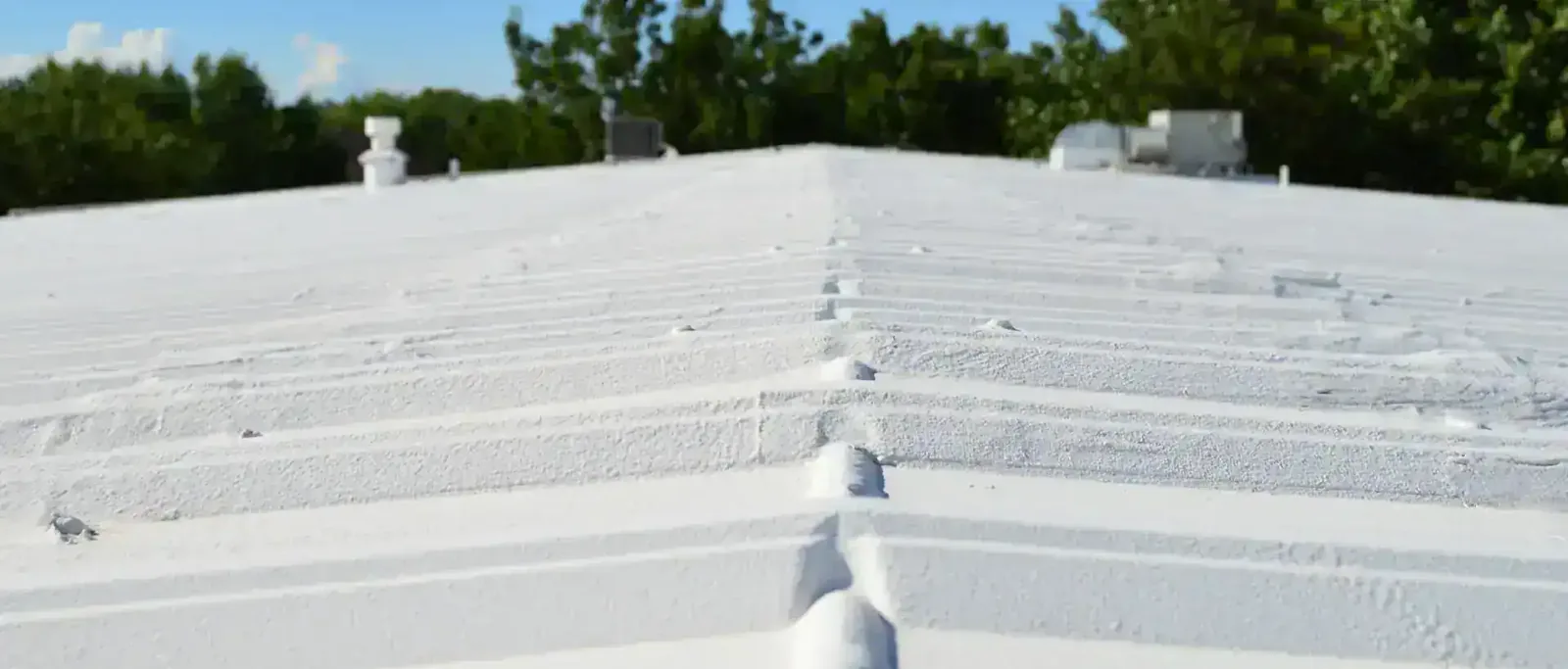
Modified Bitumen Roofing
Granules in a downspout are the first clue that a modified bitumen roof is wearing, and the first thing we photograph after a thaw. The mineral surface on a cap sheet is what shields the asphalt beneath from sun, and when it washes away the layer underneath begins to age quickly. We log the bare areas on the roof plan, measure how far the loss extends from each drain and seam, and date the entry. Over two or three seasons that record shows whether the cap is simply weathering or is heading toward the point where repair no longer holds.
Reading Granules, Laps and Blisters on a Layered Sheet
A modified bitumen roof is built in plies, usually a base sheet and a cap sheet, with every lap bonded by heat, adhesive or hot asphalt. We run a hand and a probe along each lap and look for a clean bead of melted asphalt at the edge. Lap acceptance depends on the application method and product instructions. An asphalt bead is relevant to some heated details; its absence does not establish failure in every self-adhered or cold-applied assembly. Open channels are photographed and logged. Splits above deck joints, where the structure moves under the roof, are marked the same way.
Blisters are recorded by size and position. A blister is a pocket where moisture or air has pushed the plies apart, and a small one can be left under observation while a ruptured one is opened, dried and repaired. We take moisture readings beside each so the log tells the owner whether water has moved into the insulation, which is the information a repair bid depends on.
Telling SBS From APP and Matching the Method to the Building
Two families of modified bitumen share most commercial roofs. SBS sheets are modified with rubber, which lets them stretch and recover in the cold, and APP sheets are modified with plastic, which gives them strong resistance to sun. Application methods vary by the named sheet: torch, hot asphalt, cold adhesive and self-adhered options are not interchangeable. The manufacturer's approved assembly establishes which method applies. The right method comes from the building: what lies below the roof, what is near it and who occupies it.
Minnesota winters favor SBS for its flexibility, since a sheet that stays pliable can follow the slight movement of a deck through repeated freezes. St. Paul plan reviewers expect the material, the roof area and the drain size on any flat-roof re-roof submittal. We record those figures on the roof before any quote is written, and a built-up roof built from many layers of felt is a close relative when the existing system has to be understood. Owners who want a single sheet with no flame at all will also look at EPDM.
Controlling Open Flame Beside Parapets, Nailers and Wall Cavities
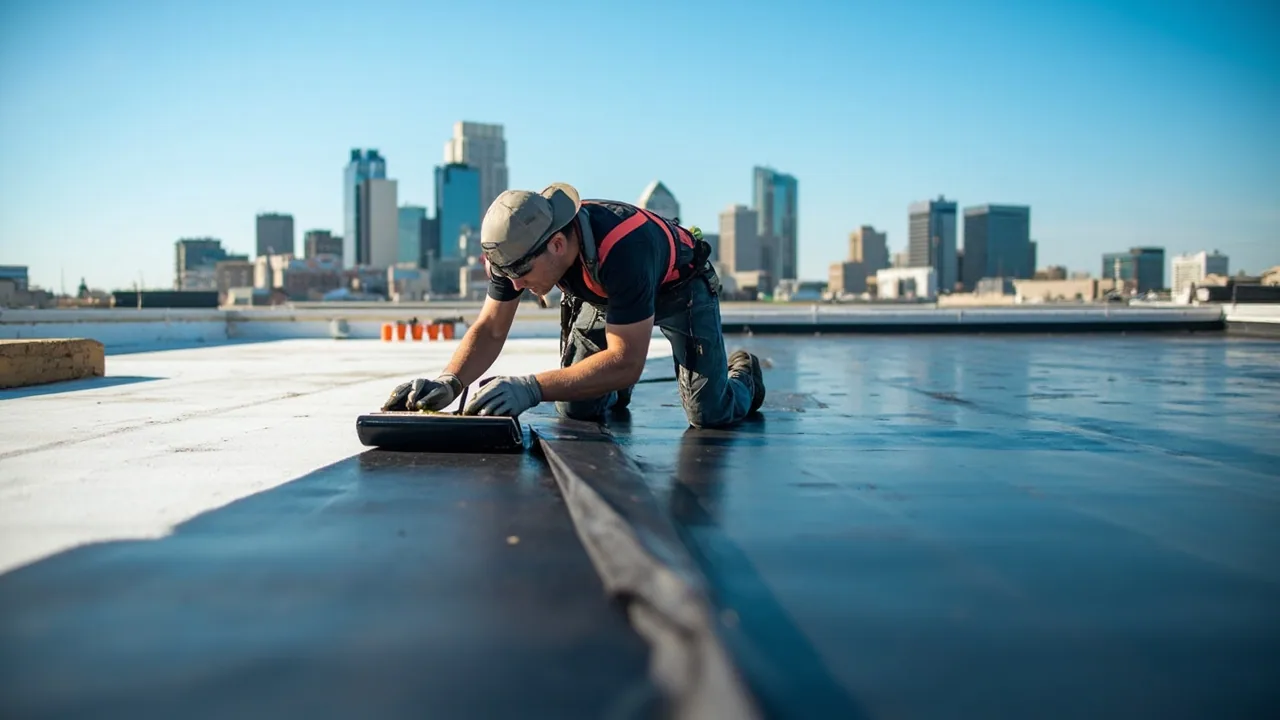
Torch application sends a live flame close to wood nailers, parapet caps and wall cavities, and wherever a cavity hides combustible material that is where fires start. The 37 contributing Lowertown properties represent construction from the 1870s into the 1920s, with several later changes of use, while the Jacob Schmidt Brewery on West Seventh Street, now the Schmidt Artist Lofts, shows the same pattern of old structures given new uses. A roofer working beside the walls of buildings that old must treat heat as a hazard, not only a tool.
On a building like that we lean toward torch-free methods: self-adhered sheets, cold adhesives or hot asphalt kept away from walls. Where flame is used, we log the fire watch, the extinguishers on the roof and the hours the watch continued after the last application. A record like that gives an insurer a clear account of the precautions taken, and it protects the owner if a question arises later.
Protecting Eaves and Drains Against Ice and Freeze-Thaw
An ice dam begins as snow that melts over a heated roof and freezes again on reaching the cold eave, and the water that follows is held back by the ice. Heat loss may contribute alongside solar warming and drainage restrictions. The ice location and thaw timing identify conditions to investigate. At a modified bitumen eave, trapped water can find its way through a lap that would otherwise stay dry, so we photograph the ice, the edge metal and the drain bowls, then repeat the photographs after the melt.
The 2013-14 Twin Cities season accumulated 69.8 inches of snowfall, a historical exposure record rather than a roof-load measure. Repeated freezing and thawing cracks granules loose and can open laps at low spots. An approved compatible repair detail may add protection at affected eaves or drains, and the snow and ice damage we record guides where it should go.
Extending a Sound Cap Sheet or Replacing a Tired One
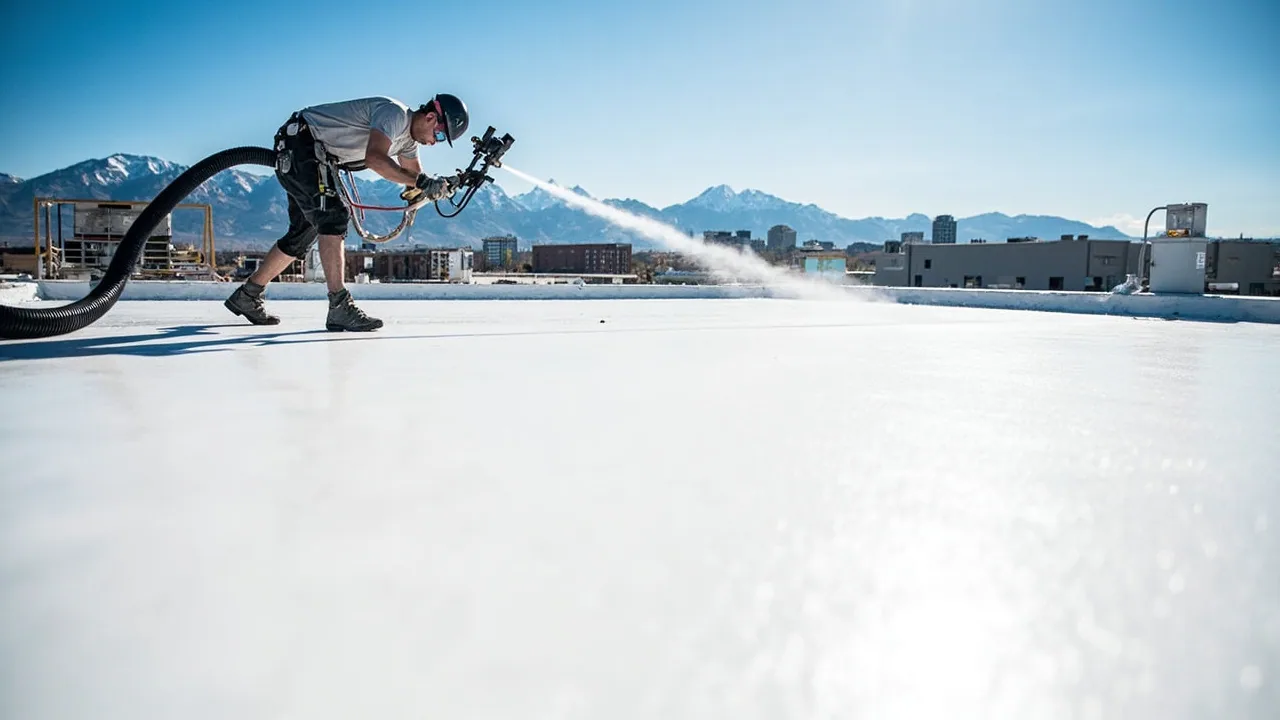
When the plies are dry and the laps are intact, a cap sheet that has lost some granules can often be restored. A reflective roof coating seals the surface and puts a protective skin where the granules used to be, after moisture confirmation, adhesion testing and coating compatibility review. A roof with saturated insulation, deep splits or widespread blistering belongs in the replacement column, and we explain why with the readings in hand.
The decision involves cost drivers that can be named and measured: the number of plies to remove, the height of walls, the access for hoisting material, and the tenant hours available. A full replacement and a repair program are priced from the same measured findings, so the owner compares them on equal terms. If the roof sits in Lowertown or West Seventh, we include the parapet and wall condition in the scope.
Questions We Hear
Is it safe to use a torch on an older building?
Open flame needs a plan, and beside the walls of an older building we often avoid it entirely until we know what sits inside them. Self-adhered and cold-applied sheets do the same job without heat at the edges. Where a torch is used, we keep a fire watch for the required period and write down who stood it and for how long.
What do granules in my downspouts tell me?
They show that the mineral surface of the cap sheet is wearing off, which exposes the asphalt to sun. A little is normal in the first years. A steady accumulation points to the cap aging faster than it should. We photograph the bare patches, map them and compare against the previous visit.
How do SBS and APP behave differently in a Minnesota winter?
SBS stretches and recovers in the cold because rubber is blended into the asphalt, while APP is stiffer but holds up well under sun. Product-specific low-temperature properties and the approved detail matter more than a blanket preference. Both families require a suitable assembly and movement detailing. We look at the existing sheet and the lap behavior before recommending either.
Why do blisters form in a layered roof, and do they need repair?
Trapped moisture or air expands under heat and lifts the plies apart. Small blisters can be watched and measured, while a ruptured one lets water into the insulation. We open the doubtful ones, take a moisture reading, dry the area and repair it in layers, then note the position and the date.
Can I coat a modified bitumen roof instead of replacing it?
Often, if the plies are dry and the laps are sound. Readings and selected cores check moisture, while adhesion, surface preparation and product compatibility determine coating suitability. The coating then restores the surface and slows further aging. If the readings show saturated insulation, a coating would only seal the water in, and we say so in writing.