
Built-Up Roofing (BUR) in St. Paul, MN
Built-up (BUR) roof repair and installation in St. Paul, MN: cleared test squares, ply counts from core cuts and a dated photo log of each kettle-applied layer.
Request a Roof Assessment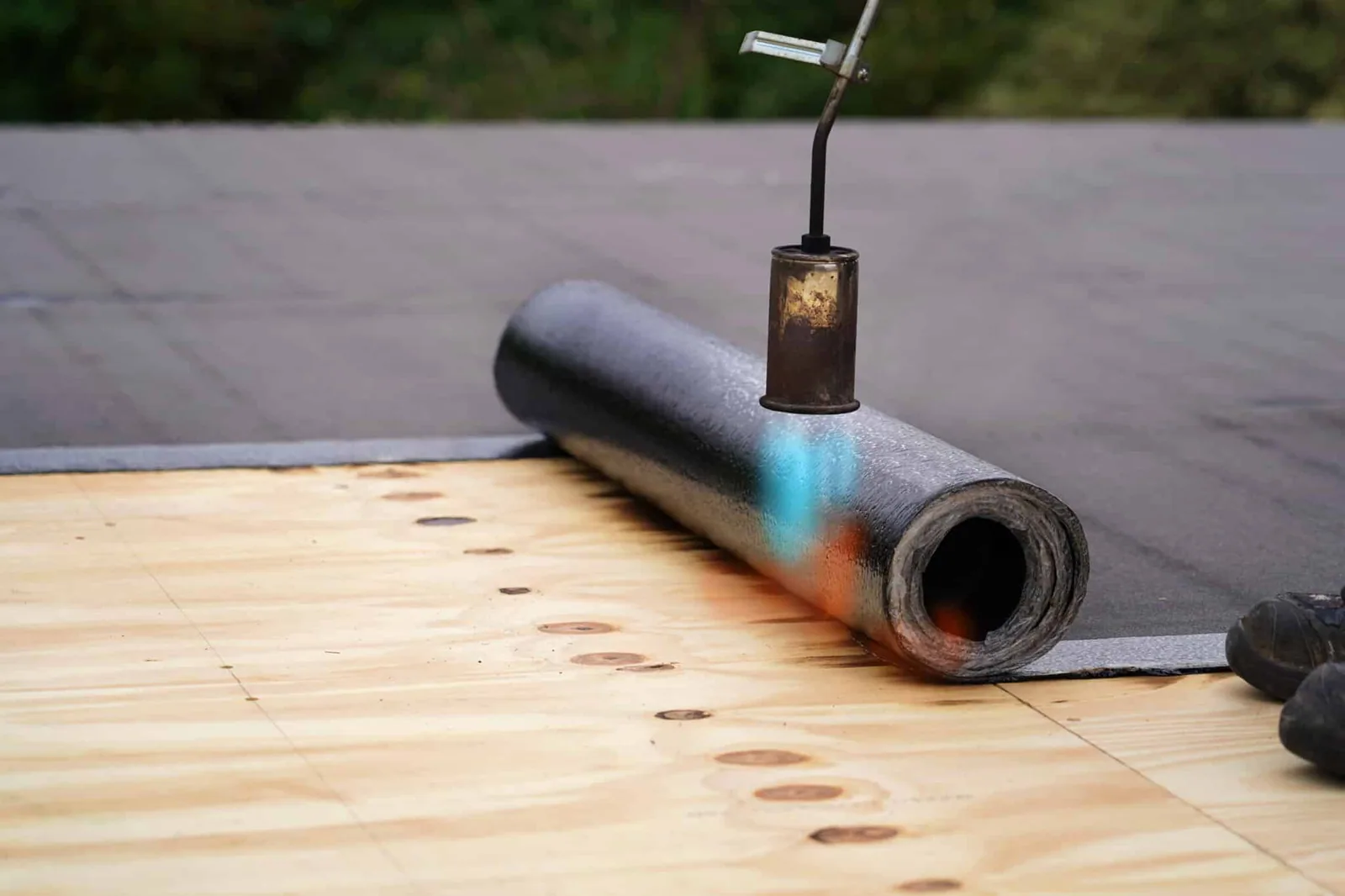
Built-Up Roofing (BUR)
A gravel-surfaced roof hides its condition under the stone, so the first thing we do on a built-up roof in St. Paul is sweep a test square clear. Under the gravel lies the bitumen flood coat, and the state of that flood coat is the earliest clear signal of how the roof is aging. We photograph the bare square with a scale, note whether the surface is smooth, crazed or exposed to the felts, and mark its position on the plan. Repeated each year, the same squares in the same places become a measured history that no single visit could produce.
Clearing Test Squares and Counting Plies Through Core Cuts
A built-up roof, known as BUR, is made of alternating layers of bitumen and reinforcing felts, laid in place on the roof and usually topped with gravel or a mineral cap sheet. How many plies sit on a given roof is rarely written down anywhere, and the count changes what can be recovered or repaired. We cut a small core, photograph the cross section against a scale, and count every layer, noting the insulation and deck beneath them.
The core is then read for moisture. Color and softness are observations rather than proof of moisture. Readings must suit the assembly and be checked against the sample condition. We take cores at the doubtful spots and at control points where the roof seems sound, and patch each opening the same day with compatible roof repair materials. The result is a ply count and a moisture picture that the owner can use for repair planning or for a permit submittal.
Reading Alligatoring, Slippage and Exposed Felts
Asphalt that has lost its protective gravel can develop alligatoring, a pattern of shallow cracks that resembles reptile skin. It looks cosmetic at first and is not, because the cracks expose the felts to water and sun. Slippage is a different record: plies that have shifted on a slope leave wrinkled or bunched membrane, usually near a wall. Ridges mark where moisture or movement is working beneath the surface.
We photograph each sign, assign it a position and measure its extent, then look for a cause rather than only a symptom. A flashing that has pulled loose from a parapet, a drain that sits high, or a spot where roof traffic has scoured the gravel each leave their own pattern. The resulting findings feed straight into the repair plan, and a later modified bitumen cap laid over a BUR base goes into the same log, ply by ply.
Managing Kettle Heat, Fumes and Air Intakes Around Working Buildings
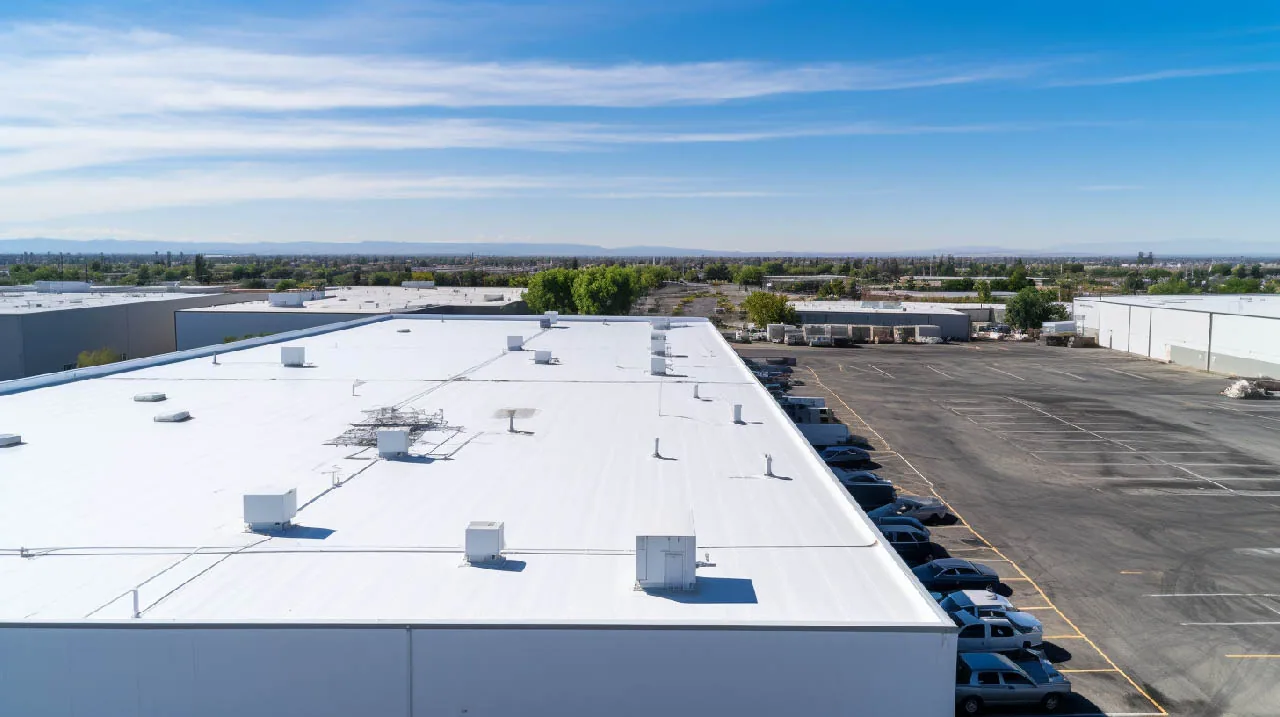
Hot-applied roofing involves a kettle, and a kettle produces fumes that travel. Before any work begins on a building people are using, we map the fresh air intakes, windows and doors near the work area, and coordinate intake controls with the mechanical team. Any isolation uses an approved window that maintains required ventilation rather than covering an operating intake. A hospital or a government complex needs that plan most. The Minnesota State Capitol complex on the north edge of downtown and the Minnesota Judicial Center are the kind of buildings where daily operations are hard to pause.
We record the kettle position, the temperature log, and the fire watch kept after the last application. If a tenant reports an odor, the log shows what was running at that hour. Cold-applied adhesives and torch-free options exist for sensitive buildings, and a longer occupied building reroofing schedule can place the noisiest and smelliest steps on weekends or evenings.
Weighing Gravel, Snow Load and Drainage on a Heavy Assembly
Gravel is heavy, and so is the snow that falls on it. The cited county ground-snow input is 50 psf. Engineering review derives roof loads and checks the structure separately; annual snowfall totals cannot state retained snow weight or spare capacity. A BUR assembly with a gravel surface already puts weight on the structure, so we check that the deck can carry the roof plus a drifted load before we propose to add anything.
Drains matter as much as weight. A multi-ply roof that holds standing water ages faster at the low points, and a drain bowl blocked with gravel turns a melt into ponding. We clear and photograph the drains, measure the water depth after rain or thaw, and recommend added slope or tapered insulation where ponding persists. When cores find wet insulation under the felts, the insulation and cover board usually have to be replaced along with them.
Repairing, Re-Covering or Rebuilding a Multi-Ply Roof
Spot repairs work on a built-up roof when the damage is local: a stripped-in patch of felts, a re-flashed wall, a replaced section of cap. When cores show dry felts and the surface is sound, a coating or a new cap sheet can add years. Where the cores are wet, the roof moves toward replacement, and our infrared moisture survey helps estimate moisture-related removal under suitable conditions and with confirmation. Other dry materials may require removal for the approved replacement assembly.
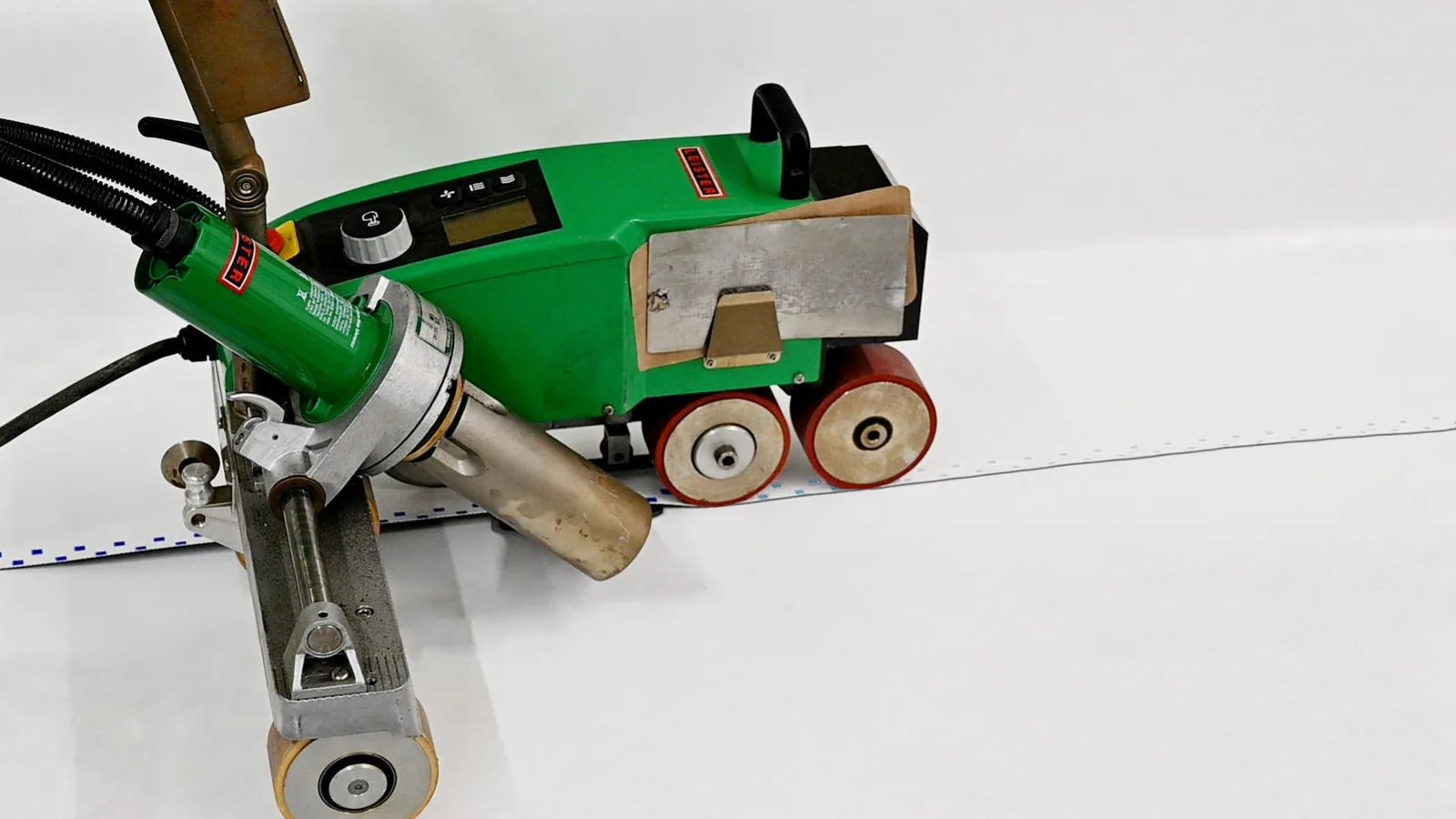
Rebuilding in plies, converting to a single sheet such as TPO, or choosing a hybrid cap are all real options. St. Paul's inspectors want a flat-roof re-roof submitted for plan review, with the membrane type, the square footage and the drain size stated up front, and the cores and measurements we take supply those answers. In Payne-Phalen, where the former Hamm's brewery complex was selected for redevelopment in December 2022, an owner converting an older building would start with the same core cuts. So would the owner of a Lowertown property, where the historic district's buildings date from the 1870s to the 1920s and many are being converted to lofts and breweries.
Questions We Hear
How do I count the layers on a gravel roof without tearing it up?
A small core cut answers it. We remove a round plug, photograph the cross section against a scale, count the felts and read the insulation below, then seal the opening. A handful of cores spread across the roof give a ply count and a moisture picture that a surface walk cannot provide.
What does the smell of a roofing kettle mean for my tenants?
Hot asphalt gives off fumes that can enter a building through an open intake. Before work starts we map every intake near the kettle and have the mechanical team approve separation controls or a planned isolation window with required ventilation maintained. The kettle position and temperature are logged, so any odor complaint can be matched to what was running at that time.
Is gravel a problem for a building under heavy snow?
Gravel adds dead weight, and snow adds live weight on top of it. Structural engineers work from a design figure of 50 pounds per square foot for ground snow in this area. The engineer converts the ground input into project roof loads and checks the deck, including drift cases, before we leave the stone in place or add a new layer.
How does a multi-ply roof fail compared with a single sheet?
Failure can occur at the surface, concealed layers, flashing or attachment. The surface wears, the flood coat cracks, and the felts are exposed before water reaches the deck. That progression is why test squares and cores are so useful. Each year's photographs show how far the wear has traveled and how much margin the lower plies still provide.
Can a built-up roof be recovered with a single-ply sheet?
Sometimes, after moisture, layer-count, structural, attachment and code eligibility review. Dry samples and a fastener test alone do not establish suitability. A cover board then separates the old roof from the new sheet. If any layer is saturated, it must come off. Either way, the core photographs and readings go in the file that the permit reviewer and the next owner will see.