About Our Team
A new roof file at Commercial Roof Repair St. Paul begins with a date. Before any price, scope or product is discussed, a technician walks the roof, photographs what is there and writes down what each reading means. That dated record is what we hand an owner first, because every later decision, from a small patch to a full replacement, is easier to defend when it rests on measurements instead of memory.
We are a commercial roofing contractor working on flat, low-slope and metal roofs in St. Paul, MN and the east and south metro. The work includes repair, recover, replacement, coating and restoration, along with inspections, maintenance programs and storm response. Emergency inquiries can be made at any hour, holidays included, with response arranged around access and safe working conditions, and they plan work on occupied buildings around the people who use them.
Starting Every Job With a Dated Inspection
Inspection is where the work takes its shape. A hands-on commercial roof inspection checks every seam, flashing, drain, curb and penetration, with photographs labeled by location on a numbered roof plan. Where the surface can hide the truth, we add a moisture survey with core cuts, which separates wet insulation from dry and shows whether a roof can be repaired or has to be rebuilt. Drone flights cover large roofs quickly and keep foot traffic off a membrane that is already tired.
The result is a written condition report: what was found, where, how serious it is and what each option would involve. Moisture readings, core sample results and photographs sit beside the findings, with a date on every page. An owner can hand that report to a lender, a board, an adjuster or the next facilities manager, and each of them can follow it without ever having stood on the roof.
How We Work
Roof First, Then the Price
Written Scopes
Work Around Your Tenants
Records You Keep
Weighing Repair, Recover and Replacement
Most roofs offer a choice, and the findings decide it. A localized seam failure or a cracked flashing calls for repair. A roof whose insulation is dry under a worn surface may accept a recover or a coating. A roof with saturated insulation, or one that already carries a recover, usually needs replacement, and the cores show it before any contract is signed. We lay the options out with the reasoning behind each one, so the owner chooses with the evidence in hand.
St. Paul adds its own requirements to that choice. The historical 1981-2010 Twin Cities snowfall normal was 54 inches, a climate measure rather than a roof load. The local 50 psf ground snow design input is also distinct from final roof snow loads and spare capacity. The designer reviews the actual structure, roof geometry and added assembly weight before work is specified. Ice dams form where heat leaks through thin insulation and melted snow refreezes at the eave, which makes insulation a repair question as well as an energy question. Applicable energy requirements and exceptions must be checked for the proposed commercial reroof scope, and the city reviews flat-roof permit applications as plans, which want the material, the area and the drain size stated up front. We collect those figures during the inspection, so the submittal and the budget come from the same numbers.
Installing and Repairing the Major Commercial Systems
The assembly comparison includes single-ply membranes, layered bituminous systems, metal options, sprayed foam and suitable restoration coatings. Each option is evaluated for the roof being inspected. Welded single-ply sheets suit many low-slope roofs, PVC and KEE suitability near kitchen and process exhaust depends on the actual residue and product-specific compatibility guidance, layered bituminous systems add redundancy, and coatings can extend the life of a sound roof. How each of these roof systems performs under Minnesota snow, thaw and summer heat depends on its seams, its drainage and its insulation, with attachment, supporting condition and material compatibility included in the review.
The major makers' published details govern how a membrane ends at a wall, a curb or a drain. We follow those details, photograph each one as it is built and keep the maker's documents in the same file as our inspection log. That habit matters when a warranty is involved, because a claim is stronger when the maintenance record is complete. The systems of GAF, Carlisle SynTec, Johns Manville, Holcim Elevate, Sika Sarnafil, Versico, Soprema and Duro-Last each come with their own details, and the manufacturer guidance for the system on the roof is the one we work to.
Roofing the Buildings and Owners of the Metro
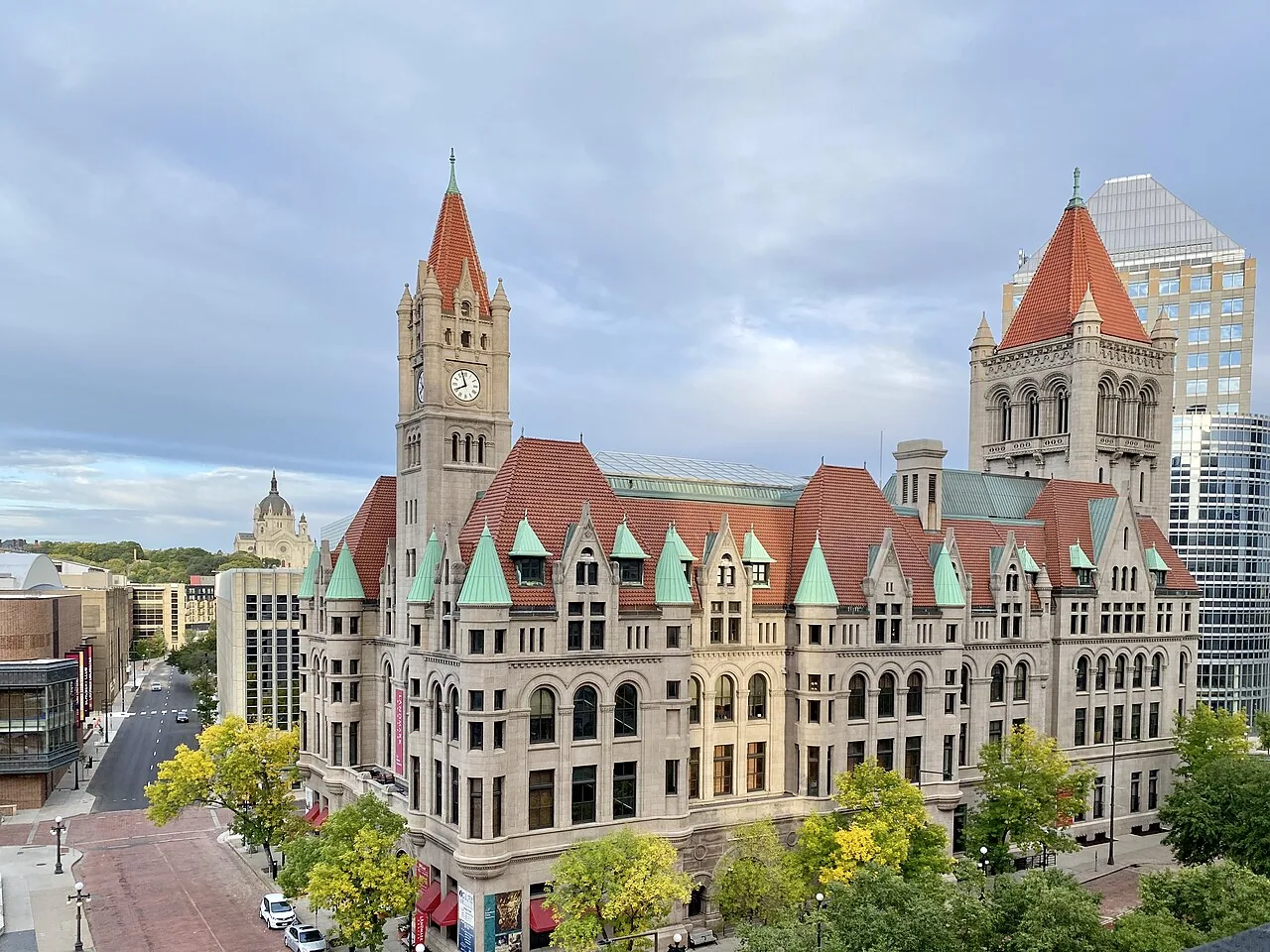
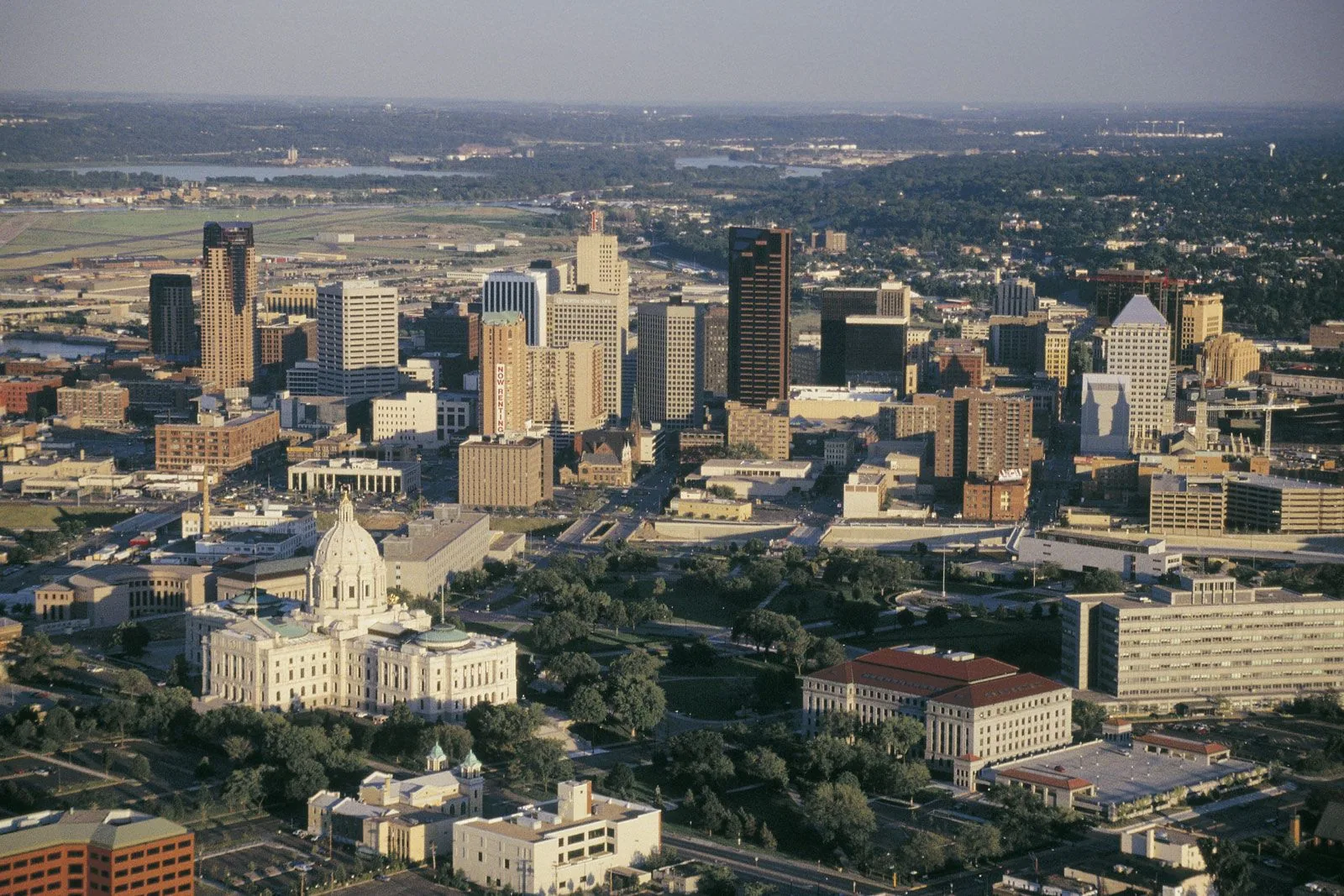
The buildings are a wide mix. Downtown St. Paul is an office core with a skyway system linking its major buildings, while Regions Hospital on Jackson Street and the State Capitol complex are institutional roofs of another scale. The University of St. Thomas stretches along Summit Avenue. The Port Authority's business centers, including Energy Park, Riverview and Westgate, give the city plenty of light-industrial, warehouse and flex space. Retail roofs gather at Rosedale Center in Roseville, Maplewood Mall and the open-air centers of Woodbury. Every property type asks the roof to do something different, and the inspection log records it.
The readers of a roof report are as varied as the buildings: property managers, hospital engineers, school facilities directors, investors preparing a sale, general contractors on a renovation and adjusters assessing storm claims. Each uses the report differently, so the findings are written for the reader. Owners in each of these industries get the same measurements, presented in the form they will actually use.
Military and public campuses add another layer to the metro's building mix. A roof project at a training property, government office or medical facility starts with the facility owner's access rules and issued design documents. When project documents call for Unified Facilities Criteria, we use those criteria for the scope where they apply and record the roof conditions they govern.
Responding When Storms Reach the Roof
St. Paul weather arrives in several forms. On July 28, 2025 hail the size of golf balls arrived with winds up to 70 mph, Woodbury, Maplewood and St. Paul came under flood warnings, and outages reached more than 51,000 households. For emergency work, the first decision is whether the damaged area can be approached safely and which protection is practical. Where photographs can be taken safely before intervention, they preserve the visible condition for the owner's event file. We document impacts, moisture and the cause we found, so an adjuster can evaluate the claim and the owner can show exactly what the roof looked like after the storm.
Keeping Roofs on a Schedule
Some defects develop gradually, while storms and accidental damage can change a roof abruptly. A program records both kinds of exposure. Maintenance visits return to each roof in a fixed rhythm: before the first freeze to clear drains and secure edges, after the thaw to check seams and flashings, and after major storms. Each visit is logged against the last, so change shows up as the difference between dated entries instead of as a surprise. For owners of several buildings, the same routine grows into a program, with one scoring method, one calendar and a capital plan built from the findings. That kind of roof management turns individual repairs into a budget an owner can plan around.
Commercial Roofing Questions
What do you hand over at the end of an inspection?
A written condition report with dated photographs, moisture readings, core sample results and ranked findings. Each item is located on a roof plan, so a later inspection can return to the exact spot.
How is noisy or odorous roof work scheduled above a working floor?
We map the rooms below, agree on hours with the building manager and open the roof in small sections that are closed in each day. Adhesives and hot work are chosen with the occupants in mind, and the schedule is written before material arrives.
Do you work on roofs outside the city limits?
Work extends across the east and south metro, from Woodbury and Cottage Grove to Eagan and Burnsville, and north to Roseville and Arden Hills.
What should an owner keep in the roof file after a repair?
Dated photographs from before and after, the material list, the moisture readings and the invoice. Together they show an insurer, a lender or a warranty administrator exactly what was done and when.