
Warehouse Roofing in St. Paul, MN
Warehouse roof inspection, repair, recover and replacement in St. Paul, MN, with dated photo records, moisture readings and snow load findings for owners.
Request a Roof Assessment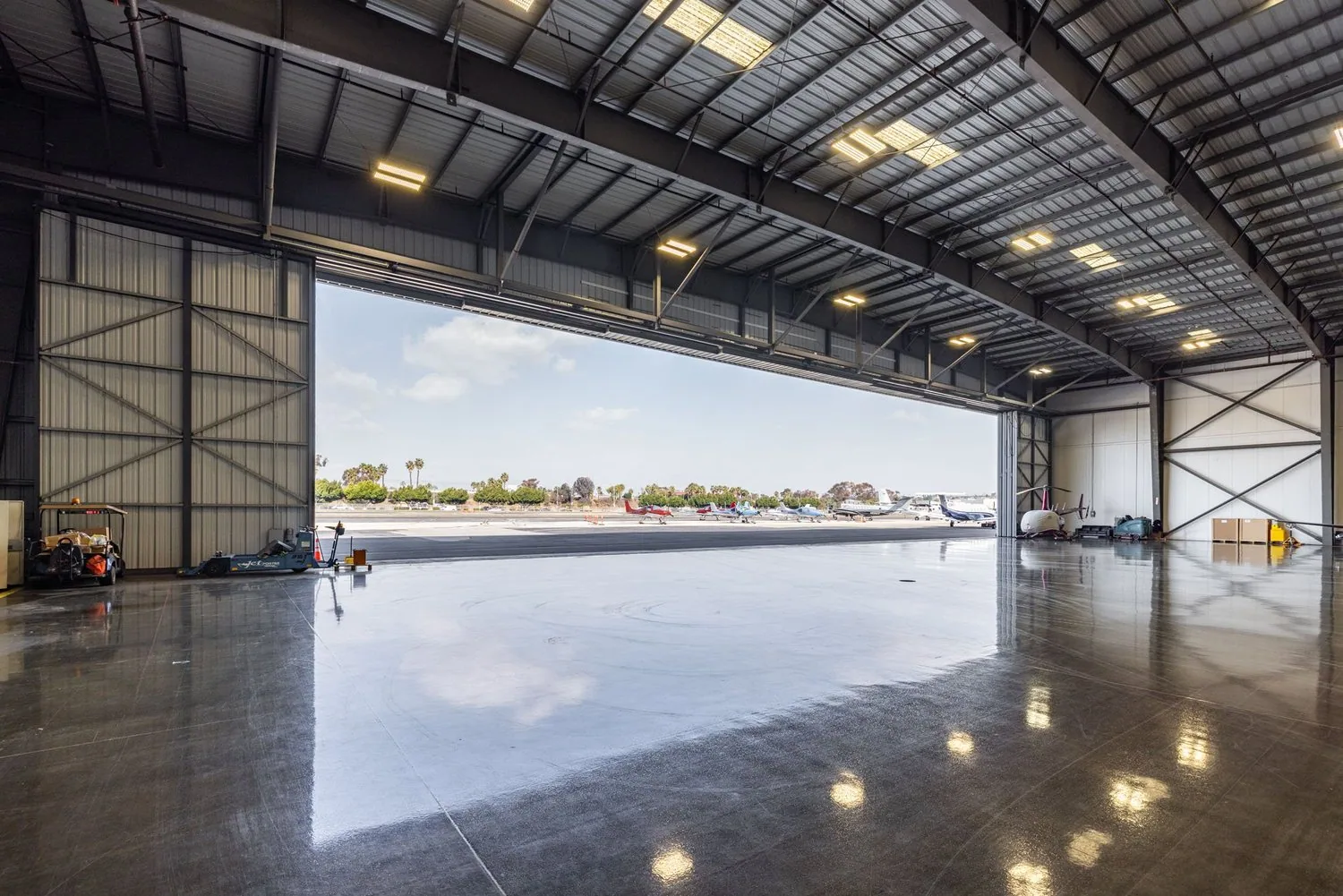
Warehouse Roofing
A warehouse roof in St. Paul, MN looks simple from the truck court: one long flat plane, a few vents, a row of drains. The inspection log is where that simplicity breaks down. The entries gather wherever the plane is interrupted, including a parapet where snow drifts can settle, a step between a high bay and a lower office roof, a line of dock canopies or a set of smoke vents. We photograph each one, take moisture readings beside it and date the page, because changes in ownership or tenancy can leave roof questions unresolved unless the previous condition and repair locations were recorded.
The Saint Paul Port Authority manages business centers at Energy Park, Midway, Westgate, Riverview and Beacon Bluff, and those centers include light-industrial and warehouse buildings whose assemblies need individual inspection. On roofs like these, a record of repair is what turns a leak call into a documented decision instead of a patch made in a hurry.
Logging Drifts, Roof Steps and Dock Edges Across a Wide Deck
Wind crossing an open flat roof drops its snow wherever it meets something tall, so drifts can form against parapet walls, at higher roof sections and behind rooftop units, with depth differing from the open field. After a heavy snowfall we measure the depth at each of those places, photograph the drift and compare it with the open area. Once the melt begins we return to see where water stands.
The perimeter gets the same treatment. Dock canopies, edge metal, gutters and scuppers are checked for loose fasteners, open laps and staining that shows where water has been running the wrong way. Each finding goes into the log with a location, a photograph and a date. On a long roof nobody remembers which bay had the soft spot, and a written position is the only way a crew finds the same defect again in January.
Reading Fastener Backout, Ponding and Seam Wear on the Deck
A warehouse may have a steel deck whose condition and attachment require inspection. The deck contracts through a Minnesota winter and expands again in July, and on a mechanically attached membrane that cycling can work a fastener upward until it raises a small bump under the sheet and wears the membrane from beneath. We press along the fastener lines and mark every raised spot with a photograph. Ponding is read the same way: depth at the drain, depth at the far edge of the puddle, and whether water is still standing two days after the last rain. Water that lingers suggests a deflected deck or a drain set too high.
Seams, wall flashings and penetrations complete the walk. We probe seams for lifted edges, check flashing terminations for open sealant and record cracking around vents and smoke hatches. Where moisture indications or a thermal anomaly suggest affected insulation below, we mark the spot for a core sample instead of estimating its size from the surface, and our infrared and core-cut moisture survey turns those marks into a boundary drawn on the roof plan.
Checking Each Finding Against Snow Load, Permit and Energy Code
The applicable ground-snow design input for Ramsey, Dakota and Washington counties is distinct from the roof load. An engineer evaluates drift effects, roof geometry and the building records; measured snow depth is not proof of spare structural capacity. A roof covered once already carries its old layers as dead weight, and wet insulation weighs more than dry. Our part is to hand the engineer measured facts: how many layers sit on the deck, how thick the insulation is, where it is wet and which drains are blocked. Those readings let a roof recover be tested against the structure instead of assumed, and they show whether a tear-off removes weight the building cannot spare.
The city adds its own paperwork. For a commercial flat-roof reroof in St. Paul, we assemble the dimensions, material description and drainage information for the applicable permit review. Insulation selection also needs the current project requirements addressed before the new assembly is specified. Both are easier to meet when the log already holds the measurements.
Weighing Patch, Coating, Recover and Replacement as Tenants Turn Over
Industrial space across the Twin Cities stood 5.4 percent vacant by the third quarter of 2025, and the departures behind that number include Sportsman's Guide leaving 422,727 square feet at a St. Paul location and Lumbermen's leaving 177,935 square feet at Cottage Grove Logistics Park. A confirmed vacancy can create a useful work period, provided access, contents and any ongoing building operations have been checked.
A dated condition report lets the owner choose on evidence. Open seams and failed flashings are patched and logged. A sound, dry assembly can be evaluated for roof coating, including product suitability and adhesion testing. Extensive confirmed moisture informs a replacement review alongside membrane condition, attachment and the support below. Samples and survey limits accompany that comparison. Owners with several buildings, such as those in Cottage Grove, can rank them and spend first on the roof closest to failing. The same method applies to a distribution center with a tighter operating schedule.
Keeping the File That Landlords, Lenders and Adjusters Ask For
The regional storm on July 28, 2025 brought damaging wind and hail; flash flood warnings included St. Paul, Maplewood and Woodbury. Roof damage still needs its own location record. A warehouse that took hail that evening needs before-and-after photographs, and the earlier dated log is what shows which marks are new. An earlier membrane record can help an adjuster compare suspected hail damage with pre-existing wear, so our roof insurance claim assistance starts from the inspection log and adds fresh photographs and moisture readings after the storm.
Leases differ on who pays for roof repairs and who pays for replacement, so we keep the file in a form either side can read: dated images, measured findings and a record of each repair. When the building sells, that record provides evidence for a lender's review, while a later inspection may still be needed to establish current condition.
Questions We Hear
How much snow can a warehouse roof hold before someone should be worried?
Structural evaluation and the building records establish loading limits. The county ground-snow input is a design starting point, not a safe accumulation allowance for this roof. What we add is the drift depth against parapets and roof steps, where the load runs well above the open field. If drifts are deep or drains are frozen shut, we record it and tell you to have the engineer review the structure.
Why does the leak appear at a dock door when the membrane above looks sound?
Water often enters at a wall flashing, a canopy edge or a roof step and travels along the deck before it drops inside. Warm, humid air leaking through dock doors can also condense on a cold deck in winter and drip like a leak. Moisture readings and a close look at the nearest flashings separate those causes, and the photos show which one you have.
Is a coating sensible for a warehouse roof that still has dry insulation?
Frequently, yes, provided cores confirm the insulation is dry and the membrane holds adhesion in a test patch. Coating adds a new surface and seals minor seam wear for far less disruption than a tear-off. Where cores show saturated insulation, a coating only covers the problem, and replacement of the wet section is the sound choice.
How is inventory protected under a roof that is being opened?
We open only the area that can be closed again the same day and keep the working line away from the busiest aisles. Racking and sprinkler lines below are logged beforehand, so staff know which bays to keep clear.
What should a landlord hand over when a tenant leaves?
A current condition report with dated photographs, moisture readings and a list of repairs made. Ours also lists what is still open, whether a flashing near the end of its life or a drain that holds water, so the next tenant starts informed. A buyer or lender will ask for the same file, and a flex industrial or warehouse owner is better off compiling it before the sale.