
Commercial Roofing in Cottage Grove, MN
Commercial roofing in Cottage Grove, MN: roof inspections, repair and replacement for logistics park warehouses and industrial plants, with dated records.
Request a Roof Assessment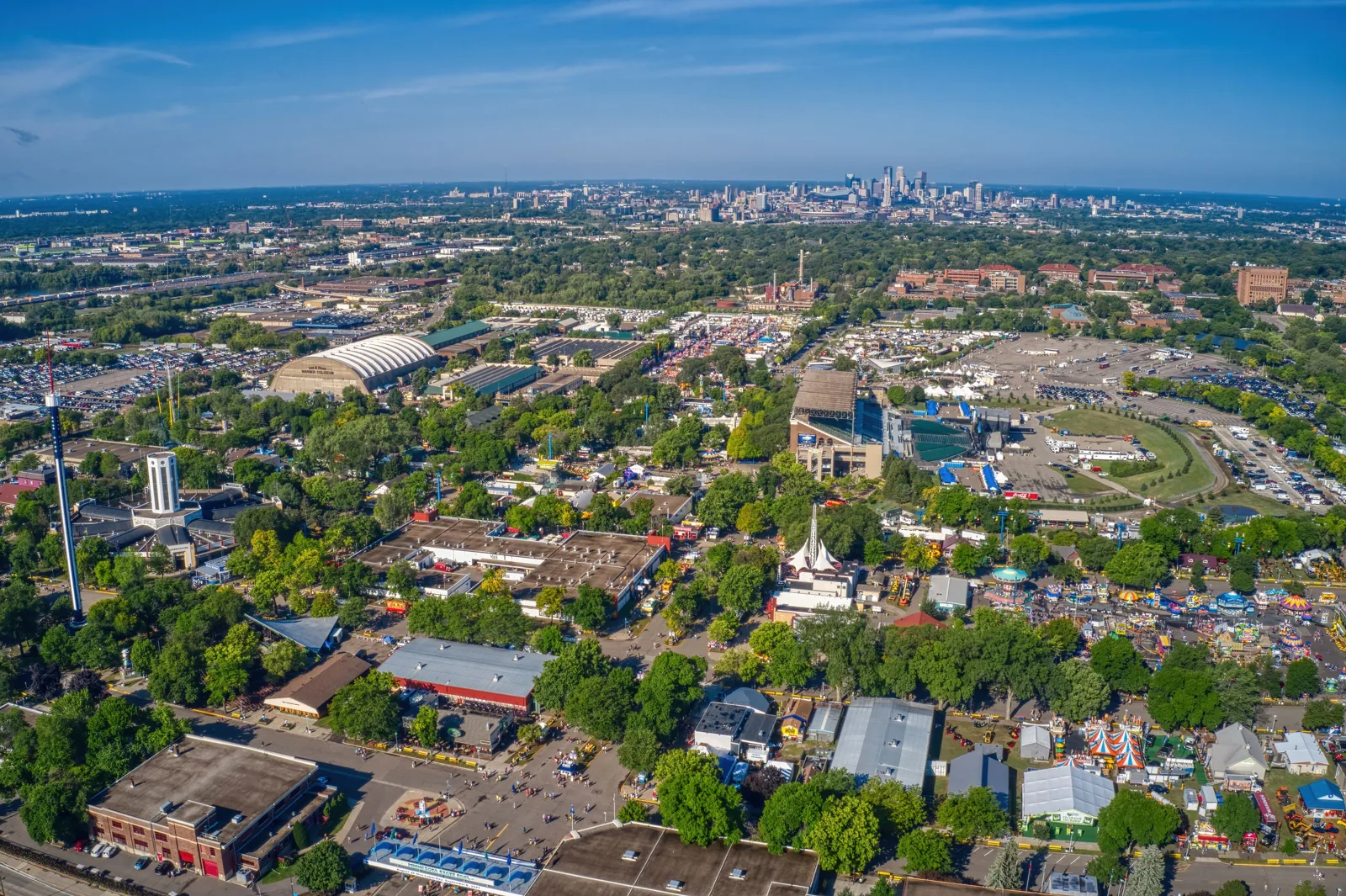
Cottage Grove
A Cottage Grove turnover inspection establishes roof condition on a stated date. Cottage Grove Logistics Park is a major east metro warehouse site, and a third-quarter 2025 report recorded Lumbermen's departure from 177,935 square feet. At a property undergoing turnover, we confirm who remains responsible for inspections and interior checks so reduced occupancy does not leave a leak unnoticed. We record the roof as it stands on that day, with photographs, moisture readings and a sketch of drains and penetrations.
The city is about 10 miles south of St. Paul in Washington County and is served by US 10, US 61 and I-494. The other large name is the 3M plant, in operation here since 1947 and making adhesive products, industrial polymers and reflective road-sign materials. Warehouses and an industrial plant are different owners with different questions, so the work is organized by building use.
Documenting Warehouse Roofs at Tenant Turnover
A warehouse departure creates a useful point for documenting the roof before the next tenant takes possession. A tenant leaving wants proof it did not cause damage, a landlord wants a baseline before marketing the space, and the next tenant wants to know what they are signing up for. A dated inspection serves all three.
On a warehouse deck we walk dock canopies, roof steps, smoke vents, skylights and the lines of drains, then log each with a photograph. Where the installed assembly uses exposed fasteners, we check for loose or raised heads and record nearby seam defects. Movement is investigated rather than assigned as the cause from appearance alone. In a vacant bay we also look at the underside of the deck for rust, staining and daylight, since those show what the surface hides. The same record applies to any warehouse roof or distribution center roof changing hands.
A turnover walk also needs a clear boundary between roof responsibility and tenant equipment. We note which curbs, conduits and exhaust openings were present, which appear newly altered, and where a capped opening still needs a weather-tight detail. The record identifies accessible conditions without assigning cause where the installation history is unclear. Before keys change hands, the owner can use the roof plan to schedule repairs, identify items requiring a specialist and preserve photographs for the lease file. That makes the next inspection easier to compare and reduces disputes over whether an issue predated occupancy.
Reading an Industrial Plant Roof by Section and Age
The 3M plant’s operating history begins in 1947. For a roof inspection, installation records and the actual section boundaries establish assembly dates and types. At a campus with roof transitions, those tie-ins receive their own findings without assuming that the oldest section is the source of a leak. Our first job at an industrial campus is to number each roof area, sketch it and log what system it carries and how it looks.
Plants that make adhesives, polymers or road-sign materials may also run process exhaust, heat and humidity that reach the roof. We check the membrane around each stack and fan curb for softening, blistering and open seams, and compare the condition with the open field. Findings are ranked by what sits underneath. The approach suits any manufacturing plant and underpins our preventive maintenance program.
Measuring Snow Drifts and Drain Capacity on Open Roofs
Wind can redistribute snow toward parapets, rooftop units and changes in roof elevation. The record identifies accumulation patterns and accessible drain conditions. Snow density and the supporting assembly matter to loading; neither a seasonal snowfall total nor the design ground snow input establishes a particular roof’s remaining capacity.
We measure depth at each of those places and photograph the drift beside a tape. Once melt begins, we return to see where water stands and whether drains and scuppers are running. Ice at the eaves and frozen drains are logged with a date and a position. If drifts look deep or drains are blocked, we say so in the report and recommend an engineer review the structure, with the engineer evaluating available drawings, actual construction and the observed conditions.
Matching Repair, Coating and Replacement to the Lease Timeline
A vacant bay and a pending lease change what the right answer is. If a roof has a few failed details and dry insulation, a targeted repair may address the documented defects, subject to the owner’s turnover requirements. If the insulation is wet across the field, a roof coating cannot correct the saturated layers. A recover requires removal of unsuitable wet material and review of the retained assembly; widespread saturation may make replacement the appropriate option. The amount of wet insulation, the deck, the detail count and the access the work allows set the cost.
A replacement proposal includes the project’s applicable insulation, attachment and drainage requirements. Permit review is coordinated with the jurisdiction for that address, using defined roof areas and the proposed assembly rather than a general code allowance. Owners with several buildings can pair these decisions with a due diligence roof survey before a purchase, which lets the buyer price the roofs into the deal.
Keeping Storm and Transaction Files in One Place
When regional severe weather is reported, we include the roof in the property-specific inspection rather than infer damage from the event report. Reduced occupancy can limit interior reporting; a roof-level inspection documents the condition without treating regional reports as proof of damage. We photograph bruised membrane, loosened edge metal and displaced flashings and set them next to earlier images in a claim file.
The same file serves a sale or a lease. Urgent calls are accepted overnight and on holidays. Temporary protection is assessed against crew availability, weather and safe access, with the exposed detail and completed work entered into the file. Owners along the US 61 corridor in Newport and Hastings use the same dated format, and portfolio owners can line the reports up side by side.
Questions We Hear
What should a landlord record before an industrial tenant moves out?
Record accessible roof conditions at the agreed turnover date, including photographs, mapped details, reported interior leaks and the scope of any moisture testing. Keep maintenance records and repair history with that inspection. The file supports responsibility discussions but cannot by itself establish who caused an older defect.
How often should a vacant warehouse roof be checked?
Often enough that a leak cannot run for a season unseen, with a walk after every major storm and before the first hard freeze. A vacant building has no occupants to report a stain, so the schedule substitutes for them. Each walk adds a dated entry to the same file.
Does a coating make sense on a warehouse roof that has been leaking?
A coating requires a compatible substrate, adequate adhesion, sound details and suitable moisture conditions. Saturated material needs correction rather than concealment. Inspection and targeted testing help define those areas; retained layers, attachment and drainage are then reviewed before choosing coating, recover or replacement.
Why do plants that run process exhaust need a closer roof check?
Discharge temperature, moisture and chemistry can affect materials near exhaust equipment. We compare those details with other roof areas and review compatibility against the installed product. A protective detail is selected for the observed exposure rather than assumed to solve every industrial-roof problem.
What does a buyer's roof survey tell me that the seller's report does not?
A buyer-directed survey documents the areas examined, test methods, observed defects and repair allowances under a stated scope. It compares available maintenance history with current findings and identifies inaccessible or uncertain conditions. Service-life estimates remain estimates; the report helps the buyer understand the basis and limits of the budget.