
Commercial Roof Repair in St. Paul, MN
Planned repair of membrane, seams, flashing and roof details in St. Paul, MN, with each fix photographed, dated and entered in an inspection log you can keep.
Request a Roof Assessment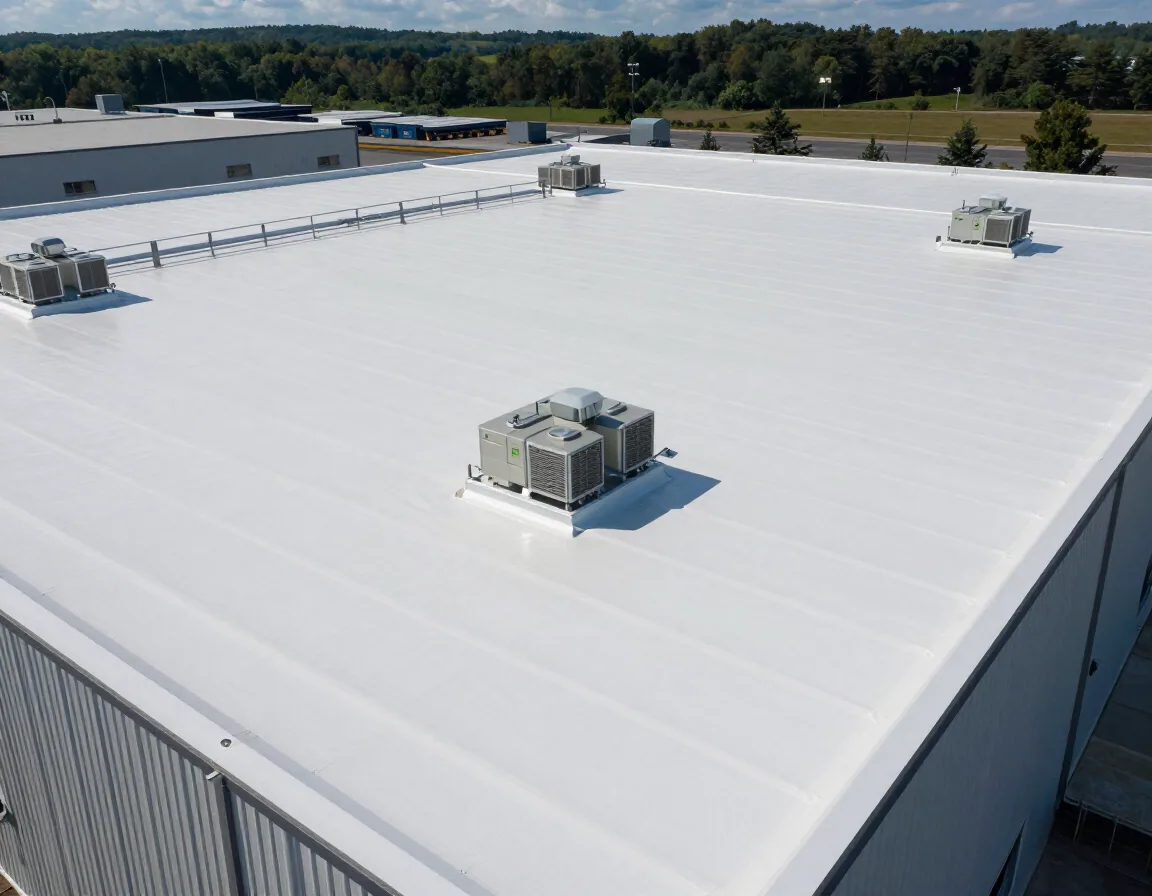
Commercial Roof Repair
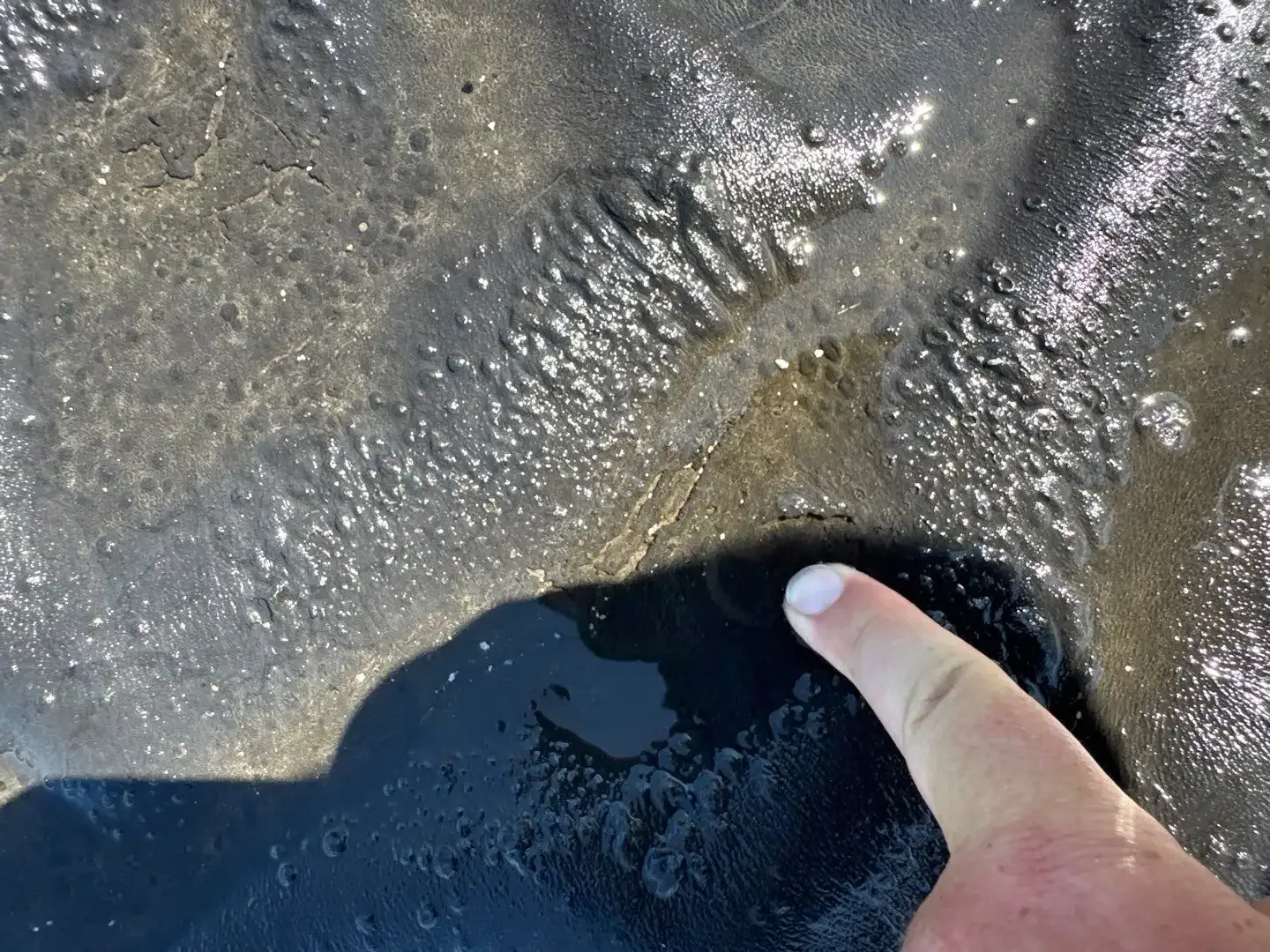
The repair that holds through a Minnesota winter starts as an entry in an inspection log. A seam lifted at the edge of a parapet, a flashing cracked where it meets a brick wall, a patch that has outlived its adhesive: each gets a location on the roof plan, a close photograph and a date. The log tells us what failed and where it failed, and it shows whether the same spot has been fixed before. On a St. Paul roof exposed to repeated cold and thaw, that history is worth as much as the repair material.
Logging Every Seam, Flashing and Detail Before Any Repair
Repair work is only planned once the whole roof has been looked at, because a leak at one corner often points to a failure somewhere else. We walk the full roof, probe seams, press on flashings, inspect drains and scuppers, and look at the condition of sealants around each penetration. Moisture readings are taken near the defects we find so we know whether water has traveled into the insulation.
The findings become a repair list with each item numbered, photographed and ranked. The list distinguishes urgent defects from corrective work that can be scheduled, with the reason for each priority attached to the finding. The written results can be paired with a full hands-on roof inspection when the building has no recent condition record.
Separating Repairable Damage From Wear That Is Spreading
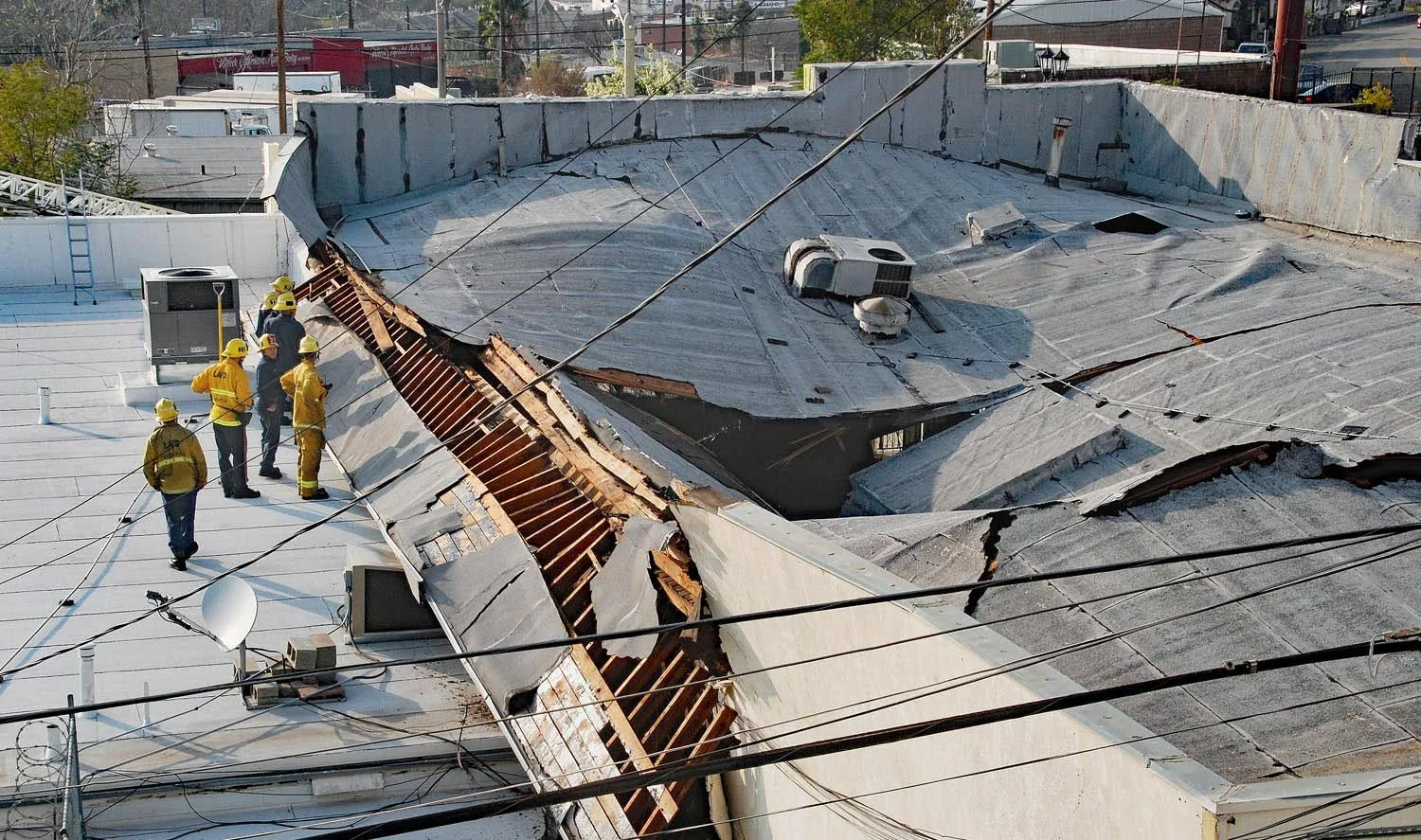
Not every defect deserves the same response. A puncture from a service technician's boot is a local fault. A line of failed seams may reflect installation, movement or material deterioration. We investigate before treating it as evidence that the entire membrane has aged out. We separate the two in the findings and say which pattern we see.
Common repairable conditions include:
- Open or lifted seams along laps and at T-joints
- Cracked or shrunken base flashing at walls, curbs and pipes
- Punctures and tears from foot traffic or fallen debris
- Failed sealant at penetrations, termination bars and edge metal
- Clogged or damaged drains and scuppers that hold standing water
For flashing and seam problems that recur, repairs such as flashing failure repair and seam failure repair require a review of the failed detail and the reason it recurred.
Matching Each Repair to the Membrane Underneath
A patch that works on one roof can fail on another. TPO or PVC repairs can use a compatible welded patch after suitable cleaning and preparation. The existing sheet condition and selected repair detail are checked before welding. EPDM relies on splice tape or liquid adhesives applied to a properly prepared surface. Modified bitumen and built-up roofs are repaired with compatible bitumen and reinforcing plies. Metal roofs need fasteners, sealants and panel details suited to the profile.
Material compatibility and surface preparation both affect repair durability, alongside the substrate condition and original defect. We identify the membrane from the core and surface evidence before choosing the repair, and the log records the product and method used at each location. That record of repair lets the next technician match the work instead of guessing.
Timing Repairs Around Freeze and Thaw
St. Paul roofs spend months cycling between thaw and freeze. Water enters a small defect during the afternoon melt and expands as ice overnight, so a hairline problem can open into a visible one within a season. Ice backup at an edge or outlet can accompany heat loss, solar melt and refreezing. The inspection records the actual ice and drainage conditions before assigning a cause.
Temperature affects how repairs are made. Adhesives, primers and welds need workable conditions, and in the coldest weeks a temporary measure may be the right documented step with the permanent repair scheduled once the weather allows. We tell the owner which kind of repair each visit delivers and write it into the log, so a temporary fix is never mistaken for a final one. Urgent active leaks are handled through our leak tracing and repair work.
Repairing Older Buildings Without Hiding Their History
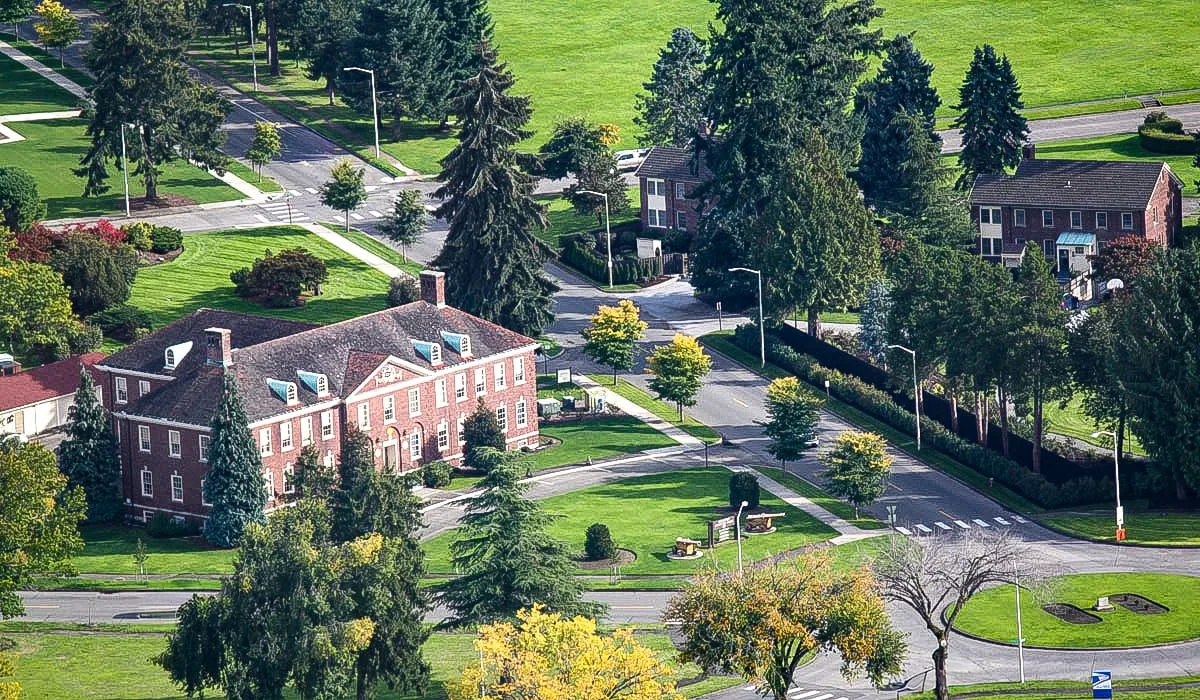
The historic buildings of Lowertown and the older industrial roofs near Riverview and Highland Park may have earlier patches, but their construction dates do not establish the roof age or layer count. Layers of mastic, fabric and metal edge pieces from different decades can hide the original problem. We record every layer we uncover and photograph it before covering it again.
Healthcare, office and institutional roofs add another factor: disruption. A hospital roof requires the facility to approve protection and space restrictions above operating or imaging areas, so scheduling, noise limits and containment are decided with the facility manager before work begins. The repair plan lists those constraints in writing.
Recognizing When Repairs Stop Making Sense
A log built over several years shows when repair spending is climbing without improving the roof. If the same seams reopen, if moisture readings keep spreading, or if the cost of each visit begins to approach the cost of a planned project, the log makes the case for a different decision.
At that point we lay out the alternatives from the same record: continued preventive maintenance for a roof with remaining life, or a capital project when the roof has reached its limit. The owner decides with dated evidence in hand, which is also what an insurer or lender wants to see.
Our proposal defines the repair material, work boundary, preparation and adjacent details to be inspected. It identifies what lies outside that boundary when moisture or repeated repairs suggest a wider condition. If weather or substrate conditions prevent completion, the scope states the temporary protection and return conditions, helping the owner compare the repair with further testing or a broader project.
Our closeout records the method, materials, observed result and any check deferred to a later visit, so the owner can distinguish completed repair from ongoing monitoring.
Questions We Hear
How do I decide between a repair and a bigger project?
Look at the pattern in the log. Isolated defects on a dry roof suit repair. Repeated failures at the same seams, spreading moisture or a membrane that has gone brittle point toward a larger scope. We give the owner the readings and photographs that show which pattern the roof is following.
How will I see what the crew completed and what still needs follow-up?
The closeout maps each approved repair to its roof zone and includes dated before-and-after photographs. It lists conditions outside the approved boundary, temporary measures still in place and follow-up checks that remain open. You can compare that record with the proposal before the next inspection is scheduled.
Can repairs be made in winter?
Some can, others should wait. Mechanical fixes, drain clearing and temporary sealing can proceed in cold weather. Welded and adhesive repairs depend on temperature windows. We mark every winter repair as temporary or permanent so nothing is mistaken for a finished fix.
Will a repair affect my existing warranty?
Manufacturer warranties often set conditions on who may repair the membrane and which materials are used. Read the warranty terms first, and send us a copy. We record the products and methods used in each repair so the file supports any future warranty discussion.
What does it cost to repair a commercial roof?
The price follows the number of defects, the membrane type, the ease of access and the size of the area affected. Cost is not meaningful without the findings behind it, so we provide a numbered list of items with photographs. Each line can be approved, deferred or scheduled, with follow-up responsibility recorded.