
Commercial Roofing in Lowertown, St. Paul, MN
Commercial roof inspection, repair and replacement in Lowertown, St. Paul, MN, for historic conversions and restaurants near Union Depot, with dated records.
Request a Roof Assessment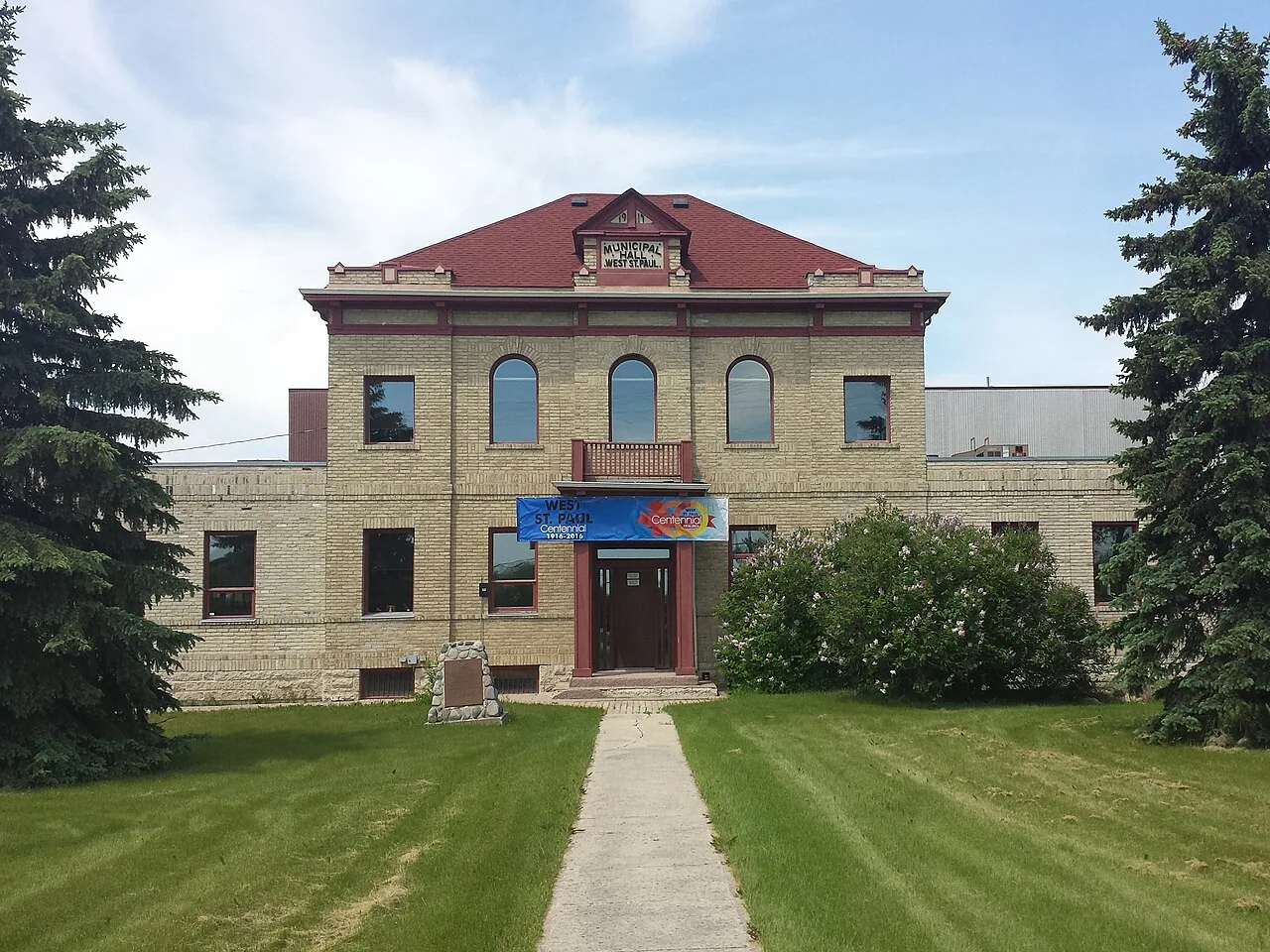
Lowertown
A roof in Lowertown, St. Paul, MN tells its history through its layers. When we cut a core beside a parapet, the sample can show how many membranes, insulation boards and surfaces have been stacked on the deck, and the dated photograph of that core records them before anyone has to guess. Lowertown's contributing historic properties include buildings from the late nineteenth and early twentieth centuries. When a property is proposed for loft, brewery or restaurant use, its installed assembly and planned equipment need a dated inspection. Recording what sits under each roof, with a moisture reading beside the core, gives the owner a written account of how the roof was assembled.
Establishing Current Layers at Sample Locations
We identify the installed system and use samples where needed to establish concealed construction at selected locations. In a district where a structure may have been reroofed several times, we count the layers, measure their thickness, test the insulation for moisture and photograph each stratum against a ruler. The deck beneath is checked for softness, rot or rust where the sample allows, and the findings are placed on a roof plan.
That record answers the owner's first practical question: can the existing assembly take another layer, or must it come off? Layer count, attachment, moisture and detail heights affect whether retention is suitable. Supporting capacity needs the appropriate structural review rather than a conclusion from layer count alone. The answer shapes a roof recover against a tear-off, and the core file justifies whichever is chosen. For a first look, a commercial roof inspection includes the cores and the photographs.
Logging What Loft, Brewery and Restaurant Conversions Added Above the Deck
A proposed conversion can introduce plumbing vents, exhaust, cooling or other service connections. We review the actual equipment layout and existing penetrations before roofing changes are planned. Each addition is a hole or a weight on a membrane that may be older than the use it now serves, and each curb or support is a place for flashing to fail.
On a first walk we catalog every penetration and unit on the roof, photograph its flashing and note whether it sits on a proper curb or on an improvised stand. Repairs to rooftop equipment curbs and supports cover the ones that have shifted or been undercut. Grease settling around a kitchen exhaust can soften some membranes, so over a restaurant we also photograph the surface for staining and log it, as with any restaurant roofing job. For an occupied loft property, management identifies the rooms and residents affected by overhead work, and apartment roofing work is staged in small areas.
Protecting the Record When a Building Is Listed or Contributing
Union Depot is a listed historic property, completed in 1923 and restored in 2012. Proposed work on a contributing or listed building needs its applicable project review arranged before material selection. Roofs on listed or contributing buildings can involve reviewers beyond the permit counter, especially where a change is visible from the street. Which approvals apply depends on the building, so the first-walk checklist includes the question, and the owner confirms the answer before material is ordered.
Meanwhile, the documentation does real work. Photographs of existing coping, cornice flashing and parapet details, with dimensions, give a reviewer something concrete and give a crew something to match. We confirm current city submission instructions and compile measured assembly, area and drainage information for the proposed scope. When a decision is needed, the file supports a commercial roof replacement case or a repair case equally well.
Scheduling Crane Picks Around Transit and Ballgames
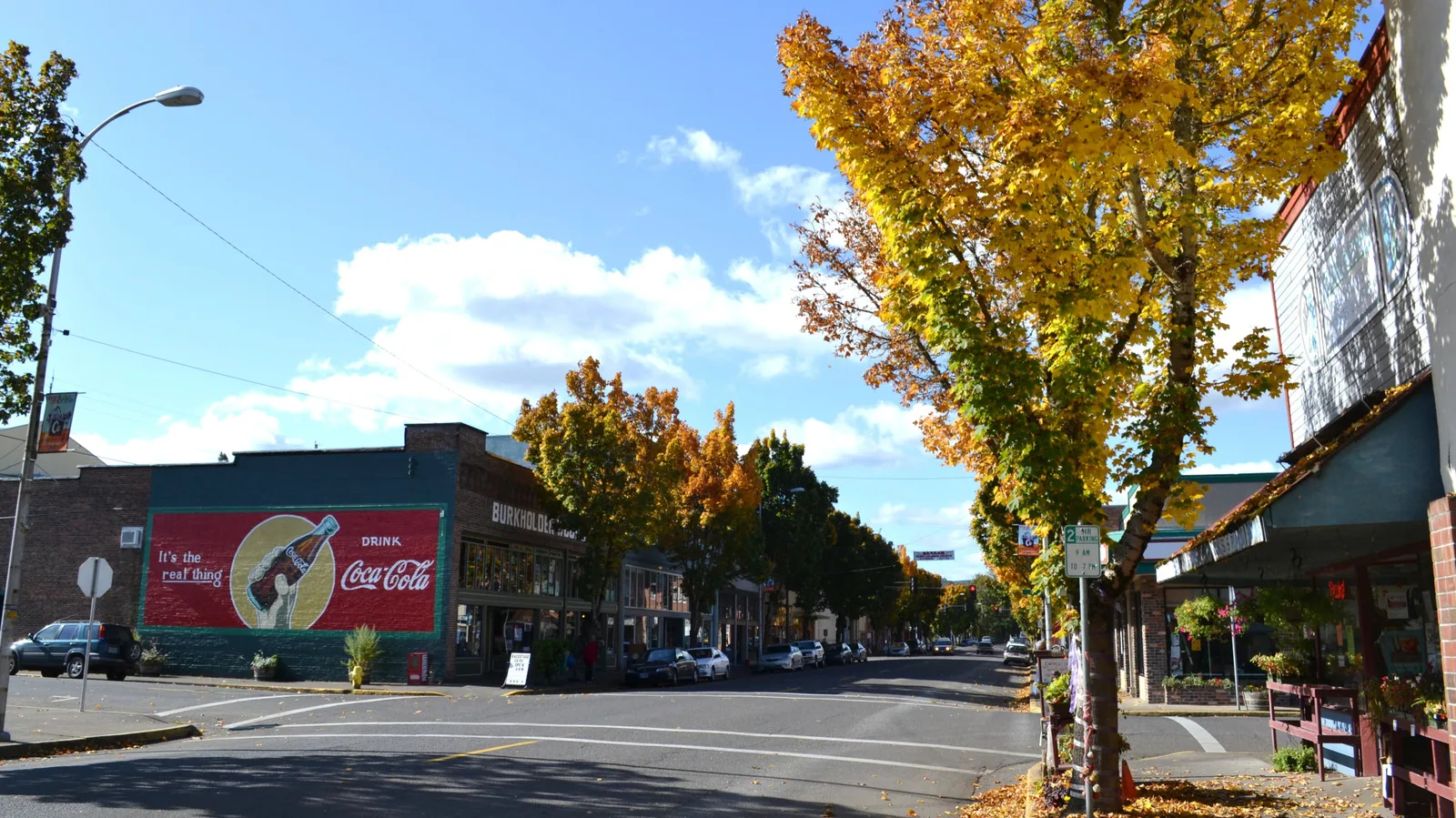
Lowertown is busy in ways that touch roof work. Union Depot is an intermodal hub for Amtrak's Empire Builder, the Metro Green Line and intercity buses, and it is the eastern terminus of the Green Line, one of five stops serving downtown. CHS Field, a 7,210-seat ballpark opened in 2015 on a long-vacant industrial site, hosts games. A crane that blocks a street at the wrong hour interferes with riders and fans alike.
For that reason a work plan names the delivery windows, the crane position, the pedestrian protection and the hours when noise is acceptable to tenants. Neighboring buildings in downtown St. Paul face similar constraints, and the same plan format serves them. If water enters a restaurant or a loft during an event weekend, a crew responds at any hour, holidays included, with temporary protection assessed against safe access, conditions and the permanent follow-up required.
Before a lift is booked, the work plan should establish the load, pick radius, landing point, street-use requirements and the hours when the operation can proceed. We coordinate roof access with the property manager and identify any rooftop equipment or occupied area that must remain clear. A crane plan is specific to the building and the load; a downtown event calendar alone does not determine whether a pick is safe or authorized. The schedule also reserves time to protect the open roof, secure materials and leave pedestrian routes usable when the crew is off the street.
Recording Winter Accumulation and Related Moisture Findings
The Twin Cities experienced severe snow and cold during 2013-14. On the inspected roof, parapets and equipment are recorded where snow accumulates. The current observations establish inspection priorities without using building age to infer drift behavior or structural margin. We measure the depth, photograph the pile and record the melt pattern at the drains, because a parapet that holds snow also holds meltwater against its base flashing when a drain is slow.
Ice dams form where heat loss through the roof assembly warms the snow above it, and the water refreezes at the cold eave. Where heat loss is suspected, we investigate accessible insulation and related assembly conditions rather than assign a cause from building age. The flashing failure repair that follows addresses the seam, with insulation correction included where the investigation establishes it is needed. An infrared moisture survey can help identify suspect moisture patterns when survey conditions are suitable, followed by confirmation where needed.
A building record for Midway can use the same dated reporting method, with its examined assembly and authorized correction kept at identifiable roof positions.
Questions We Hear
What does a core sample tell an owner that a walk across the roof cannot?
It reveals the layers beneath the surface: the membrane or membranes, the insulation, and whether the insulation is wet. A roof that looks sound from above may hold saturated board below, and appropriate confirmation work can establish local construction and moisture condition.
Does converting a historic building to lofts change what its roof needs?
We assess the roof connections required by the proposed services and equipment before and after installation. We catalog each vent and unit, check the flashing and refer loading questions for structural engineering review where required. The result is a dated record the owner can show a lender.
Who must approve a roof change on a listed or contributing building?
Before any material is ordered, the owner should confirm which reviews apply, and the answer varies by building and by what is visible. We put the question on the first-walk checklist and prepare photographs and dimensions of the existing details so a reviewer can act quickly.
How is roof work scheduled when a game or a train arrival is drawing a crowd?
Deliveries and crane picks move to hours when streets and sidewalks are quiet, and pedestrian protection goes up before the first lift. We agree the plan with the building manager in advance, and an event calendar shapes the week rather than interrupting it.
What happens to a membrane under a restaurant exhaust fan over time?
Grease that settles from the fan can soften some membranes and discolor the surface. We photograph the staining, test the seams nearby and recommend a protective pad, a grease trap on the fan or a surface that tolerates the exposure. The log shows how fast it is changing.