
Commercial Roofing in the Midway, St. Paul, MN
Inspection, repair and replacement for light-industrial and office roofs in the Midway business centers of St. Paul, MN, with dated condition records.
Request a Roof Assessment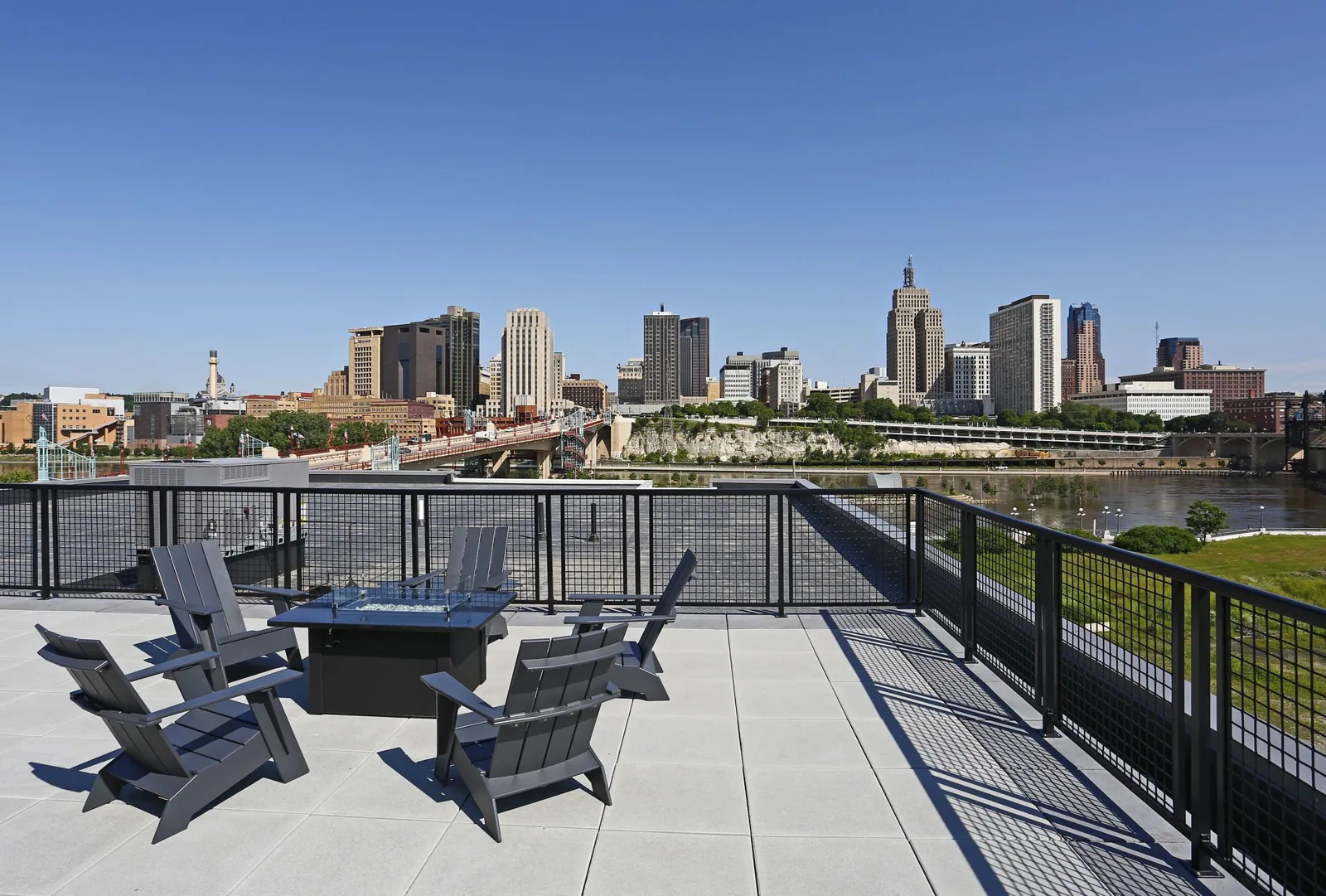
Midway
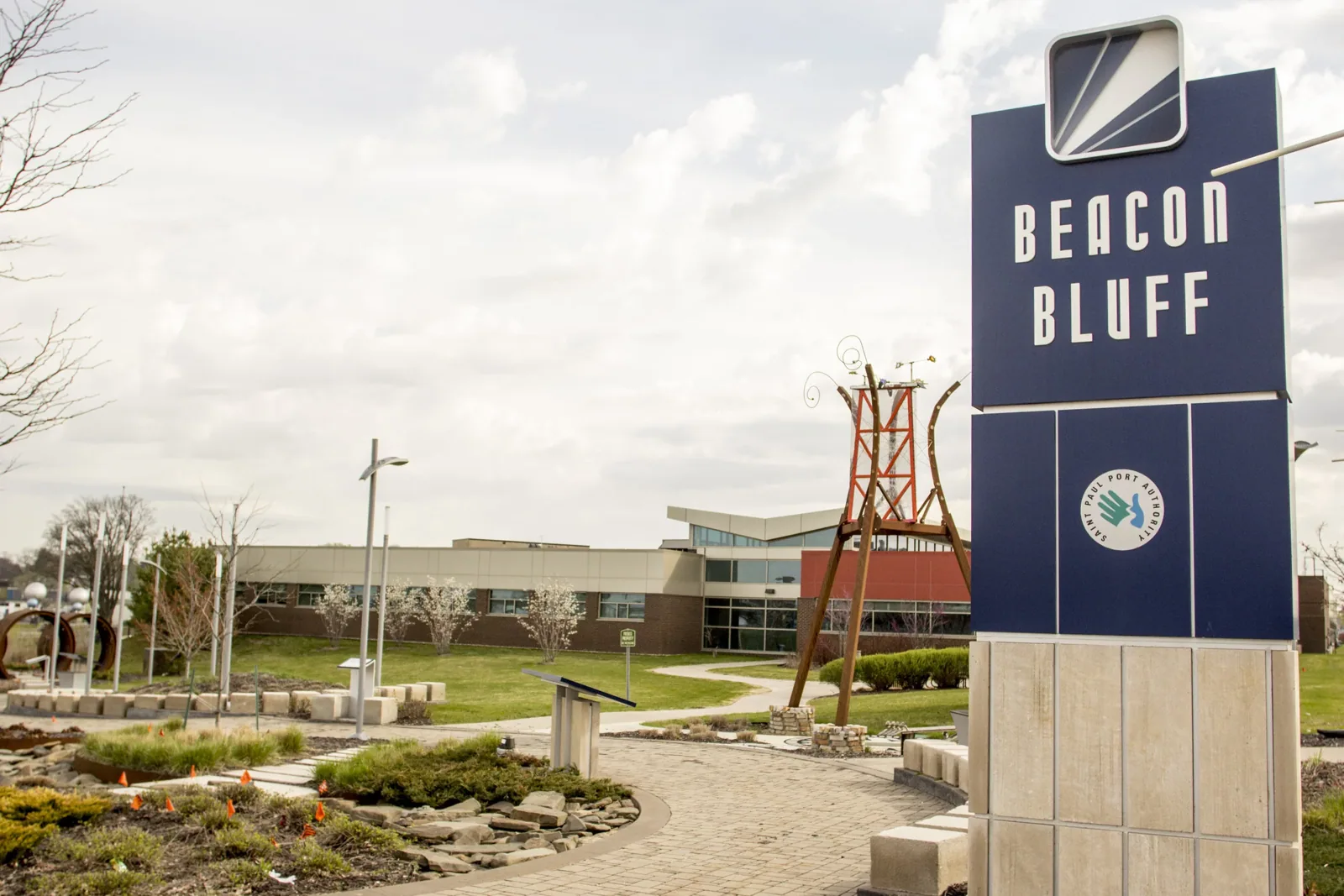
Light-industrial buildings and office buildings share the Midway's Port Authority business centers in St. Paul, MN, and the inspection log for each one opens with different entries. The Westgate center covers 56 acres and 55 businesses at University Avenue and MN-280, and the Midway center covers 46 acres and 43 businesses. Both hold a dense mix of the two building types, so an inspection plan needs to account for both occupied offices and industrial operations. We record installed roof material, equipment and drainage separately for the property being assessed.
The district grew around rail. The Minnesota Transfer Railway reached its western edge in 1883, and the industry on the northern border later gave way to the redevelopment now known as Energy Park. On the former Metro Transit bus barn and Snelling Shops site, north of I-94 between Snelling Avenue and Pascal Street, Allianz Field opened in 2019 as a privately financed, 19,400-seat soccer stadium. The service plan records the property entrance and operating contacts before work near an active venue or business center is scheduled.
Recording Section Construction Before Repair Pricing
On a first walk we divide the roof into sections wherever the surface changes, since a building that has been extended may have a different membrane, a different number of layers and a different drain pattern from one end to the other. Samples where appropriate establish construction at their locations. Mapped moisture findings direct closer investigation and confirmation, with limits recorded where layers remain concealed. We photograph the cores with a tape beside them and file them with the roof plan.
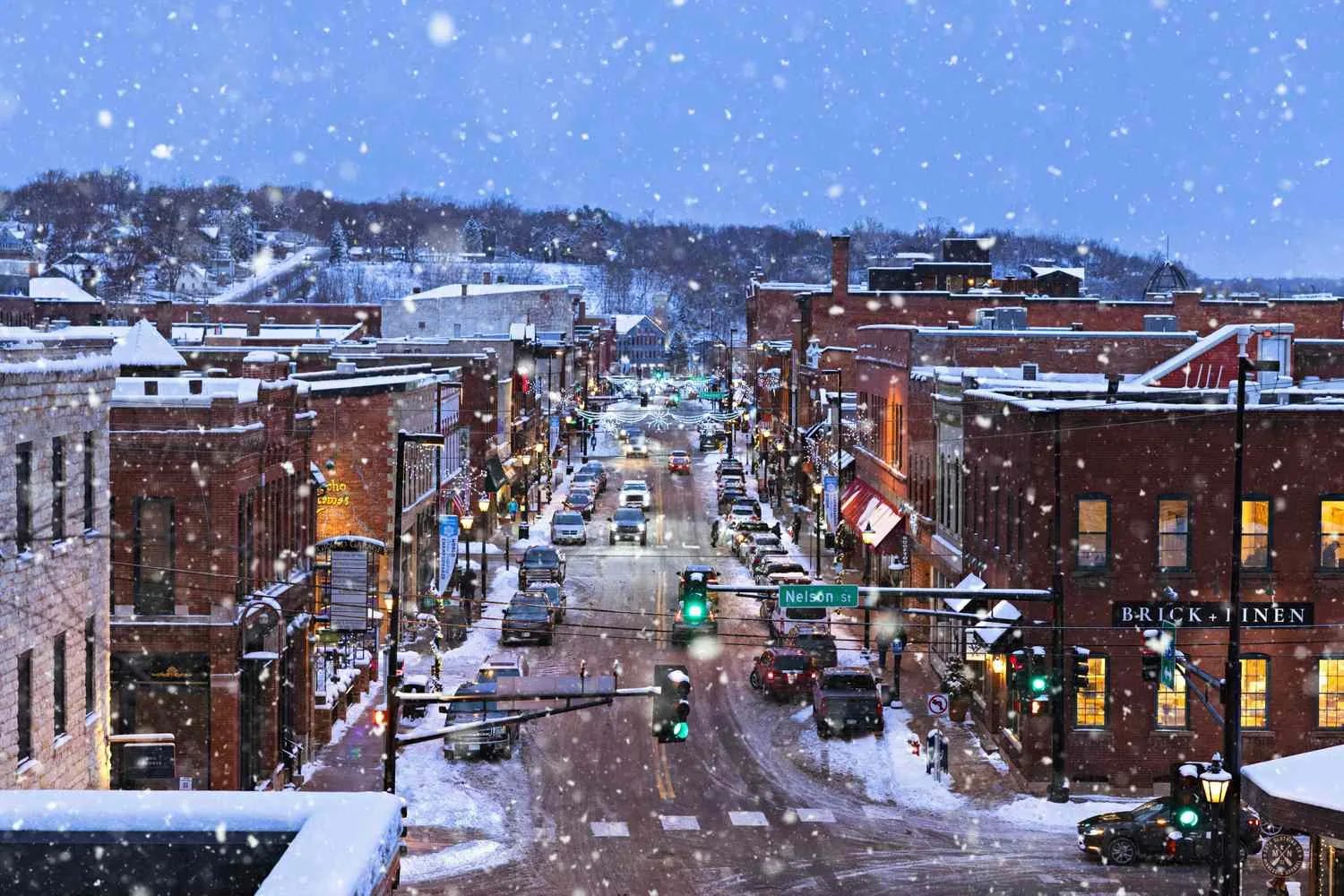
Snow is part of that record. Repeated Twin Cities snow and thaw cycles make drift locations and outlet condition useful winter records. Depth measurements document the pattern; engineering assessment is needed for questions about weight and structural capacity. Wherever a taller section rises beside a lower roof, or rooftop units stand in a row, wind can redistribute snow into concentrated accumulations. We measure those drifts, mark them on the plan and watch what happens to the drains when they melt.
Reading Industrial and Office Roofs as Different Problems
The two building types ask for different checks. On an office roof we look hardest at rooftop units, curbs and pipe penetrations, since tenants and mechanical trades visit them and every visit can disturb a flashing. On a light-industrial roof we look for exhaust stacks, make-up air units and any penetration a tenant's process has added, because each one is a flashing that has to keep out water through winter movement.
When a building changes hands or a tenant moves in, the use below a roof can change faster than the roof. We log every penetration, mark the ones that are no longer in service and flag those that were cut in without a proper curb. That inventory underlies repair work on flex and light-industrial roofs, and it carries over to office building roofing when the same property has both in one center. Our written findings sort each defect into a failed detail, a draining problem or spreading wear, with a photograph of each.
Keeping One Dated File Across a Multi-Tenant Center
Where many businesses operate inside a single business center, a roof question quickly becomes a question about who is responsible for which surface. The condition record supplies repair evidence, while management reviews responsibility against the applicable agreements. If a tenant reports a leak, the file shows whether the section above that suite was already flagged, what the readings were and what was repaired.
Property managers who oversee several buildings use the same file to compare roofs and rank them. Our approach to roof programs for property management companies puts each building on one scale, with the same fields for age, layers, moisture and drainage. Before a proposed reroof, we confirm the city's current review requirements and compile the roof measurements needed for that scope. We count and size the drains during the first walk, so those numbers are measured before anyone sits down to write the application.
Selecting Restoration or Removal from Assembly Findings
A coating works only when the roof under it is sound and dry, so the moisture map comes before any conversation about coating and restoration. Confirmed wet material near penetrations needs removal or a defined corrective scope before restoration is considered. A recover over the existing membrane makes sense when retained construction, attachment and detail heights are suitable for the proposed assembly. Widespread saturation points to tear-off.
A retained assembly needs review of attachment, moisture, drainage and applicable project requirements before a recover is priced. Insulation and connection changes are identified with the proposed work rather than assumed from surface appearance. Cost then follows the number of layers to remove, the amount of wet material, the drains and the access to the roof. On occupied buildings, the tenant's hours and the building's air intakes shape the order of work. The result is a scope written in lines that match the findings, so each line can be accepted, deferred or changed.
Documenting Storm Damage Along the Transit Corridors
The Metro Green Line opened in 2014 along University Avenue, the Midway's main commercial corridor, and the Metro A Line runs along Snelling Avenue. A building along either line that begins to leak after a storm needs its entry point located quickly, before more insulation soaks through. The July 2025 severe Twin Cities weather provides context for a dated storm review. We document the affected material on the Midway property, including any intact areas needed for comparison.
After an event like that, we photograph displaced edge metal, bruised membrane and punctures before debris is cleared, and we log moisture readings in the affected sections. Our crews respond to emergency roof repair calls around the clock, holidays included. The same dated record is useful later, when an adjuster asks for the condition of the roof before the loss. Owners with buildings in neighboring Energy Park or in downtown St. Paul follow the same sequence.
Questions We Hear
Does a newer building on a redeveloped Midway site still need a roof record?
An early condition record gives later inspections a defined comparison point. We photograph the surface, log the penetrations and record the drains, so any change after a storm or a tenant fit-out can be measured against it.
Who arranges roof access when several businesses share one business center?
The property manager or owner does, usually with notice to the tenants whose suites lie below the work. We ask for contacts, hours and any areas with air intakes or sensitive equipment, then set the sequence so that each tenant knows when the crew is overhead.
What shows whether a coating is realistic for an older flat roof?
Moisture mapping and adhesion tests do. If the insulation is dry and the membrane holds the test patches, a coating becomes a reasonable option. Confirmed saturated material needs correction before retention. The repair or replacement scope also considers attachment, details and supporting condition.
Which details get attention before the first snow?
Drains and sumps come first, since a blocked drain turns meltwater into a pond behind a drift. After that we check edge metal, curb flashings and sealant at penetrations, then clear debris from scuppers. Each step is logged with a date so spring can be compared against fall.
Why do two buildings with the same membrane need different repairs?
Age, the number of layers, exposure and the equipment on the roof all change what a repair has to do. A seam that has opened on a thin, aged sheet calls for a different fix than the same opening on a newer one, so every repair follows the core and moisture findings for that building.