
24/7 Emergency Roof Repair in St. Paul, MN
Emergency roof repair calls in St. Paul, MN are accepted around the clock, with feasible protection assessed and damage recorded for repair and claim review.
Request a Roof Assessment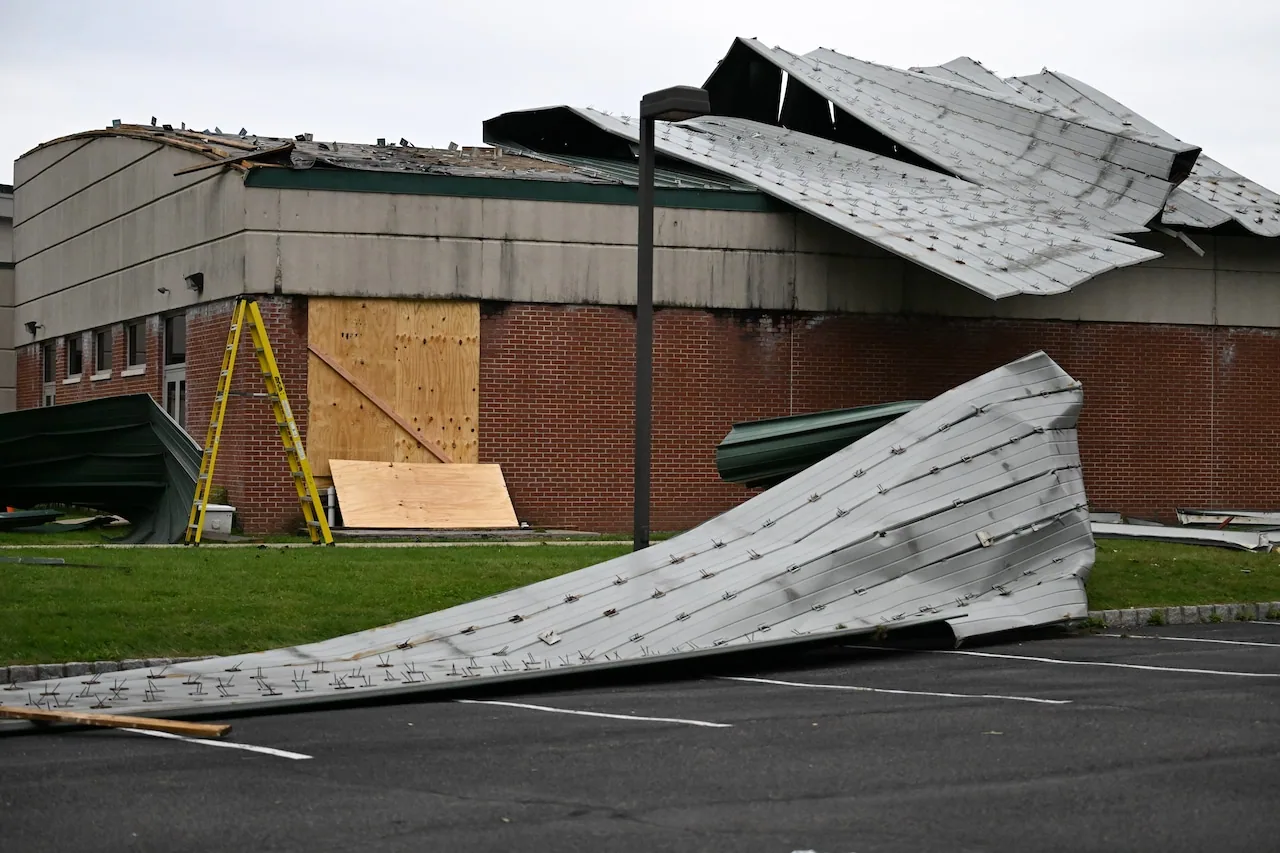
24/7 Emergency Roof Repair
The first photograph on an emergency call is taken before anything is touched. A torn membrane flapping at a parapet, a section of edge metal bent back by wind, a skylight that took a limb: each is recorded as found, with a time stamp, before the crew starts to cover it. That untouched record is what the insurer will want to see, and it cannot be recreated once the tarp is down. We respond day or night, every day of the year including weekends and holidays, and the documentation begins the moment the crew is on the roof.
Photographing the Damage Before the Tarp Goes Down
When we arrive, the crew walks the affected area and the surrounding roof to learn how far the damage extends. We record the open areas, the displaced membrane, the torn flashings and any debris. Moisture readings near the opening identify suspect areas for confirmation, and interior photographs are taken if the owner can give access below.
This survey is brief and deliberate. Its extent follows the available access and urgency. Documentation is collected when safe without delaying needed protection of people and contents. The information is also what lets us choose the right dry-in method for the roof type, whether the roof is a single-ply membrane, a built-up system or a metal panel roof.
Selecting Temporary Protection and Recording Its Limits
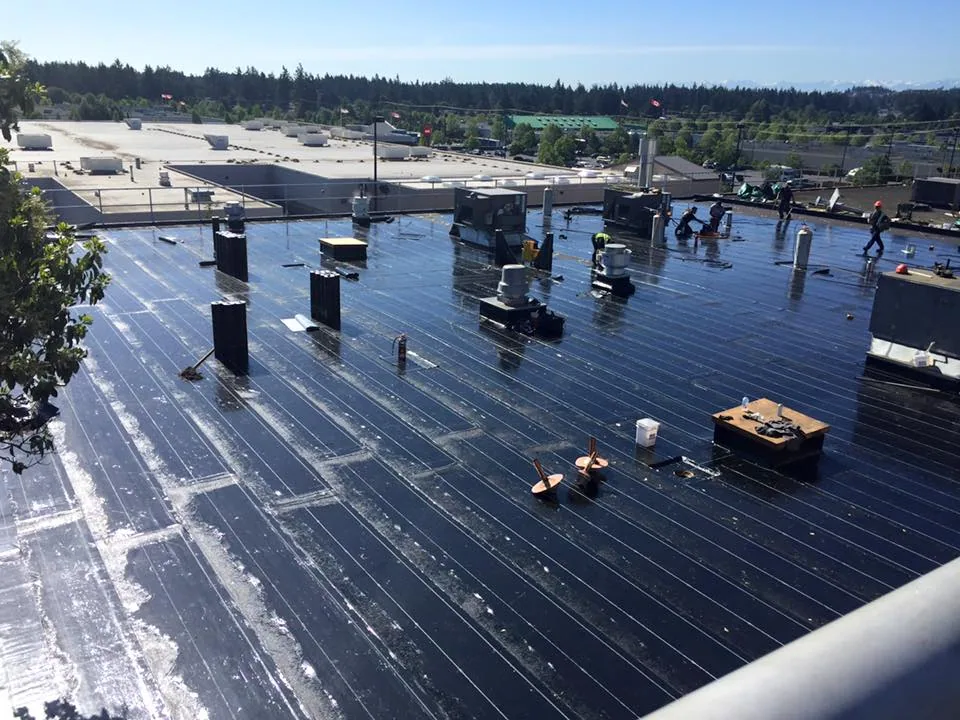
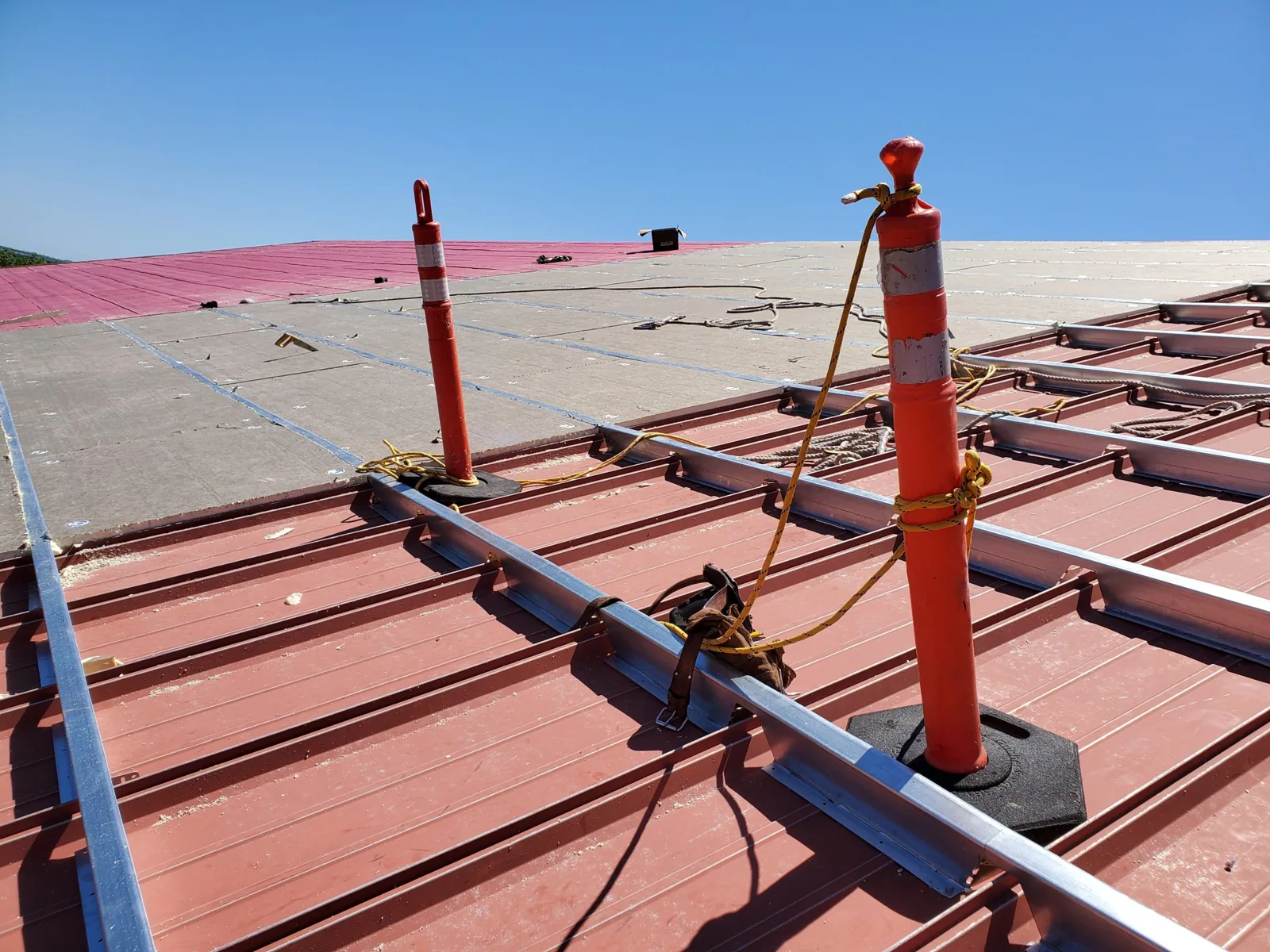
The urgent job is to stop water from entering. Depending on the damage, that means tarping the opening, securing loose membrane, sealing exposed edges, covering damaged skylights or temporarily patching a hole in the deck. Temporary attachment is planned for sound supports, loading limits and expected exposure, because a loose tarp in a Minnesota storm causes new damage.
Each temporary measure is recorded: what was used, where it was placed and how it was secured. The log marks the measure as temporary and lists the permanent repair it will lead to. The owner also needs a return date, a contact route if protection fails and the observations that would justify earlier reassessment. Exposure limits remain part of that record. If the leak is already inside the building, interior observations are checked after protection is installed. Wet materials can remain wet after entry stops, so a meter reading alone cannot verify leak closure. For leaks that are not urgent, planned leak tracing and repair follows a slower, more detailed process.
Responding After Wind, Hail and Tornado Events
Severe weather is a real part of the roofing calendar here. July 2025 metro storms brought widespread outages and flood warnings that included St. Paul, Woodbury and Maplewood. A separate May outbreak affected west central Minnesota and western Wisconsin. Those regional reports inform preparedness, but they do not prove a tornado track, hail size or wind speed at the building being assessed.
After such events, the damage varies widely. Wind lifts edges and peels membrane. Hail bruises or punctures it. We record the lifted edges and displaced caps of a wind-damaged roof and the bruises and punctures of one with hail damage, and a tornado-damaged roof gets the same photographic discipline plus a structural check.
Handling Winter Failures at Drains, Eaves and Edges
Winter emergencies look different. Ice can block a drain, and the meltwater then backs up beneath flashing. An ice dam at an eave can force water under edge metal and into the wall. A cold snap on the scale of the 2013 to 2014 winter, which brought 69.8 inches of snow and a low of minus 23 degrees, tests every seam, fastener and sealant on the roof.
We record where the ice sits, where the water has entered and what the conditions are, then do what the weather allows. In deep cold, a temporary dry-in may be the only step, and we say so in writing. The permanent repair is scheduled as soon as adhesives and welds can perform.
Prioritizing Buildings Where Interruption Costs the Most
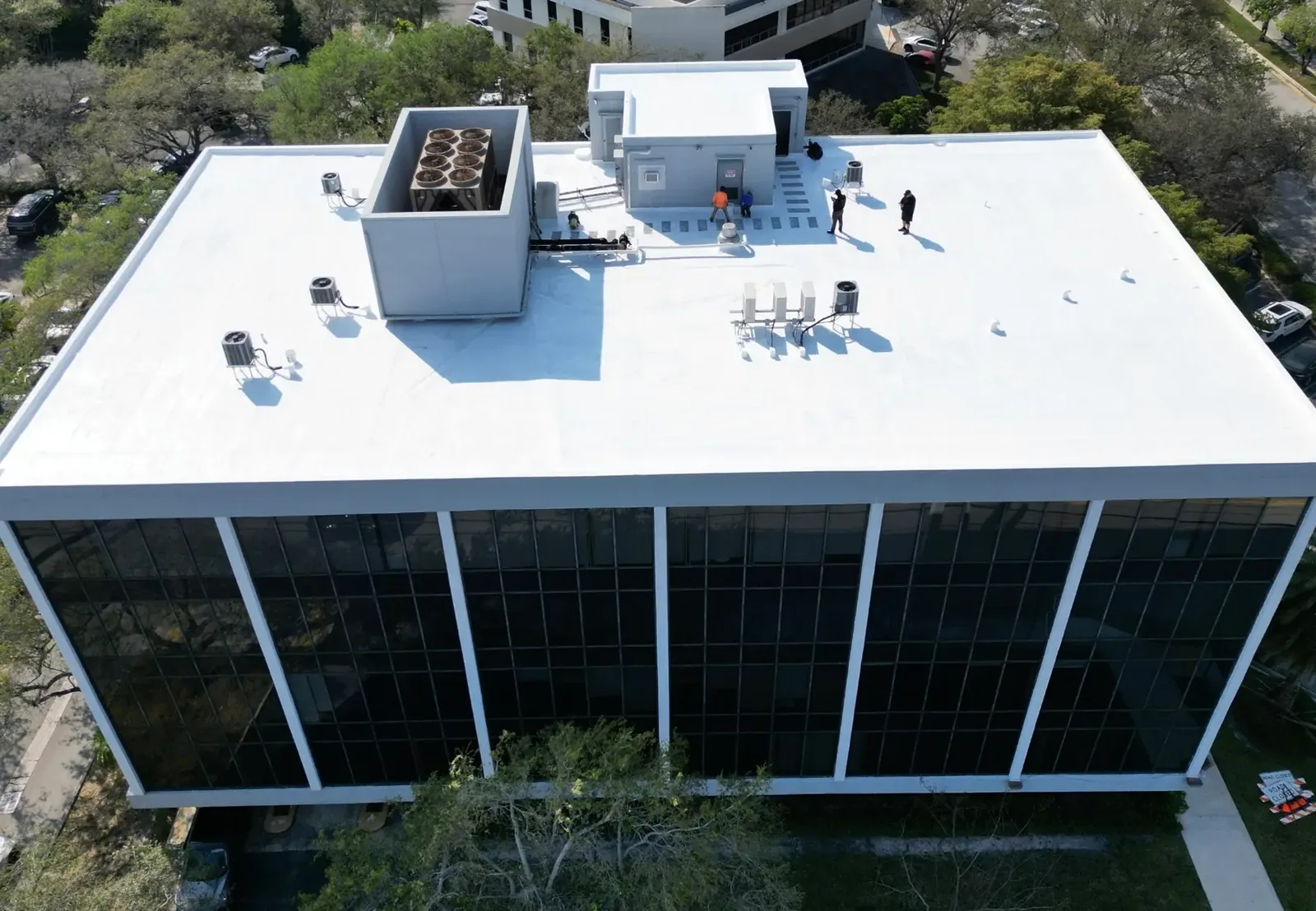
A roof failure at a hospital, a data room, a cold storage facility or a food plant has consequences that go beyond water damage. Regions Hospital in downtown St. Paul, the light-industrial and office buildings of the Midway, and the corporate campus and logistics roofs in Eagan are examples of places where an hour of delay matters.
On arrival, we ask what is under the damaged area and what cannot be interrupted. That determines the order of work, the access route and who needs to be informed. For a hospital roof, we coordinate with facility staff on containment and noise before the crew starts.
Where water threatens electrical equipment, medical functions or occupied rooms, coordinate the initial response with the facility’s safety and operations contacts. Limit access beneath an active leak when needed, protect movable contents only when safe, and record who accepted each temporary measure. These steps help the owner manage the immediate interruption while a qualified crew assesses the roof condition.
Building the Claim File While the Work Proceeds
An emergency repair is often the start of an insurance claim. The adjuster will want the date and time of the event, photographs of the damage as found, evidence of the temporary measures and a written account of the roof's condition. We assemble that file as the work proceeds, with any gaps or uncertain causes identified for follow-up.
Our roof insurance claim assistance and storm damage roof repair pick up where the emergency visit leaves off, with a full inspection, a repair scope and a record of repair that links the damage to the cause.
Before mobilization, we coordinate authorized entry, safe work areas and any interior spaces or equipment needing immediate protection. We agree how the building contact can report new water, who receives progress photographs and when temporary measures will be checked after a weather change. Emergency stabilization and permanent reconstruction remain separate decisions, so urgent protection does not silently define the final repair scope.
Questions We Hear
What can an owner safely do while the crew is on the way?
Photograph the damage and the interior, move valuable items and equipment out of the wet area, and keep people clear of unsafe sections. Do not climb onto a damaged roof. Tell us what lies beneath the damage and where the roof access is, so the crew can go straight to the work.
How fast can you respond to an emergency call?
We answer calls at any hour and every day of the year. Travel time depends on where we are and on the weather, so we give a realistic arrival window when we take the call instead of a promise we may not keep. The first priority is to stop water from entering the building.
Is a tarp a permanent fix?
No. A tarp or temporary patch offers limited protection that can fail with exposure or attachment problems. Its inspection interval and expected use need to be recorded. We label it as temporary in the record and schedule the permanent work. The record matters because insurers and later owners need to see that the emergency measure was followed up.
Will insurance cover emergency repairs?
Coverage is a matter between the owner and the carrier, and policies differ. Many policies expect the owner to prevent further damage, and the photographs and invoices we provide document that effort. We recommend notifying the carrier early.
What if the damage is too severe for a simple dry-in?
The deciding factor is structural safety. If the deck or framing looks compromised, we stop, record what we see and advise the owner to bring in a structural engineer before more weight goes on the roof. Safety comes before speed.