
Tornado Damage Roof Repair in St. Paul, MN
Tornado damage roof repair in St. Paul, MN: a mapped debris field, deck and framing checks, temporary closure and a dated file for the adjuster.
Request a Roof Assessment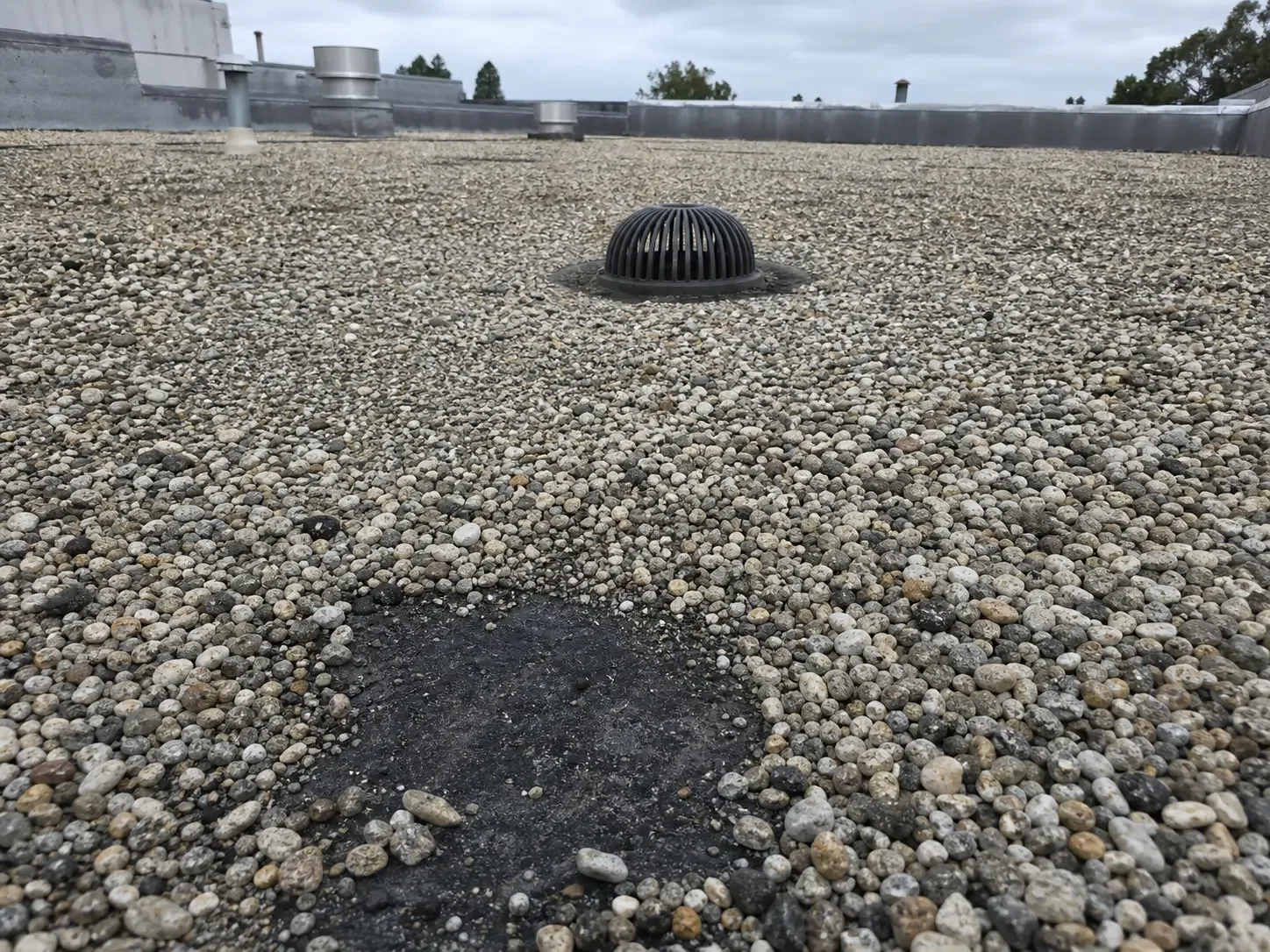
Tornado Damage Roof Repair
Debris is the first witness on a tornado-struck roof, and it moves as soon as cleanup starts. Sheet metal wrapped around a rooftop unit, a section of membrane lying in the parking lot, insulation board scattered across an adjoining property: piece locations support the loss record, although later wind and cleanup can move debris and limit reconstruction of the sequence. We photograph and number the field before anything is carted away.
For St. Paul, MN owners, the May 2025 outbreak in west central Minnesota and western Wisconsin is regional preparedness context. It does not establish that a tornado crossed the city or that an individual property received the reported large hail. A building owner facing a tornado loss has a larger, more tangled claim than an ordinary wind or hail event brings, and the file has to carry more weight.
Mapping the Debris Field and the Uplift Zones
We begin outside the building, photographing the roof from every side and marking the places where material ended up. Then we climb, once the structure is cleared, and trace where the roof first let go. A damaged covering does not always reveal its first point of failure. The membrane or panels lift at a corner, along a leading edge or at an opening where pressure builds inside, and the failure then travels along the line of weakest attachment. Tears and exposed deck are mapped as observations. Reconstructing the failure sequence may require engineering review and earlier condition records.
Every uplift zone is numbered on a roof plan, measured and photographed, with the remaining membrane noted on either side. Where roof sections are missing altogether, we record the exposed deck, the insulation left behind and any structural members that have shifted. That plan becomes the base document for every later discussion: the temporary closure, the engineer's review and the scope of repair.
Clearing the Deck and Framing Before Anyone Loads It
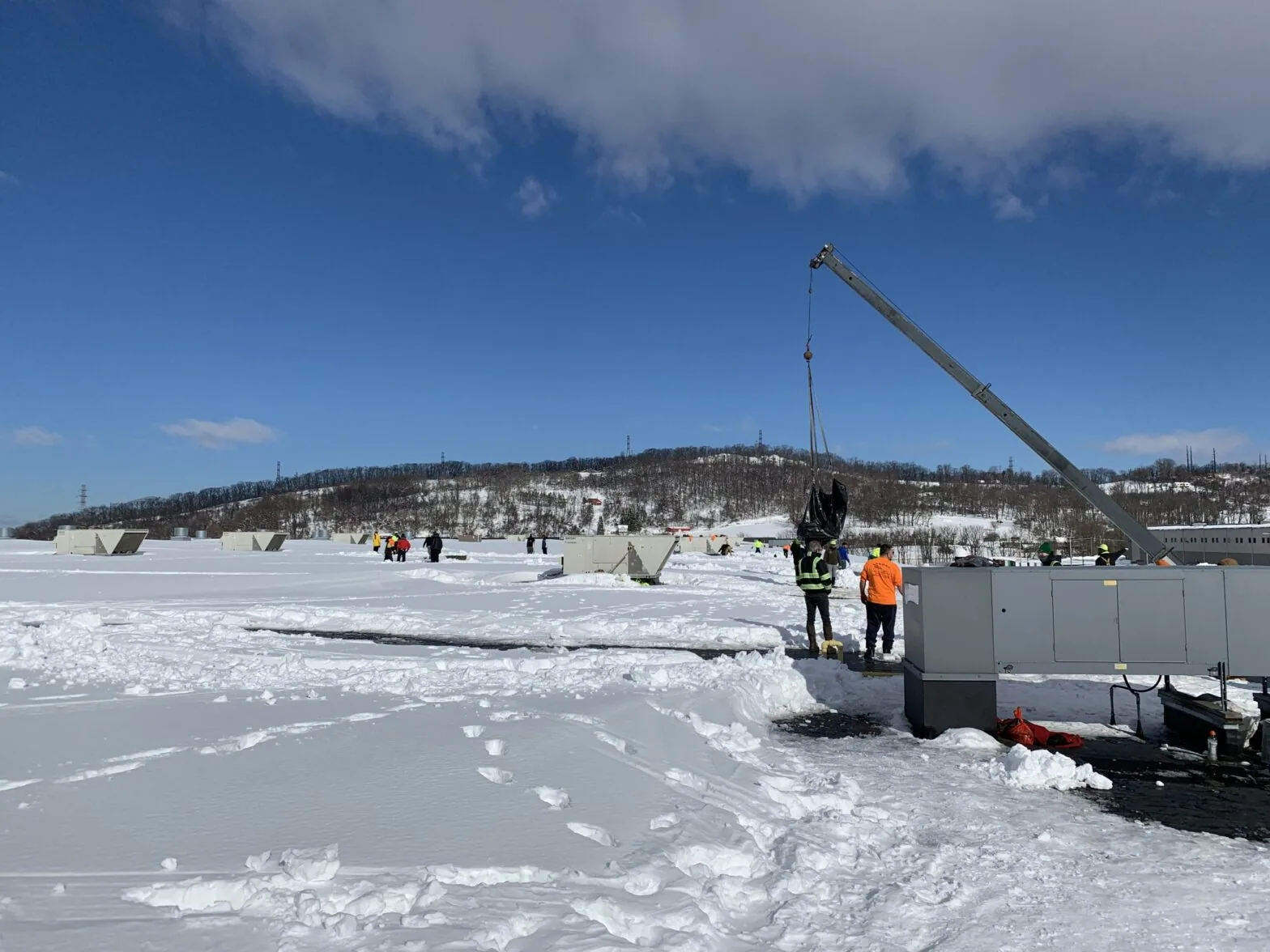
A roof that has lost part of its covering has also lost part of its protection against snow. A county ground-snow value cannot establish the capacity left in damaged framing. Bent framing, lost fasteners and displaced supports require structural assessment before access, storage or snow clearing. Before we place equipment or stockpile materials, we ask the owner's structural engineer to review the framing, and we photograph every bent purlin, loose deck panel and displaced connection.
This check also applies to the wall tops and parapets. A parapet that has leaned or cracked can drop masonry onto a sidewalk, and the roof edge beside it will not take the weight of a lift or a loaded hand cart. Our emergency roof repair crews respond at any hour, and they work from the engineer's markings, not from assumptions.
Separating Uplift From Impact in a Combined Loss
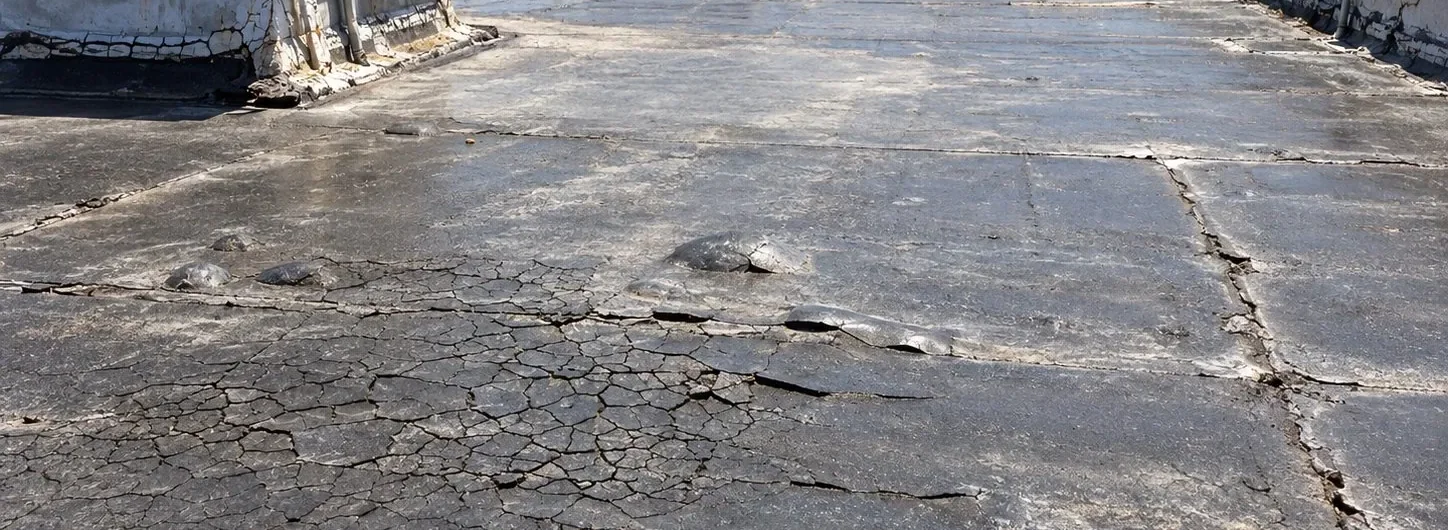
A tornado delivers several kinds of damage at once. There is uplift, when the pressure above the roof falls and the covering lifts off. There is impact, when objects thrown by the wind strike the surface. There is penetration, when something sharp or heavy passes through. And in the outbreaks seen across the Upper Midwest, there can be hail as well. Each one leaves a signature, and an adjuster will want each described.
We sort the findings by type, then by cause. Tears that follow a fastener line indicate uplift. Round or irregular holes with crushed material around them indicate impact. A clean linear cut may be a flying sheet of metal. Scattered bruises may warrant hail investigation, but pattern alone does not establish the cause, and the hail damage method of test squares and cores applies. For lifted edges and fastener rows that did not fail entirely, wind damage procedures apply.
Protecting Open Roofs and Wet Interiors in the First Week
Water is the first aftershock. A tornado-struck building often has openings that cannot be tarped in an hour, and rain, snowmelt or a thaw will find them. We stabilize the building in stages: first, control access and protect people; then coordinate contents protection with the owner and assess temporary roofing on engineer-approved supports. Interior observations are recorded separately without assuming every water stain resulted from the tornado.
That work matters for buildings that hold things of value. The Minnesota State Fairgrounds in Falcon Heights cover 322 acres, and its buildings, from the Warner Coliseum completed in 1951 to the livestock barns, are rented year-round for events, storage and commercial uses. Any such building that loses part of its roof has stored goods and event equipment to protect as well as a structure. We log what is covered, when and by what method, so the carrier has a complete account of the steps taken to limit the loss.
Rebuilding to Code and Keeping the Claim File Complete
A permanent repair after a tornado goes through the building code. The designer confirms the applicable adopted code and referenced wind-load standard for the repair scope. The approved assembly must address project-specific pressures and attachment, not simply replace sheets by appearance. A commercial flat-roof re-roof in the city goes to plan reviewers instead of express online permitting, and the submittal names the roofing material, the area and the drain size. We assemble those details early so the permit is not the last item holding the work.
The claim file brings everything together: the debris map, the engineer's findings, the temporary protection log and the repair scope. Our roof insurance claim assistance keeps these in order for the adjuster. For institutional sites, such as the Minnesota Army National Guard's Arden Hills Army Training Site with its 64,000-square-foot readiness center, base access and escort rules affect scheduling, and the same discipline applies to National Guard armory roofing. Where the loss reaches a full tear-off, commercial roof replacement is the next step, and we work with owners in Arden Hills and across the east metro to plan it.
Questions We Hear
Can a tornado-damaged roof be repaired, or does it need replacing?
The answer follows the extent of the uplift. A limited tear near one edge with sound membrane and dry insulation elsewhere can often be repaired. A roof that has lost large sections, or that shows widespread fastener failure, usually points to replacement. The numbered plan shows which case applies.
How do we protect stored inventory under a roof that has opened?
Move what can be moved to a dry area, cover what cannot with sheeting, and photograph everything before and after. We assess feasible roof protection within the structural and weather restrictions while the owner handles contents, and the dated images support both the roof claim and any claim for contents.
Does tornado damage get documented differently from wind damage?
Yes, because it involves more types of damage and a debris field that needs mapping. We add the debris plan, the structural findings and a separate log for impact and penetration. The wind file alone would leave out evidence an adjuster expects to see.
Why does the engineer need to review the framing first?
A deck that has shifted can fail suddenly under the weight of crews, equipment or snow. The engineer's review identifies which areas can be walked and which need shoring. We follow those markings and record them in the file.
How long can a temporary roof stay up?
Its service interval depends on the materials, attachment, support and exposure; there is no universal safe number of weeks. Temporary coverings loosen with wind and freeze-thaw cycles, so we return after storms and thaws to check each fastener and seam.