
Commercial Roofing in Highland Park, St. Paul, MN
Commercial roof inspection, repair and replacement in Highland Park, St. Paul, MN, from Highland Bridge to St. Catherine University, with dated records.
Request a Roof Assessment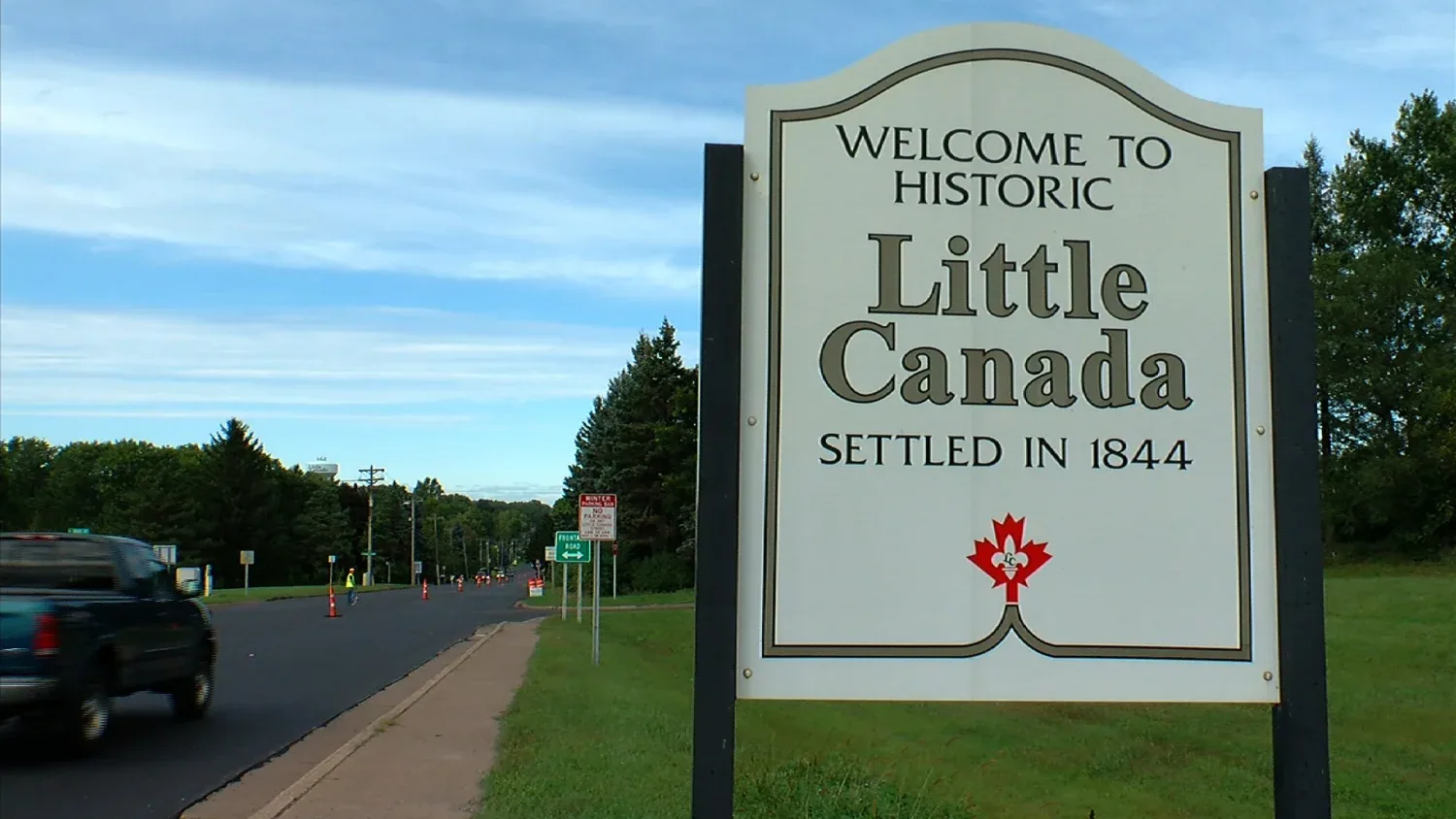
Highland Park
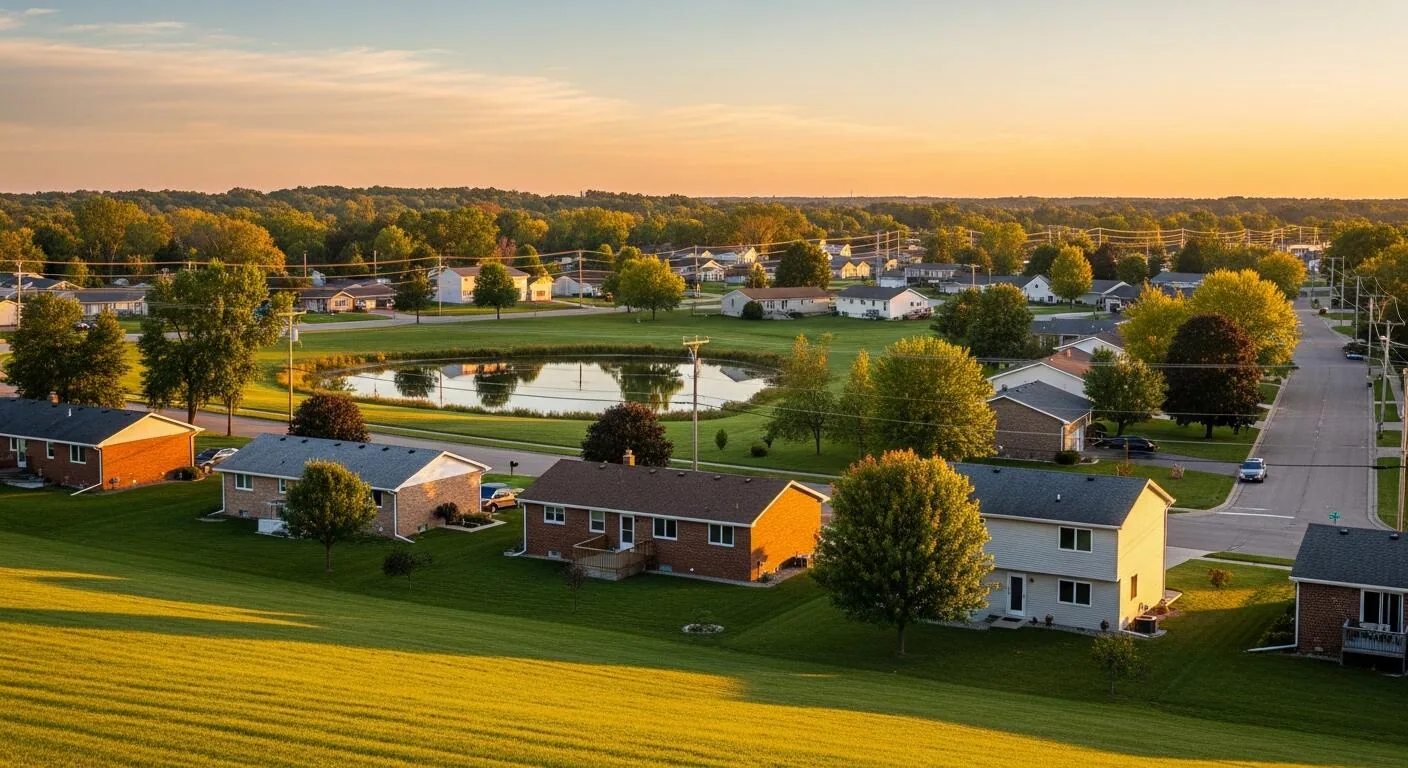
The first thing we record on a roof in Highland Park, St. Paul, MN is where the membrane meets its edges: the coping, the parapet flashing, the drain sumps and the lap lines of the seams. Highland Park holds very different buildings side by side, from the grounds of St. Catherine University to the Highland Bridge redevelopment on the former Ford assembly-plant site. Each inspected property needs a record of its present assembly and condition. A brand-new roof needs a baseline. A roof of long service needs a measured account of what remains. Either way, dated photographs and moisture readings let an owner, a lender or an adjuster read the roof's history without relying on anyone's memory.
Recording a Baseline on New Construction at Highland Bridge
The former Ford plant operated until 2011, and Highland Bridge plans include housing, commercial and retail uses. For a newly completed roof, we record its installed details as a baseline. For retained construction, the inspection documents current defects and previous repairs where records are available. On a first walk of a newly finished roof we photograph the field, each penetration and every flashing termination, take baseline moisture readings and log the drain locations and sizes.
That habit pays off in the third winter, when a tenant reports a stain and nobody remembers the roof's first condition. The baseline helps compare membrane changes with nearby fittings, while the current inspection investigates the water path. Mixed-use properties can have different agreements for roofing, units and amenity areas. Management reviews responsibility against those agreements. The dated record identifies work and alterations at the inspected connection.
Reading Wind Exposure and Drift Lines on High Ground
The Highland Park Water Tower was begun in 1927 on the city's highest point, and the neighborhood as a whole sits along the Mississippi near Fort Snelling, across from Minneapolis-Saint Paul International Airport. Any roof on open, high ground takes wind differently from one tucked among taller neighbors. Corners and edges see the hardest uplift, so a perimeter that was thin on fasteners or edge metal shows it first. During a walk we press along the termination bar, pull gently on the coping and photograph each place where the metal has opened a hairline gap.
Snow follows the same logic. Wind can redistribute roof snow beside parapets or penthouses. We record its location and depth; those observations do not establish weight or available structural capacity. We measure those drifts and log them. Repeated accumulation locations become inspection points for drainage during thaw. Water flow and supporting capacity still need their own assessment.
Weighing Repair, Coating, Recover and Replacement by Findings
The choice among patching, coating, recovering and replacing begins with the core sample and the moisture map, not with the roof's age alone. A membrane over dry insulation with sound seams may be a candidate for repair or roof coating restoration. A membrane over wet insulation is not, because a coating applied over a wet assembly seals the water in. Where the assembly is sound but the surface is worn, a roof recover avoids the tear-off. Where damage makes retention unsuitable, commercial roof replacement is the defensible answer.
Cost reflects removed layers, required insulation, access and rebuilt penetrations. We review the proposed assembly against applicable building and energy provisions and confirm the city's current submission requirements. Measured roof area, material and drainage information support that review. An owner with those figures in the file before filing avoids the delay of hunting for them.
Preparing the Claim File After Hail and Straight-Line Wind
St. Paul was included in flood warnings during the July 2025 Twin Cities severe weather. The post-event inspection records actual roof damage at the property rather than assigning regional observations to its surface. After a storm like that, the surfaces to check first are exposed membrane, soft metal and skylight domes, where hail leaves bruises, dents and cracked lenses. Impact marks need close evaluation for splits, punctures or underlying damage. Visible bruising alone does not establish delayed leakage or a replacement requirement.
We photograph each strike zone beside a test square, record the moisture reading beneath it and write the findings in plain language an adjuster can follow. The file is strongest when it also holds an earlier dated record, because a before-and-after comparison separates storm damage from ordinary wear. Where a claim is open, our roof insurance claim assistance is evidence work: photographs, readings and a record of repair. Bruised membrane and dented flashing are handled as hail damage roof repair, one strike zone at a time.
Scheduling Work Over Classrooms, Apartments and Retail Units
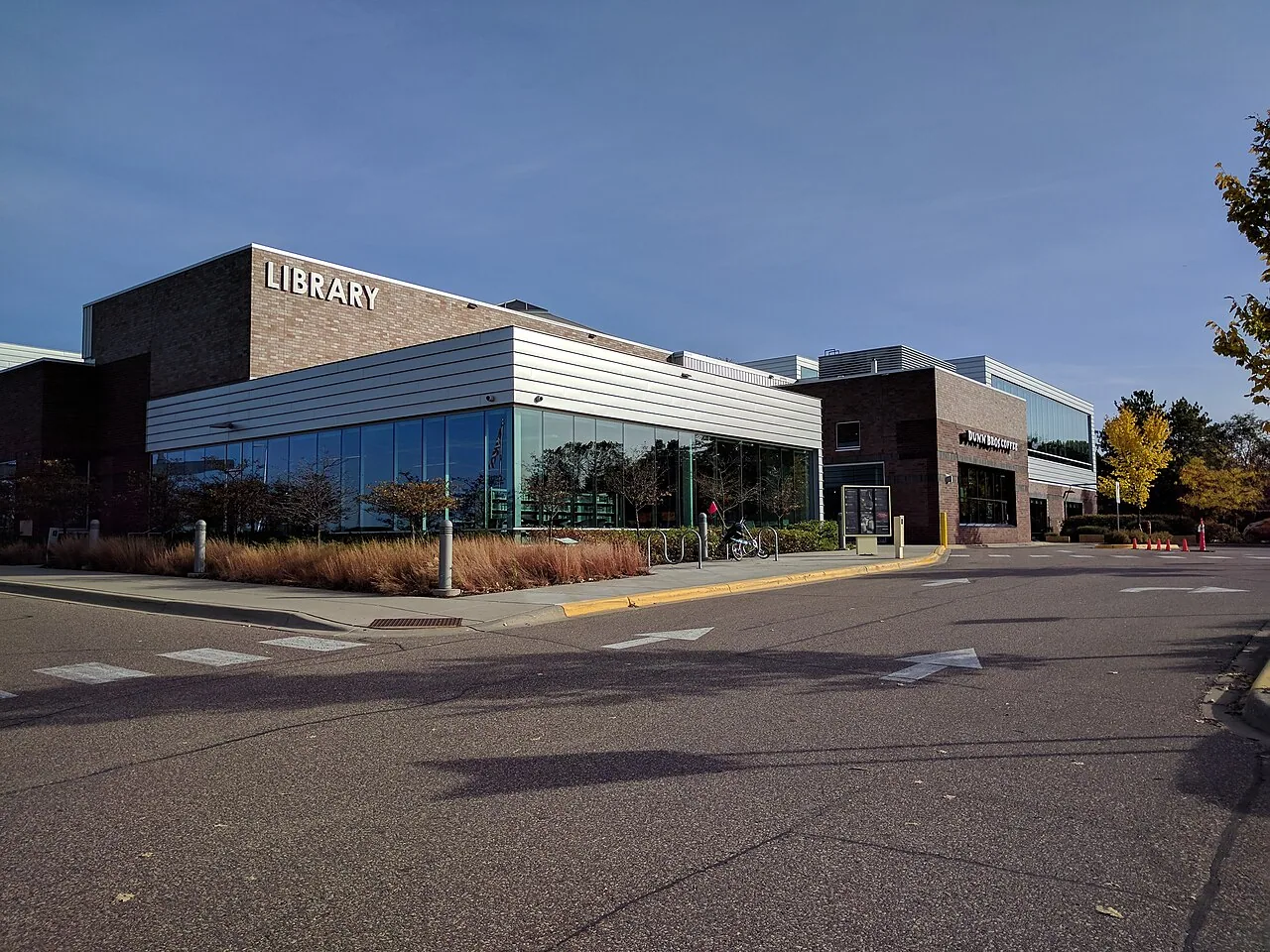
A campus building and a block of new apartments share a constraint: people are under the roof the whole time. On an academic building the noisy tear-off belongs in the weeks when classrooms are empty, the rhythm that college and university roofing follows. On a residential building the work is divided into small roof areas, closed in each evening, with notice to residents about hours, staging and any parking that must move. The same discipline applies to apartment roofing, where temporary closures protect the boundary between new and retained roofing.
When water is already entering, we respond at any hour, holidays included, and the temporary repair goes into the log with a photograph so the permanent fix can be priced from evidence. Planning for occupied building reroofing also covers rooftop units and exhaust: shutdown windows are arranged with the building engineer, not assumed. A Highland Park apartment building and an office tower in downtown St. Paul need separate roof-specific snow-loading review, but their roofs serve very different uses and are scheduled differently.
On a West Seventh property, we also record the occupied rooms affected by removal and fastening before preparing the work notice.
Questions We Hear
What should the owner of a newly built mixed-use building keep from the first year of its roof?
Keep the finished-roof photographs, the drain locations and sizes, the product data for the membrane and flashing, and a dated moisture baseline taken before tenants move in. Add each rooftop unit installation as it happens. Three winters later, that folder is what separates a warranty question from a maintenance question.
Does a roof on high ground need different edge details than one among taller buildings?
Exposure drives the edge detail. A roof with little shelter sees stronger uplift at corners and perimeters, so we check termination bars, fastener spacing and coping attachment closely. Neighboring structures can alter wind and snow distribution, so attachment and drift locations are checked together rather than treated as alternative concerns.
How is ice at the eaves of a campus building recorded?
Each ice dam is photographed with a tape in the frame, located on a roof sketch and dated. Water backs up where heat escaping through the roof melts snow that refreezes at the cold eave, so we also record the insulation and ventilation beneath. The record gives the facilities office a place to start.
Which figures does St. Paul want on a commercial re-roof permit?
For the proposed scope, we confirm the current Department of Safety and Inspections review process. Roof measurements and installed material information are recorded during assessment. Any additional project documents are identified before submission so the application describes the actual assembly and work.
Is it too late to document damage from the July 2025 hail storm?
We record current impact signs and investigate suspect moisture, explaining where earlier damage cannot be established from present condition alone. Policy deadlines vary, so the owner should check the notice period in the policy now. A dated inspection gives the adjuster the roof's current condition in writing.