Commercial Roofing in West Seventh, St. Paul, MN
Commercial roof inspection, repair and replacement along West Seventh in St. Paul, MN, from historic brewery buildings to business-center roofs near I-35E.
Request a Roof Assessment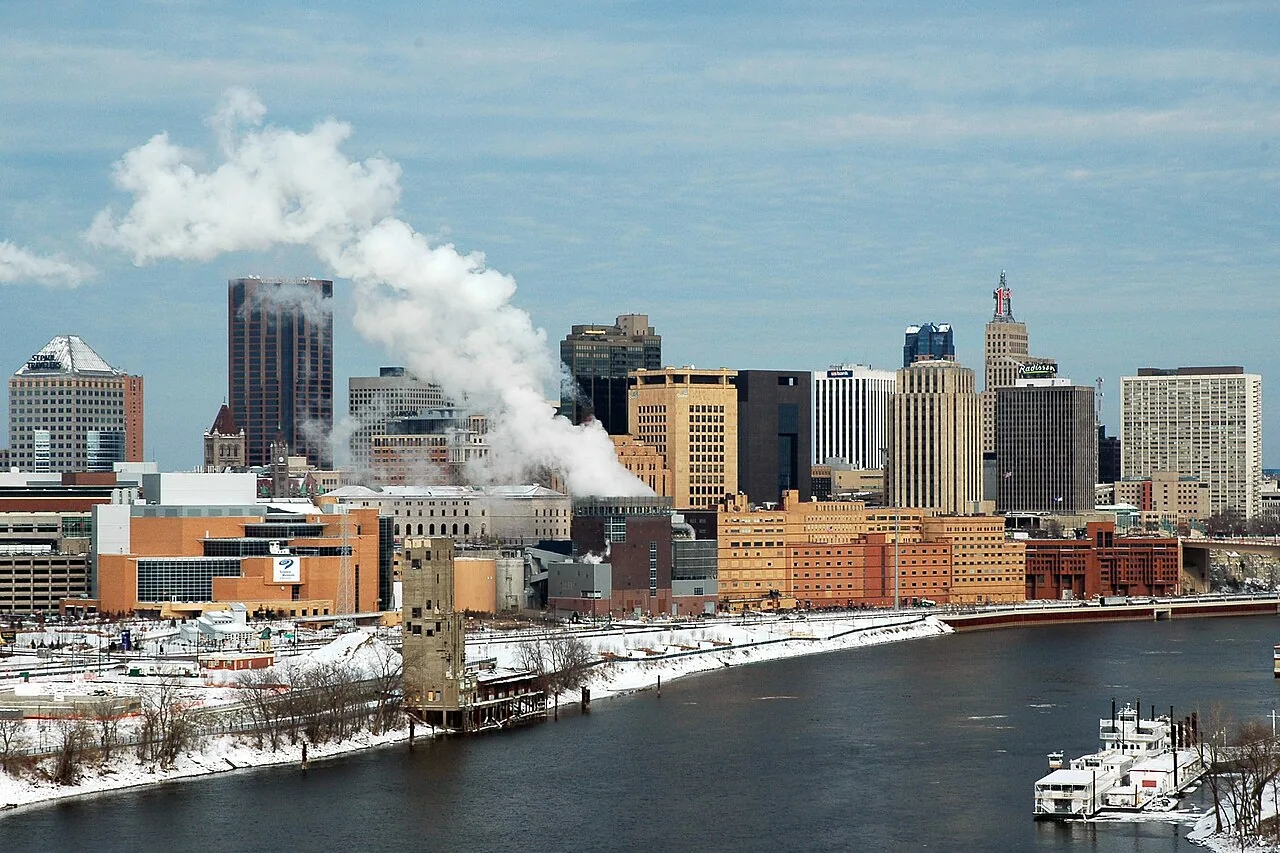
West Seventh
A roof on a listed building keeps two kinds of records at once, the condition of the membrane and the history of what has been done to the building. West Seventh Street carries both kinds of work. The former Jacob Schmidt Brewery in the West Seventh district, founded in 1855 and closed in 2002, now holds the Schmidt Artist Lofts and has been on the National Register of Historic Places since 2018, while the Port Authority's Crosby Lake business center sits at I-35E and West 7th Street in St. Paul, MN.
We inspect, repair and replace commercial roofs across that mix of building uses. The first walk identifies the accessible assembly details, and the written findings, photographs and moisture readings that follow become the dated record the owner keeps. Urgent leaks can be reported at any hour. An available crew evaluates safe access and temporary protection, with photographs documenting the visit.
Documenting Roofs on Registered and Converted Buildings
Conversion changes what a roof is asked to do. A building that began as a brewery and now holds artist lofts has people living and working beneath the roof, which makes interior protection and occupied-room access part of the scope. Our commercial roof inspection log for a building like that records where each interior stain sits against the roof plan, and investigates the possible entry paths with the uncertainty recorded.
National Register status adds another layer to the file. A listed building can bring preservation review into the picture depending on how the project is funded and permitted, and the roofing choices that look most obvious on cost alone may not fit that review. We ask about the building's status and funding at the start, photograph existing details such as parapet caps, flashings and visible rooflines before any work, and keep those photographs with the scope. If a detail must change, the before and after images show exactly how.
Scheduling Deliveries Around the I-35E Parkway Limits
The I-35E parkway through West Seventh has heavy-truck restrictions identified by MnDOT. A roof replacement moves a great deal of weight, in rolls of membrane, pallets of insulation board, adhesive drums and the disposal containers that carry old material away. Loaded delivery trucks are heavy by any measure, so route planning belongs in the work plan before the first load is ordered.
We log the delivery route, the staging area and the hoisting position as part of the pre-work record, along with the roof access points and the places where equipment can be set down without crossing a tenant entrance. On a tight street frontage, that planning often decides whether the job can run in a few long days or has to be broken into phases. It also gives the owner a written plan to hand a property manager, a neighbor or a city inspector who asks how materials will arrive.
Reading Winter Stress on Flat and Low-Slope Roofs
On a West Seventh low-slope roof, wind can redistribute snow toward parapets, stair towers and equipment. The inspection identifies uneven accumulation and accessible outlet conditions. Depth and location observations help describe the pattern, while snow density and the supporting structure require separate consideration in a loading assessment. We measure the depth, photograph each drift and note any ponding at drains once the melt begins.
Cold-weather performance depends on the installed materials and details. We examine laps, corners and wall transitions for observed movement or damage rather than infer failure from a recorded outdoor temperature. Ice dams add a second problem at the eaves of roofs with heat loss from below, where melting snow refreezes and traps water behind the ice. Our winter walk-throughs ahead of any snow and ice damage repair record both conditions, with dates, so a repair in spring has an evidence base.
Maintaining Business-Center Roofs Near Crosby Lake
Crosby Lake covers 30 acres and 6 businesses at I-35E and West 7th Street. Owners and managers of buildings like these often care most about continuity, since a roof problem has to be fixed without stopping a tenant's operation. We schedule work in sections, keep the open area small and cover it at the end of each shift, with temporary closure planned and checked before leaving the work area.
Between repairs, a preventive maintenance visit twice a year, in fall before the first snow and in spring after the thaw, keeps the log current. We clear drains, check sealants and terminations, walk the seams and photograph anything that has changed since the last entry. For an owner with a lender or a prospective buyer waiting, that unbroken series of dated visits is the most credible evidence of how the roof has been looked after. Those repeat visits support preventive roof maintenance.
Building the Claim File While the Damage Is Fresh
After severe weather is reported near West Seventh, a property inspection documents accessible roof conditions and the relevant event date. Photographs are taken before protection work when that can be done safely; urgent protection should not be delayed to complete a survey. Targeted testing and earlier records help establish which findings are new.
Documentation matters most when the cause is in dispute. Wear, water ponding and storm damage can all produce a similar stain, and a dated comparison helps investigate the differences. We pair the photographs with a written description of each repair, whether it is a temporary patch or a permanent fix, so the file shows what was done and when. That is the basis for storm damage roof repair and for any claim that follows, with hail damage repair carried out in sequence under a separately defined repair scope.
Planning Across Neighboring Districts
Owners on West Seventh often hold other buildings nearby. Downtown St. Paul is the office core, with Regions Hospital in downtown St. Paul, and Riverview and the West Side sit south of the river near Harriet Island. A single condition record format across those locations lets an owner compare roofs on the same basis, and decide which one to fund first when budgets are limited.
Questions We Hear
Does a National Register listing change how a roof can be replaced?
It can, depending on funding and permit path. Preservation review may reach visible roof details, so we photograph existing parapet caps, flashings and rooflines before work begins and raise the question of status at the outset. The scope is then written with those constraints in view.
How do truck limits on the I-35E parkway affect a roofing job?
MnDOT identifies heavy-truck restrictions on the I-35E parkway. The carrier should confirm the permitted route for the loaded vehicle before delivery, including current traffic restrictions. We document staging and hoisting arrangements alongside that route so the roof schedule has a workable material plan.
Which leak signs matter most in a converted building with residents or tenants?
Record stains, bubbled paint, damp corners and the timing of each report. These observations may appear away from the entry point because water can travel within the assembly. We compare the interior locations with roof details and testing, retaining any uncertainty about the path.
Why twice-yearly maintenance visits rather than one big inspection?
Fall and spring catch different problems. The fall visit clears drains and secures edges before snow. The spring visit finds what a freeze-thaw season opened. Two dated entries a year build a record that makes later repair or replacement decisions straightforward.
What should be photographed immediately after a storm?
Capture the roof surface, the flashings, the drains and any displaced coping before anything is moved or tarped. Add interior damage and a time stamp. We take those images, with moisture readings, during the first visit so the claim has a clean starting point.