
Commercial Roof Inspections in St. Paul, MN
Hands-on commercial roof inspections in St. Paul, MN with moisture readings, photographs and written findings that give you a dated record of your roof.
Request a Roof Assessment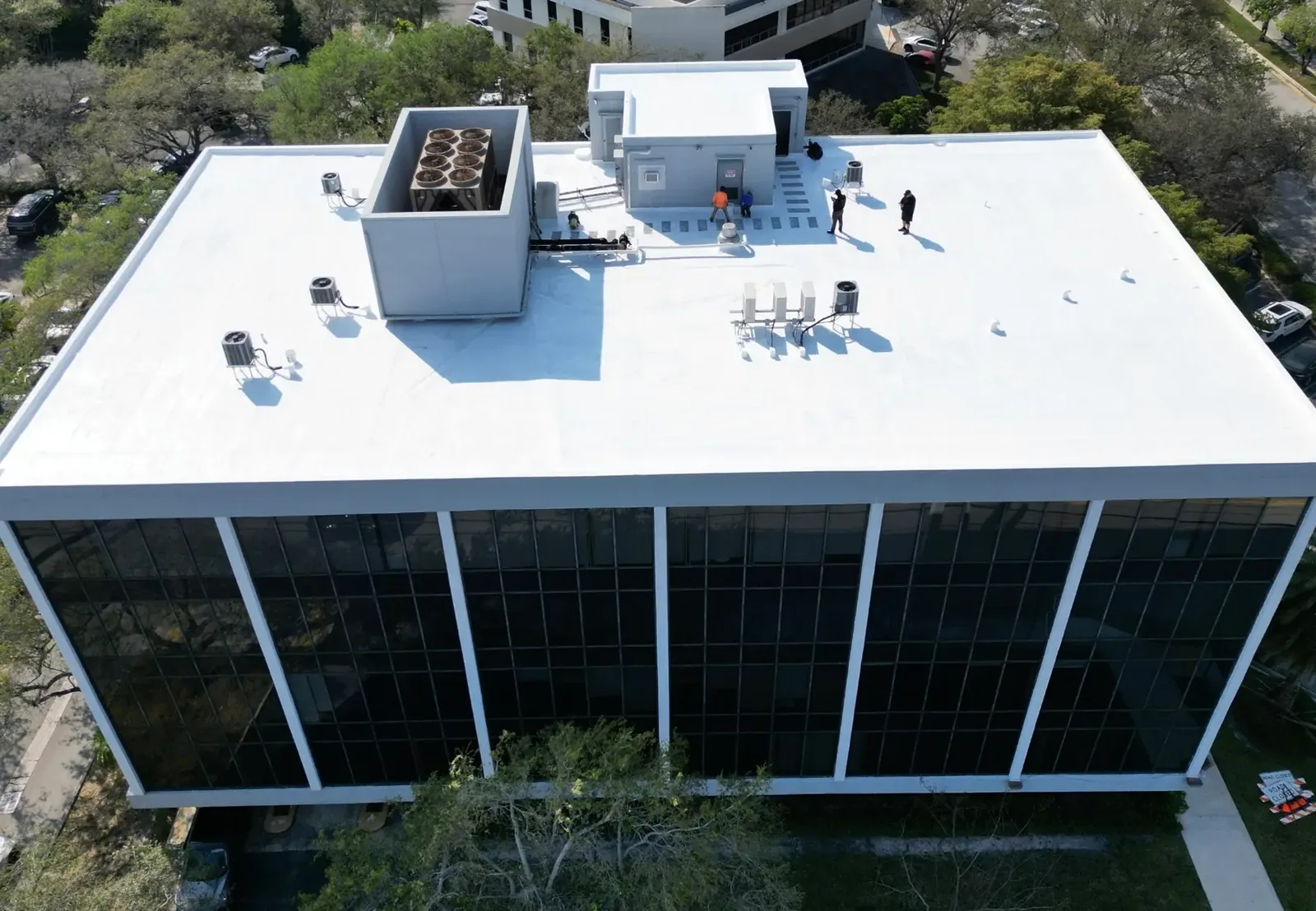
Commercial Roof Inspections
An inspection on a St. Paul roof records what the roof looks like on a specific day, in enough detail that someone could compare it to the same roof a year later. We measure the depth of snow drifts against a parapet, photograph an ice dam at the eave, read the moisture at a suspect seam and note how water drains after a melt. Then we date every entry. A roof with that kind of history is easier to budget for, easier to insure and easier to sell, because nobody has to take anyone's word for how it was kept.
Walking the Entire Roof Surface, Seam by Seam
The inspection is physical. A technician covers the full roof on foot, checking membrane seams, lap edges, flashings, sealants, fasteners and the condition of the surface itself. We look at everything that penetrates the roof: pipes, vents, hatches, skylights, curbs, conduit supports and equipment stands. Each gets a close look and a photograph if there is anything to record.
Edges and perimeters get special attention because wind and ice work hardest there. Coping, edge metal, gutters and scuppers are checked for fastening, sealing and drainage. A hands-on walk finds things that an aerial image can miss, and when the roof is large or difficult to reach, we pair the walk with a drone roof inspection for full coverage.
Recording Snow Drifts, Ponding and Drain Flow
The inspection records snow actually present at the visit. The cited county ground-snow design input is 50 psf, but an engineer derives building roof loads separately; neither snowfall accumulation nor that ground value states safe roof capacity. Drifts form against parapets, penthouses and rooftop units, and they can weigh far more than the even layer across open areas. After heavy snow we measure drift depth and photograph the pattern.
In the melt, we look at the drains. Ponding that lasts more than a day after rain or thaw is recorded with its location and approximate depth, because standing water ages the membrane and adds weight. We check that drains, scuppers and overflow openings are open and clean, and we record the slope toward them. These observations help compare drainage with the design, with concealed plumbing and structural questions identified for further review.
Taking Moisture Readings and Core Samples Where They Count
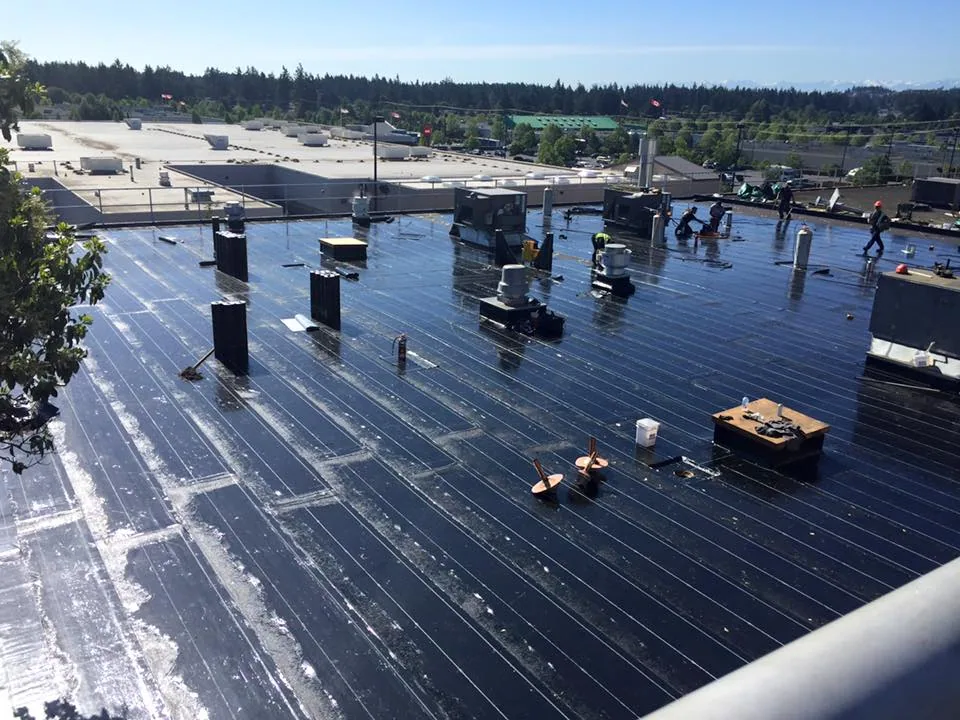
Visible condition tells part of the story. Moisture inside the roof tells the rest. Where we find defects, ponding or suspect areas, we take readings with moisture instruments and, where needed, cut small core samples to see the layers and check the insulation directly. A larger infrared and core-cut moisture survey is available when the roof needs an estimate of suspect moisture extent checked at selected openings.
Core cuts are patched at once with matching materials, and each cut is photographed and logged. The sample records the layer count, the thickness and the condition of each layer. That information is what makes a replacement or recover decision defensible later.
Compiling the Written Findings and Photo Log
After the visit, the owner receives a written report with the findings organized by roof area. Each item has a location, a photograph, a condition rating and a recommended action. The report lists urgent items first, then items to schedule and items to watch. Everything carries the date of the inspection, and the inspection log is kept so the next visit can be compared line by line with this one.
Where a finding is uncertain, the report says so and states what additional reading or cut would settle it. A report that separates what was measured from what was inferred is far more useful to an adjuster or a buyer than one that sounds confident about everything. We would rather give the owner a short list of defensible facts than a long list of impressions.
The report is designed to be read by an owner, an asset manager, a lender or an insurer. It explains the roof's present condition in plain terms and links each recommendation to the evidence behind it. Our roof condition reports follow this format across single buildings and portfolios.
Putting the Findings to Work in Budgets, Sales and Claims
A condition record has several uses. In capital planning, it shows when a roof is likely to need repair or replacement and lets the owner spread the cost over several budget years through roof capital planning. In a sale or refinance, a recent inspection gives a buyer or lender a clear view of the asset, and due diligence roof surveys serve that purpose.
After a storm, an inspection that predates the event is the best evidence of the roof's condition before the damage. An adjuster can compare the earlier record with the post-storm findings. Owners who inspect on a schedule hold a defensible position when claims arise.
Fitting the Inspection to the Building and the Season
The right inspection depends on the building. A university campus like the University of St. Thomas along Summit Avenue puts many separate buildings, each with a roof of its own, under one owner. A business park such as Energy Park, which combines industrial, commercial and residential buildings, calls for a different walk on each kind of roof. In Lowertown, the historic district's 37 contributing properties were built between the 1870s and the 1920s, and each building's parapets and drainage details set the route of the walk. We adjust the walk and the report to the building.
Timing matters too. Spring, after the melt, shows winter damage and ponding. Fall, before the first snow, is the chance to fix problems before they freeze. An owner can schedule both visits under preventive roof maintenance so the inspections feed a standing log.
Before the visit, tell the inspector what decision the findings must support: a leak investigation, capital plan, transaction review or post-storm assessment. Share available roof plans and repair records, identify areas that cannot be entered, and arrange access to interior locations where symptoms have appeared. Our final report distinguishes observed conditions from inferred causes and identifies any test or follow-up needed before a scope or budget is approved.
Questions We Hear
What inspection schedule suits a commercial roof?
At least twice a year, in spring after the melt and in fall before snow, plus after any major storm. The deciding factor is the roof's age and condition, since older or weakened roofs benefit from more frequent checks. Each inspection adds to the dated record.
What will I receive after the inspection?
A written report with photographs, locations, condition ratings and recommended actions, organized so you can approve repairs or plan budgets. The findings list the urgent items first. Moisture readings and core sample details are included where they were taken.
Do you need to be on the roof, or can a drone do it?
Drone imaging covers large or hard-to-reach roofs well, but it does not replace hands-on work. Seam probing, moisture readings and cores require a technician on the surface. We often use both and combine the findings in one report.
Will an inspection help with an insurance claim?
Yes, particularly when it predates the damage. A dated record of the roof's prior condition lets the adjuster compare before and after. Inspections after a storm document damage and the evidence available for assessing its cause, which supports the claim file.
Does an inspection disrupt my tenants?
Rarely. The work happens on the roof, with little noise and no interior access in most cases. We coordinate access and timing with the property manager so tenants are informed and equipment is not affected.