
Due Diligence Roof Surveys in St. Paul, MN
Due diligence roof surveys in St. Paul, MN for acquisitions and refinancing: moisture readings, core samples and ranked findings a buyer or lender can price.
Request a Roof Assessment
Due Diligence Roof Surveys
A due diligence roof survey on a St. Paul, MN, building produces a short, dated answer to a question with a long reach: what will this roof cost the next owner, and when? The survey records the membrane's surface, reads moisture at the places that fail first, cuts a few cores to see the layers and photographs everything. Then it turns those findings into three lists a buyer or lender can use: repairs needed at closing, reserves for the next several years and conditions to watch. The work happens inside a closing window, so the evidence has to be quick and also defensible.
Fitting the Survey Into a Closing Calendar
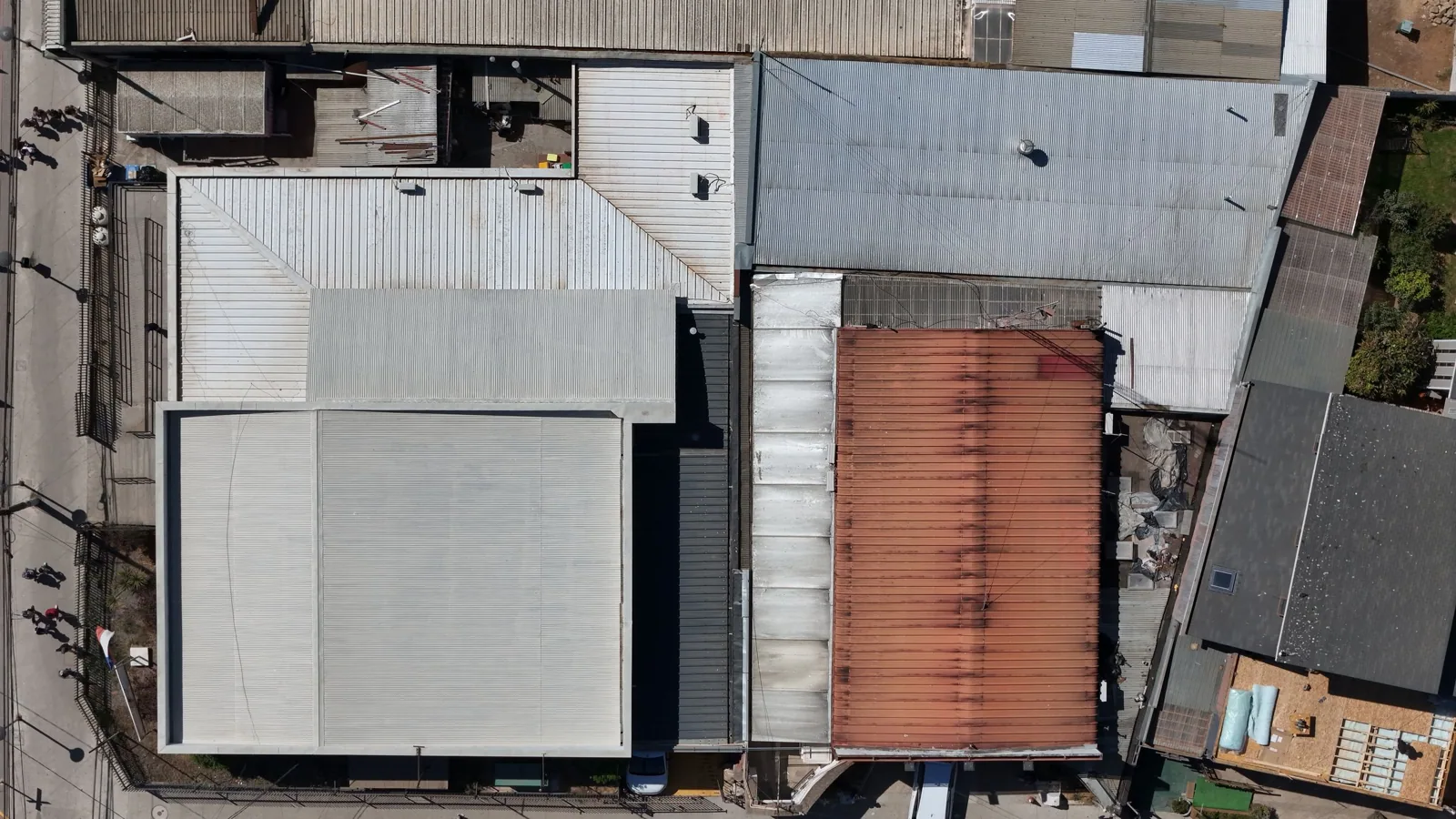
Deal timelines leave little room, so the survey is scoped first. We confirm roof access with the seller, the number of roof levels, the safe tie-off locations and any tenants whose operations limit when we can be on the roof. Larger sites may be flown first with a drone roof inspection to cover the full surface quickly, followed by hands-on checks at the areas the images flag.
Winter shapes the schedule in this market. Snow cover can conceal the membrane and details needed for a complete roof assessment, and a survey in January may be limited to drains, interior signs and whatever the melt has uncovered. When a closing cannot wait for spring, the report states what could not be seen and recommends a follow-up reading, so the buyer prices the uncertainty rather than ignoring it.
Taking Moisture Readings and Cores Where Failure Starts
Several recurring inspection concerns occur: around penetrations, at drains, along seams, at the junction with walls and curbs. We take readings there first and consider an infrared moisture survey when the assembly and survey conditions suit that method. Suspected patterns need suitable confirmation before they are presented as wet material. Each core shows the number of layers, the thickness, the condition of the insulation and whether earlier roofs remain beneath the current one.
Every cut is patched the same day and photographed. The layer record matters to a lender because it reveals whether a replacement would be a simple tear-off or a more involved job with multiple old systems to remove. That difference can change a reserve figure substantially, and it is invisible from the surface. Layers also add weight, and the design snow load on the ground in Ramsey, Dakota and Washington counties is set at 50 psf, so a roof with an older overlay and added rooftop equipment is worth flagging for the buyer's engineer.
Writing Findings a Lender Can Price
The report sorts findings by when the money is needed. Immediate recommendations address active openings or conditions whose consequences require prompt protection or correction. Near-term items are repairs and partial replacements expected within a few years. Long-term items are the eventual replacement and its likely timing, drawn from the evidence and carried into the owner's roof capital planning budget. We state each item with its photograph and reading, and we avoid precision the evidence cannot support.
A buyer's counsel and a lender's engineer both read the report, and they read it differently. Counsel wants clear conditions and exclusions. The engineer wants measurements and a basis for the reserve. The report is written to satisfy both, so neither has to reconstruct what the other already knows.
Surveying Converted and Redeveloped Buildings
Some acquisitions are buildings that changed use. A brewery founded in 1855 in the West Seventh district shut in 2002 and now holds the Schmidt Artist Lofts, a National Register property since 2018. In South St. Paul, the stockyards stopped operating around 2008 and much of the industrial area has since been redeveloped. A change of use can leave patched sections, added penetrations and mixed membranes on a roof, and the survey looks for each of them.
A buyer in West Seventh or South St. Paul who takes on a building with a new use needs to know what that use put on the roof. The survey reports what is there and flags any area where a core is needed because the layers cannot be read from above.
Reading Retail Centers and Corporate Campuses for a Buyer
A retail center has many small roofs and many leases, and a buyer needs to see which areas belong to which obligations. Woodbury's retail roofs cluster at Tamarack Village off Radio Drive, Woodbury Village near I-494 and Woodbury Lakes, an open-air center finished in 2005, and a survey of a shopping center roof there maps findings by storefront bay so the lease terms can be matched to the work.
Corporate sites run differently. Woodbury counts M Health Fairview and Target among its larger employers, and Eagan counts Thomson Reuters and BlueCross BlueShield of Minnesota. A buyer of any property with several buildings and more than one roof type gets a survey that separates each building, so the acquisition model can carry one reserve per roof and not one number for the site.
Retain those separate findings in roof condition reports with the examination limits. The buyer can then carry the observed construction into a reserve discussion while keeping additional investigation identified as its own authorization rather than an assumed completed survey task.
Our report maps shared roofs, tenant-maintained areas and separate ownership boundaries across the site. It identifies areas where access was unavailable and states whether each distinct assembly was sampled. Immediate protection, near-term repair and long-range replacement appear as separate cost categories, so a buyer can distinguish observed work from an allowance.
Questions We Hear
How much of the roof needs to be tested for a due diligence survey?
The plan is set by the size of the roof, the age of the system and the time before closing. The survey identifies which areas were visually examined and which were tested. Readings and samples are selected for the assembly and observed concerns; they do not establish that every untested layer is dry. Suitable infrared imaging can support the investigation, with inaccessible areas and further testing identified in the report.
Who arranges roof access when a building is under contract?
The seller controls access, and a buyer usually works through the seller's property manager to set the day. We keep to the agreed time window, plan around tenant operations below and carry our own fall protection. Our reports name the building and roof areas and leave deal terms to the parties.
What does a buyer do with a roof that is near the end of its life?
The report gives a cost range and a probable timeline, and the buyer uses both in price talks. Some buyers ask for a credit at closing, some accept the roof and fund a reserve, and some require a repair before they sign. Because our findings come with photographs and cores, each option can be argued with evidence.
Does a refinance need the same roof survey as a purchase?
A refinance asks the same core question but in a different frame. The lender cares that the asset will hold its value through the loan term, so the report stresses remaining service life and the repairs needed to reach it. Available owner records can guide the investigation, with gaps and conflicting information retained in the findings.
Will the survey cover insulation and energy code requirements for a future reroof?
Observed insulation layers are recorded by sample location. The proposed replacement needs its own review of applicable requirements. The applicable commercial energy criteria are established for that project rather than assumed from the existing layers. A buyer budgeting a reroof needs to know that the new assembly may be thicker than the old one. That detail goes into the reserve discussion.