
Roof Capital Planning in St. Paul, MN
Roof capital planning in St. Paul, MN: replacement timing and multi-year roof budgets built from core samples, moisture readings and dated condition records.
Request a Roof Assessment
Roof Capital Planning
A core sample from a roof in St. Paul, MN, records the layers and their condition at one location. Dated with its position on the roof map, it provides part of the evidence needed for a budget decision. That one cylinder of roof, photographed and dated, turns a vague worry into a line item with a reason behind it. Capital planning for roofs is the practice of collecting those findings across every building an owner holds, then arranging replacements, recovers and coating work into years the budget can carry, with immediate protection and further investigation identified alongside the larger projects.
Reading Cores and Moisture Maps for Remaining Service Life
Age alone is a poor guide. Two roofs installed in the same year can have different remaining service prospects, depending on drainage, rooftop traffic and how many winters of ponding they absorbed. We rely on measured evidence: the layer count and thickness from core samples, suspected moisture patterns from an infrared moisture survey, checked by appropriate confirmatory testing, the seam and flashing condition from the walk, and the number of repairs logged so far. Every one of those items carries a date and a photograph, which is what lets a finance committee accept the conclusion without climbing onto the roof.
Each roof then receives an estimated window rather than a single year, because weather moves the answer. A roof whose insulation tests dry across most of its area can often take a few more seasons of maintenance. One whose wet insulation spreads from a failed penetration every spring is spending the owner's money on repairs that no longer hold.
Weighing Repair, Coating, Recover and Replacement
Each roof has more than two outcomes. Targeted repair suits a sound roof with a few defects. A roof coating can extend a membrane that is dry underneath and structurally sound. A recover lays a new membrane over the old roof and skips the tear-off, when the system and the moisture readings allow it. Full replacement belongs where the insulation is saturated or the deck is compromised.
The plan prices each path in relative terms and notes what it leaves behind. A coating defers the larger spend but does not fix wet insulation. A recover adds permanent load. Minnesota uses a 50-pound-per-square-foot ground snow-load input in Ramsey, Dakota and Washington counties, but that input is not a roof's spare capacity or its final design snow load. The structure and proposed assembly need a project-specific load assessment. These trade-offs go in writing so the owner chooses with the evidence on the table.
Pricing the Energy Code and Permit Into Each Estimate
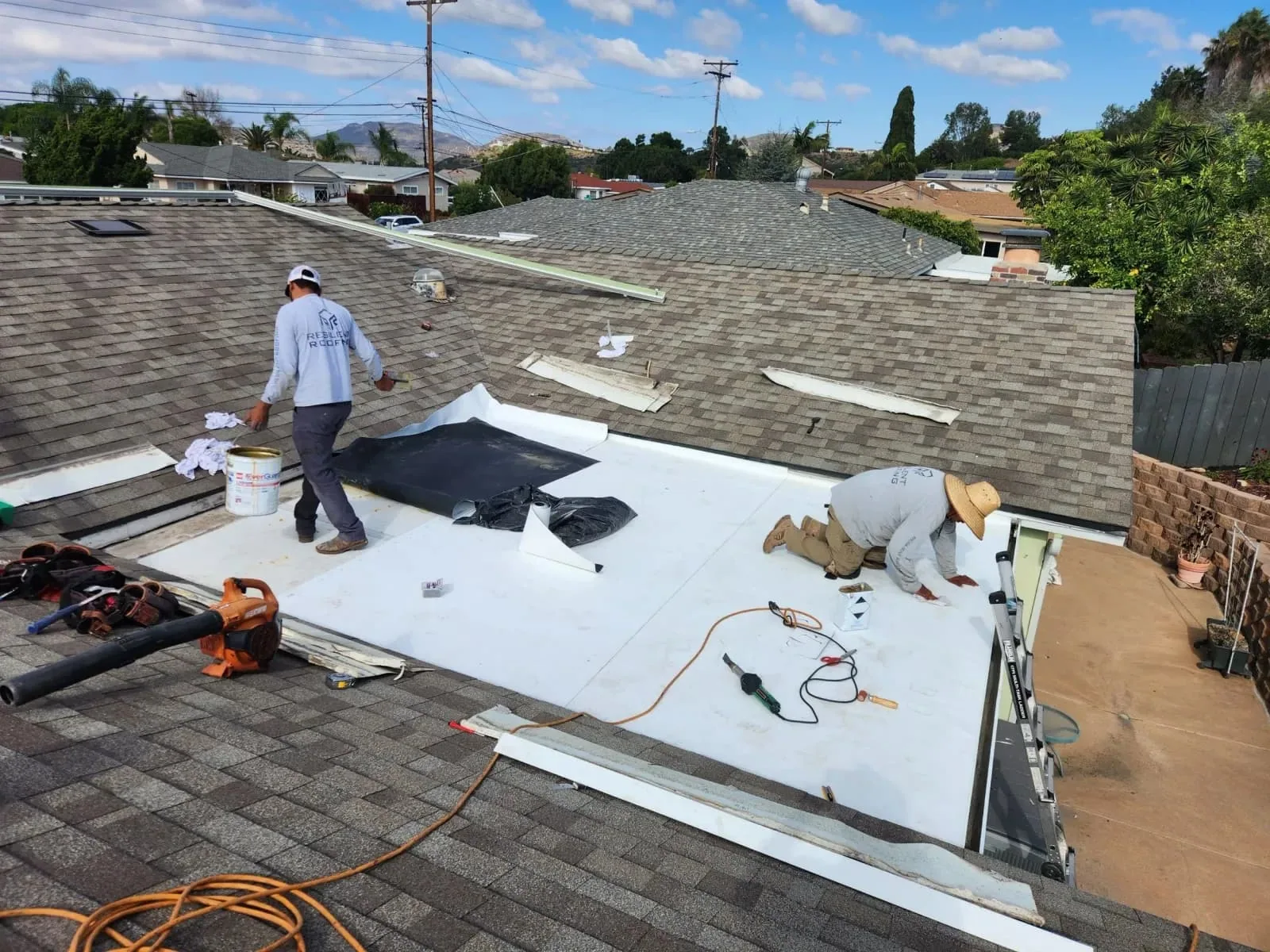
A replacement budget that ignores code is short before it starts. The applicable commercial energy requirements need to be established for the reroofing scope. Where insulation changes are required, the proposed assembly may be thicker than the existing one. That changes thickness, flashing heights and sometimes the edge details, and each change moves the cost.
Permitting adds time. In St. Paul, a commercial flat-roof re-roof goes to the Department of Safety and Inspections for plan review, and the submittal lists the material, the roof area and the size of the drains. Our condition records already hold those quantities, which keeps the permit step from becoming a surprise in the schedule. Beneath all of it sits the state building code, which adopts the 2018 IBC for commercial work.
Spreading Replacements Across Budget Years
When several roofs are near the end of life, doing them all at once is rarely possible. The plan ranks them by evidence: wet insulation first, then active leaks, then the roofs above critical spaces, then those with the most remaining margin. The University of St. Thomas opened its Schoenecker Center in 2024 on the Summit Avenue campus. For a campus with buildings from different periods, roof installation records are established separately from the building dates. Each current assembly is assessed before projects are grouped into budget years. That makes the sequence, not a single bid, the working plan for college and university buildings.
Winter severity should shape the order. In 2013-14 the Twin Cities saw 69.8 inches of snow and a January low of -23 degrees, and a roof with open seams or blocked drains enters a winter like that with the least margin. A plan that moves those roofs earlier protects the budget from an emergency in a bad year.
Timing Roof Work to Vacancies and Lease Events
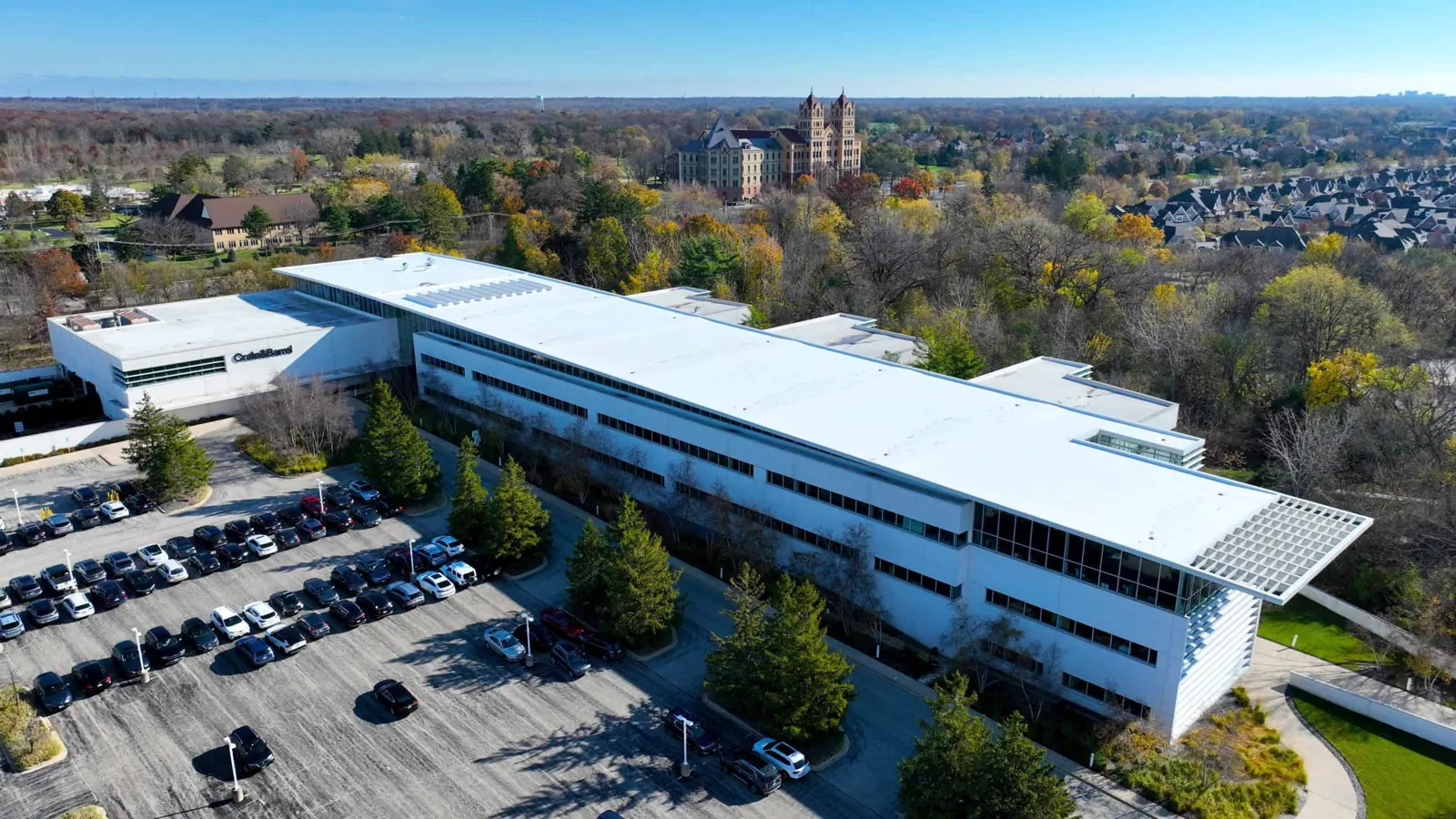
The best schedule for a roof often follows the building's calendar. Twin Cities industrial vacancy reached 5.4% in Q3 2025, and the 422,727 square feet Sportsman's Guide vacated in St. Paul and the 177,935 square feet Lumbermen's left at Cottage Grove Logistics Park show how quickly a large space can empty. Whoever leases or buys such a building next will want a clear picture of the roof overhead. A vacancy is the easiest window for loud work and interior access, and a roof file ready before the next tenant tours saves a negotiation, because the findings and the plan are already on paper.
For a logistics building in Cottage Grove or a similar park, the sensible move is a warehouse roofing schedule tied to lease expirations, so replacements fall between tenants and not around them.
Each allowance begins with findings from a roof condition report. Where an acquisition raises construction questions, a due diligence survey can define the examination needed before the related reserve decision. Our scope identifies the access and authorization required for that review.
Questions We Hear
How far ahead should a roof replacement be budgeted?
Two to three budget cycles ahead gives the owner time to compare repair, coating, recover and replacement with real readings in hand. A roof with a lot of wet insulation moves to the front of the line. A roof with dry insulation and sound seams can wait, provided the maintenance entries keep arriving on schedule.
What goes into a capital plan for a single building?
The plan lists each roof area with its system type, its condition score, the evidence behind the score, the likely outcome and a ranked year. It also carries the code items, the access needs and the notes on what tenants will experience. Because everything is dated, the owner can update one line after a repair without redoing the rest.
Does a coating count as a capital expense or maintenance?
Accountants and lenders treat it differently from one owner to the next, so the plan describes the work plainly: what is applied, over what surface, with what expected service window. That description lets the owner's tax and accounting people choose the right category. The roof record shows exactly which areas received coating and when.
Which signs say a roof is past the point of more repairs?
Saturated insulation across a wide area, repeated leaks at different locations in one season and seams that reopen after being repaired are the three patterns that matter. Those findings require a broader assessment before another local repair is accepted as the long-term solution. The plan then moves the roof into the replacement years with the log attached as support.
Can the plan cover roofs on buildings I am about to sell?
A seller benefits from a plan, because a buyer's lender will ask what the roofs will need in the first years of ownership. We write the plan so that it lists near-term and later items separately, with photographs and readings behind each. Buyers tend to trust a dated record more than a seller's recollection.