
Roof Condition Reports in St. Paul, MN
Written roof condition reports in St. Paul, MN with photographs, moisture readings and ranked findings that owners, lenders and adjusters can rely on.
Request a Roof Assessment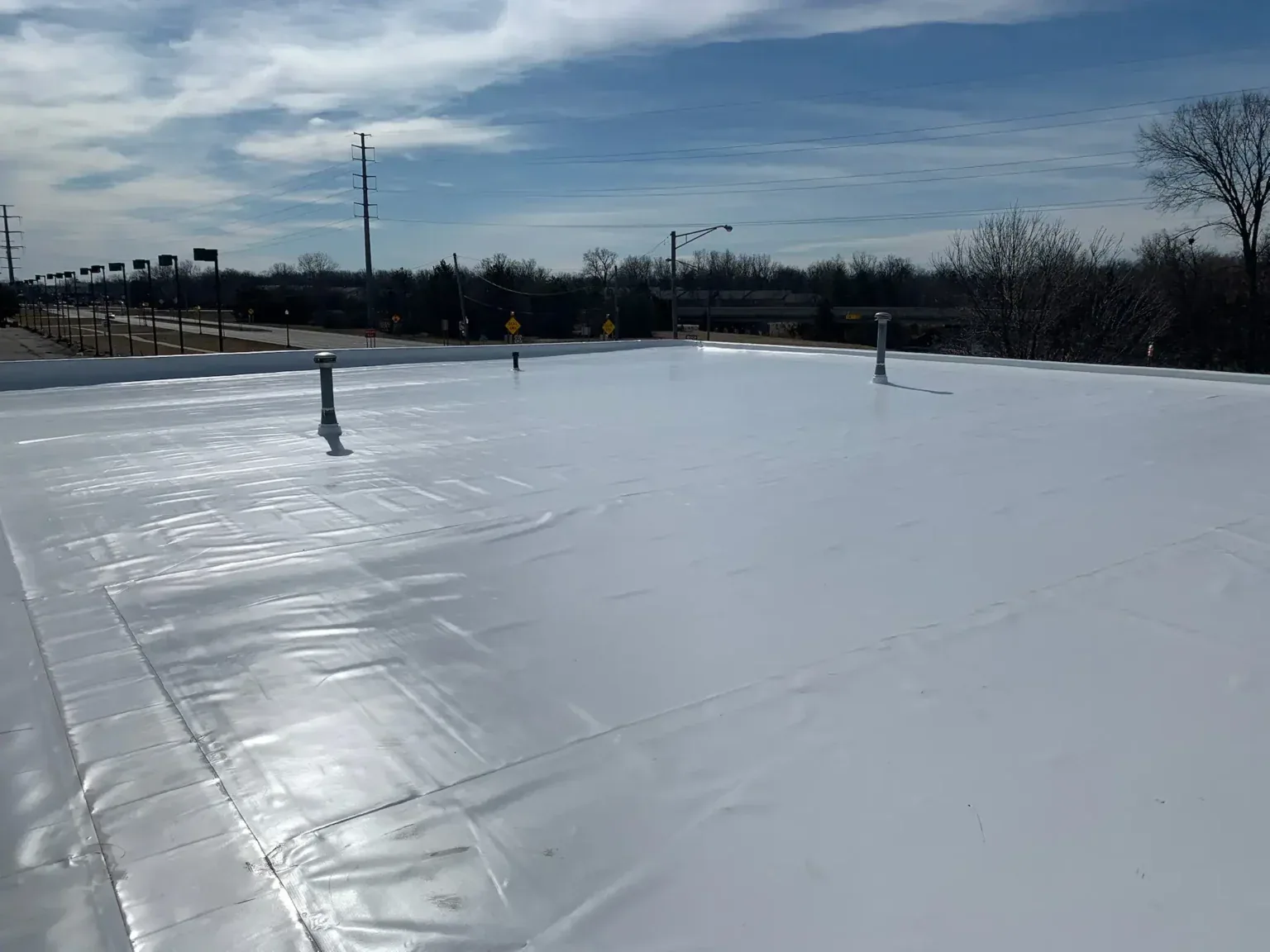
Roof Condition Reports
A finding in a condition report is useful only if a stranger could walk onto the roof a year later and find the same spot. That is the test we write to. Each entry for a roof in St. Paul, MN, names the location on a plan, shows a photograph taken that day, gives the reading or measurement behind it and says what we recommend. A dated stack of entries like that tells an owner what the roof looks like now, what changed since the last visit and what will probably need attention before the next freeze.
Laying Out Each Finding in Four Parts
The structure of an entry never varies. First comes the location, marked on a roof plan with a grid reference or a nearby fixed object such as a drain, a hatch or a rooftop unit. Second is the photograph, with a close view and a wider view so the reader can see where the defect sits. Third is the reading: a moisture value, a measured width of an open seam, a depth of ponding. Fourth is the recommended action and its urgency.
Consistency lets a lender or manager scan fifty entries as quickly as five. It also protects the owner from vague language. A phrase such as "some wear at the perimeter" cannot be checked, but "coping joint open at the northeast corner, photographed and measured" can be checked by anyone with the file. Most of this material is gathered during a commercial roof inspection that covers the full surface on foot.
Ranking Items as Urgent, Scheduled or Watched
A report that lists forty items at equal weight leaves the owner to do the sorting. We sort first. Urgent items are the ones where water is entering or will enter soon: a lifted seam, a split flashing, a clogged drain over an occupied floor. Scheduled items are repairs that can wait for a planned visit in good weather. Watched items are conditions that are not yet defects, such as light surface crazing or a slight dip near a drain, which get a reading each visit.
This ranking is what a facilities manager takes to a budget meeting. It also keeps small problems from being lost behind large ones. Where the urgent list calls for action before the next storm, we say so on the first page and explain the consequence of waiting through a thaw cycle in plain terms.
Marking What Was Measured and What Was Inferred
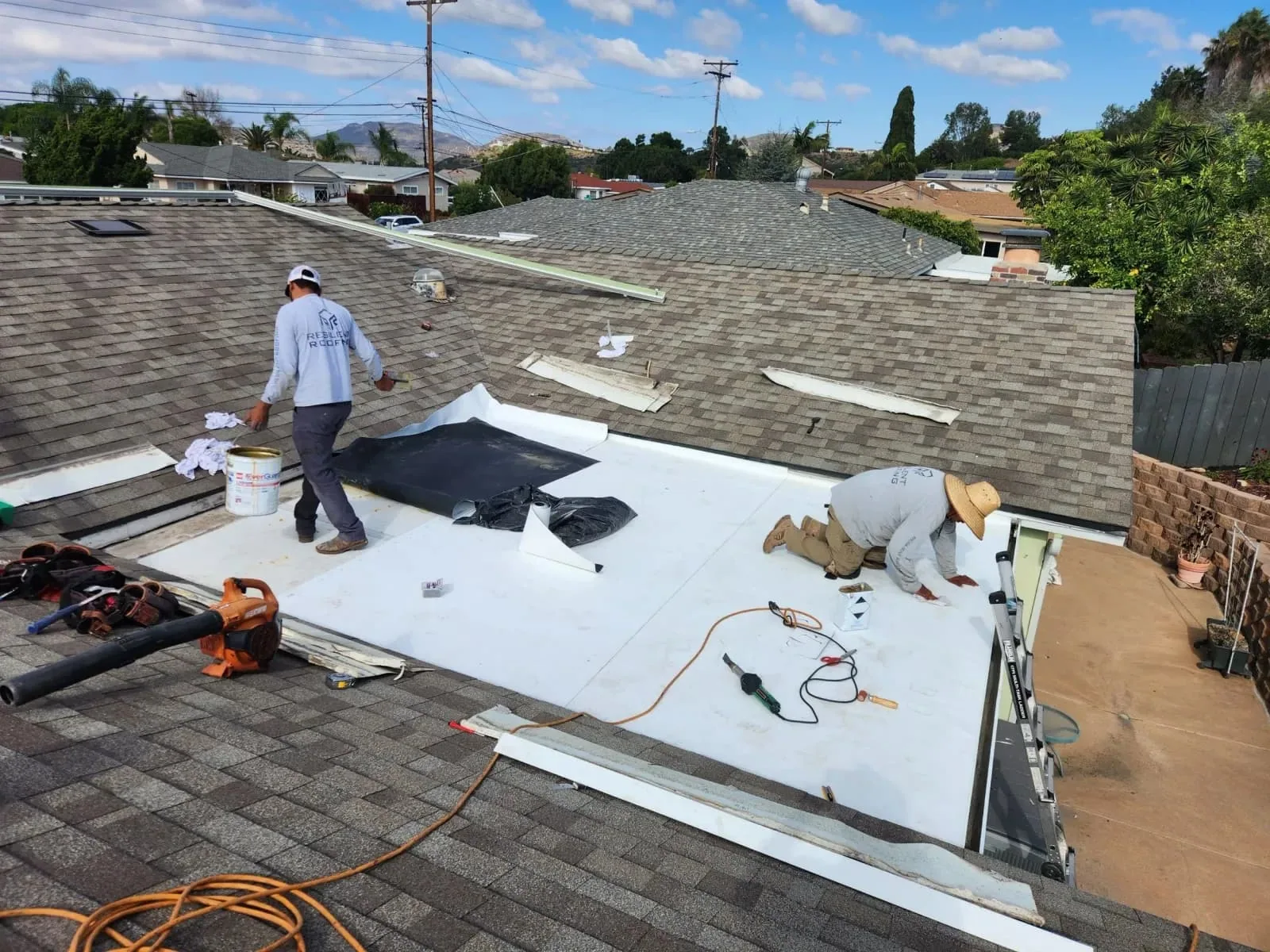
Some conditions can be seen and others can only be reasoned from what is visible. A report should say which is which. If we read moisture with an instrument at five points around a drain, those readings are measurements. If we conclude the insulation is probably wet at a fifth point we did not test, that is an inference and the report labels it as one, with the additional testing needed for confirmation. An infrared scan can support that investigation under suitable conditions, but its temperature patterns still need interpretation against the actual assembly.
The same discipline applies to access. Where a section of roof could not be reached because of a locked hatch, an active rooftop operation or unsafe conditions, the report lists the area as not inspected and states why. An adjuster or buyer reading the file can then see the boundaries of the findings, and a drone survey can add overview images where flight conditions and permissions allow. Details hidden from the camera remain identified for closer examination.
Reporting on Buildings From the 1870s to the 1920s
Older building stock raises its own questions for a report. The historic district in Lowertown lists 37 contributing buildings dating from the 1870s to the 1920s, many now lofts, breweries and restaurants, and Union Depot, finished in 1923 and renovated in 2012, sits on the National Register of Historic Places. On buildings of that era, the report records what is visible at parapets, cornices and penetrations, what the membrane looks like where it meets masonry or older framing, and where a core sample is needed because the layers beneath are unknown.
Owners in Lowertown use that detail to plan repairs that respect the building and to document the roof before a conversion or sale. The report states only what was found, and where the structure beneath cannot be seen, it recommends the opening or cut that would show it.
Setting a Baseline Before Hail Season
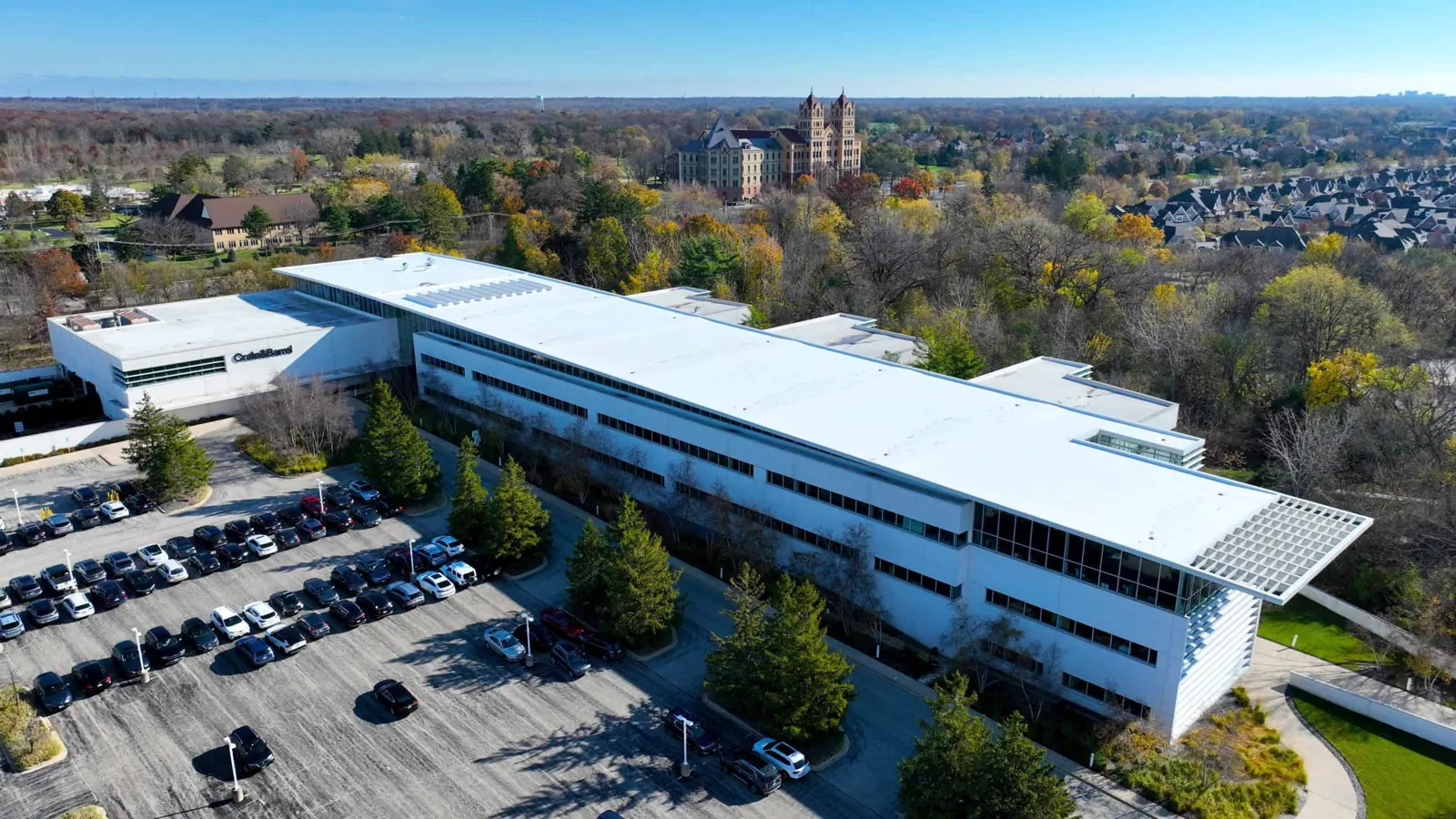
A pre-storm condition report provides a dated comparison for the later claim file. A May 15, 2025 storm outbreak across the Upper Midwest included reports of 4-inch hail, and on July 28, 2025, stones the size of golf balls and gusts near 70 mph crossed the Twin Cities. After either kind of event, an adjuster asks what the roof looked like before. Photographs from before the storm help the review compare surface changes, alongside the other evidence and the insurer's own assessment.
For owners near the Midway and along University Avenue, where the Westgate and Midway business centers pack light-industrial and office buildings close together, we schedule the baseline in spring, after the melt reveals winter damage and before summer storms arrive. If hail does strike, our hail damage roof repair work starts from that baseline, and the claim documentation follows from the same records.
We carry confirmed recommendations into roof capital planning when owner funding is needed, and file applicable notice and alteration requirements with the issued documents for roof warranty management. The correction itself and any contract procedure remain separate decisions.
Questions We Hear
How long does a written condition report take to produce after the roof visit?
Delivery depends mainly on the roof area and the number of findings that need follow-up readings. A single building is usually written up within days of the visit, with urgent items called out by phone the day we find them. A multi-building portfolio is delivered building by building so the owner can act on the first ones while later ones are finished.
Will a lender accept our report in place of its own survey?
Lenders set their own requirements, and some insist on an independent assessor. What our report offers is a documented set of findings that can be handed to that assessor or attached to a loan package. The more complete and dated the file, the faster an outside reader can verify it.
What photographs does the report include?
Each finding carries at least two images: a wide shot that locates it and a close shot that shows the condition. The report also holds overall views of each roof level, photographs of every drain and scupper, and images of core cuts before and after patching. Photographs are labeled with the date and the roof area.
Can a condition report be used for an insurance claim?
A report written before damage gives the adjuster a clear comparison with the post-storm condition, and a report written after damage records the extent and cause as seen. Either one supports the claim file, but neither replaces the insurer's own review. We pair the report with roof insurance claim assistance when the owner wants help assembling the file.
How often does a report need to be renewed?
Inspection frequency follows the assembly, reported defects and site requirements. A post-storm assessment adds a dated comparison where a property was affected. Roofs with known problems or those near the end of a membrane's life benefit from an additional visit before winter. Each renewal builds on the previous one, so the file lengthens without starting over.