
EPDM Rubber Roofing in St. Paul, MN
EPDM rubber roofing in St. Paul, MN: shrinkage and splice checks, ballast and snow load review, and a photo record that follows every patch we make.
Request a Roof Assessment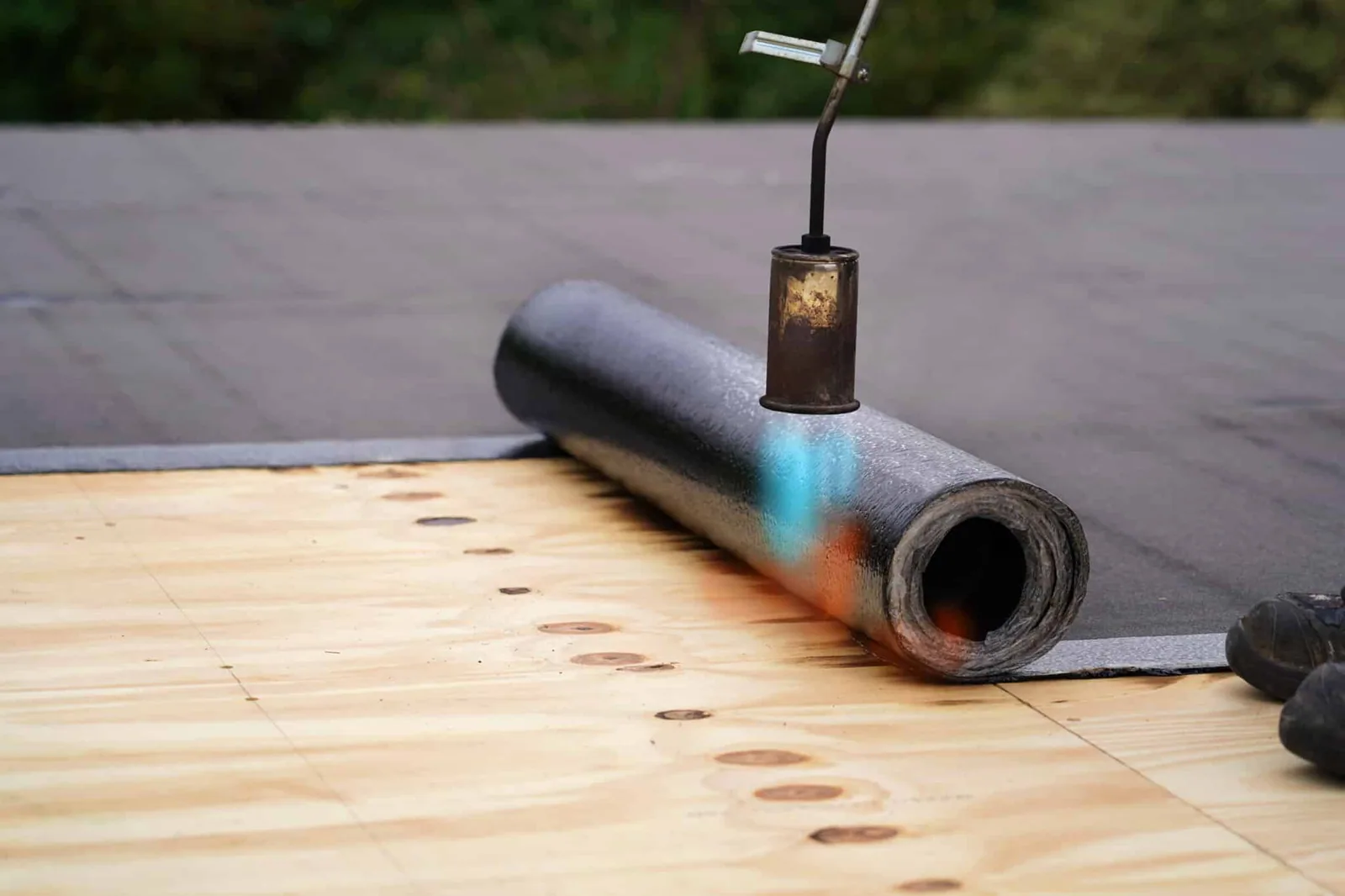
EPDM Rubber Roofing
A black rubber roof reports on its winters by what has pulled away from the walls. After a hard St. Paul season we walk the perimeter of an EPDM roof and look for membrane that has drawn back from a parapet, lifted off a curb or left a gap at a pipe. EPDM, short for ethylene propylene diene monomer, is a synthetic rubber that stays flexible in deep cold, but it shrinks slightly as it ages. We measure each gap, photograph it against a tape and enter it in a dated log, so the next walk shows how far the sheet has moved.
Measuring Shrinkage, Splice Tape and Pulled Flashings
Unlike welded membranes, EPDM sheets are joined with splice tape or adhesive, so the seam is a chemical bond and its edges are the weak point. We press along each lap to find fishmouths, which are small openings where the top edge has curled, and we check the cut edges of tape for dirt or lifting. Seams near drains and at corners get a second look, since water collects there longest.
Flashings are the other half of the record. Where a pipe boot, a curb wrap or a wall flashing has pulled tight, the membrane is under constant tension, and that tension finds the smallest weakness. We log the position of every stressed detail, take moisture readings beside any that look compromised, and compare the file with the previous year before anyone writes a repair list. A roof whose measurements have barely changed in three seasons is a different case from one that has moved noticeably since the last walk, and the numbers make that difference plain to anyone who reads the file.
Comparing Ballasted, Adhered and Mechanically Attached Rubber
EPDM roofs in this region are laid three ways. A ballasted roof holds the sheet down with a layer of rounded stone, an adhered roof bonds the sheet to insulation, and a mechanically attached roof uses fastening plates under the laps. Each answers a different set of questions. Ballast permits checks of stone distribution but conceals the membrane until selected areas are exposed, though the stone adds real weight to a structure that already carries snow, and the cited county ground-snow input of 50 psf does not establish the structure's roof capacity.
Before a ballasted roof is kept, recovered or altered, we weigh the stone, check the structure against the loads engineers use, and look for displaced ballast near edges, where strong winds scour the stone away. An adhered system gives a cleaner surface and a lighter roof. A property team deciding between systems may also compare TPO, which welds rather than tapes its seams, or modified bitumen, which is layered and heavier.
Recording How Rubber Performs Through Cold and Snow Removal
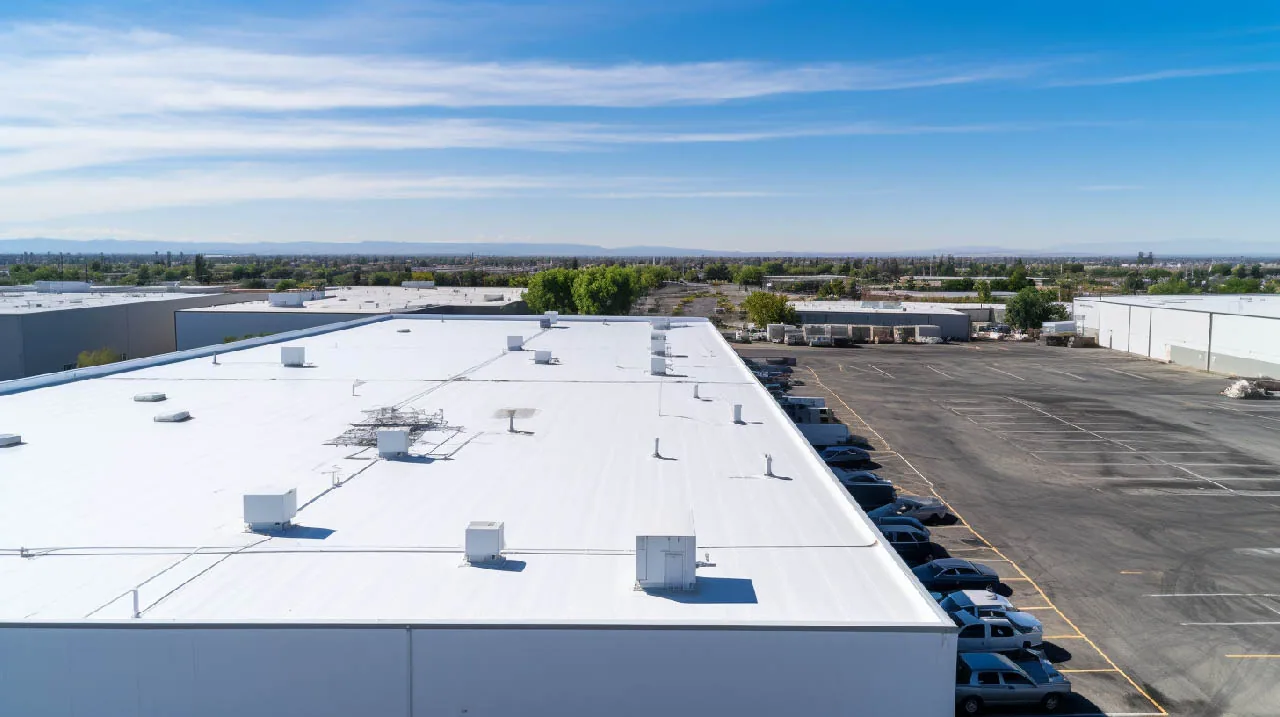
Rubber keeps its elasticity where other sheets turn brittle, which is the main reason it is used so widely across northern climates. The Twin Cities reached 23 below zero on January 21, 2014, within the 2013-14 season that accumulated 69.8 inches of snowfall. That seasonal total does not measure snow retained on a roof. A roof exposed to that season is a useful test of the membrane, and we take the readings in the spring when the snow has cleared.
Snow removal is the real hazard. A shovel, a blade or a roof rake can cut a rubber sheet that has been stiffened by cold, and the damage often sits under a thin skin of ice. We photograph the roof before and after any removal and mark the cuts, so later findings can be compared with the documented clearing interval. Photographs may support attribution without proving it in every case. The same sequence of photographs serves the owner after snow and ice damage of any other kind.
Repairing Rubber With Splice Tape, Patches and Liquid Flashing
A repair on EPDM only works on a surface that has been cleaned and primed, because weathered rubber carries a powdery film that defeats adhesives. We scrub the area, apply the primer, and set a cured patch with splice tape, rolling each edge down with a pressure roller. For awkward corners and penetrations, a manufacturer-approved liquid flashing or formable EPDM detail may suit the geometry. Resin compatibility is checked for the actual rubber and primer.
Cold slows adhesives, so the temperature and the date go on the repair record. A repair made in the cold is flagged for a second look when spring arrives. Where ponding sits on the sheet, we recommend measuring depth at the drain and addressing ponding water, because ponding warrants product-specific assessment of the sheet and seams and adds weight the structure has to carry.
Tracking Older Rubber Roofs Across Industrial Parks and River Districts
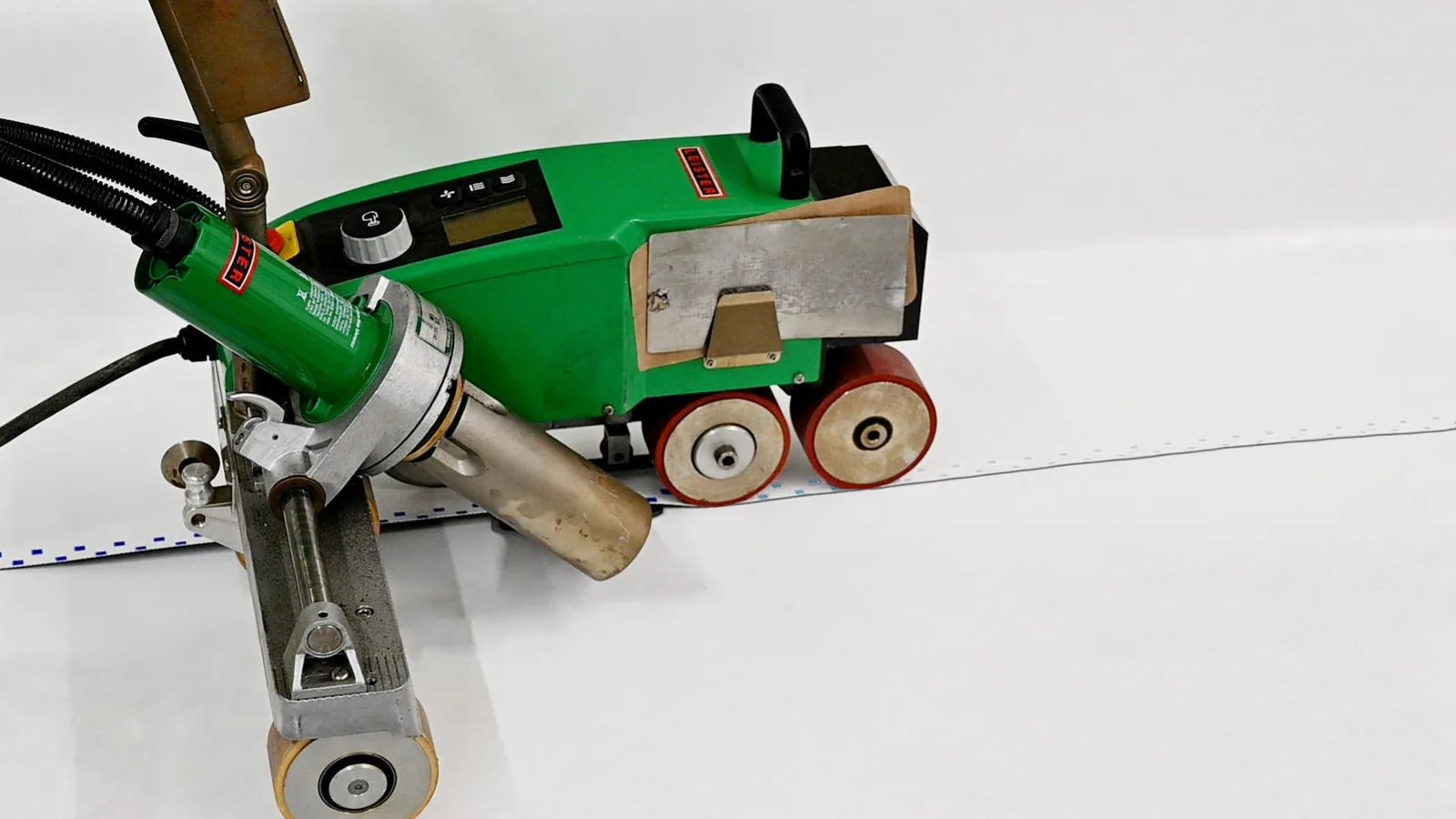
Some owners hold many roofs, and a log makes them comparable. In Cottage Grove, where Cottage Grove Logistics Park is a large east metro warehouse site, an owner can read a year of shrinkage measurements across several buildings and plan work by evidence. The south side of the Mississippi, where the Port Authority's Riverview and Riverview West business centers occupy 352 acres, offers the same advantage to owners with older industrial buildings.
When a rubber roof is dry but near the end of its life, the file supports a scheduled project rather than an emergency one. A coating restoration may extend a sound sheet, while a failing one calls for replacement. We bring the moisture readings, the shrinkage log and the repair history to the same page so the choice is clear.
Questions We Hear
Why did my rubber roof pull away from the parapet wall?
Rubber shrinks a little as it ages, and the sheet tightens against any wall or curb it is bonded to. The pull shows first at corners and at the base of flashings. We measure the gap, photograph it against a tape and mark it on the plan, then check the bond and the cap flashing above to see whether it is safe to reattach.
Can snow removal damage an EPDM membrane?
Shovels, blades and ice chippers can cut rubber, especially when it is cold and stiff. We photograph the roof before and after removal, mark any nicks and repair them with a primed patch. That sequence gives the owner a record that ties each cut to a date, which matters if a tenant or a contractor disputes what happened.
Is stone ballast a concern for an older structure?
Stone adds real weight, and the cited 50 psf ground-snow input is not roof capacity. Before a recover, the engineer evaluates roof design loads, ballast weight and the framing condition. If the numbers do not leave enough reserve, we recommend an adhered or lighter attached system.
Will a patch hold on rubber that has weathered for years?
Surface cleaning and priming are necessary, but the approved repair materials and membrane condition also determine whether a bond is suitable. We test a small patch first and evaluate its adhesion using the product's specified method. An informal pull or torn sheet is not a universal acceptance test. A failed test is logged, and the discussion moves to a larger repair, a coating or replacement.
What should the owner of a dry but old rubber roof do?
Keep a dated record and schedule the work before leaks force it. Annual shrinkage measurements, seam checks and moisture readings give a clear picture of the remaining life. A planned project can be bid in a quiet season and timed for tenants, while an emergency cannot.