
Commercial Roofing in Maplewood, MN
Roof inspection, repair and replacement for the mall, hospital, corporate campus and retail buildings of Maplewood, MN, with dated condition records.
Request a Roof Assessment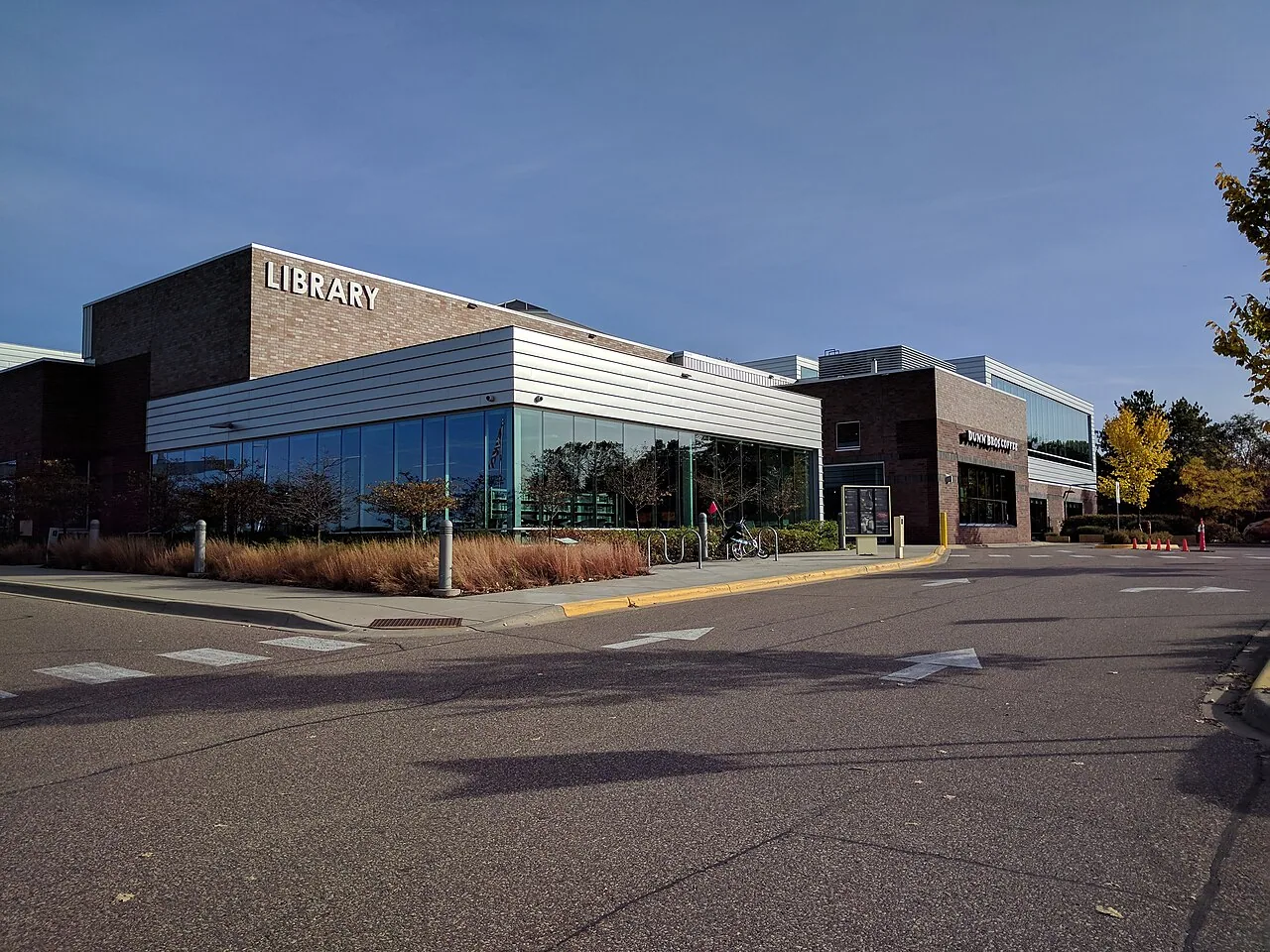
Maplewood
The former Macy's building at Maplewood Mall changed use in July 2025, when a Pan Asian Center opened there, and a change of use is the moment a roof record earns its keep. A fit-out can add equipment or penetrations that need inspection against the existing roof record. On a Maplewood, MN property like that, we walk the roof before the first rooftop addition and again after the last, so the owner can see exactly what changed.
Maplewood combines research, healthcare, grocery and retail properties. Employers include 3M, St. John's Hospital, Target, Costco and Cub Foods. US 61, MN 36, I-35E, I-94, I-694 and I-494 provide regional approaches for service and material deliveries; we confirm the usable entrance and staging area at each property. The inspection record follows the roof assembly and occupied space actually assessed.
Recording a Mall Roof Before and After a Change of Use
Maplewood Mall opened in 1974 and has two floors. For an inspected section, we identify the present membrane, details and drainage route. Appropriate samples can establish construction at selected points. Moisture patterns need interpretation and confirmation before they define removal. The report separates visible defects, confirmed layers and limits of the inspection.
When a large store space changes tenants, we log the penetrations that serve it, check the flashings and measure the drainage around the rooftop units. A shopping center roof records its repairs by section, so the owner can show which sections have been addressed and which are still waiting. If a new use brings heavier equipment, we compare the proposed position of each unit with the deck type and the drifts that form beside it, and we flag the ones that call for an engineer's review.
Logging Each Wing of a Research and Corporate Campus
3M built the first buildings of its central research laboratory in Maplewood in 1955 and moved its main campus there in 1962. A roof record for a campus identifies each installed section and its connections. Samples where needed and dated inspection findings establish the present assembly, while repair documents help identify earlier alterations. The facilities team receives separate findings for each assessed building.
Where a leak could affect research equipment, we map the roof zone to the rooms below and locate exhaust, intakes and process penetrations before work begins. The scope then identifies the protection and access restrictions needed for that area. A manufacturer with several buildings needs a ranking, so our written findings sort buildings by condition and consequence, and the work we do for manufacturers follows that order. The record is kept in one format across buildings so the facilities team can read any page in the file without relearning it.
Phasing Roof Work Around a Hospital's Patients
St. John's Hospital opened in 1985. Before a membrane is opened above clinical space, we locate every air intake, exhaust and relief hood, mark the ones serving critical rooms and map each roof section to the departments beneath. Noise, dust and odor are planned for in advance, and the sequence is set with the hospital's own staff so that the quietest hours go to the steps that need them.
A hospital roof carries consequences that a storage building's does not, so each defect is ranked by what lies below it. The hospital roof record includes moisture readings, photographs and a written description of every flagged section, and it gives a healthcare system a document it can share with infection control, risk management and insurers. Urgent calls are taken at any hour, with safe access and operating precautions confirmed before protection. Permanent work is arranged with facilities staff within suitable installation conditions.
At closeout, the facilities contact receives a marked plan of the sections completed, photographs of new details and a list of items still open for follow-up. The handoff distinguishes permanent work from any temporary protection and names the condition that needs another visit. A dated record also helps the next maintenance inspection check whether a repaired curb or flashing remains sound. When other Maplewood buildings need work, their findings and work zones are documented separately, even when one contractor coordinates the schedule.
Before a new unit or exhaust line is installed, facilities staff can compare the proposed curb location with the roof plan and any open repair item. We record the new penetration after installation so later leak calls can distinguish the original condition from the changed detail.
Checking Grocery and Big-Box Roofs Near the Freight Routes
Retail operations including Target, Costco and Cub Foods make equipment and service access useful planning subjects. On a grocery store roof we look at condensers, refrigerant lines, kitchen and bakery exhaust and the traffic of refrigeration service staff, since each visit can disturb a flashing. A wide retail roof also collects drifted snow beside taller sections and equipment, which we map for further review where loading raises a concern. Measured depth records distribution; it does not establish weight or structural capacity.
Retail work has to leave entrances open, protect product and keep the staging area away from customers. We plan phases so a section is dried in before the next opens, schedule noisy steps for hours the store names and keep a daily log of what was opened, repaired and closed. Snow and freezing conditions can interrupt installation, so the daily opening and temporary closure need a weather-dependent plan.
Documenting Flood-Warning Storms and Winter Loads
Maplewood was named in the July 2025 severe-weather flood warnings. We assess the inspected roof's runoff and physical damage, keeping regional storm observations separate from findings at the building. After a storm like that, we look at drains, overflow scuppers and ponded areas, and we photograph any displaced edge metal or punctures before debris is cleared.
Winter produces a different record. Snowmelt can freeze again at a colder eave. We document the ice accumulation, nearby flashing and any evidence of heat escaping through the assembly before selecting a corrective detail. A building that has suffered from snow and ice roof damage benefits from a dated baseline, and the same discipline serves owners in Woodbury and Roseville, with separate findings for each address.
Questions We Hear
What goes into the roof file when a large store space gets a new tenant?
Photographs of each roof section, a count of the penetrations serving the space, moisture readings around the existing units and a plan showing where new equipment will sit. After the fit-out, we repeat the walk and compare, so the owner can see whether the roof changed.
How are the additions to an older research campus recorded?
Each installed section receives its own material and condition entry. We inspect its drainage and transitions and take samples where required. Building dates help organize the history, while the present assembly findings establish the repair scope.
What does a hospital need to settle before a roof crew starts?
The air system, the schedule and the contacts. Hospital staff identify intakes that serve critical rooms and the hours when noise or dust is least acceptable, and we set work zones and the order of repairs around those answers.
Which details on a grocery roof get checked before winter?
Condenser curbs, refrigerant line supports, exhaust fan flashings and the walkways between units. These are the places where service traffic wears the membrane, and snow melt can find a gap. Each one gets a dated photograph so spring can be compared against fall.
How is a flat roof checked after a flood warning when no hail fell?
We read the drains and ponding first. Standing water that remains after the rain, staining on the membrane and blocked strainers show how the roof drained, while seams and flashing in those areas receive closer examination for an entry route.