
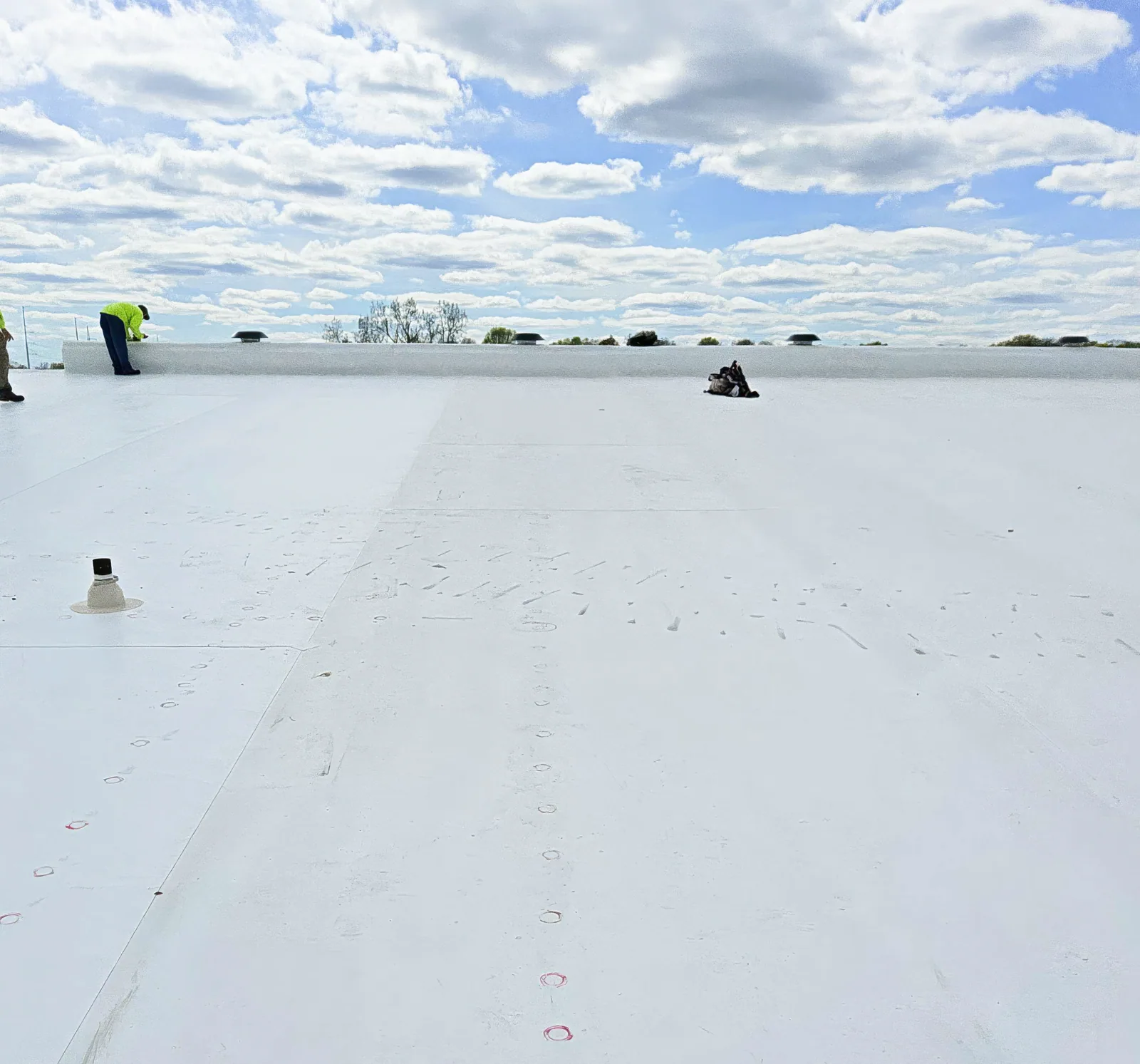
TPO Roofing
TPO single-ply roofing in St. Paul, MN: seam probing, attachment choices for snow and hail, and a dated photo record of every weld we repair or install.
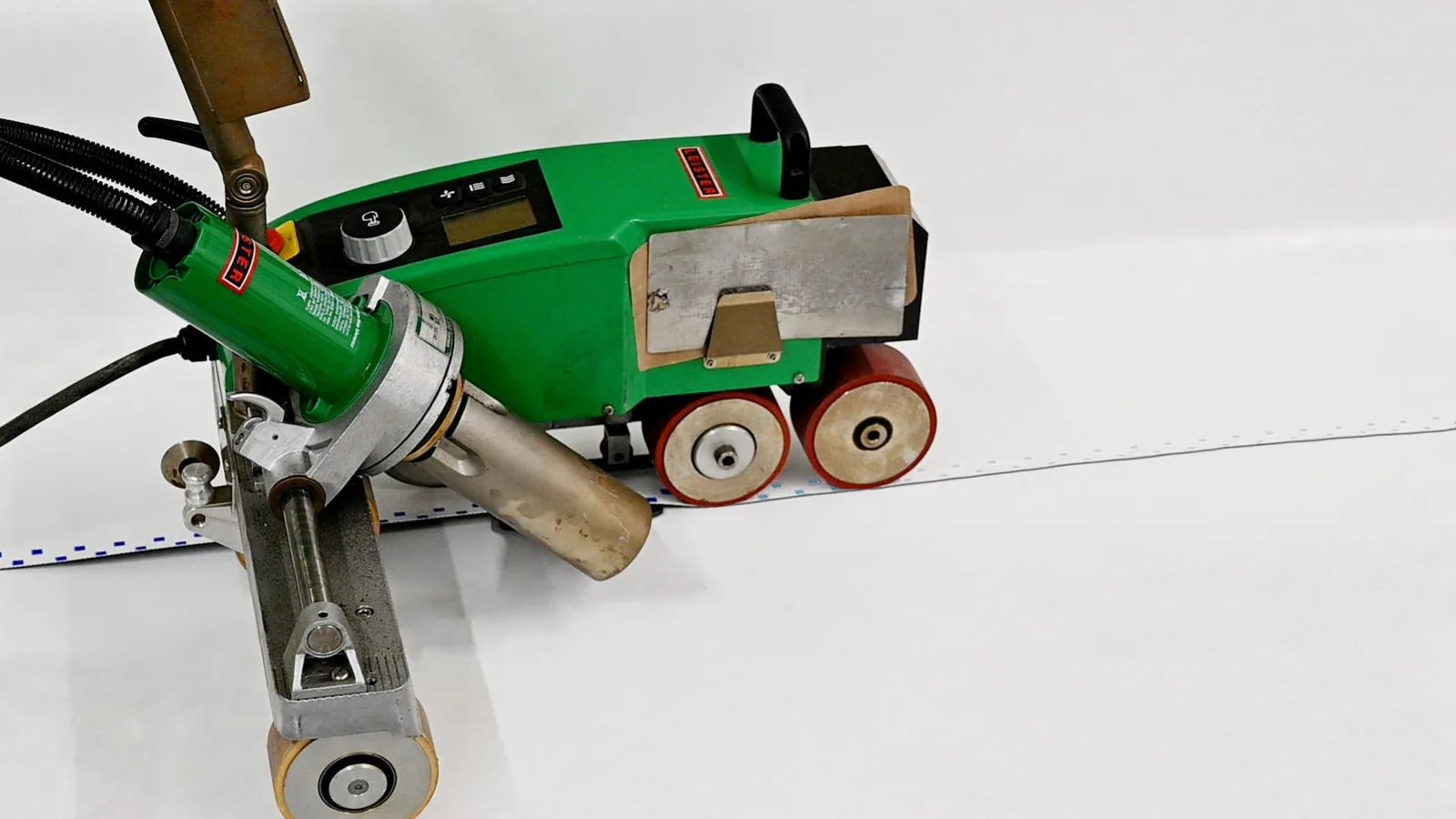
PVC Roofing
PVC single-ply roofing in St. Paul, MN for rooftops exposed to grease and exhaust, with weld testing, flexibility checks and a dated record of each repair.

EPDM Rubber Roofing
EPDM rubber roofing in St. Paul, MN: shrinkage and splice checks, ballast and snow load review, and a photo record that follows every patch we make.
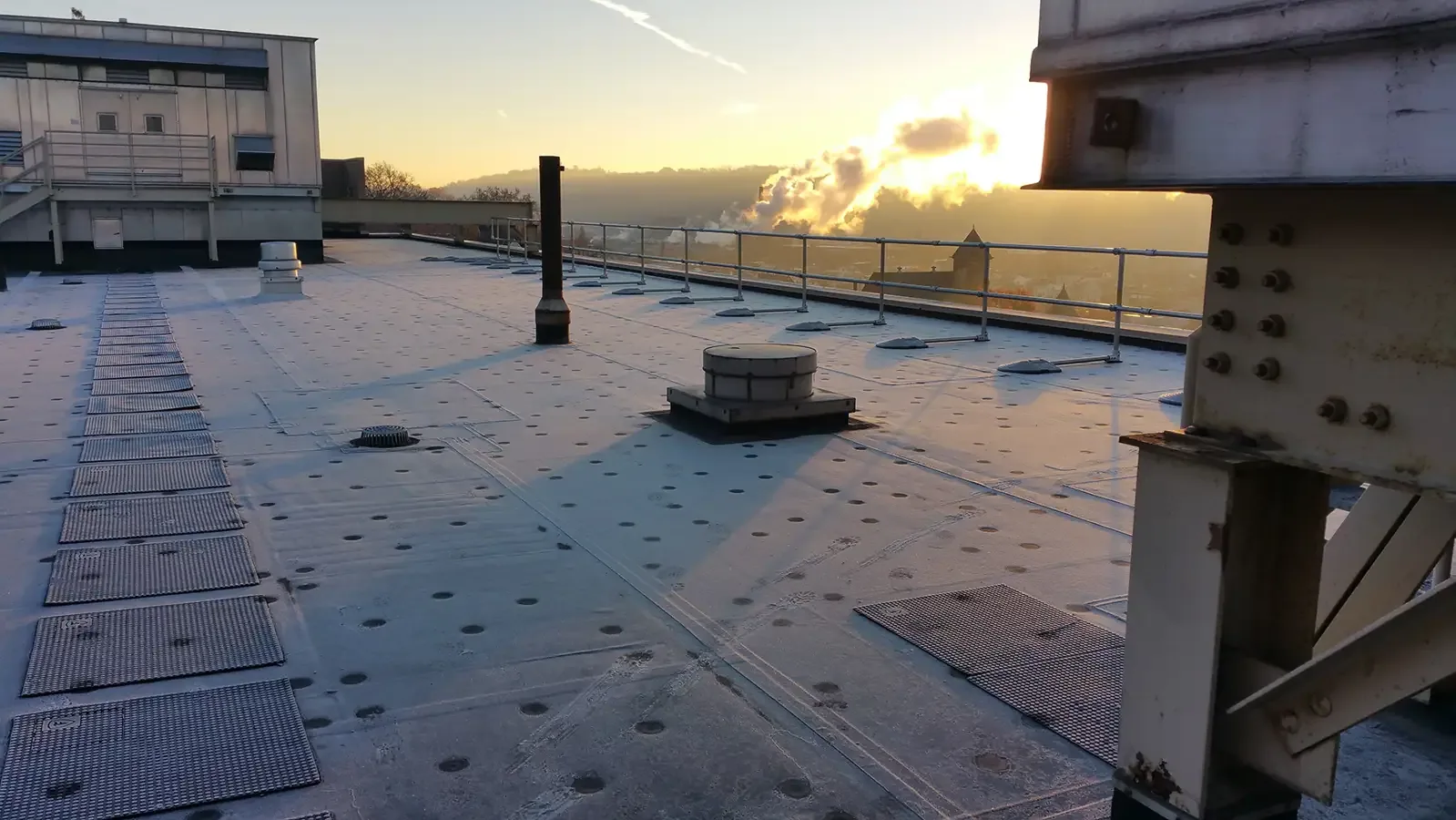
KEE Roofing
KEE and PVC-alloy roofing in St. Paul, MN for grease-heavy rooftops, with exhaust mapping, degreased welds and a dated photo record of every repair.
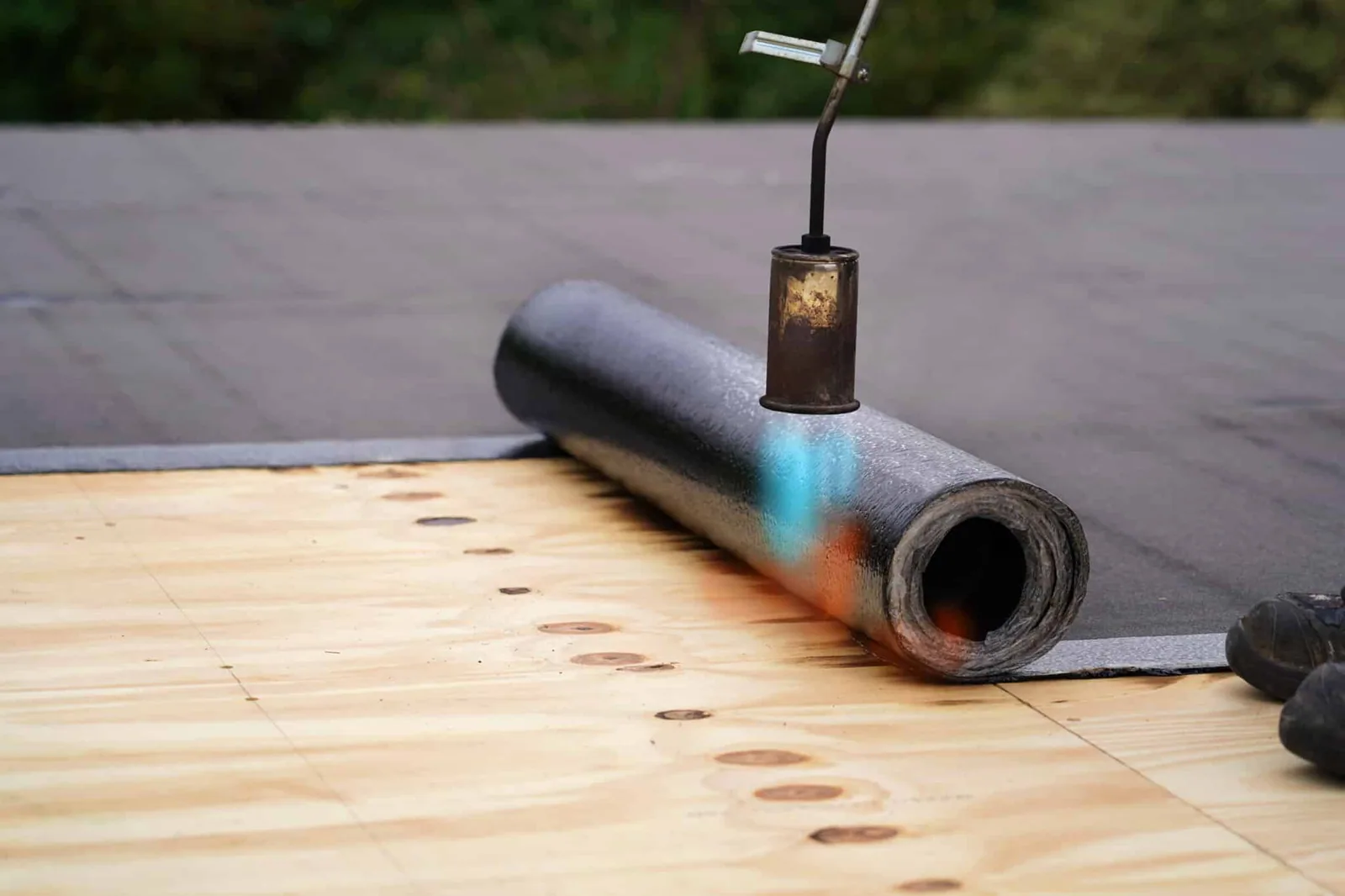
Modified Bitumen Roofing
SBS and APP modified bitumen roofing in St. Paul, MN: granule and lap inspection, torch-free options for older buildings, and dated photos of every repair.
Built-Up Roofing (BUR)
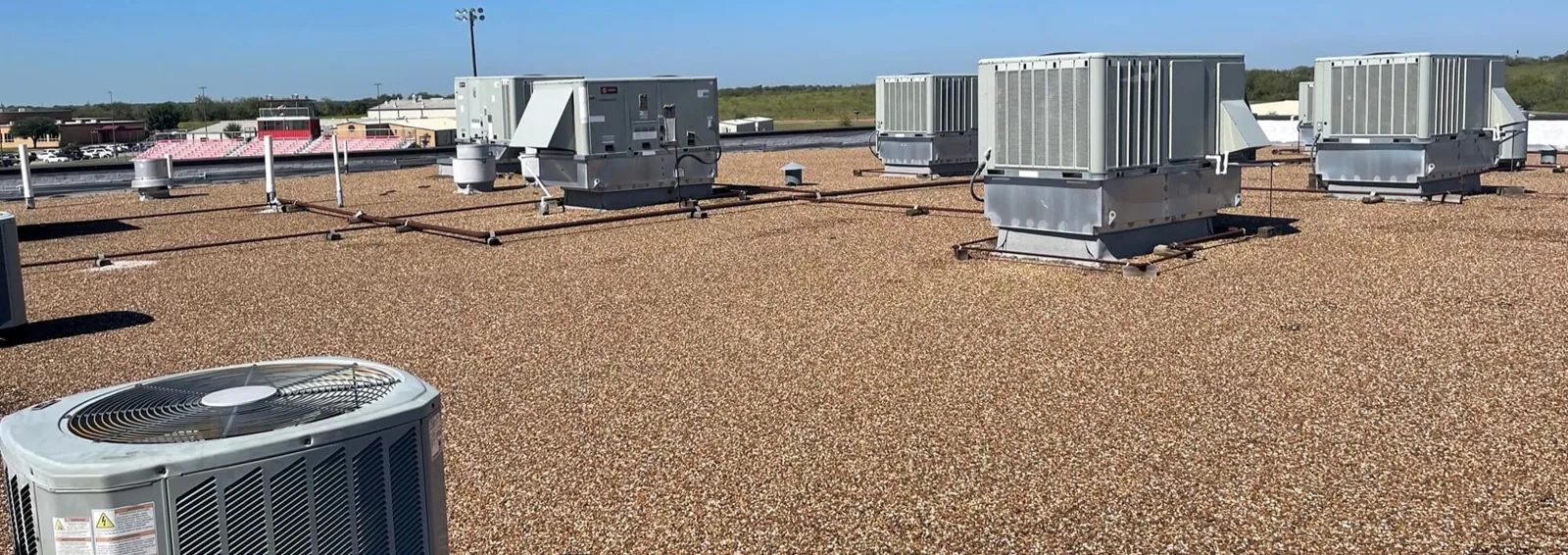
Built-up (BUR) roof repair and installation in St. Paul, MN: cleared test squares, ply counts from core cuts and a dated photo log of each kettle-applied layer.

Standing Seam Metal Roofing
Standing seam metal roofing in St. Paul, MN: clip and seam checks, snow retention planning, hail dent records and dated photographs of every panel we repair.
Metal Roof Retrofit and Restoration
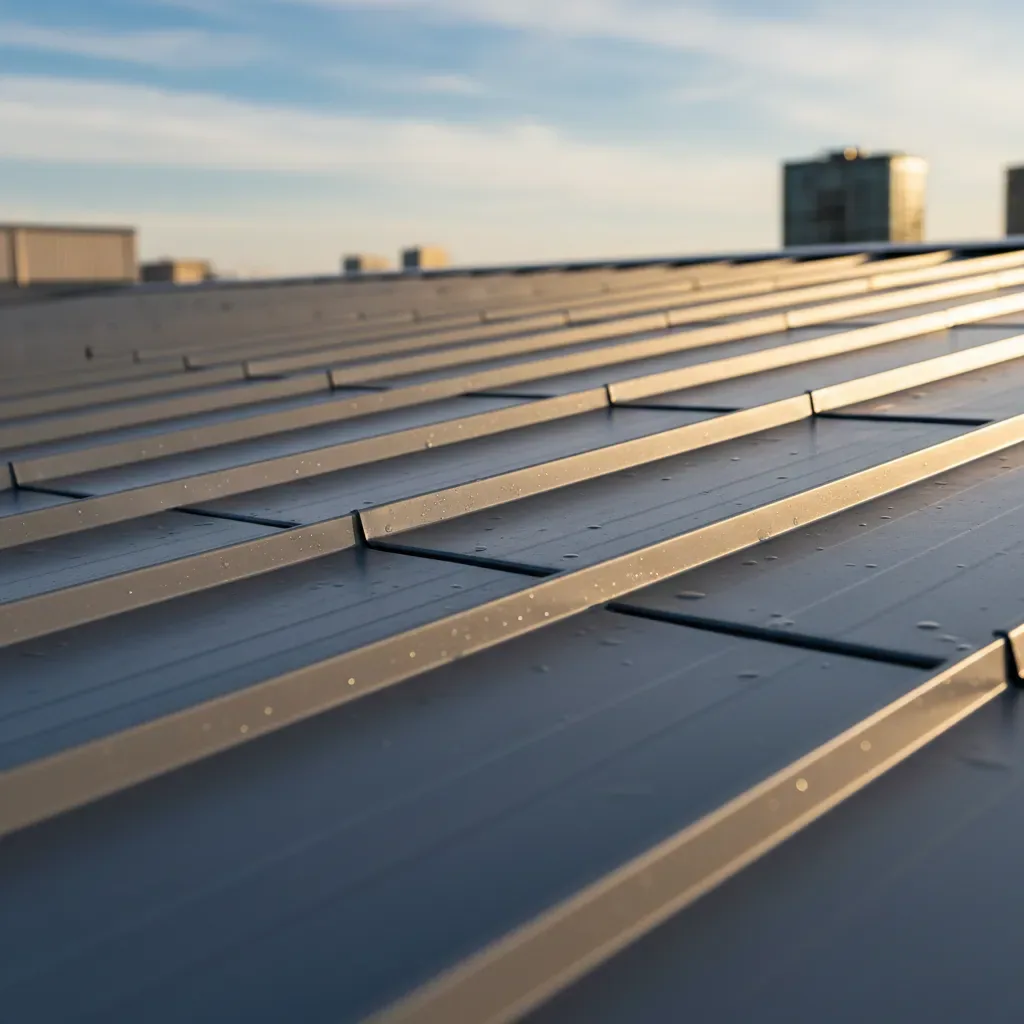
Retrofit and restoration for exposed-fastener metal roofs in St. Paul, MN, with fastener grids, condensation checks and dated photographs of every panel.
Spray Polyurethane Foam Roofing
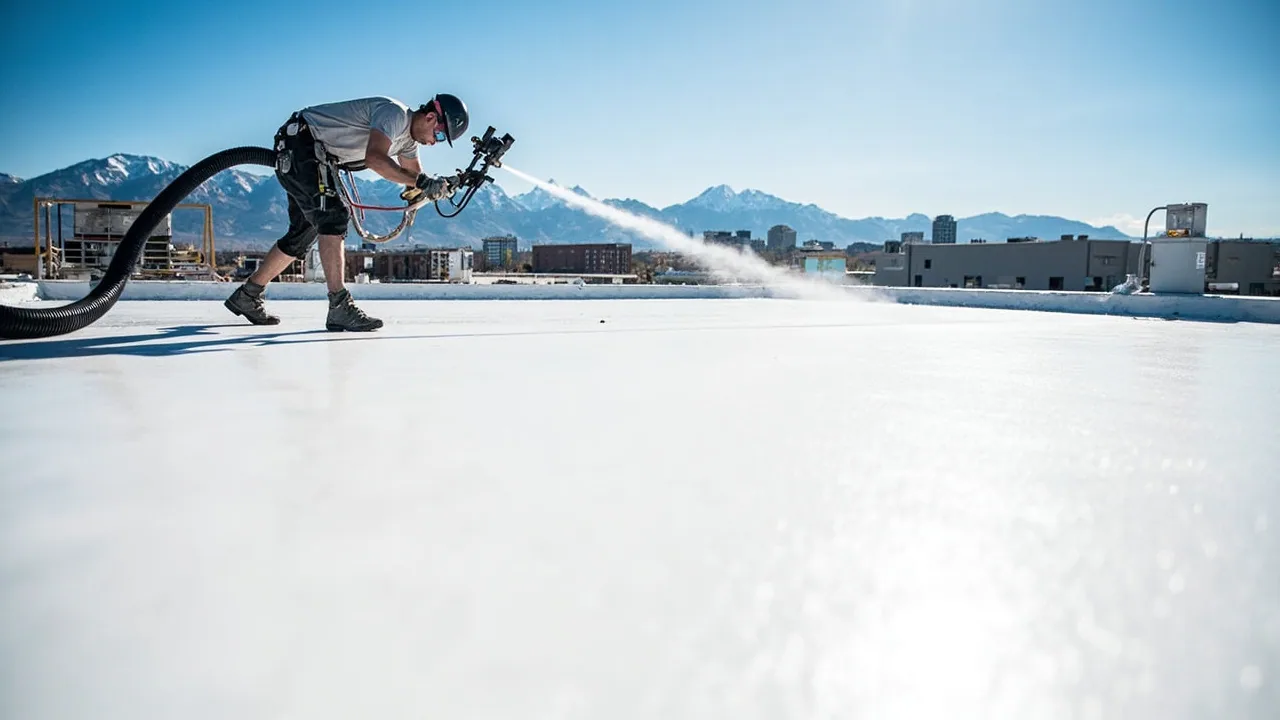
Spray polyurethane foam roofs in St. Paul, MN: moisture-tested substrates, measured foam thickness, protective coatings and a dated record of the finished roof.
Silicone Roof Coatings
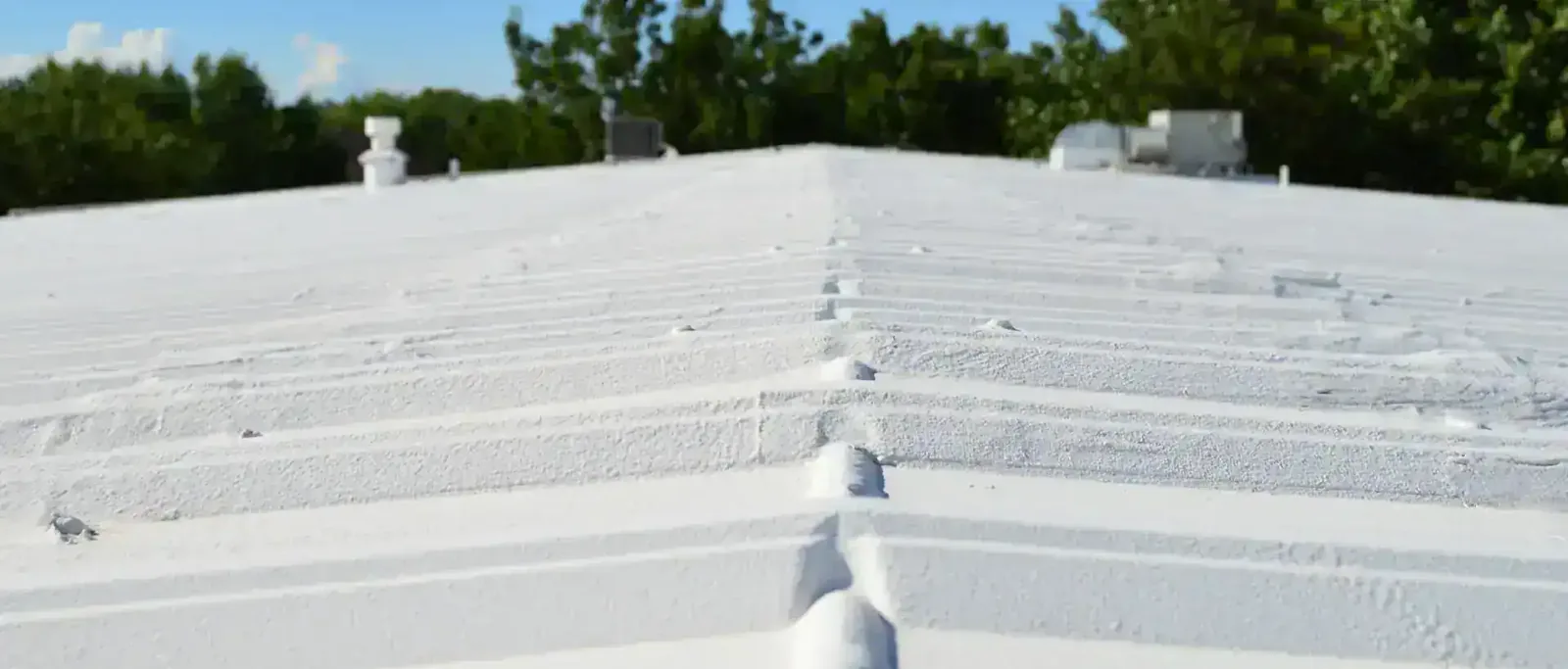
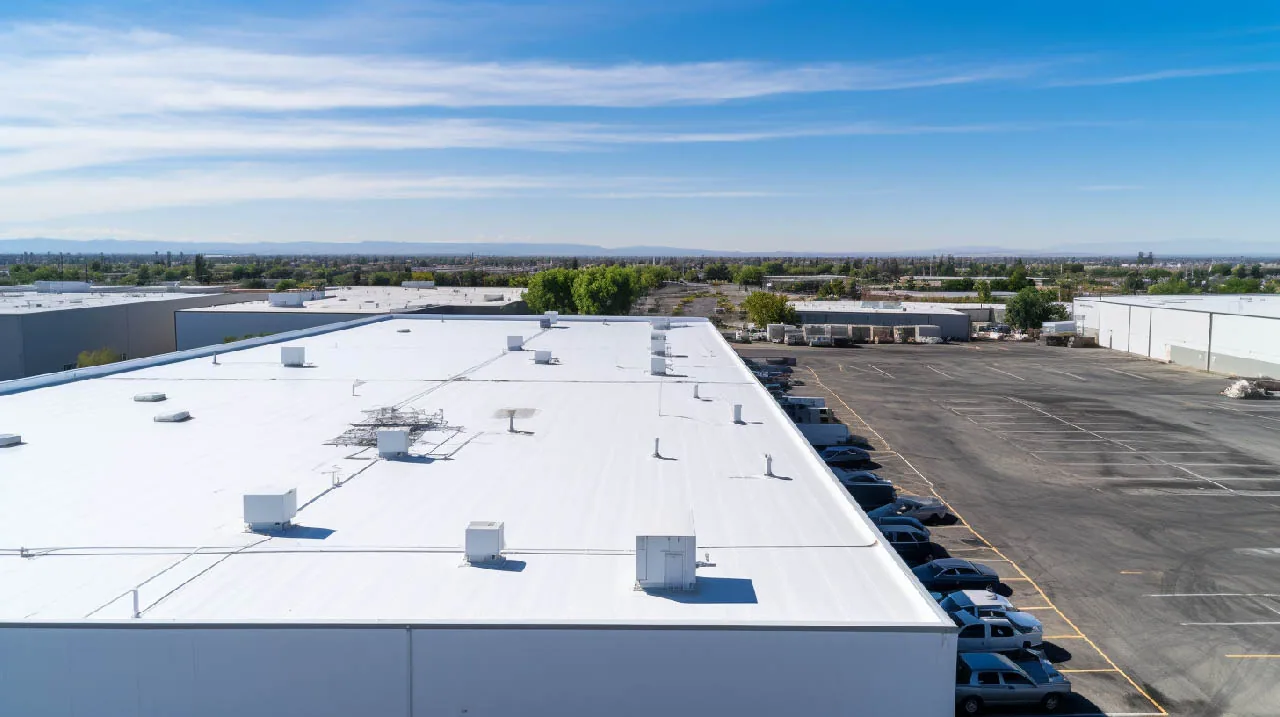
Silicone coating systems for St. Paul, MN commercial roofs: ponding mapped first, surfaces tested for adhesion, film thickness measured and every coat dated.
Acrylic Roof Coatings
Acrylic coating systems for sound St. Paul, MN commercial roofs: surface condition recorded, weather windows logged and every coat documented for the file.
Identifying the System Already on the Roof
Many roofs are mixed. A newer sheet may lap onto an older one, and a core often shows a base layer that no drawing mentions. That holds in Lowertown, where the historic district has 37 contributing properties built between the 1870s and the 1920s, as it does anywhere else in the city. A core counts the layers, measures the insulation and shows whether the lower layers are dry enough to build on.
Weighing Single-Ply Membranes Against Their Winters
Single-ply sheets are the usual choice on low-slope roofs. TPO and PVC are heat-welded at the seams, which gives a record we can probe and photograph, and PVC selection near kitchen or process exhaust requires product-specific exposure review. EPDM stays flexible in deep cold. Ramsey County's 50 psf ground snow design input is translated into roof-specific loading by the designer. Deck strength, existing loads and added assembly weight require structural review; insulation thickness alone does not establish load capacity.
Comparing Layered, Metal and Sprayed Assemblies
Modified bitumen and built-up roofing add redundancy through plies, which suits roofs with heavy foot traffic from mechanical crews. Standing seam metal sheds snow and ice quickly but needs snow retention where a slide would reach a doorway. Spray foam adds insulation and seals irregular surfaces, so it is worth considering where an ice dam traces back to heat loss at an eave.
Restoring Sound Roofs With Coatings
A roof with dry insulation and a sound but weathered surface may not need a new membrane. A silicone coating and an acrylic coating each require product-specific review of substrate, preparation, drainage and ponding limits. Chemistry alone does not establish suitability or warranty coverage. Either one goes on only after adhesion tests on a small patch of the existing surface. The Port Authority's Energy Park business center combines industrial, commercial and residential buildings, and a roof there with dry insulation and a sound surface is a candidate for this kind of restoration.
Commercial Roofing Questions
Which membrane copes best with freeze and thaw cycles on a St. Paul roof?
Evaluate the complete assembly rather than a product name alone. Drainage, attachment, material properties, detailing and supporting condition affect performance through winter exposure. The written comparison explains how the selected system meets the requirements of this building.
Can a new system go over the old one on a building in Lowertown?
A recover requires a full eligibility review. Samples describe the layers and moisture at tested locations; attachment, weight, substrate condition and applicable requirements are checked separately. Unresolved structural capacity needs engineering review before added loading is approved.
Does the 54-inch snowfall normal tell me how much snow is on my roof?
No. It is a historical annual snowfall normal, not roof depth or a loading measure. Record current depth and distribution, then have capacity assessed from the building documents.
Can a 50 psf ground-snow input be treated as spare roof capacity?
No. Ground-snow design input is not a roof capacity rating or evidence of spare capacity. Added loading needs a qualified structural review.