
Standing Seam Metal Roofing in St. Paul, MN
Standing seam metal roofing in St. Paul, MN: clip and seam checks, snow retention planning, hail dent records and dated photographs of every panel we repair.
Request a Roof Assessment
Standing Seam Metal Roofing
After a thaw, the first thing we record on a standing seam roof is where the snow has let go. A smooth metal panel sheds its load in sheets, and the tracks it leaves, the bent snow guards and the ice stacked at the eave show where that load went. We photograph each track, note what sits below it, and measure the depth of whatever remains. For a St. Paul owner, that dated record locates observed slides and the exposure below. It supports a retention and access review without certifying safe release from photographs alone.
Checking Seams, Clips and Panel Movement Along Every Run
A standing seam roof has raised, interlocked seams and hidden clips, so there are no exposed fasteners in the field of the panel. That design lets the panels expand and contract with temperature, and it also means problems start in places that are easy to miss. We walk each run beside the seams, looking for open or distorted edges, panels that have crept out of their clips, and sealant failing at end laps.
Thermal movement is recorded as well. Metal grows and shrinks along its length every day, and over a Minnesota year the swing between a deep freeze and a hot afternoon is large. We look at the clips, the panel ends at the ridge and eave, and the trim that must slide freely. Binding shows as buckled panels or torn sealant, and each case goes in the log with a photograph, a date and a position on the plan.
Placing Snow Retention Where a Slide Could Do Harm
Designed snow retention reduces sudden sliding, but does not assure that every accumulation remains in place until melted. Where a roof sheds over an entrance, a walkway or a parking lane, a slide is a hazard, and guards belong above that line. A property with foot traffic beside the building, such as an open-air retail center like Woodbury Lakes, is where that layout matters most. The retained snow adds load to the panels and clips, so the engineer evaluates the retention layout using project roof loads, slope and attachment capacities. The cited 50 psf ground input cannot be used as the panel or guard capacity.
We photograph the existing retention, check that each guard is fastened to the seam as designed, and record gaps. Heavy drifts form against penthouses and rooftop units, and the guards upslope of them need the same attention. The record we leave lets an owner show an insurer exactly what was in place before a slide caused an injury or damage.
Documenting Hail Dents, Finish Wear and Fastener Cover
A dent in metal is not always a failure, and the difference has to be proven with a record. July 2025 Twin Cities reports describe strong wind and golf-ball-size hail. The May outbreak's very large hail was reported farther west in Minnesota and in western Wisconsin, so its maximum size cannot be assigned to a St. Paul roof. After storms like those we chalk the dents, count them in test squares, and check whether the finish has cracked, because cracked paint opens the way to corrosion.
A dent assessment checks seam integrity, panel shape and finish condition separately. A cracked coating may affect corrosion protection without creating an immediate opening. We separate the two in writing, with photographs of each. A hail damage repair file organized that way lets an adjuster and an owner work from the same evidence and reach a fair scope. Woodbury was among the cities under the flash flood warning that July evening, so the warning supplies event context rather than proof that any particular dent came from that storm.
Sealing Curbs, Penetrations and Eaves Against Ice Dams
The panels are rarely where a standing seam roof leaks. Curbs, skylights, vent pipes and end laps are, and so are the eaves where ice builds. Ice dams start where heat escapes through the roof assembly: snowmelt runs to the unheated edge, freezes, and builds a ridge that holds back the next melt. Water backed up behind the ice can find the smallest gap at a trim lap, so we photograph the ice and then the lap beneath it after the melt.
Details are checked for movement room as well as seal. A penetration detail that restrains designed panel movement can strain its seal as temperatures change. We study skylight and penetration flashing for that mistake, and for the underlayment at the eave, which is selected for the approved roof assembly, exposure and applicable requirements rather than a universal material rule. Each finding is recorded with the same date stamp as the rest of the inspection.
Weighing Standing Seam Against a Membrane for the Next Roof
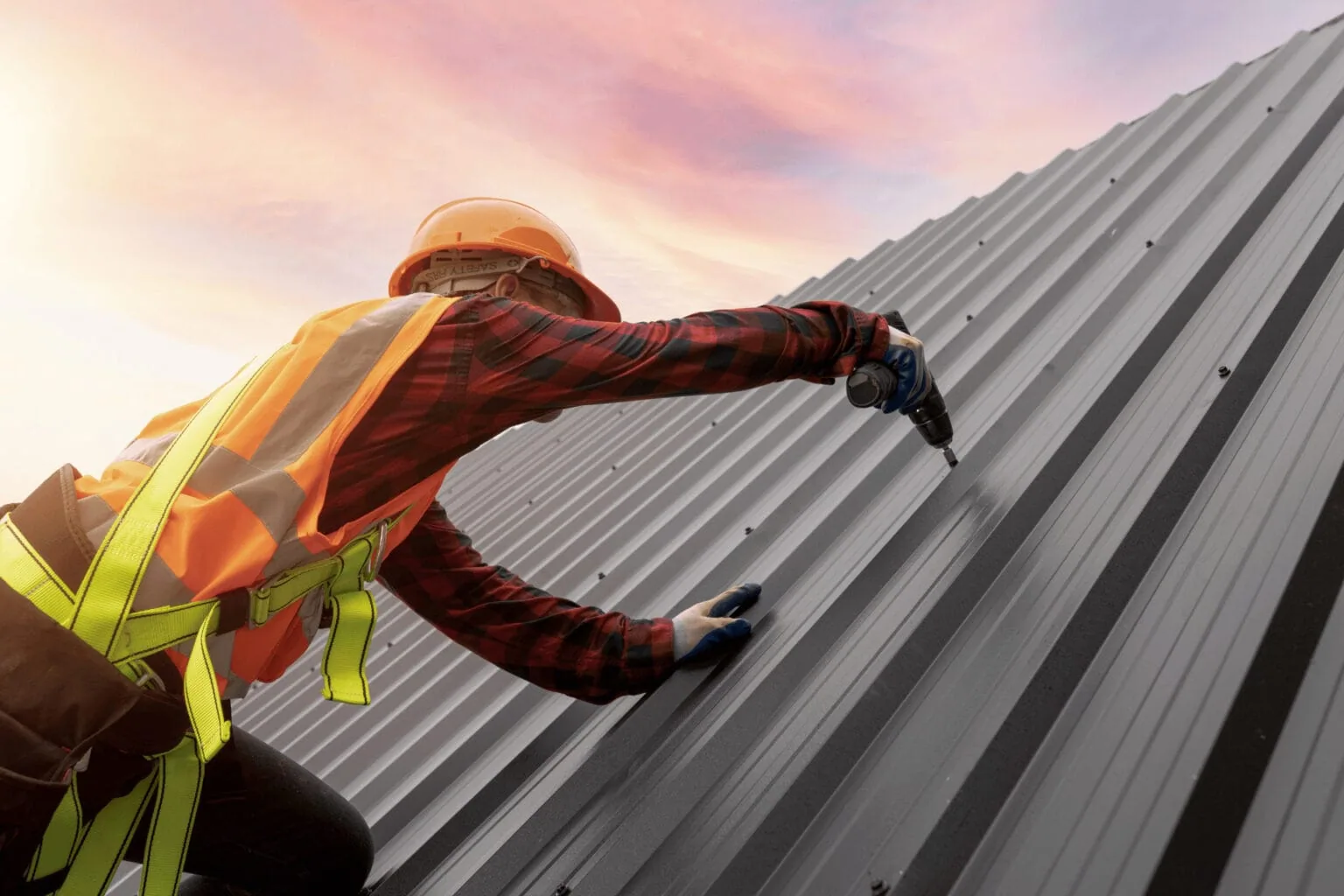
Standing seam is chosen for its long service and its fit on steeper roofs, while a membrane such as TPO suits a truly flat deck. Cost drivers can be listed without guesswork: panel gauge and finish, the number of ridges and valleys, the height of the work, and the way snow retention is laid out. The roof deck must be sound, and a full replacement brings the opportunity to bring insulation up to the current energy code.
Campuses and fairgrounds hold varied buildings with different roof shapes, and a metal roof can suit some of them. Along Summit Avenue, the University of St. Thomas spreads across 78 acres, and the Minnesota State Fairgrounds stretch over 322 acres in Falcon Heights, with buildings that are rented year-round. Where the building already has an older metal roof, a different set of choices applies, from restoring it to framing a new one over it, and a metal roof retrofit starts with the same dated survey.
Compare panel length, clip movement, underlayment, drainage and access for future repairs. A standing seam decision also needs a plan for equipment penetrations and snow release at entries or walkways. Keep those interfaces in the scope so the owner evaluates the full roof assembly rather than the visible metal alone.
Questions We Hear
Will snow slide off a standing seam roof without warning?
Metal sheds snow suddenly when the sun or the building heat releases the bond, and the slide can cross a walkway in seconds. Properly designed retention can reduce slide risk, while snow loading, guard damage and restricted routes still require monitoring. We record the existing layout, mark any entrance or walk below the eave, and list where guards belong.
Does a hail dent mean my metal roof has failed?
Not necessarily. The assessment checks seam distortion, openings and finish damage against the panel system and manufacturer criteria. A finish crack and a leaking seam have different consequences. Photographs and measured locations document those distinctions for review.
How much does a metal panel move with the temperature?
Panels lengthen and shorten along their run through every freeze and warm spell, and the clips, trim and seals must allow it. A long panel moves farther than a short one. We look for clips that have jammed and trim that has torn, because both mean the roof is fighting its own movement.
Where do standing seam roofs usually leak?
Mostly at curbs, penetrations, end laps and eaves, not in the field of the panel. We test those points first and log moisture readings near each. If water appears inside, the earlier photographs help identify changes and direct a new investigation.
What belongs in the file when a new metal roof goes on?
The panel profile and gauge, the finish, clip spacing, the underlayment at the eaves and the snow retention layout, with photographs at each stage. Dated shots of the deck before panels go down matter most, since they cannot be taken afterward. The file later supports warranty and insurance questions.