
Skylight, Curb and Penetration Flashing in St. Paul, MN
Skylight, curb and penetration flashing repair in St. Paul, MN, with every roof opening numbered, photographed and resealed to the manufacturer detail.
Request a Roof Assessment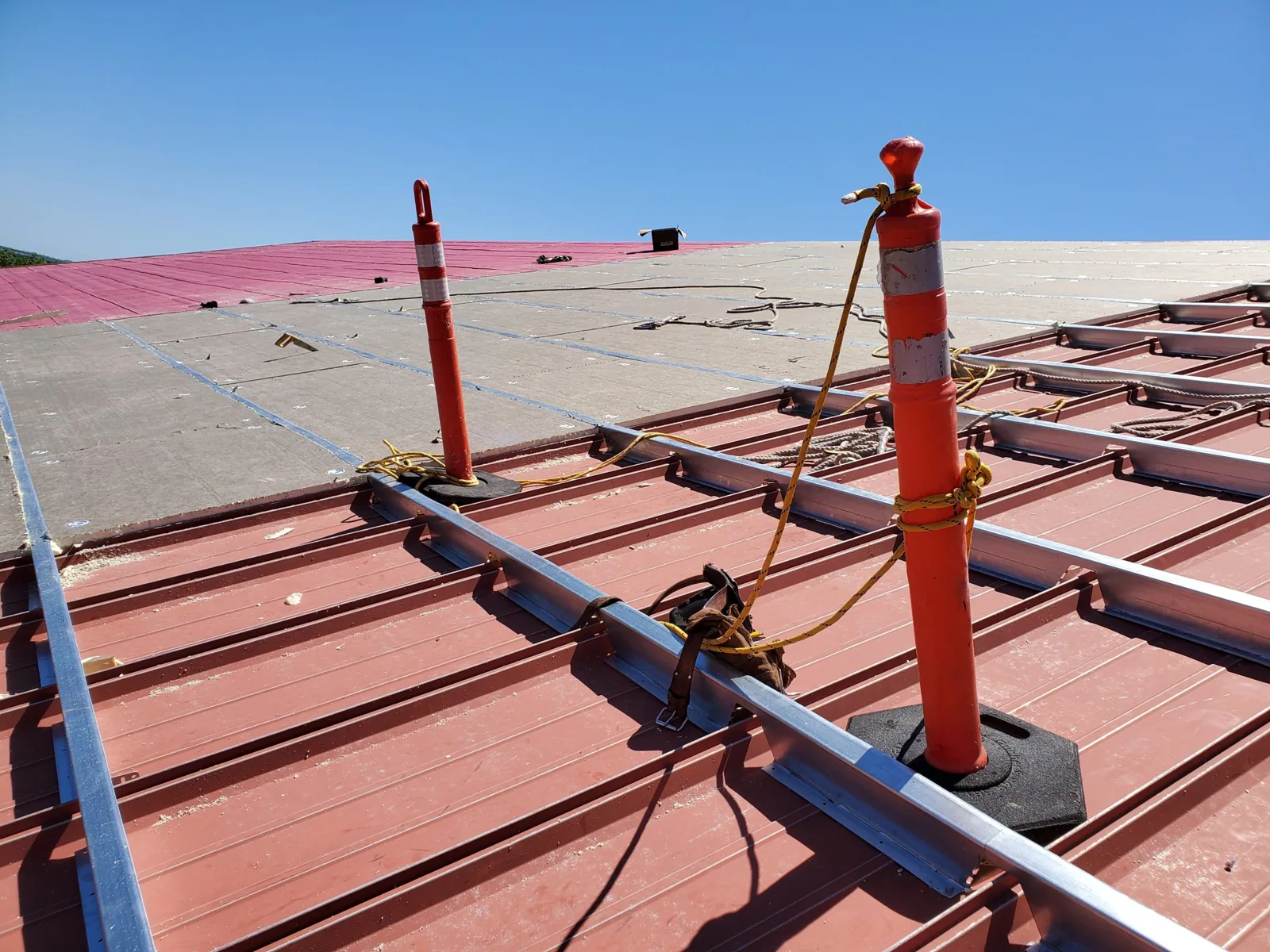
Skylight, Curb and Penetration Flashing
Snow drifts against a skylight curb long after the open roof field has cleared, and that lingering drift is where the flashing is tested hardest. Water sits against the base of the curb, melts through the afternoon and refreezes at night, so any gap in the seal gets a daily cycle of pressure. On a St. Paul roof penetrations warrant early inspection because their transitions can conceal defects, which is why we count them before we judge anything else. Each skylight, vent, conduit and pipe receives a number, a photograph and a condition note, and the log records the date it was last sealed or repaired.
Numbering Every Opening on the Roof Plan
A roof that looks plain in an aerial image can hold a long list of openings: plumbing vents, exhaust fans, gas lines, conduit, antenna mounts, roof hatches and skylights. Trades add and remove them over the years, and the oldest are often the least documented.
We build a numbered inventory of every opening with its type, size, flashing material and condition, and we mark which ones are still in service. Abandoned pipes and capped openings are noted too, because a capped penetration with failed sealant leaks as readily as a working one. The same numbering carries into every roof inspection, so findings line up from one visit to the next and a defect can be followed across years.
Reading Skylight Glazing, Frames and Curb Seals
Skylights fail in a few recognizable ways. Acrylic and polycarbonate domes craze and yellow in sunlight, and a cracked dome admits water at its edge. Hail can fracture a dome that survived years of sun, so after the July 2025 hailstorm, domes were among the first items to check on Twin Cities roofs. Metal frames open at the corners, and glazing gaskets harden in the cold.
Condensation causes a different problem. Warm interior air meets cold glass on a winter morning, and the water drips onto the floor below in a way that looks like a leak. We compare weather timing, indoor humidity, glazing condition and moisture findings at the curb, and we write which one we found. A condensation complaint then goes to the building's ventilation and glazing, and a true leak gets a roof repair.
Rebuilding Pipe and Conduit Flashing That Has Cracked
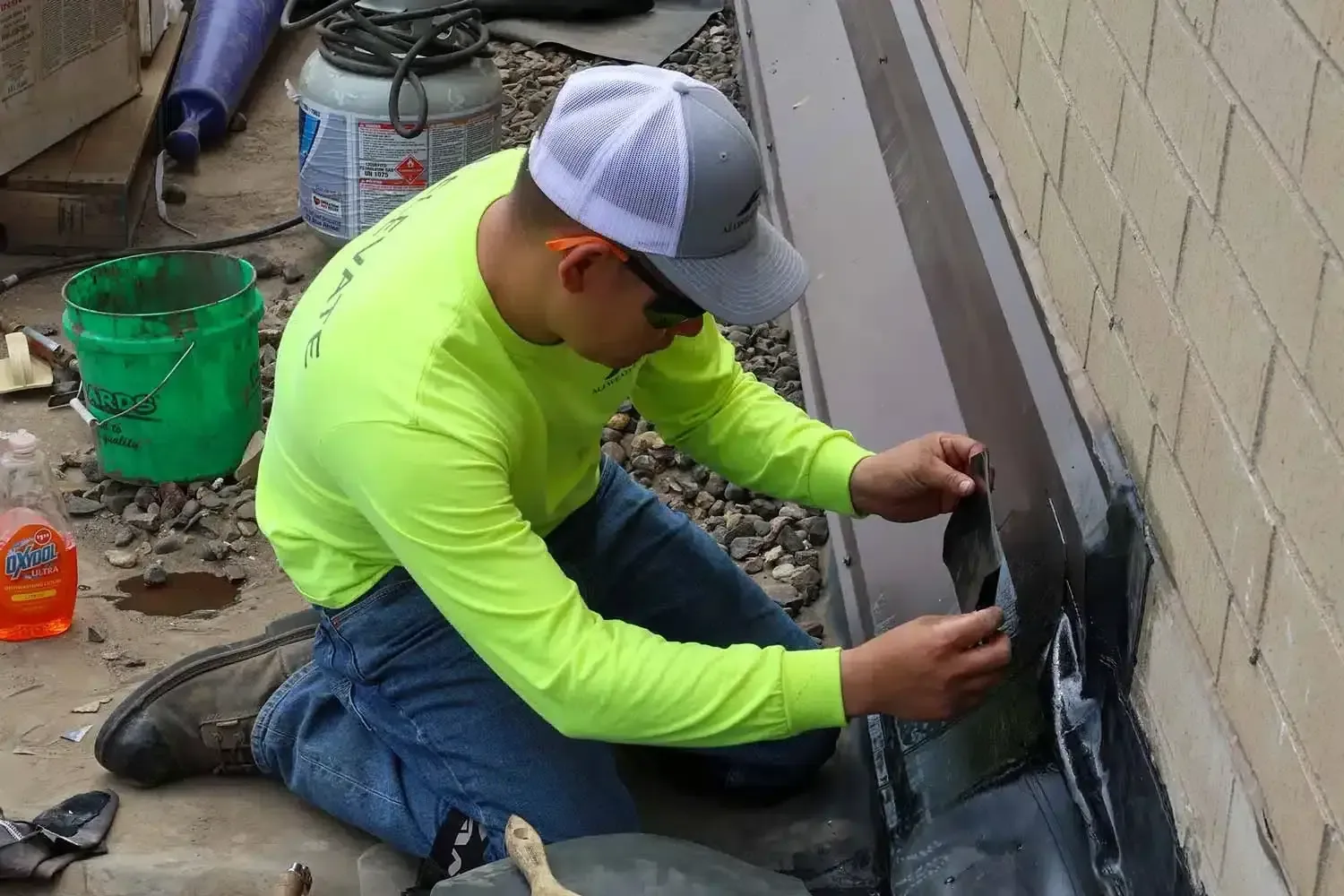
Rubber pipe boots split from sunlight and cold, pitch pans shrink away from the pipe they surround, and sealant smeared over a gap is not flashing. When a boot or pan has failed, we remove it, clean and prepare the membrane and install a prefabricated flashing that suits the membrane type. On TPO and similar thermoplastics that means a heat-welded boot, while other membranes use adhered or clamped flashing made for the material.
Every replaced item is photographed with its number before and after, so the log shows exactly what is installed. If a failed penetration has already wetted the insulation, leak repair includes moisture readings around the opening and a wider cut where the readings call for it.
Raising Curb Flashing Above the Snow and Ponded Meltwater
Curb flashing height follows the approved roof and skylight detail. Drifting may exceed that height, so drainage, termination and snow exposure also need review. Wind sweeping across an open roof field piles snow against curbs and units, and snow load implications depend on the engineer's building-specific assessment, not simply on the cited county ground-snow input. A drift against a skylight curb is also water waiting to melt.
We measure the flashing height above the membrane, check the top termination and counterflashing, and note whether the curb sits in a low spot where water gathers. A curb standing in a pond needs drainage and detail assessment, so a low curb is paired with a cricket or a drain correction. Larger mechanical supports are handled with rooftop equipment curbs and supports, which have their own flashing and loading details.
Replacing Worn Skylights With Insulated Units or Closing Them In
When a skylight has outlived its dome or frame, an owner has three paths: replace the glazing in the existing curb, install a new insulated unit on a rebuilt curb, or close the opening and cover it with roof membrane. The choice rests on how much daylight the space needs, what the interior ceiling looks like and how the unit performs thermally. Because a skylight is part of the thermal boundary, a replacement unit is also checked against the envelope rules in the applicable commercial energy provisions for that alteration.
Where daylight is no longer needed, framing the opening in, insulating it and covering it with the same membrane as the field removes the skylight detail while creating a new roof infill that still needs sound framing and waterproofing. Each option goes into the file with the old curb dimensions and the new build-up, so the change is documented before and after.
Coordinating With Trades Who Cut New Openings
Mechanical and electrical contractors add curbs, conduit and exhaust through a roof long after it was built. Office buildings in downtown St. Paul and flex buildings in Energy Park change tenants and equipment over time, and each change can add a penetration that nobody flashes properly. Buildings in Lowertown, where structures from the 1870s to the 1920s now hold lofts, breweries and restaurants, can pick up kitchen exhaust, vents and mechanical units with each new use.
We encourage owners to route every roof opening through a written sign-off, flash it to the manufacturer's detail and photograph it before the next trade arrives. The log notes who made the opening and when. If a problem appears later, the record shows whether the opening was flashed at the time of installation, and that detail often shortens the search for the cause.
For a new cut, our record identifies the approved opening location, framing support, membrane detail, interior protection and person authorized to accept the finished tie-in. We note the trade, date and drawing revision so later inspections can trace the change.

Questions We Hear
How do I tell condensation from a skylight leak?
Condensation appears on cold mornings, forms on the glass or frame and fades when the weather warms. A leak shows after rain or melt even when the glass is dry, and moisture readings at the curb help identify locations for direct confirmation. The timing pattern alone does not exclude either cause. We take both readings and put the results in the log.
Is sealant enough to fix a leaking pipe penetration?
Sealant may slow a leak for a short while, but sunlight and cold open it again. A lasting repair replaces the boot or flashing and ties it into the membrane. When sealant is used as a stopgap, the log marks it as temporary so it is not mistaken for the finished fix.
Can a skylight be removed and the roof closed up?
Yes, when daylight is not needed. The opening is framed, insulated and covered with membrane, and the owner's trades finish the ceiling below. We record the old curb dimensions and the new roof build-up so the change is documented.
What does a hail strike do to a skylight dome?
Hail can crack a dome outright or leave hairline fractures that open later in freeze and thaw. After a storm we inspect domes closely, photograph each crack with its number and date and add them to the storm file.
Why do leaks return at the same pipe after repair?
Repeat leaks point to something the first repair did not address: water ponding at the base, a pipe that moves with attached equipment, or wet insulation that keeps feeding the opening. Moisture readings around the penetration and earlier log entries narrow the cause.