
Rooftop Equipment Curbs and Supports in St. Paul, MN
Curb, equipment support and pipe support repair on St. Paul commercial roofs, with dated photos, moisture readings and a written record of every penetration.
Request a Roof Assessment
Rooftop Equipment Curbs and Supports
One of the most telling entries in a St. Paul roof log is made at a rooftop unit, a few inches above the membrane. After the first deep freeze, a curb that was tight in September shows a hairline gap where the counterflashing meets the metal, and a bead of sealant has pulled away from a pipe clamp. We photograph the gap with a scale beside it, take a moisture reading on the insulation within arm's reach, and write both down with the date. That entry records possible movement and moisture for further investigation; one reading does not establish their cause.
Curbs and supports combine loading, waterproofing and service access. The record documents each joint and support for the next repair.
Logging Every Curb, Support and Pipe Before Repairs Begin
We walk the roof with a numbered plan and give every penetration its own line in the inspection log. A unit curb gets its height above the membrane, the condition of its walls, the state of the base flashing and counterflashing, and whether the unit above it sits square. A pipe support gets the condition of the pad beneath it, the membrane under that pad, and any sign the pipe has been rubbing a fixed point. Conduit, refrigerant lines and gas piping are logged the same way, since a line that sags between supports drags on whatever it touches.
Repeat viewpoints support later comparison. Where the membrane near a curb is suspect, we add moisture readings at set distances from the base, and where one reads wet we cut a core sample to see the layers. Those dated findings support each repair recommendation.
Reading Snow Drift Patterns Around Units and Penthouses
Seasonal snowfall is not retained roof depth. Drift review records current accumulation, while the engineer assesses density, geometry and the building design. The cited 50 psf ground input does not state a roof load limit. On a flat roof, wind scours the open field and packs the snow against anything that stands up, so equipment zones need attention without assuming they are always the most heavily loaded areas. A low curb can sit under a drift deep enough to push meltwater over the flashing as it thaws.
We measure drift depth at each curb during a heavy snow season and record which side of the unit collects it. Moisture beside a drift warrants checks of flashing, drainage and possible entry elsewhere, and the fix may be taller flashing or a sloped cricket that sends water around the unit. The 2013-14 winter, with 69.8 inches of snow, illustrates repeated winter exposure, without establishing drift depth at any specific curb.
Ice follows the same logic. Heat leaking around a curb thaws the snow above it, then the meltwater freezes again wherever the roof turns cold. A dated photograph of ice built up at a unit, tied to the ceiling below it, gives the owner a clear reason to seal the curb from the inside as well as the outside.
Rebuilding Curbs and Flashing So Water Leaves the Unit
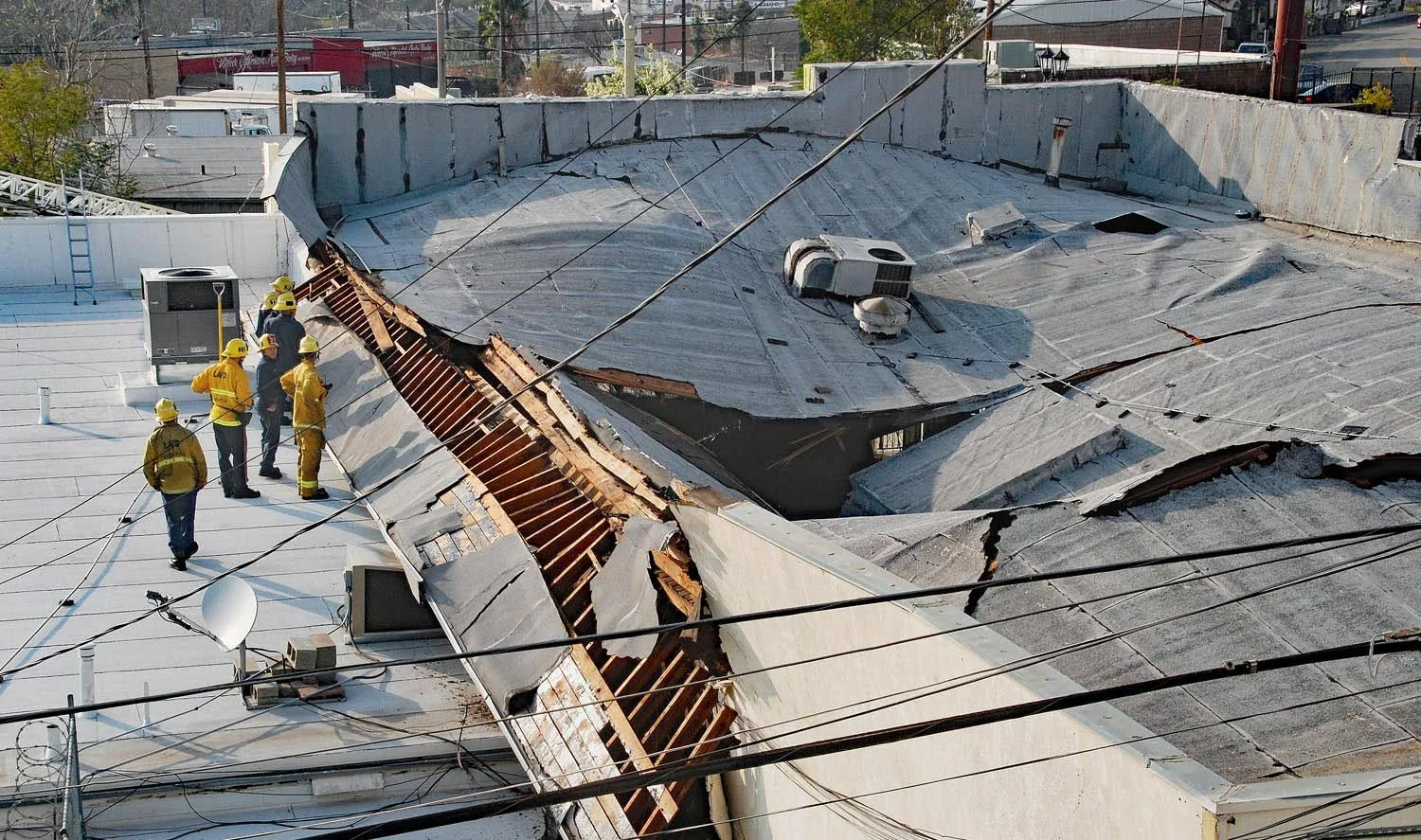
A curb repair starts with whether the walls are sound. Rotted wood nailers, a bent metal curb or a wall racked by the unit's weight call for rebuilding, not patching. When the curb is sound, we strip the old flashing back to a clean substrate, confirm the insulation behind it is dry, and install new base flashing that runs well up the wall. Counterflashing then covers the top edge, with a sealant joint sized to move.
Each membrane has its own flashing method. A TPO roof takes heat-welded flashing that fuses to the field sheet, while an EPDM roof relies on adhesives, tape seams and pre-formed corners. We follow the method that suits the membrane already on the roof and log the materials used at each curb. Curb corners are photographed before counterflashing conceals them. When a curb is replaced, the crew is already staged for the flashing of nearby penetrations, and nearby details remain separate inspection items rather than assumed failures.
Setting Pipe and Equipment Supports That Spare the Membrane
Pipe laid straight on a roof wears into it. Wind and thermal movement slide the line, and every slide grinds on the surface below. The usual remedy is a support with a wide, load-spreading base on a protective pad compatible with the membrane, holding the pipe clear of the roof. Short runs suit individual pedestals. Longer runs suit a rail or sleeper system that spreads the weight and can be adjusted as the line moves.
Weight and spacing decide the choice. Added equipment needs review of its concentrated load and supports against the actual structural design, because snow and equipment stack on the same deck. We document visible supports and refer capacity questions to the owner's engineer.
Any roof that carries a great deal of piping, as a large healthcare building like Regions Hospital downtown may, changes the maintenance plan simply through the number of supports. Pad and bracket defects are logged before they damage the membrane.
Keeping Penetration Records for Warranties and Adjusters
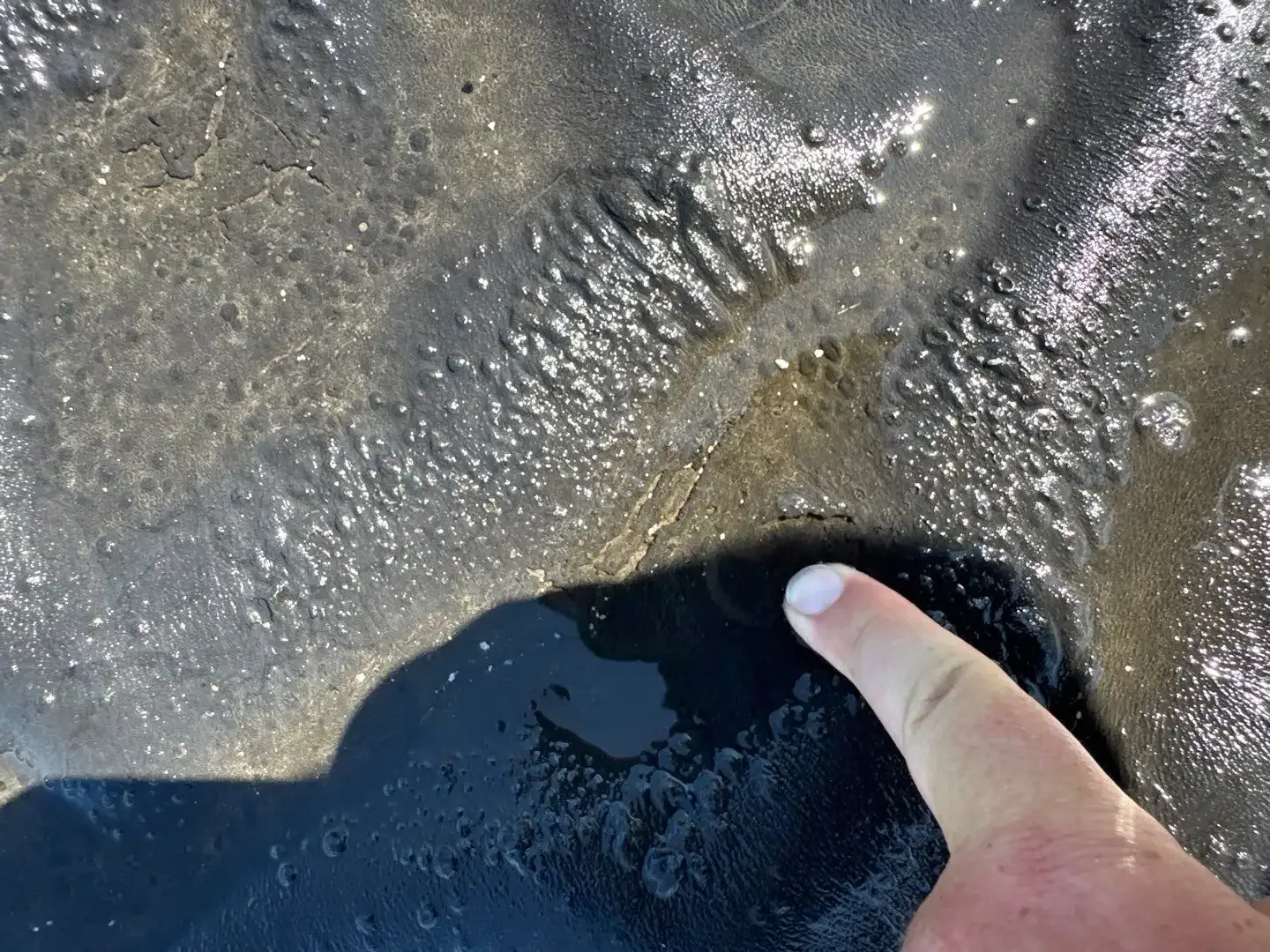
Manufacturers who warrant a membrane care about who cut through it and how the opening was sealed. A new curb, an added unit or a rerouted pipe all leave marks on the roof, and a clear record helps the owner show the work followed the manufacturer's detail. We photograph each penetration as it is made and add a short description of the flashing method and the date.
The same record matters after a storm. The July 2025 regional storms provide a dated prompt for checking equipment attachment, and a unit that shifted on its curb leaves damage an adjuster will want to see in context. A dated pre-storm photograph of the same curb strengthens the claim file, and a post-storm entry shows what changed. Owners who fold curb checks into preventive roof maintenance avoid much of the scramble that follows a hard winter.
Fitting the Work to Your Building and Its Equipment
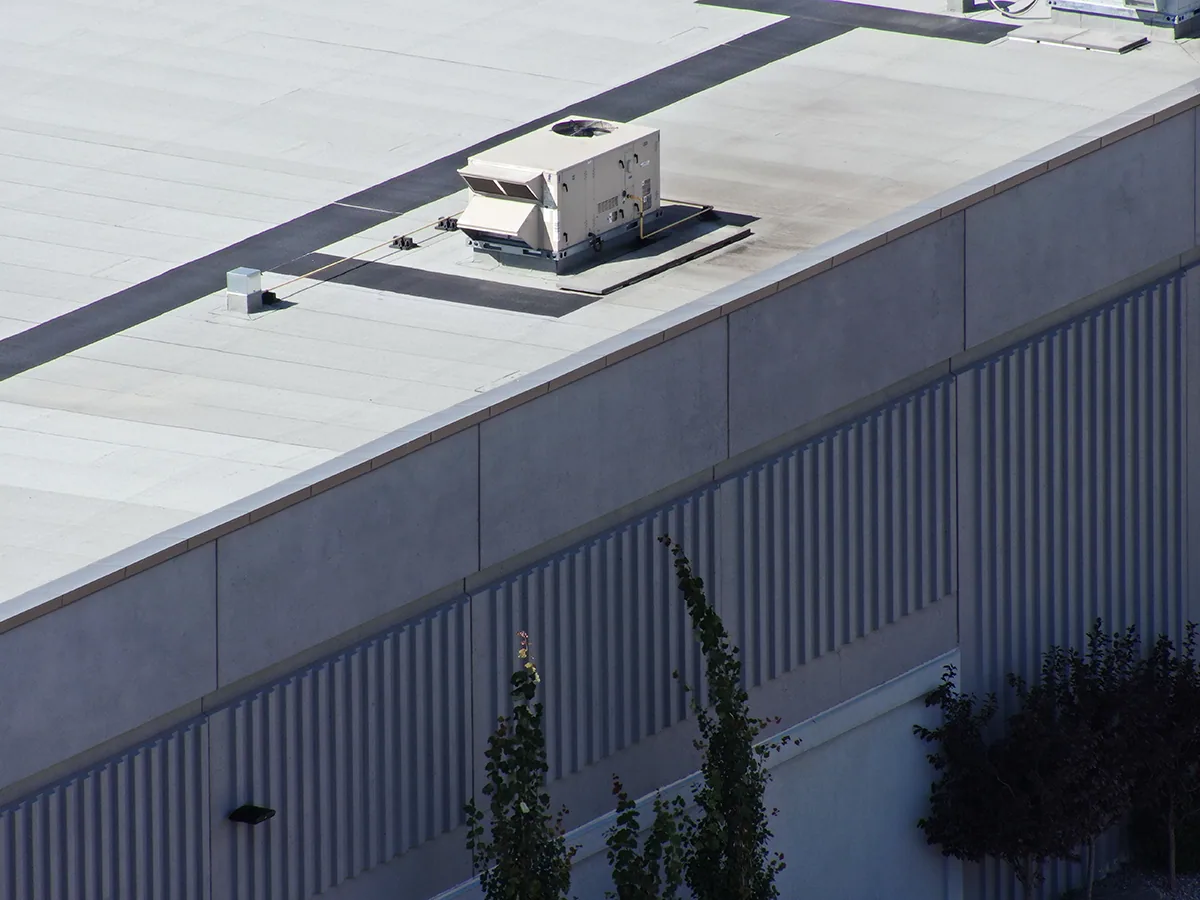
Buildings load their roofs differently. The light-industrial and flex space at Energy Park often puts sizable units on sizable curbs, while older brick in Lowertown can carry equipment added long after the roof was first laid. Where moisture is suspected around the equipment, an infrared moisture survey identifies suspect temperature patterns when conditions permit, checked with readings and selected samples, and the findings roll into a written roof condition report for budgeting or sale. If the units are a recurring source of leaks, an inspection of the whole roof shows whether the curbs are the cause or only the first place the symptoms show.
Questions We Hear
How can I tell a curb leak from a unit's condensate line?
Timing separates them. Condensate appears whenever the unit runs, often on warm days with no rain, while a curb leak follows rain or a thaw. We photograph the area, take moisture readings around the base and, where needed, flood the flashing while someone watches the ceiling below.
Does a curb get repaired or rebuilt?
Wall condition settles it. Sound walls with failed flashing need new flashing and a fresh counterflashing joint. Rotted, bent or racked walls are replaced, since new flashing on a weak curb fails again. Our log shows which group each curb falls into.
Can new equipment go on the roof without risking the warranty?
The warranty documents establish approval, notice and contractor requirements. A correct flashing detail alone does not assure continued coverage. Photographs and a written description of each opening let the owner show that the rules were followed. A structural check on the deck should come first when the equipment is heavy.
Why do leaks start beside the units after a big snow?
Drifts pile against the units, and as they melt the water reaches places the flashing was never meant to handle. Ice at the curb base can also back water up behind the flashing. Drift and meltwater observations identify what to investigate. The remedy also depends on the termination, drainage and equipment detail, with structural questions referred to the engineer.
How long does a pipe support last?
The pad and bracket wear out well before the pipe, and their life shortens with foot traffic, temperature swings and a poorly matched pad. We check them at each inspection and replace them once a pad has flattened or a pipe has begun to slide, which costs less than repairing a membrane worn through underneath.