
Hail Damage Roof Repair in St. Paul, MN
Hail damage roof repair in St. Paul, MN, starting with chalked test squares, impact counts, core samples and a dated file for the adjuster.
Request a Roof Assessment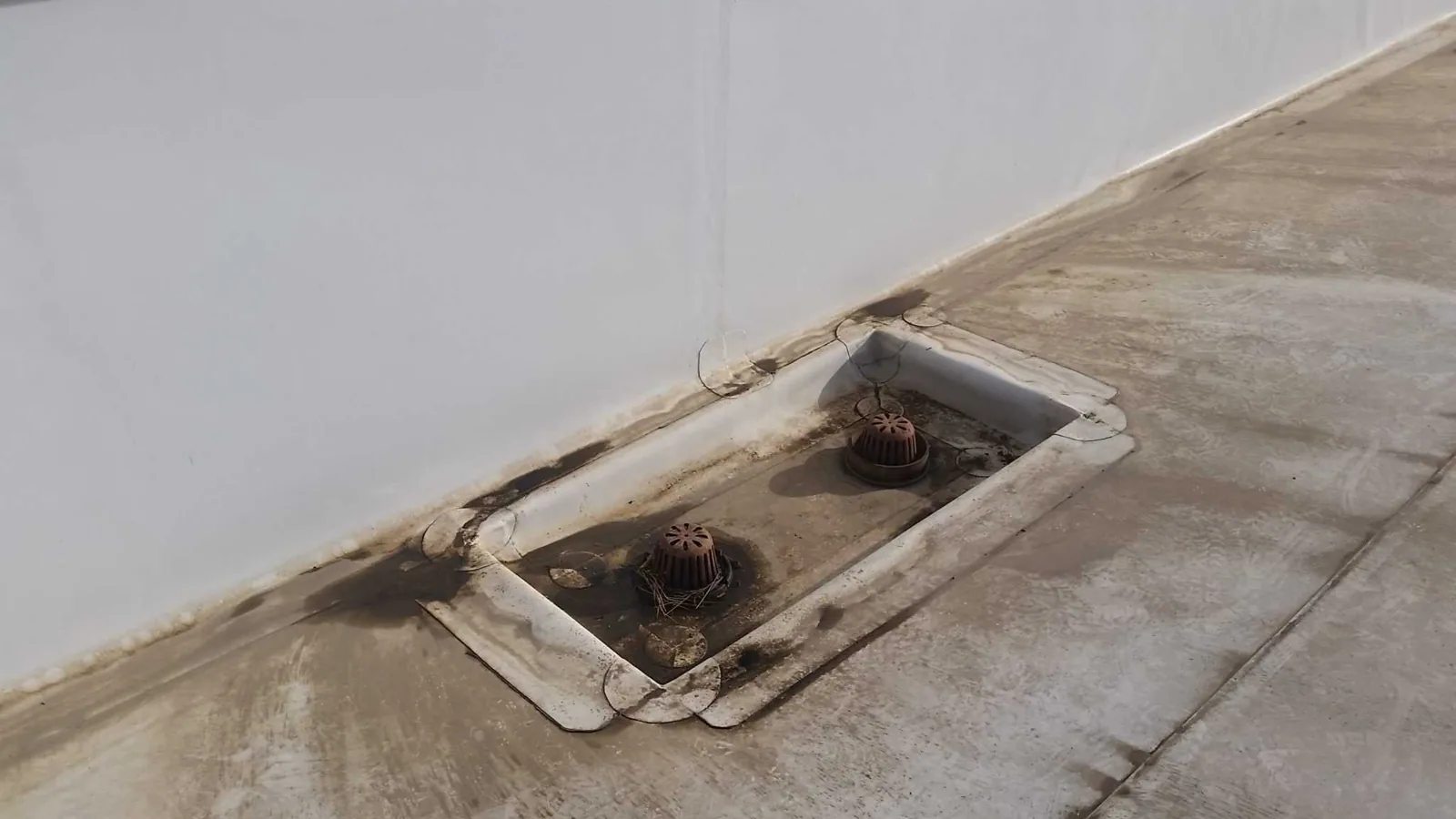
Hail Damage Roof Repair
Hail gets counted with chalk. We mark off a ten-foot square on each slope of a roof, number every impact inside it, and photograph the square from above with the count written on the membrane. Four or five squares later, the owner has something an adjuster can check against the storm date: a count per square, a size for the impacts, and the observed distribution, with uncertainty about storm attribution recorded.
Counting matters in St. Paul, MN because regional storm reports need to be compared with evidence from the actual property. A May 15, 2025 outbreak produced tornadoes in west central Minnesota and western Wisconsin along with hail reported up to 4 inches across, and the severe storms of July 28, 2025 carried golf-ball hail through the Twin Cities. A roof that has taken a storm like either one should be recorded before rain, foot traffic and sun begin erasing the evidence.
Counting Impacts in Chalked Test Squares on Every Slope
We pick the squares to test the roof fairly: one on each side that faced the storm, one on the lee side for comparison, and one near any rooftop unit. Uneven distribution can reflect exposure, roof geometry or more than one event. Neither a windward cluster nor a uniform pattern dates the damage without supporting records. On a gravel-surfaced roof, we look for bruises where stone has been driven into the asphalt, and on a smooth membrane we look for rounded marks, fractures and soft spots under the thumb.
Soft metal serves as a witness. Vent caps, gutters, flashings and the fins on air conditioning units provide evidence of impacts, with dent shape affected by metal thickness, support and impact angle. We photograph those too, without assigning stone size directly from a dent. Very large roofs go faster with a drone, and our drone roof inspection flights show where the heaviest hits cluster before anyone walks them.
Judging Functional Damage Against Cosmetic Dents
Hail damage comes in two kinds, and the difference carries weight. Functional damage reduces the roof's ability to keep water out or shortens its life: a fractured membrane, a bruise through a protective surface, a crushed insulation board, a cracked skylight. Cosmetic damage changes how a surface looks without affecting how it performs. A standing seam metal roof can collect a field of shallow dents that never open a seam or break the coating, and some policies exclude cosmetic damage by name.
We record each finding and sort it into one of those groups, with the reasoning written beside it. That sorting protects the owner from two mistakes. One is replacing a sound roof because it looks battered. The other is accepting a payout that covers only dents when the insulation underneath has been crushed and will hold water for winters to come. The file shows which case applies.
Testing Insulation Beneath the Impacts for Crush and Moisture
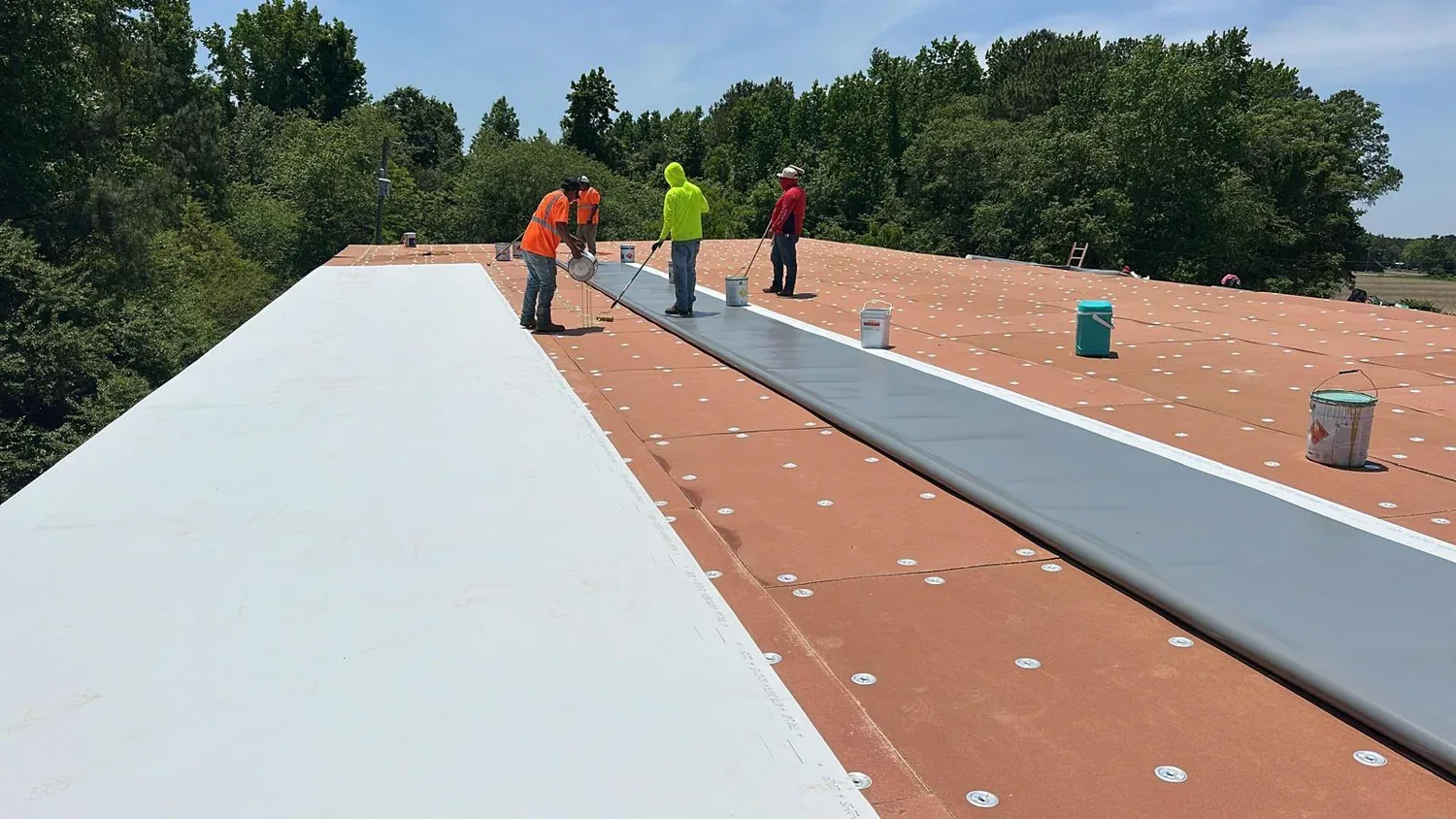
The surface is only the first layer. Under the worst-hit squares we cut a small core and measure the insulation: whether the board has lost its thickness, whether the facer has split and whether the sample is dry. Board that has been crushed by an impact loses insulating value and can pond water in a shallow dish above it. Meter responses can suggest moisture below an intact-looking surface, but the assembly and readings need confirmation at selected samples.
On a fully adhered roof the bond itself is part of the test, since hail can break the adhesive under a stone's impact. At a warehouse in the Cottage Grove Logistics Park or a light-industrial building in Energy Park, an impact map saves effort, because the heavy squares tell us where to spend the coring time. The cores are patched the same day with a matching membrane, and each patch location goes into the file.
Dating Each Hit to Its Storm and Separating It From Earlier Years
A roof that is old enough to have seen several summers may carry hail marks from more than one. Weathering can help describe marks, but color and debris cannot reliably assign them to a storm date. We look at the color and edge of every mark and compare the roof to any earlier photographs the owner has, including those from a past inspection. Hits from an earlier storm belong to that storm's claim, not the current one, and the file keeps the two apart so neither claim is weakened.
Owners in Maplewood, which sat under a flood warning with St. Paul and Woodbury during the July 28, 2025 storm, and at open-air retail centers like Woodbury Lakes, may need to place a particular storm against a particular roof. A dated survey records current conditions for comparison; a flood warning does not establish a hail strike at that address. When a loss also involved lifted edges or torn sheet, the repair is written up as one storm damage roof repair that covers both.
Choosing Repair, Coating or Replacement After the Count
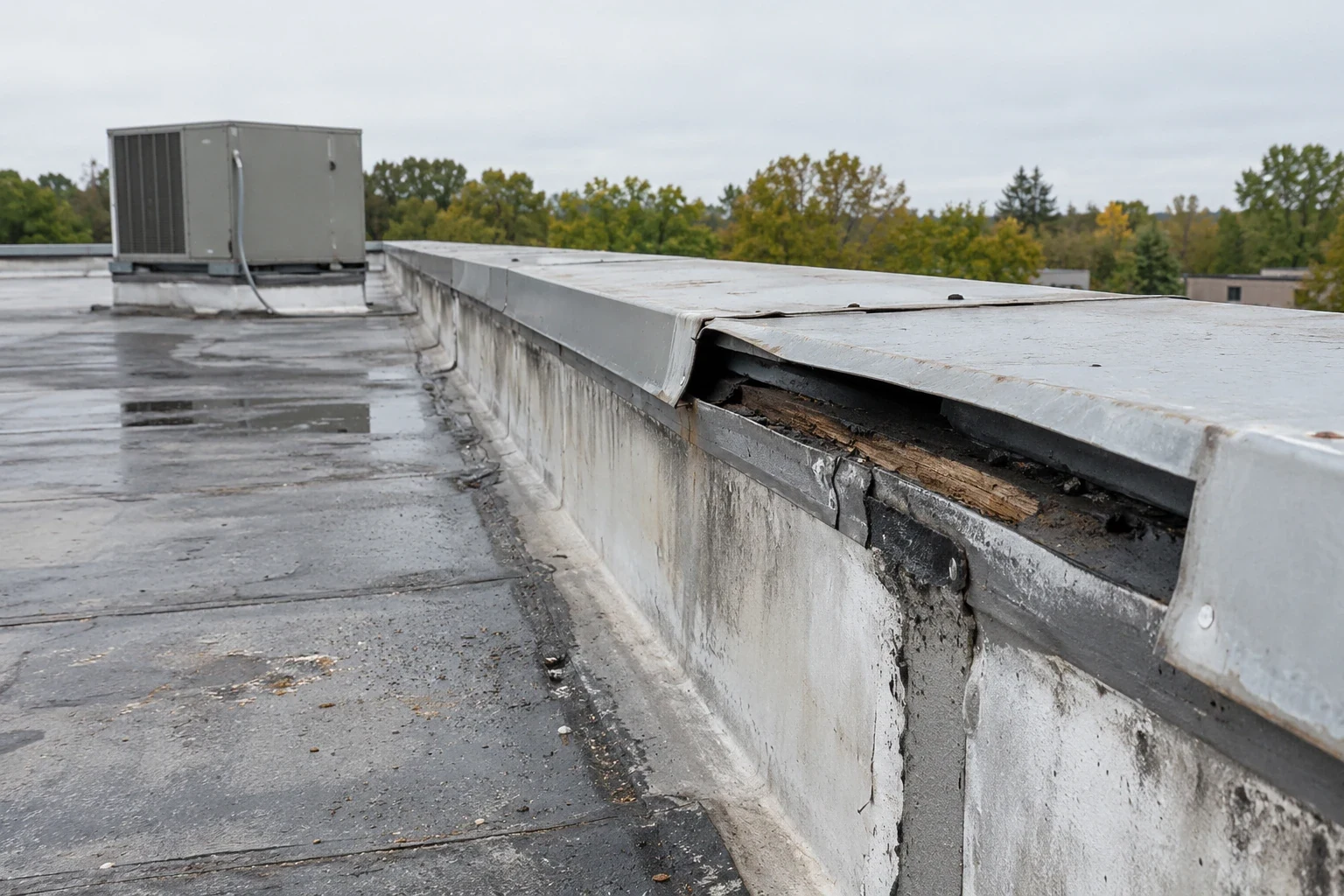
The count suggests the scope. A few functional hits scattered across a sound roof call for patches. Damage must first be repaired, and coating eligibility needs adhesion, compatibility and substrate review. A roof coating restoration may then suit a sound assembly; dry insulation alone does not qualify it. A roof with crushed insulation, fractured reinforcement across its slopes or wide moisture is a candidate for commercial roof replacement. Where a funnel has crossed the same area, tornado damage adds debris impacts and uplift that hail alone does not produce.
Each option comes with a written cost driver and the evidence behind it. The decision to repair or replace rests with the owner and the carrier, and our job is to make sure both are looking at the same dated facts. Lifted edges and displaced fasteners are the wind damage a storm leaves beside the hail, and they are logged in the same visit.
Questions We Hear
How big does hail have to be before it hurts a commercial roof?
No single size applies, because membrane age, thickness, the board beneath it and the wind behind the stones all matter. Golf-ball hail has crossed this region, and a roof that is already brittle can be bruised by much smaller stones. We count and measure the impacts on your roof instead of relying on a threshold.
What determines the inspection sequence after severe weather?
Within days if possible, before rain and foot traffic soften the marks. Some policies set a deadline for reporting a loss, so check yours. A prompt visit also catches fresh punctures before water travels into the insulation.
Will a hail-pocked metal roof still shed water?
Often it will, because shallow dents leave the seams and coating intact. We check the seams, fastener heads and finish for cracks, and we probe the panel edges. The roof's appearance may change while its performance does not, and the file says which is true.
Why do you check rooftop units and vents first?
Their soft metal records each hit in a form that is easy to read. Dents help document impact distribution, but metal type, thickness and support affect their shape. They do not directly measure stone size or prove a particular event. That evidence supports the counts we take on the membrane.
Can old hail marks affect a claim after a new storm?
They can, if the file does not separate them. A dated survey from the previous year or a current survey that distinguishes fresh from weathered marks keeps a new claim clean. Without it, an adjuster may assign more of the damage to the earlier storm.