
Edge Metal, Coping and Gutter Repair in St. Paul, MN
Edge metal, coping, gutter and downspout repair in St. Paul, MN, with joint measurements, attachment observations and a dated record of the perimeter.
Request a Roof Assessment
Edge Metal, Coping and Gutter Repair
An opened coping joint can be difficult to see from the ground. It may create a path toward the wall or expose a loose metal edge to wind, but inspection must establish whether the affected part is the cap, cleat, nailer or membrane termination. We map the joint along the parapet, photograph it beside a scale and record its condition for later comparison. St. Paul’s freeze-thaw cycles can stress an existing opening; its cause and extent depend on the roof and wall assembly at that property.
Measuring Joints, Fasteners and Hems Along the Whole Perimeter
We walk the entire roof edge, not only the spots that leak. Edge metal fails gradually, and the early signs are small:
- Open or backed-out joints between coping sections
- Loose cleats and fasteners that rock when pressed
- Hems and drip edges that have bent or lost their grip on the substrate
- Sealant that has hardened, split or pulled away from the metal
- Rust staining or paint failure that signals a breach in the finish
- Gutters and downspouts that sag, separate or hold standing water
Each defect is tagged on the roof plan with a measured gap or a written description, and a photograph shows a nearby wall or roof feature for scale. The result is a perimeter map an owner can read in one pass, and it supplies a full roof inspection for any building that lacks a current condition record.
Testing How the Edge Resists Uplift
Wind is the main structural demand on edge metal. After a wind event or visible movement, inspect the perimeter attachment; an intact-looking face can conceal a loose cleat or softened substrate that needs closer review. Edge systems are rated against wind pressure by test standards such as ANSI/SPRI ES-1, and the roof's height, exposure and distance from the corner shape the pressure at each location.
We check that fastener spacing, cleat gauge and attachment match what we see, and we check suspect sections for looseness. Hand pressure is an observation, not a rated uplift test. Replacement attachment follows the selected tested system and the project pressure requirements. Where storms have already lifted metal, the work moves into wind damage repair, with the lifted sections photographed in place before removal.
Replacing Failed Coping and Resealing Joints That Still Hold
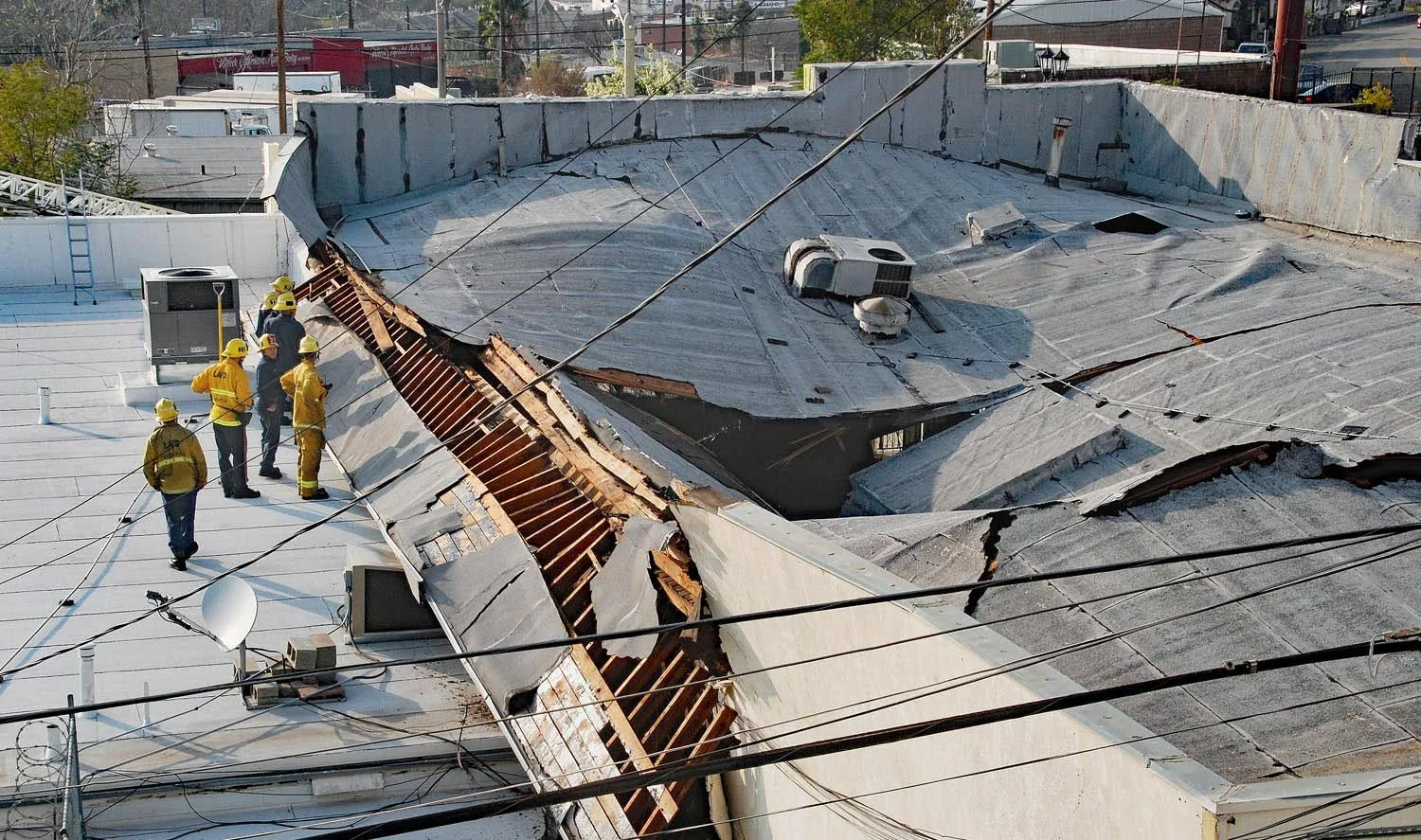
Sealant buys time on a sound joint, but it cannot hold a cap that has gone loose underneath. When a cleat has failed or a wood nailer has softened from years of water entering an open joint, we lift the coping, inspect the layers below and photograph what we find before closing it up. Rotted nailers are replaced, the membrane termination is checked, and the new coping goes down on a continuous cleat with covered joints.
Replacement coping is sloped toward the roof side so that water runs onto the membrane and not down the face of the wall. The metal, gauge, finish and joint style used on each run are written into the record of repair. Where the cap has been hiding a failing termination, the correction extends into flashing failure repair before the metal is reinstalled.
Our scope states whether the work addresses sealant at a stable joint, reattachment of a loose section or replacement of the assembly. If removal exposes concealed damage behind the coping, we document the added condition and obtain approval before extending the work. The repair detail shows how the membrane termination will be protected and tied back in continuously.
Planning for Ice, Snow Slide and Heavy Gutter Loads
Gutters in Minnesota carry more than rain. Wet autumn leaves fill the trough, the first hard freeze locks them in, and snow and ice can add loading at the eave that needs review against the actual gutter and retention design. The 2013-14 winter, which delivered 69.8 inches, is the kind of season that finds every weak hanger. Ice pulls on fasteners that were sized only for water, and a trough that holds water through a freeze can split at its seams.
On buildings with standing seam metal roofs, snow can release in sheets from the upper roof onto lower eaves, gutters and walkways. We look at hanger spacing, the pitch of the trough toward its outlets and the clearances beneath, and we record what each gutter run is carrying when the snow is deepest.
Keeping Downspouts and Leaders Flowing Down to the Ground
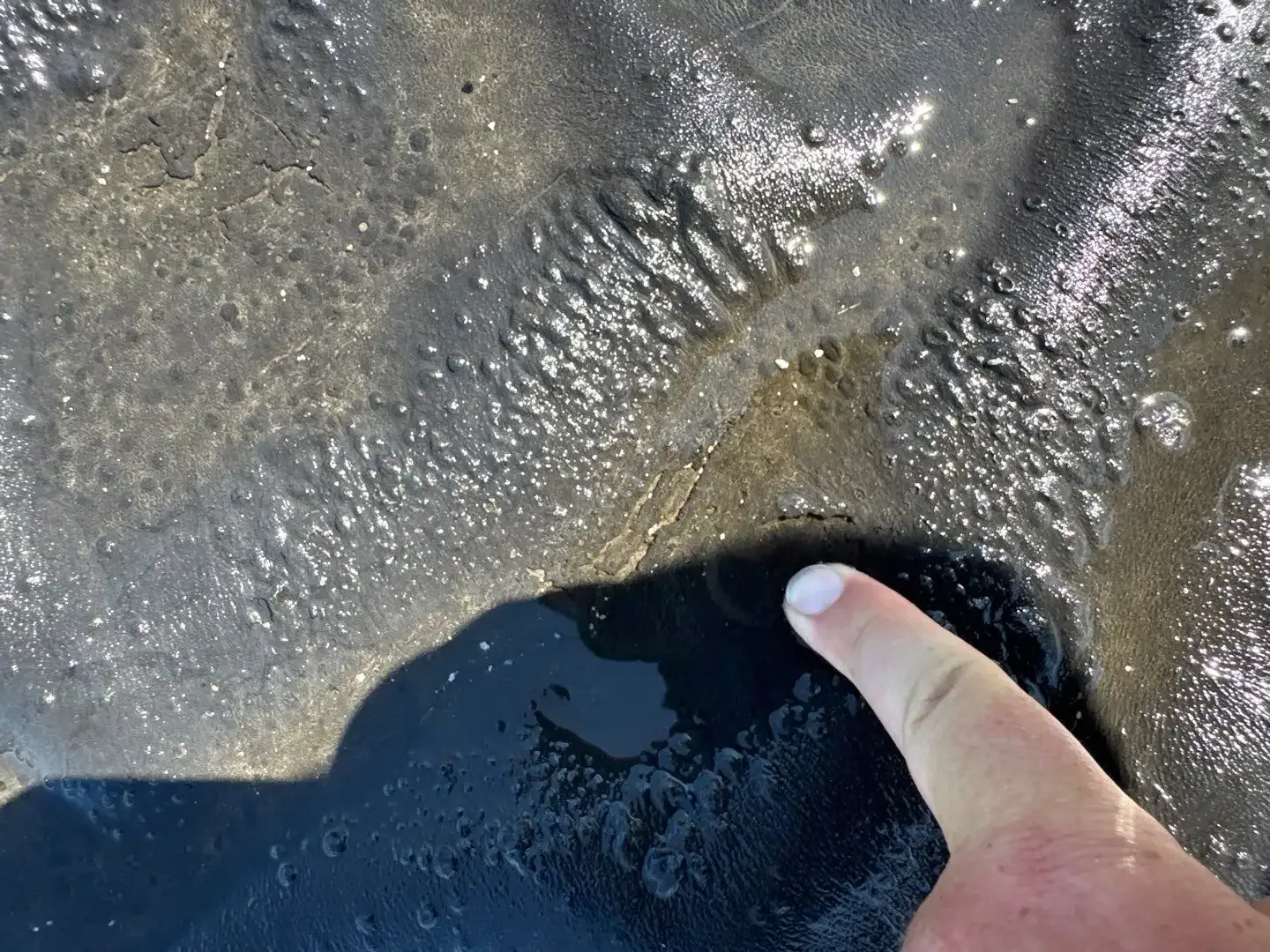
A gutter is only as good as the path it gives the water to leave the building. We follow each downspout from the collector head to the point of discharge, checking for crushed sections, loose straps, open joints and outlets that spill onto a walkway. In winter, a discharge that ices over a sidewalk becomes a hazard, and on a commercial corridor like University Avenue in the Midway that sidewalk is in use all day.
Water from roof edges, scuppers and drains meets at the leaders, so a frozen base or a clogged elbow can back water up into the trough above. We run water through the line to confirm flow, photograph the discharge and send findings on any underground connection to the building's plumber. Because roof drains and scuppers often discharge into these same leaders, one flow test serves both checks.
Matching Profiles and Finishes on Older and Campus Buildings
On older brick buildings in Lowertown and on campus buildings along Summit Avenue, where the University of St. Thomas main campus spreads across 78 acres, edge metal can be a visible part of the building's character as well as its weather protection. Replacing it means matching the profile, color and finish of what is there, not only fitting a generic cap.
Before removal, our crew photographs and measures the existing section, records its dimensions and joint pattern, and notes the condition of the wall behind. That record guides the replacement and shows an owner, a review committee or an insurer what was changed. Owners of college and university buildings receive the same dated record for each wall they maintain.
Questions We Hear
How can I tell from the ground whether the edge metal needs attention?
Look for staining on the wall just below the parapet, since streaks usually mean water is entering at the cap. Gaps at joints, sagging gutters and downspouts that hang away from the wall are other signs. None of these replaces a walk of the roof edge, which is where the measurements are taken.
Should failed coping be replaced or only resealed?
Sealant suits a joint that is sound and tight. When the cleat has failed, the nailer beneath has softened or the cap moves under hand pressure, replacement is the right step, and the photographs of the exposed layers show the owner why.
Do gutters belong on a flat commercial roof?
Many low-slope roofs drain internally or through scuppers, so gutters mostly appear on roof edges that shed outward, on sloped metal sections and on canopies. Where they exist, they receive the same dated checks as the field of the roof.
What goes into the price of edge metal work?
Linear footage, metal type, finish, wall height and the amount of rotted nailer that must be replaced all count. Tall walls add equipment and staging costs. We price from the measured perimeter map, so each run has its own line and can be approved or deferred separately.
Why did my gutter fail in the first deep freeze?
Water left in the trough freezes and expands, pushing seams apart, and a gutter full of wet leaves loads hangers that cold has already stiffened. A fall inspection that clears the trough and checks its pitch and fasteners can identify preventable blockages and attachment concerns, and we log it with photographs.