
Roof Drains, Scuppers and Ponding Correction in St. Paul, MN
Roof drain, scupper, cricket and ponding correction in St. Paul, MN, with pond depth measured, outlets flow-tested and each change entered in the log.
Request a Roof Assessment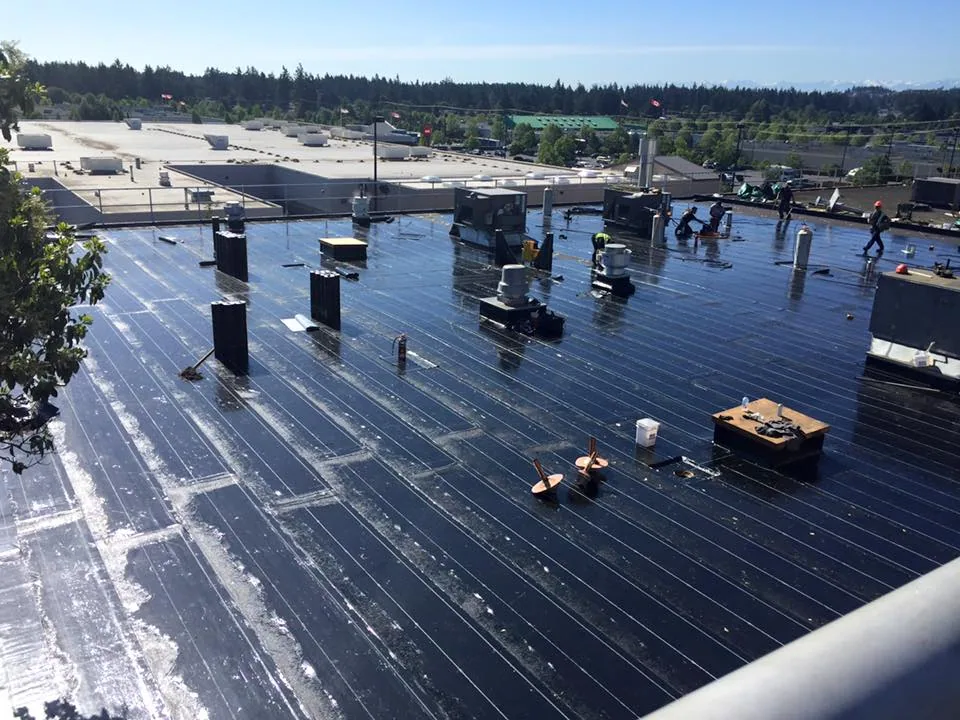
Roof Drains, Scuppers and Ponding Correction
The reading that says the most about a drain is taken the day after rain, when a ring of dried silt can locate an earlier waterline. It does not establish duration without dated observations. On a St. Paul roof that ring guides checks of the outlet, sump and adjacent slope. The cause needs inspection rather than inference from staining alone. We measure the depth with a level, photograph the ring beside a scale and enter the location on the roof plan. That entry begins every drainage decision: clear the outlet, add a scupper, build a cricket, or reshape the surface with tapered insulation.
Measuring Ponds That Linger After the Rain Has Stopped
Water on a flat roof is expected during a storm. What matters is water still standing a day or two later. Dirt rings, algae and discolored membrane show where it has stayed, and a straightedge and level show how deep the low spot runs. We also look for the cause: a drain set higher than the surrounding field, a deck that has deflected under seasons of snow, or insulation that has compressed beneath equipment.
Long-standing ponds age a membrane faster, add weight where the structure may already carry snow, and freeze into a sheet of ice in January. Each pond gets a measured depth, a photograph and a line in the inspection log, and any ponding water repair is sized from those numbers.
Clearing and Resetting Drains, Sumps and Strainers
Much of the drain trouble on commercial roofs is simple and recurring: leaves, gravel, scraps of membrane and windblown trash settle in the bowl and strainer. We remove the debris, flush the line to confirm it runs, and check for cracked bowls, loose clamping rings and membrane that has pulled away from the flange. A strainer that is missing or crushed is replaced.
Flow testing is the step owners seldom see. A drain can look clear and still be blocked below the roof, so we run water from a hose and watch the rate. If the water backs up, the finding goes to the building's plumber with a photograph and the roof plan location. Doing this twice a year during a scheduled maintenance visit keeps debris from turning into a winter problem.
Cutting Scuppers and Overflows at the Right Height
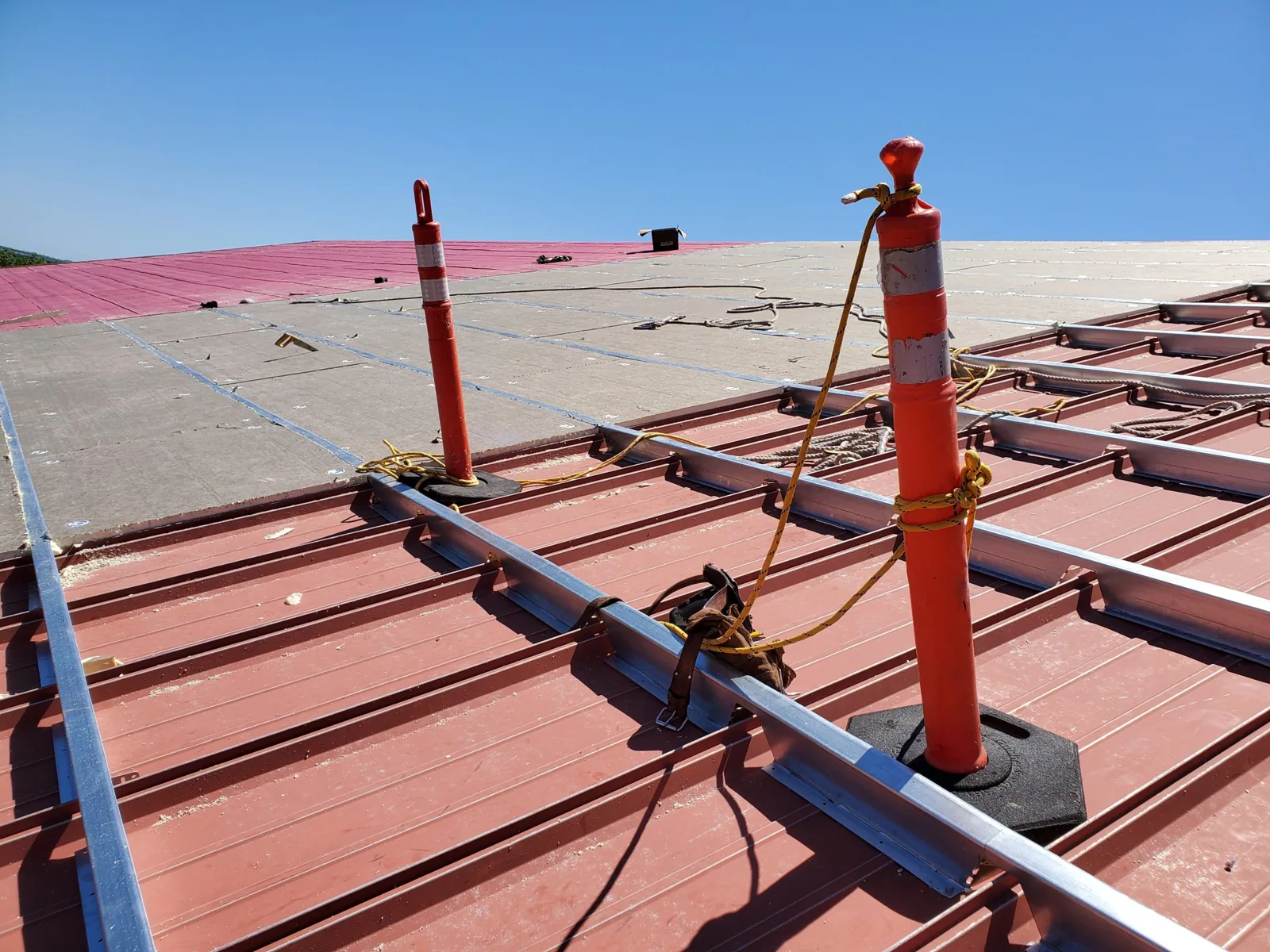
A roof surrounded by a parapet needs somewhere for water to go when a drain clogs. Scuppers are openings through the parapet or edge that serve either as a primary route or as an emergency overflow, and their height matters. An overflow set too high lets water rise past the flashing before it can escape, while one set too low may act as an unintended primary outlet. Secondary discharge routing and capacity need design review rather than sharing an assumed downspout.
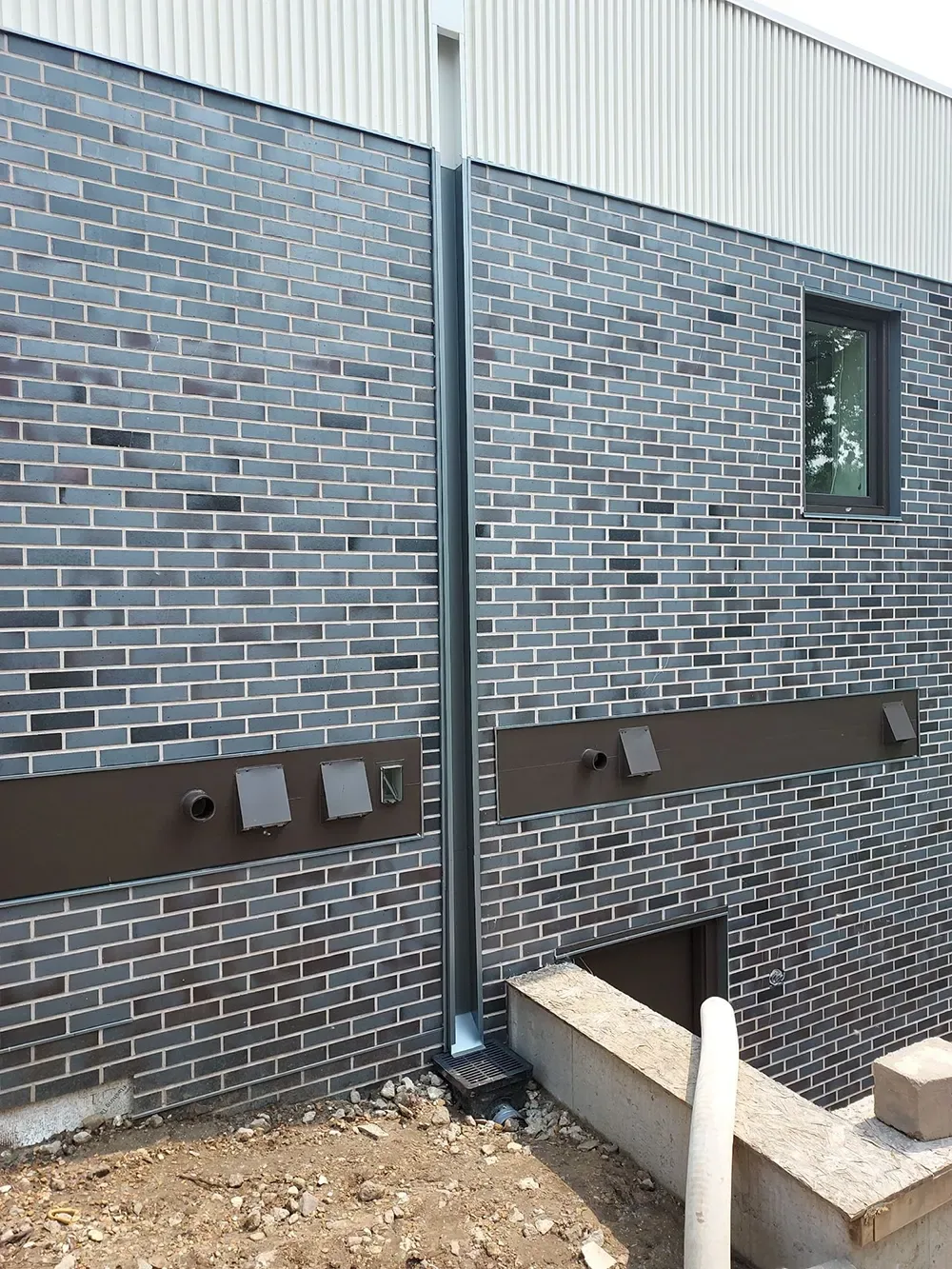
The designer checks applicable secondary drainage requirements where perimeter construction can trap water, so overflow height is a code matter as well as a drainage one. We measure each existing opening against the primary drain and the flashing, flag any that are blocked or sealed shut, and describe the change needed. Collector heads and leaders tie into the edge metal, gutters and downspouts, and they are checked for flow at the same visit.
Building Crickets and Tapered Fill Behind Equipment
Flat areas behind rooftop units, walls and curbs collect water because the roof cannot shed it sideways. A cricket is a small tapered saddle that splits the flow and sends water around an obstruction toward a drain. Larger flat areas may need tapered insulation laid in a pattern that gives the whole field a fall toward the outlets.
On a warehouse roof with wide spans between drains, the kind of building found in the Port Authority's Energy Park and Midway centers, a slight loss of fall is enough to put a pond in the middle of the field. Slope correction is planned together with the insulation and cover board layers, so fall and thermal value are set at the same time and recorded on one drawing.
Keeping Outlets Open Through Ice and Heavy Snow
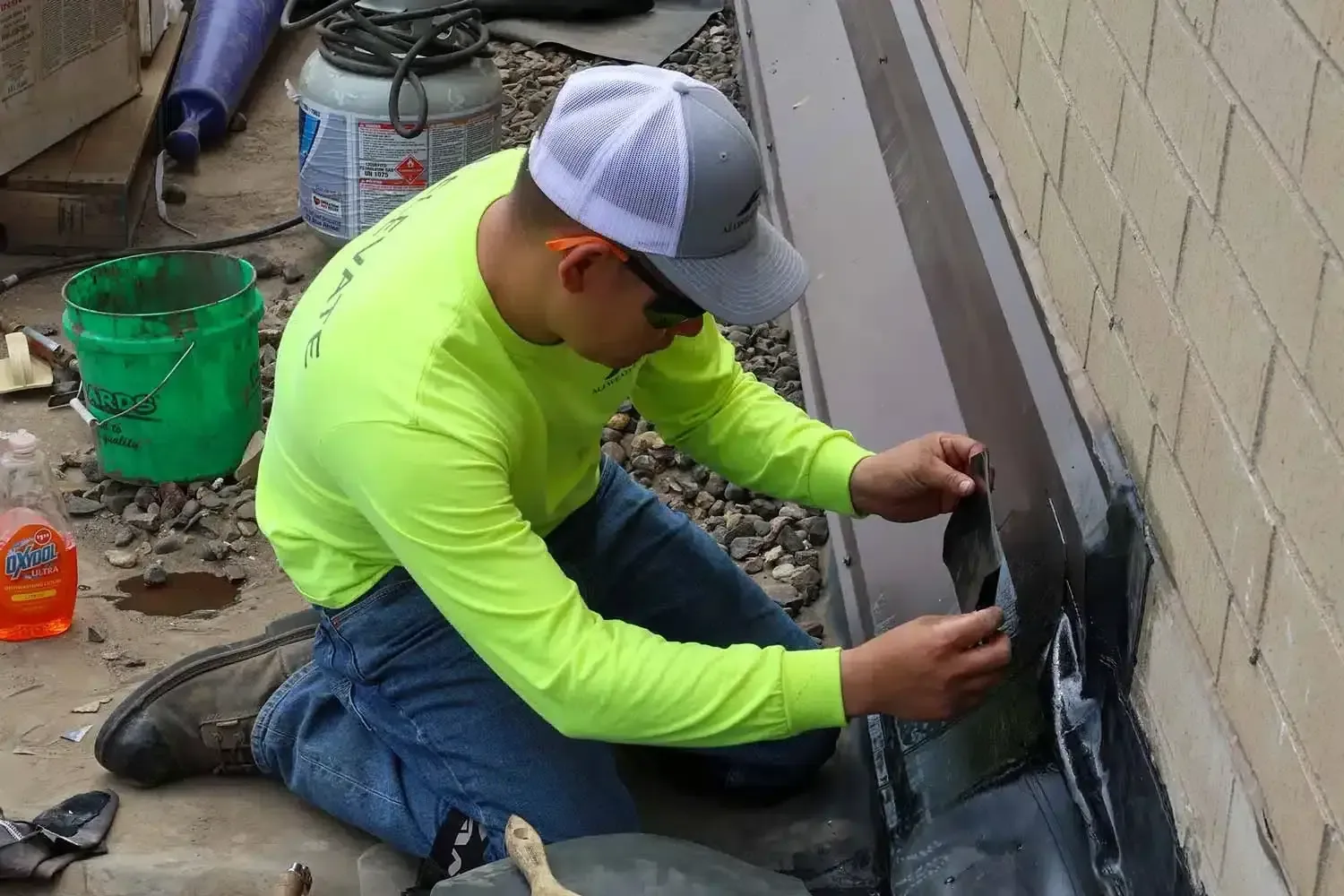
A drain bowl can remain iced while other roof areas begin melting, and a scupper packed with snow sends meltwater back across the membrane. Winter observations identify frozen outlets and retained meltwater at the building. The cited county ground-snow input of 50 psf cannot establish roof capacity, and seasonal snowfall cannot quantify the retained load. Structural concerns require the engineer's assessment.
In deep winter we check outlets after each significant snowfall or thaw, assess a clearing method compatible with the drain and membrane, clear the snow around it and record what we found. Summer flood warnings in July 2025 included St. Paul, Woodbury and Maplewood. A warning is regional context; the roof record still needs observed water levels and outlet performance. A frozen outlet that has already pushed water under the membrane becomes a snow and ice roof damage repair, and the log entries show how it developed.
Recording Drain Size, Count and Slope for Permits
A drainage fix that turns into a re-roof changes the paperwork: St. Paul does not issue flat-roof re-roof permits through express online permitting, and the plan reviewers expect the application to state drain size next to the membrane and the roof area. We measure and log each drain's size, type and location, count the secondary openings and sketch the slope pattern before any plan is drawn. The same page of the log supports a replacement plan when drainage cannot be corrected in place.
The record continues after construction: a before and after photograph of every drain, the work done on it and the date. The next owner inherits a drainage history that can be read at a glance.
Where access permits, we trace each outlet beyond the roof surface and confirm whether it connects to a leader, internal line or visible discharge. The record notes obstructions or leaks at the connection. A roof-side flow check can identify a restriction at the bowl but may not evaluate concealed piping or downstream capacity, so our recommendation distinguishes the tested outlet from unexamined connections.
Questions We Hear
How long can water sit on a roof before it becomes a problem?
Water still standing a day or two after rain is the warning sign we log. Ponds that return in the same place after every storm do the lasting harm: faster membrane aging, algae and, in winter, sheets of ice. A pond that freezes needs attention before the next thaw.
Are scuppers a substitute for roof drains?
They can be the primary route on some roofs and an emergency overflow on others. A scupper that is the only outlet has to be sized and placed for the whole roof area, while an overflow sits slightly above the primary drain. The measurements in the log show which role each opening plays.
Who clears the drains between visits?
Building staff can sweep surface debris from strainers after storms, though nobody should step onto a snow-covered or icy roof without proper access and fall protection. Drain clearing is part of the visit schedule, and we add a visit after leaf fall when trees overhang the roof.
Can a pond be fixed without replacing the roof?
Often, yes. A blocked drain needs clearing, a poorly set bowl can be evaluated for resetting, and a cricket or a section of tapered insulation can correct a flat area. Widespread deck deflection is different, and cores and level readings show when a structural review is needed before any roofing work.
Does drain work need a permit?
Permit requirements depend on whether the scope changes drainage, plumbing, structure or roofing, while a full flat-roof re-roof goes to the city for plan review with drain size listed. We put the drain details in writing, and the owner confirms permit needs with the city before work starts.