
Church Roofing in St. Paul, MN
Church roofing in St. Paul, MN: steeple and valley inspections, snow slide records and repairs timed around services, with a dated photo file for trustees.
Request a Roof Assessment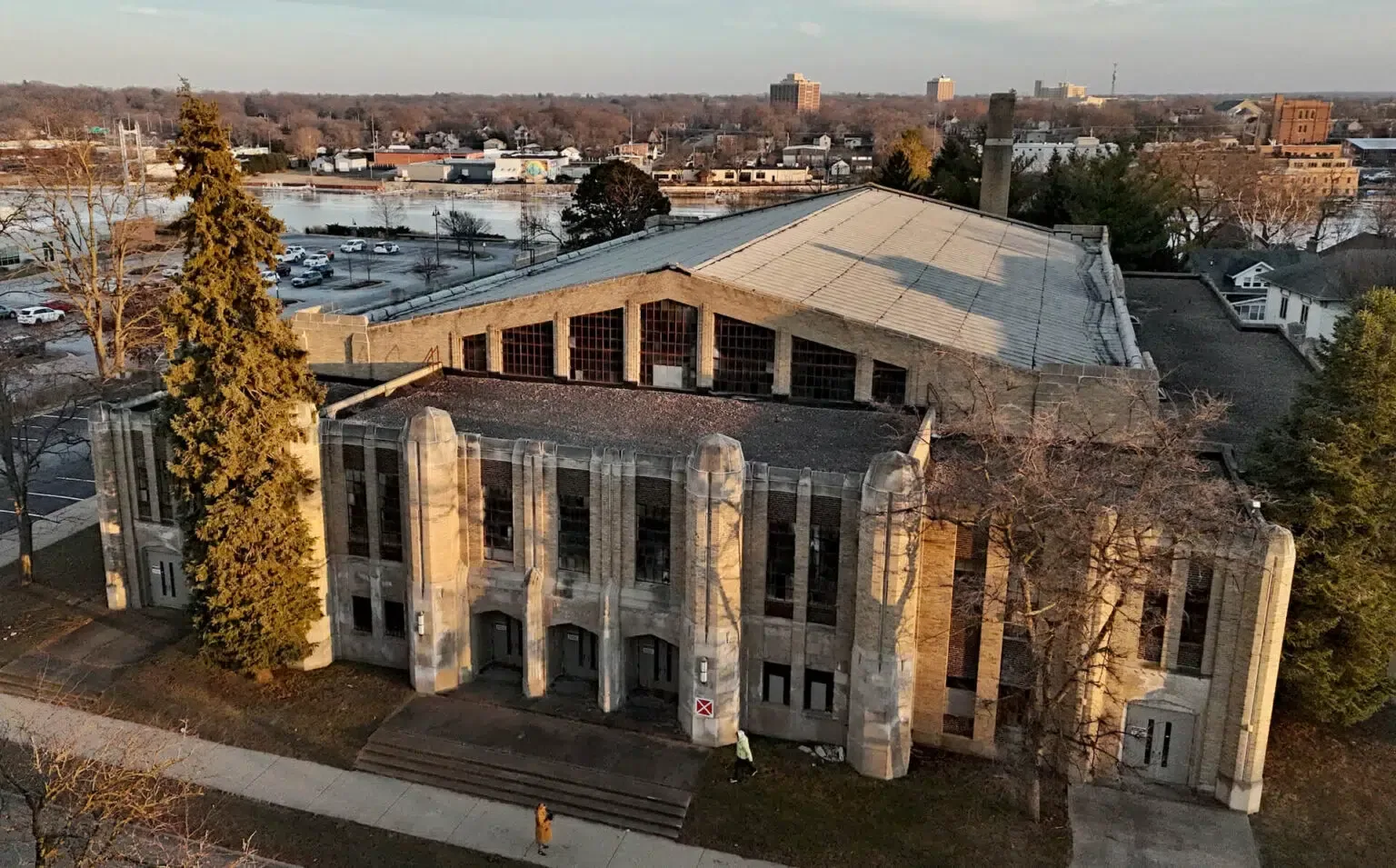
Church Roofing
Snow that slides off a steep sanctuary roof has to land somewhere, and the first entry in a church roof log is where that is. On a church in St. Paul, MN with a steep sanctuary roof, the answer is often a lower flat roof over a fellowship hall, an entry vestibule or a classroom wing, and the sheet metal and membrane there take the weight and the impact all winter. We photograph the slide path, measure the drift at the wall, and look for dents, cracked seams and ponded meltwater once the thaw starts. The dated record gives a building committee something firmer than a stain on a ceiling when it has to decide what to fix.
Tracing Snow Slides from Steep Roofs onto Low Slopes
Snow at a church needs to be recorded by actual location and interpreted with the structural information. The applicable ground-snow design input is not the weight a sanctuary roof can safely retain. A steep roof sheds most of that snow quickly, which is exactly the problem for the roof beneath it. The slide arrives in a few seconds, it packs into a drift against the wall, and the drift melts slowly into whatever drain or scupper the lower roof has. We follow that route from ridge to drain and record each point where it does damage.
Where a lower roof takes repeated slides, the membrane can be fitted with a walkway pad or heavier protection at the landing zone, and snow-retention measures on the upper slope require engineered selection and attachment for the actual roof. Those choices come from the photographs, not from a standard detail. Winter damage that repeats at the same spot is often cheaper to prevent than to patch each spring, and the log is how that pattern becomes visible. Our snow and ice damage repair work starts from the same record.
Checking Steeples, Valleys and Box Gutters Where Water Collects
Church roofs are made of details. A steeple base, a bell tower parapet, a valley between nave and transept and a built-in gutter behind a stone-faced cornice each collect water and each is hard to see from the ground. Failures there tend to start small: a lifted flashing edge, a soldered joint that has opened, a gutter outlet half full of debris. When the gutter fills, the overflow runs into the wall, and the first sign appears inside as plaster blistering or a stain on a wall that a volunteer has painted twice already.
We reach these places with lifts, ropes or a drone, depending on the building, and we photograph each from several angles before touching anything. A drone roof inspection shows the steeple and ridge without anyone climbing, while hands-on visits handle the low roofs. Repairs to edge metal, copings and gutters are then logged with before and after images, so the committee sees what was done and can compare it with the same detail a year later.
Working in Older Buildings Without Losing Their Details
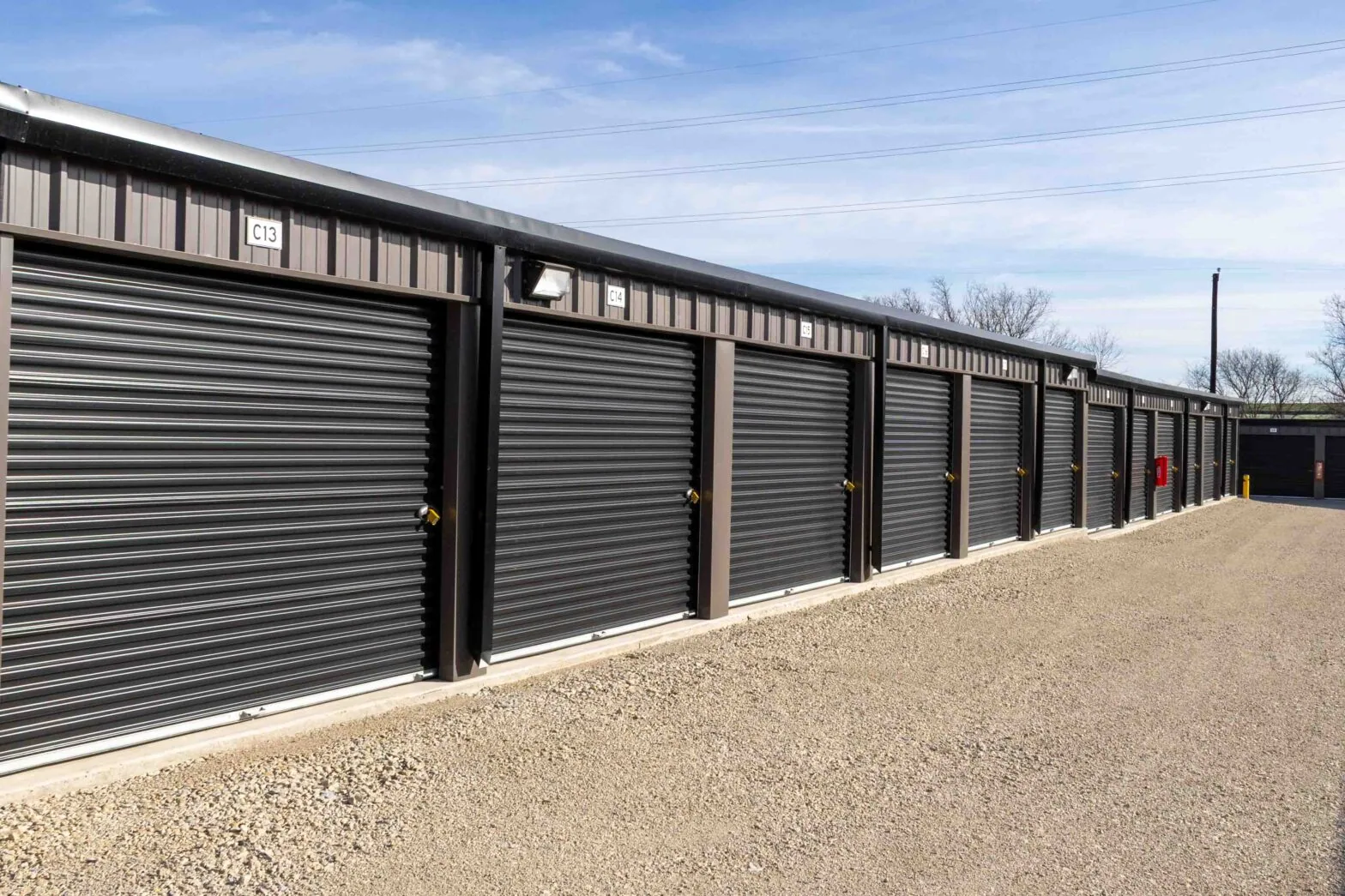
Many congregations meet in buildings from earlier eras. Lowertown contains a historic commercial district, while St. Anthony Park has a listed Carnegie library. Those local examples make careful recording of architectural details relevant, without establishing the material or age of a church roof. Wherever an older church has been roofed more than once, each layer hides the one below. Before work begins we read the edge of the roof, probe the deck, and cut a small core where the layers are uncertain, so the plan reflects what is actually there rather than what the drawings suggest.
Details that give a church its character are not discarded during repair. Trim, cornices and decorative metal are photographed and tagged before removal, and the same pieces return wherever they are sound. When a detail has failed beyond repair, the record shows why, which helps when a parish council or a historic review asks. On older buildings in Lowertown or St. Anthony Park, that care matters as much as the membrane choice.
Scheduling Work Around Services, Funerals and Weddings
A church calendar is full of dates that cannot move. Holy week, Christmas, funerals that arrive with two days of notice and weddings booked a year ahead each affect when a lift can stand in the drive or a crew can run a generator. We ask for the calendar first, and then we place noisy tear-off and deck work on weekdays, keep staging away from the main doors, and finish detail work before a major service. Where a leak cannot wait, our emergency crews respond around the clock, holidays included, and assess safe temporary protection and explain any restrictions affecting the next gathering.
Temperature adds a second calendar. Adhesives and welded seams need dry surfaces and moderate cold, so a January leak is commonly stopped with a temporary repair and made permanent in spring. That plan is written down with the reason, the date and the photograph, so a new trustee or sexton inheriting the file knows that a patch is deliberate and has a follow-up date attached to it.
Presenting Options to a Building Committee and a Congregation
Roof decisions in a congregation pass through committees, councils and sometimes a vote, and the people involved are rarely roofers. We write the findings so that each item stands alone: its location, a photograph, a rating and a recommended action. Urgent items come first, then repairs to schedule, then items to watch. The committee can approve one section of work this year and put the next in the capital plan without losing the thread, and a written roof condition report goes with every inspection.
Storms test the plan. Regional events in 2025 provide dates for comparison, including Twin Cities wind and hail on July 28 and the Upper Midwest outbreak on May 15. A church claim still requires the observed roof damage recorded; regional weather does not establish that a specific building was struck. A congregation with a dated record of its roof from before such a storm can present the insurer with evidence of hail damage as new instead of arguing from memory. Administrative rooms bring office-roof coordination questions into the church project, with their access, roof sections and affected equipment assessed separately.
Questions We Hear
How do you reach a steeple or bell tower safely?
A drone covers the upper surfaces and the finial without anyone leaving the ground, and a lift or rope access handles flashing details that need to be touched. We choose the method after walking the site, and every photograph is dated and tied to a location on a sketch.
Who should hold the roof file when trustees change every few years?
The file belongs to the congregation, not to any one volunteer. We deliver it as a dated report with photographs, readings and a repair log, and update it after each visit, so a new chair can open it and read the roof's history without a handover meeting.
How do you keep roof work from colliding with funerals and holy days?
We ask for the full calendar before the schedule is written, then keep loud tasks to weekdays and finish exposed work before a major service. If something unplanned happens, the emergency line is staffed every hour of every day, and safe temporary measures and any gathering restrictions are explained after assessment.
What can a stained sanctuary ceiling tell you before anyone climbs up?
The shape and position of a stain narrow the search. A ring stain under a valley points to water collecting there, while a streak below a wall suggests a gutter or parapet leak. We photograph the interior first and the moisture meter then confirms which of the suspects is actually wet.
Is it better to repair the roof section by section or replace it at once?
A section-by-section plan spreads cost and suits congregations that raise money in stages, provided each section is sound and the order is written down. Replacement at once makes sense when moisture readings show saturated insulation across several roofs. The log and cores show which situation the building is in.