
Soprema Roofing Systems in St. Paul, MN
Soprema roofing in St. Paul, MN: bituminous roofing and liquid flashing, with ply counts, hot-work logs and blister records filed for every roof.
Request a Roof Assessment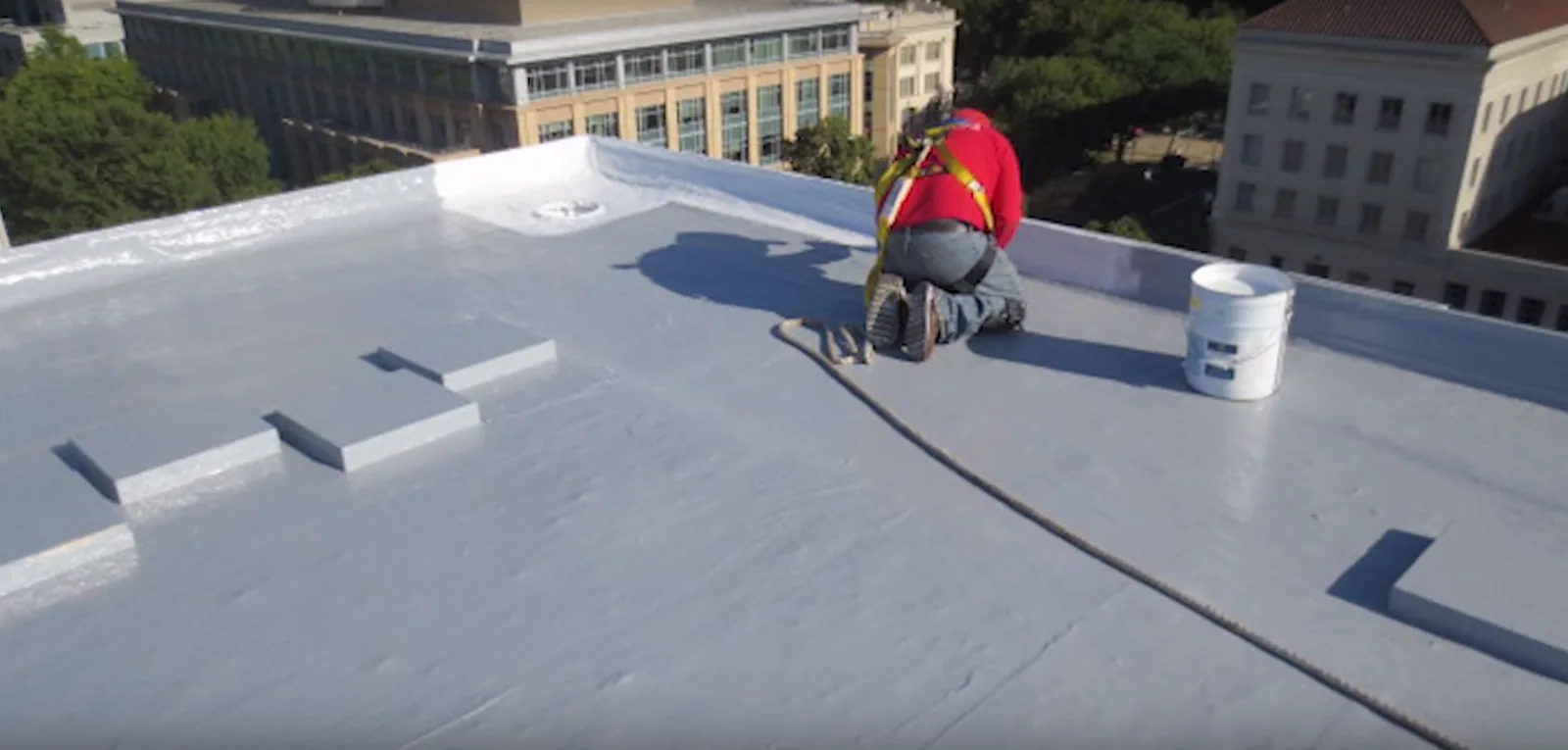
Soprema Roofing Systems
On a modified bitumen roof, the cap sheet writes its history in the granules: bare patches where they have worn away, ridges where laps meet, blisters where trapped moisture has pushed the plies apart. We walk a Soprema roof in St. Paul with a marker and a camera, plotting each of these on the plan and noting the date. By the end of the walk the owner holds a map of observed wear. Its rate requires comparison with earlier dated records.
Soprema's roofing offerings include SBS modified bitumen and liquid-applied systems. Exact product names, reinforcement, substrates and application methods are checked in the proposed system's official documentation. Our crews work on both in St. Paul, and each job is written up layer by layer so the record outlasts the crew that made it.
Reading Granule Loss, Blisters and Ridged Laps on a modified bitumen Cap
Granule loss is a condition finding with several possible causes, because the granules shield the asphalt beneath from sun. We photograph bare areas beside a scale and log whether they sit near drains, where water has scoured them, or along walkways, where feet have. A blister is read differently: it is a pocket of trapped air or moisture between plies, and in a climate that freezes and thaws, water in that pocket expands and widens it.
We probe the edges of each blister and take a moisture reading before anyone cuts it. Laps that have ridged or opened are tagged and photographed with a ruler across the gap. That sequence turns what looks like a single complaint, a worn roof, into a list of distinct findings, each of which can be repaired, watched or left alone for stated reasons.
Counting Plies and Reading the Layers in a Core
A multi-ply roof has built-in redundancy, so the number of plies matters to a repair plan. A core through a modified bitumen roof shows the cap sheet, the base ply or plies beneath it, the insulation, and the deck. We count and photograph each layer, measure its thickness and note whether any of them is damp.
A dry lower ply under a damaged cap often supports a commercial roof repair that restores the surface and leaves the rest in place. A soaked base ply with wet insulation underneath does not. The cut face shows which case we have, and the photograph of it goes into the file so the owner sees the same evidence we do.
Choosing Between Torch-Applied, Self-Adhering and Cold-Applied Sheets
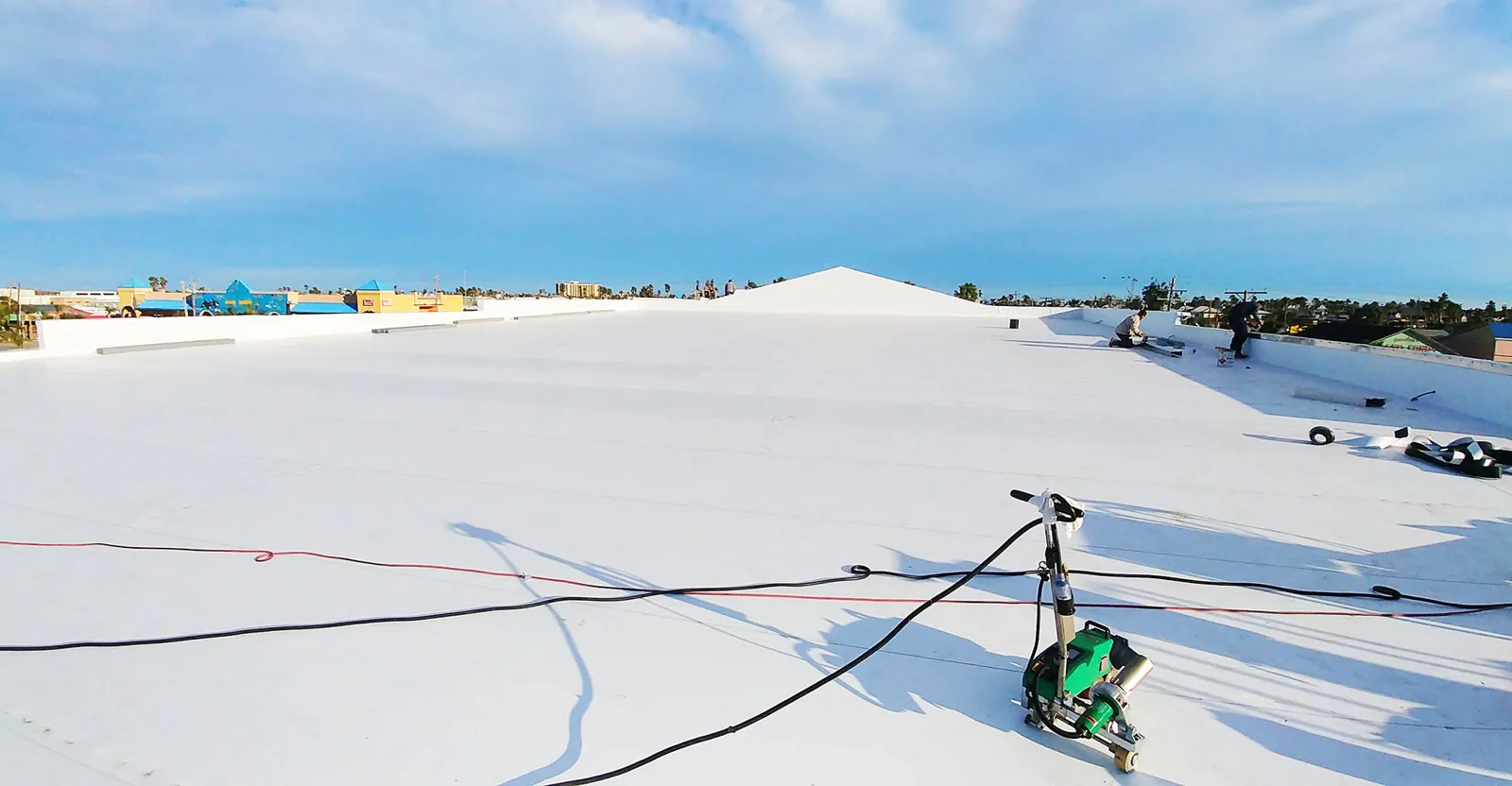
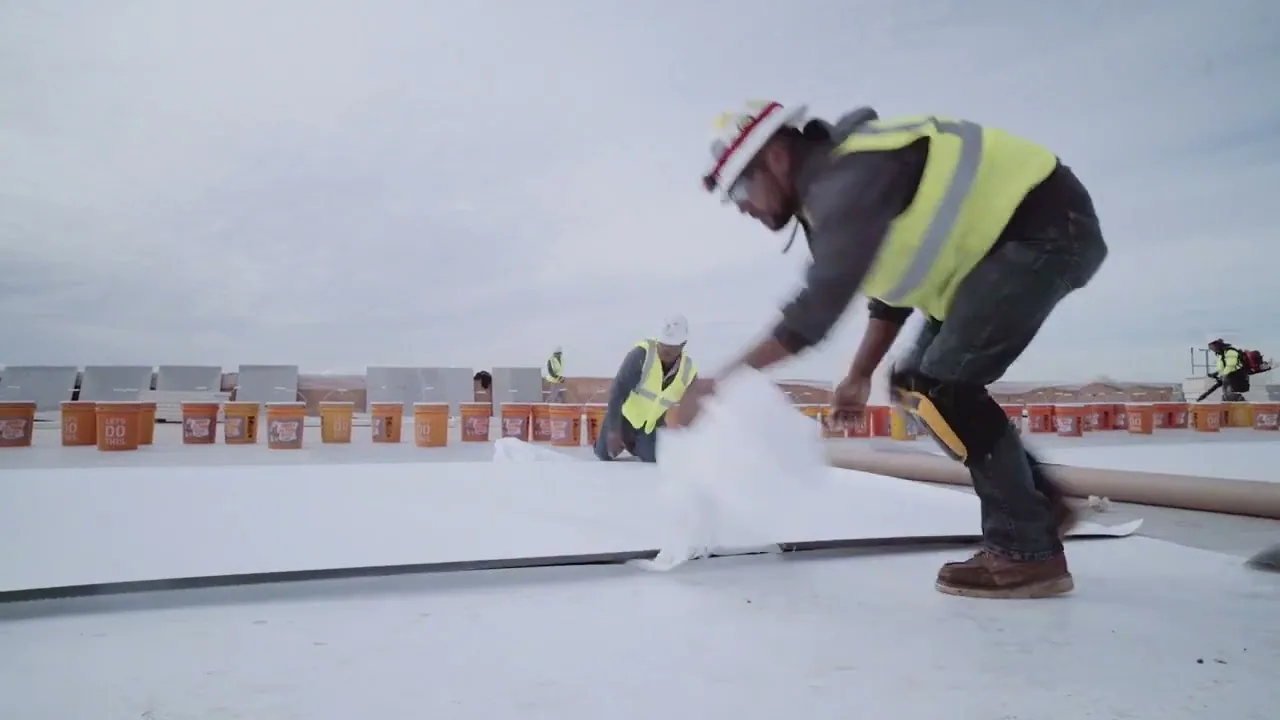
Torch-applied sheets bond quickly and make strong laps, but they bring open flame to a roof. Self-adhering sheets avoid torch application, but still require a suitable substrate, specified temperatures and facility fire controls. Compare the actual product with other GAF assemblies on those requirements. Cold-applied systems use specified adhesive, with preparation and curing requirements that affect scheduling. Each has temperature limits in cold weather, and the log records the conditions on every working day.
Consider a converted brewery such as the Schmidt Artist Lofts on West Seventh Street, founded in 1855 and added to the National Register of Historic Places in 2018: a building with residents and a protected history calls for a hard look at flame, fumes and access. Owners who hold Johns Manville bituminous roofs on other buildings will recognize the same questions in the older properties of the West Seventh district, and the answers are written down before any work is scheduled.
Logging Hot Work, Fire Watch and Cool-Down Times
When a torch is used, the record has to show it was used safely. We log the start and finish of hot work, the person assigned to the fire watch, the extinguishing equipment on the roof and the time of the final inspection after the last flame is out. Surfaces near the work are checked with an infrared thermometer, and the readings are entered with the time.
That log is useful to an insurer, a building manager and a code official alike. It also shows owners that the choice of method was weighed against the building, not merely against the price of the material. Where the answer is a cold method, the same file records the adhesive, the surface temperature and the cure time, which keeps occupied building reroofing accountable to those who live or work below.
Record Specified Liquid Flashing at Crowded Penetrations
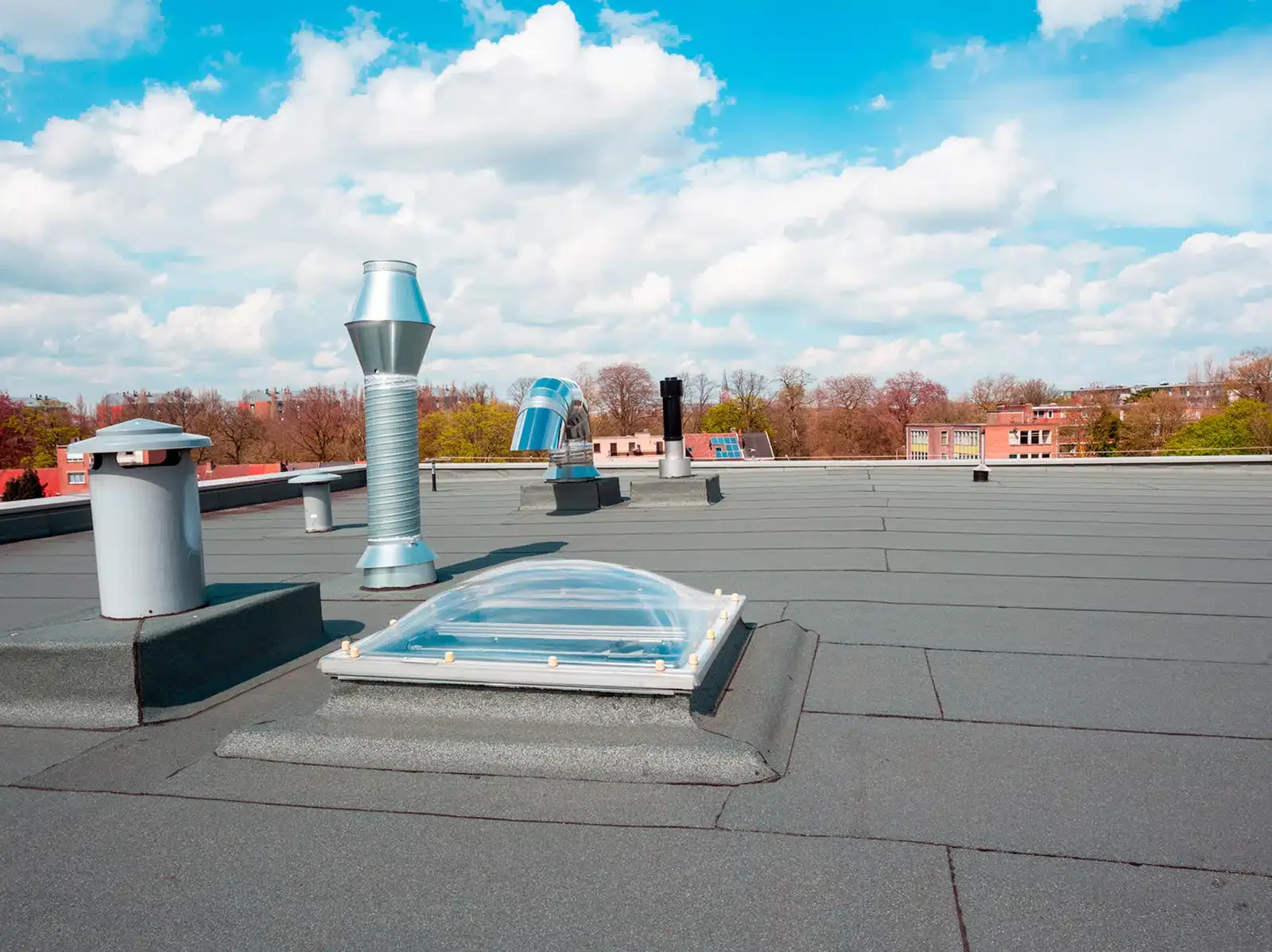
A cluster of pipes, conduits and support legs is hard to flash with cut pieces of sheet, because every joint becomes a place for water to enter. A specified liquid-applied resin follows the shape of the penetration and cures into a continuous layer, with a reinforcing fabric where the detail needs it. We photograph each stage: the cleaned substrate, the primer, the first coat with fabric embedded and the finished surface.
Each detail is numbered on the plan and logged with the date, the temperature and the coat thickness. That matters later at the roof's edges and curbs, where flashing failure can admit water locally even when the surrounding field looks sound. A record of how the resin was installed lets the next crew match it.
Filing the Core, Blister Map and Hot-Work Log Together
When a storm or a thaw produces a leak, the adjuster will want to see the roof before and after. Our file holds the earlier blister map, the ply counts, the moisture readings and the repair photographs in date order. On the East Side near the former Hamm's brewery complex, where redevelopment is changing how older roofs are used, an owner who holds that file can answer questions from a lender or a buyer without a scramble.
The same file supports manufacturer warranty paperwork where it exists. Owners should read their terms for what the document requires of the installer and of the owner, and we supply the dated evidence.
Questions We Hear
Is it safe to use a torch on a roof over an occupied building?
Suitability first requires a review of combustibles, occupancy and facility authorization, followed by the required hot-work controls: a fire watch, extinguishers on the roof, protected edges and a check for hidden combustibles after the last flame. Where the risk outweighs the speed, a self-adhering or cold-applied sheet takes the place of the torch. We record whichever method was used, along with the people and equipment assigned.
What causes blisters in a modified bitumen cap sheet?
A blister is a pocket of air or moisture trapped between plies, often where the layers were not fully bonded or where wet insulation vented upward. Repeated temperature changes may affect a blister, but the inspection records its condition rather than assuming every blister will widen. We probe the edge, take moisture readings and photograph the blister before anyone cuts, so the repair addresses the cause.
How can I find out how many plies my roof has?
A core settles it. We cut a small plug in a spot away from drains, count the layers and measure each one, then patch the hole at once. The count, the thickness and any dampness are entered in the file with a photograph, which also helps a future buyer or adjuster understand what the roof holds.
Where does liquid flashing make more sense than a cut and welded corner?
It earns its place where the shape is irregular: pipe clusters, support legs, odd curbs and tight corners. A resin that flows around the shape leaves fewer joints than cut sheet. We still photograph the primer, fabric and finished coat so the detail can be inspected and repaired in the future.
Can a granule-bare cap sheet be coated instead of replaced?
Sometimes, when the plies below are dry and the sheet is still bonded. A coating restores surface protection and can extend the roof's service life. We test for moisture, cut a core and probe the laps first, because coating over a wet roof traps the problem. The findings go to the owner before a decision is made.