
Commercial Roofing in Stillwater, MN
Ice dam tracing, core samples, repair and replacement for county, downtown and commercial roofs in Stillwater, MN, with dated photo and moisture records.
Request a Roof Assessment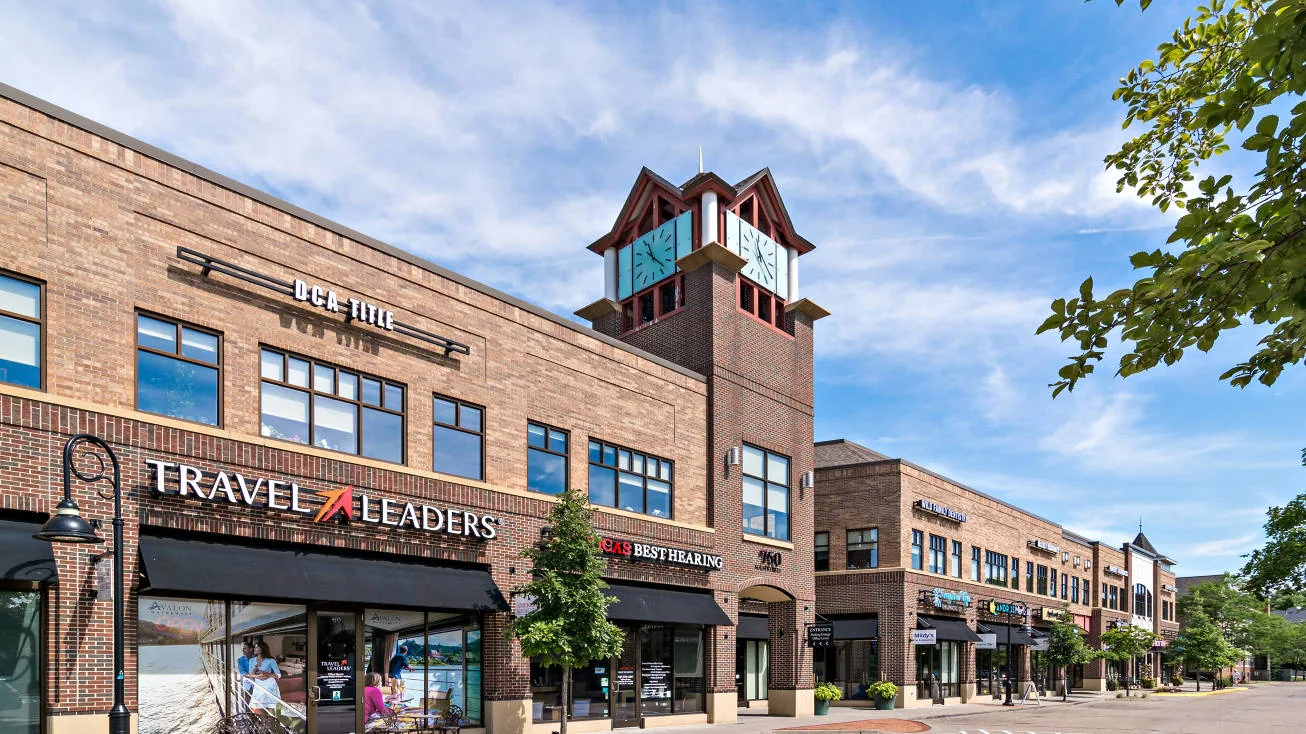
Stillwater
A ridge of ice along the edge of a roof, photographed with a tape beside it and a date in the log, is how we open a winter file on a commercial building in Stillwater, MN. Where meltwater reaches a colder edge, it can freeze into an obstruction. Escaping heat may contribute, but the ice photograph begins an investigation of drainage and heat paths rather than proving insulation thickness or moisture. Once the ridge is on record, the owner can see whether it comes back in the same place every cold snap.
Stillwater is the Washington County seat, home to the Washington County Government Center, and its historic downtown preserves buildings from the lumber era. MN 36, MN 95 and MN 96 are its main routes. Owners across that range of buildings call us for repair, recover and replacement work on low-slope and metal roofs, and each job leaves behind dated photographs, moisture readings and condition notes the owner can use years later.
Tracing Ice at the Eaves Back to Heat Loss Below
Winter inspection records the conditions present on the Stillwater roof, including accumulation, edge ice and accessible drainage outlets. On a Stillwater roof we measure what is actually piled where, then follow the melt. Where ice builds at an edge, we look at the insulation behind it, the vapor path through the deck and any rooftop unit venting warm air nearby.
A suitably scoped thermal survey can identify temperature differences for investigation, but it cannot establish their cause on its own. Targeted readings, authorized samples and available assembly records help interpret the pattern. Loading concerns require engineering review; historic snowfall does not establish remaining structural capacity. Repairs to edge metal and gutters help, but the corrective scope follows the confirmed drainage, flashing or heat-loss findings.
Reading the Layers Under a Lumber-Era Downtown
A building preserved from the lumber era may have been reroofed more than once, so the roof on it today may not be the roof first built. Installation records and selected samples identify the current assembly. We open the roof at a few chosen spots with a core cut, record each layer from the deck to the surface, and photograph the parapet, coping, wall flashing and any cornice detail before anything is disturbed.
That core is the evidence a downtown owner needs. Retained layers add dead load and may contain concealed moisture. A cut describes its selected location, while moisture extent, attachment and deck suitability need broader assessment. Those findings support a defined repair or removal scope, with any unresolved areas identified for follow-up. The decision is made on measured conditions and written down, so a later owner inherits the reasoning with the building.
Keeping Public Roof Records Ready for Audit
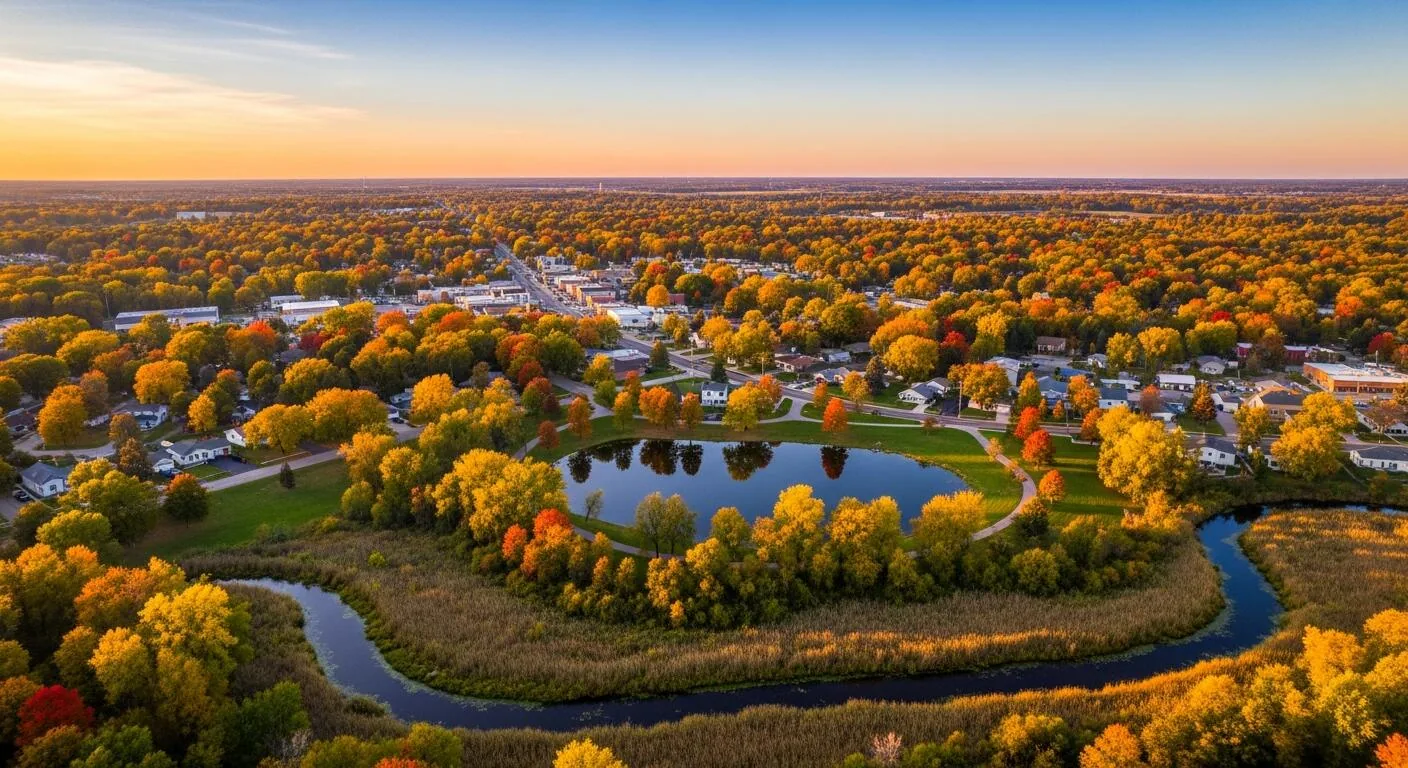
A public owner, such as a county running a government center, has to show what was spent and why. A roof file built for that reader holds more than a pass or fail: dated photographs of the existing condition, moisture readings tied to locations, a core sample result, and a scope that lists materials, insulation depth and drain details. Work for public agencies moves faster when those items exist before a bid is written, because bidders then price the same roof.
Government buildings are occupied, often with the public coming and going through the entrance, so access and protection get written into the scope too. We agree on which doors stay open, where the staging area sits and how air-handling operations and intake protection are coordinated with facilities staff during tear-off. For owners planning ahead, the same record feeds government building roofing budgets across several years.
Bringing Material in Over the St. Croix Crossing and MN 36
Stillwater sits on the river, and the way trucks cross it has changed. MN 36 now uses the extradosed St. Croix Crossing, opened in 2017, while the 1931 Lift Bridge is closed to vehicles. Deliveries therefore plan around MN 36, MN 95 and MN 96, and where a downtown street is narrow the plan may call for smaller trucks, a crane pick in a short window or material staged off the roof in advance. We walk the approach with the owner and record it.
MN 36 runs 21.7 miles from I-35W in Roseville to the Wisconsin border near Stillwater, so a property owner with buildings along it can keep one format of roof file for every site. North St. Paul sits on the same corridor, and the same photographs, readings and notes work there as they do in Stillwater.
For an occupied downtown property, we review turning space, overhead clearances, pedestrian routing and delivery hours with the owner. If a lift or crane is proposed, the setup area and any required street or sidewalk coordination are confirmed before scheduling. The delivery plan records property-specific limits so staging does not block an entrance or emergency route. The route is reviewed for the building frontage and planned load; a narrow street, crossing or event schedule can change which vehicle or lift is practical. We carry delivery details and changed access conditions into the daily roof-zone log.
Pricing Insulation Upgrades Into a Replacement Scope
Our Stillwater replacement proposal identifies applicable energy, attachment, drainage and permit requirements for the project. The scope names insulation depth, cover board and drainage slope as separate cost lines so the owner can see what drives the price. Thicker insulation and cover board adds material, but it also cuts the heat loss that feeds ice at the edge.
A sound compatible assembly may support repair or coating after adhesion, moisture and drainage checks. Saturated layers require correction, but the scope of removal depends on the extent and supporting condition rather than a single core result. Ice damage that reaches interior finishes goes into a snow and ice damage file that an adjuster can read.
Questions We Hear
Does a stained ceiling under an edge mean the gutter is the problem?
A stain near an edge can involve flashing, drainage or ice-related water entry. We document the interior location and timing, compare nearby details and investigate heat or moisture paths where warranted. A moisture reading alone cannot establish whether water entered behind an ice dam.
How do you decide how many roof layers a downtown building can carry?
A core cut shows each layer and its moisture, and the structural engineer of record sets the load limit. We report what is on the roof, weigh the new assembly against it, and recommend stripping to the deck where the old layers are wet or too numerous.
What does a county or city need from a roof file before it bids work?
A dated condition record, a scope that names materials, insulation depth and drains, and photographs of the existing roof. Those items let each bidder price the same roof and give the public owner an audit trail from the first walk to the final inspection.
Can trucks still use the old Lift Bridge for deliveries?
No. The 1931 Lift Bridge is closed to vehicles, and MN 36 crosses on the 2017 St. Croix Crossing. We plan deliveries on MN 36, MN 95 or MN 96 and set staging with the owner before the first load.
Should an ice dam be chipped off the roof edge?
Chipping can damage membrane or edge metal, and ice-removal methods also create access and drainage risks. A qualified crew should assess the installed materials, safe access and where released water will go before choosing a method. The later corrective scope follows confirmed causes rather than assuming insulation is the sole problem.