
Holcim Elevate Roofing in St. Paul, MN
Holcim Elevate roof inspection and repair in St. Paul, MN, with UltraPly TPO and RubberGard EPDM identification, sampled layers and dated repair records.
Request a Roof Assessment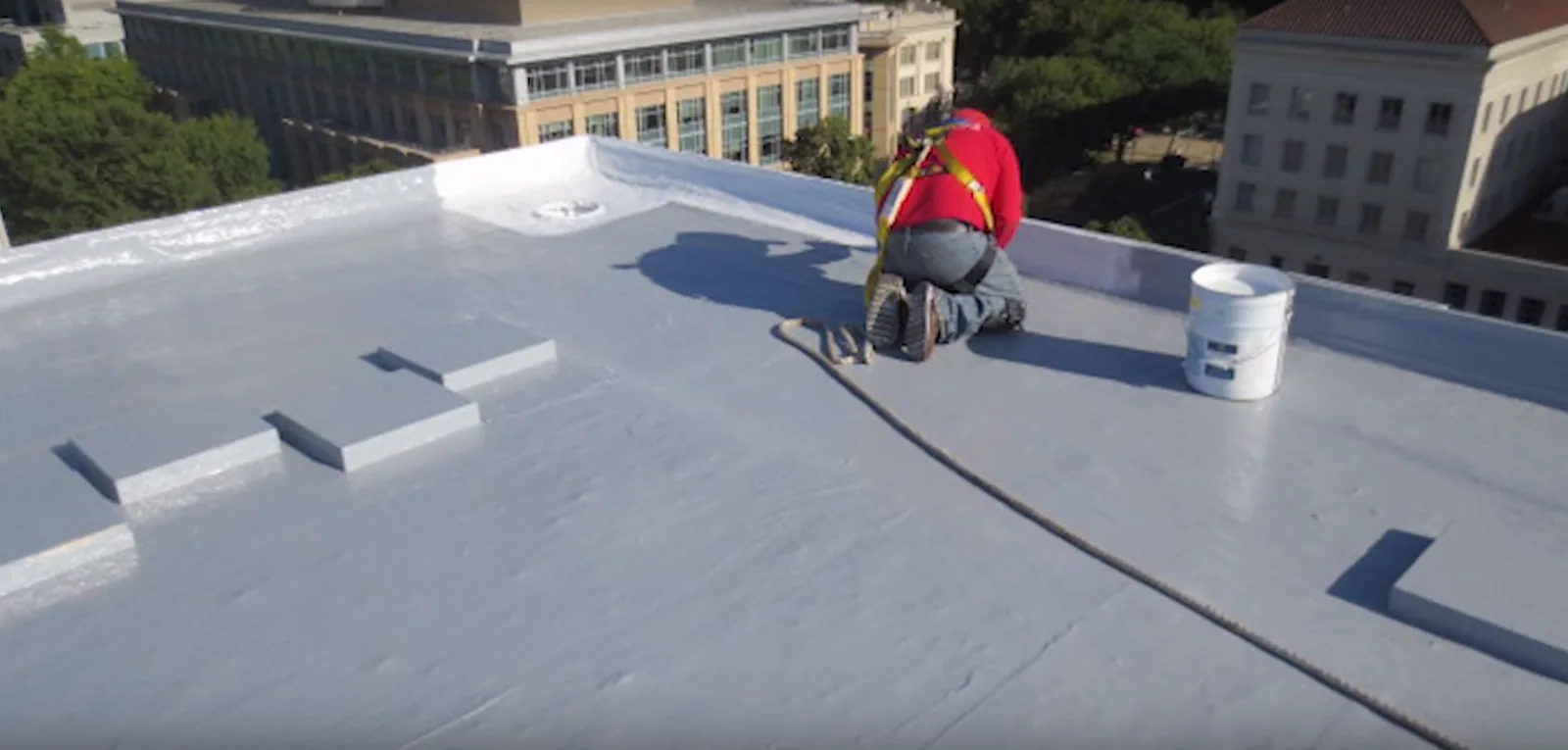
Holcim Elevate Roofing
An inspection file for a Holcim Elevate roof in St. Paul starts with the product identifiers actually supported by the owner's records. Older certificates and invoices are retained under their original labels; a current brand name does not independently establish the terms of an older warranty. We then record the product itself: the sheet, its thickness, the way it is held down, and the condition of what lies beneath it.
The maker's commercial line includes UltraPly TPO and RubberGard EPDM, among other sheets and insulation boards. Our crews repair and install both across St. Paul, and every repair goes into a dated file that survives a change of owner, manager or manufacturer name.
Reconciling the Firestone Name and the Holcim Elevate Name in One File
A building's paperwork often spans many years, and the product names on it may not match what the manufacturer calls itself today. We collect what the owner holds: the original specification, a warranty certificate if there is one, invoices, and any permit records. Then we compare them with what the roof shows in the field, such as the sheet type, the seam style and the label, if one is still readable on a core.
The comparison becomes a one-page summary at the front of the file, listing each component with its old and current name, the installation date if it is known, and the sources. When an adjuster later asks about the age and type of a roof, the answer is already written, dated and tied to photographs. A warranty management file built this way keeps the paper trail readable.
Probing UltraPly Laps and Splicing RubberGard Edges on the Walk
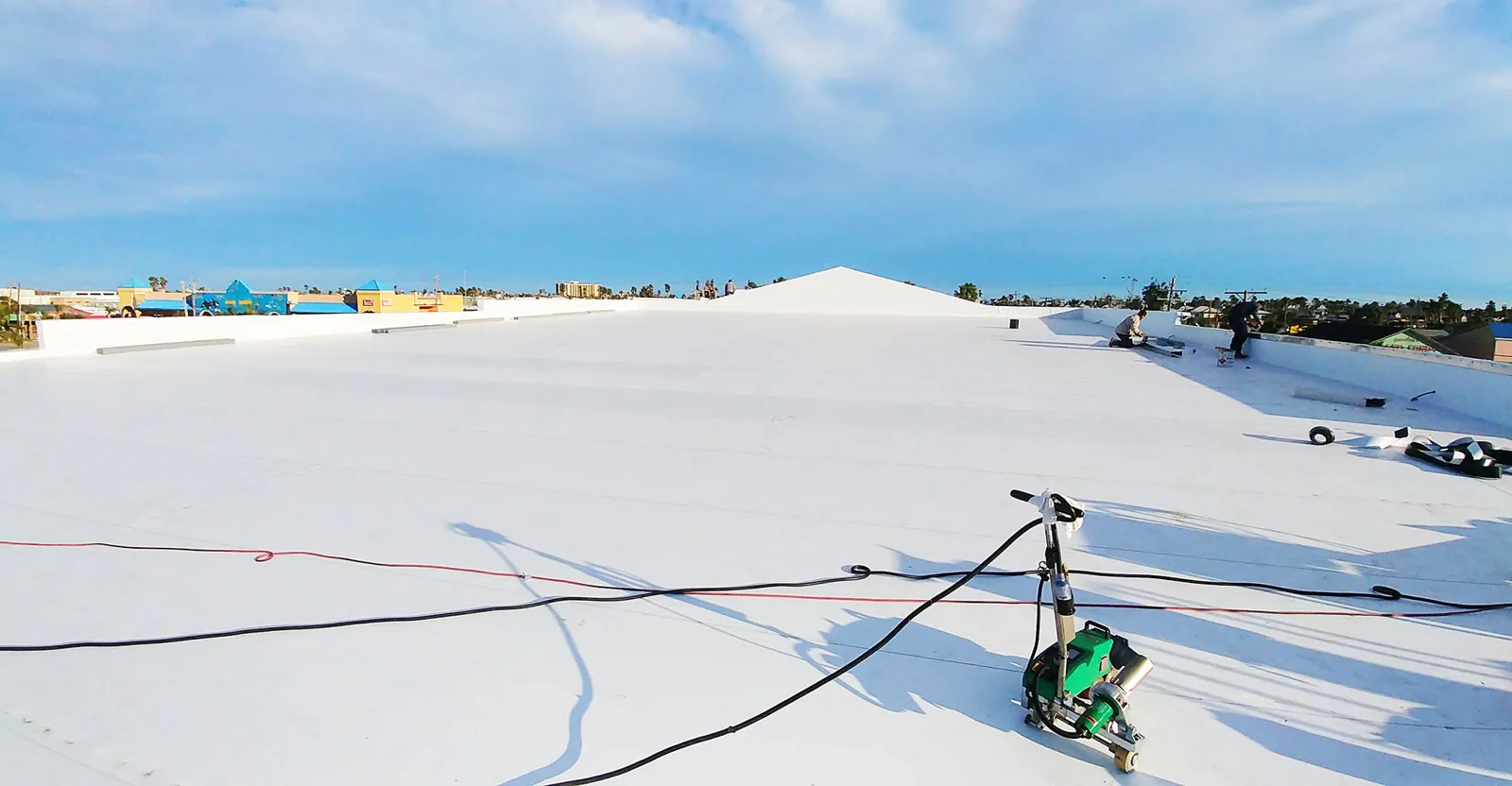
UltraPly TPO is a heat-welded thermoplastic, so we probe every lap and photograph each spot where the probe finds a channel. RubberGard EPDM is a rubber sheet whose seams are joined with tape or adhesive, and we look for lifted edges, dirt lines and cracks at the splice. Each finding gets a number and a dated picture.
Both sheets are also checked at the places where movement concentrates: around drains, along walls and at the corners of equipment curbs. A seam failure starts small, and the earliest photograph of it is the one that makes a repair scope defensible. We add moisture readings wherever a flaw sits near a drain or a wall, so the record shows whether water has gone any further than the surface.
Judging a Recover Over RubberGard Against a Full Replacement
An EPDM assembly may warrant evaluation for recover after moisture, retained layers, structure, attachment and applicable requirements are reviewed. Recover retains existing weight and adds new weight, even when disposal is reduced. A roof whose insulation has absorbed water cannot, and the readings usually show it before any plan is drawn. We cut cores at the spots where readings are highest and state in writing what the cut revealed, along with the options that follow from it.
The calendar matters too. A campus such as the University of St. Thomas along Summit Avenue and a retail center such as Rosedale Center in Roseville run on different calendars, and the sequence for commercial roof replacement is written against the calendar of the building, with the weather risk of each season named.
Reading Hail Bruises and Punctures Against the Sheet's Age
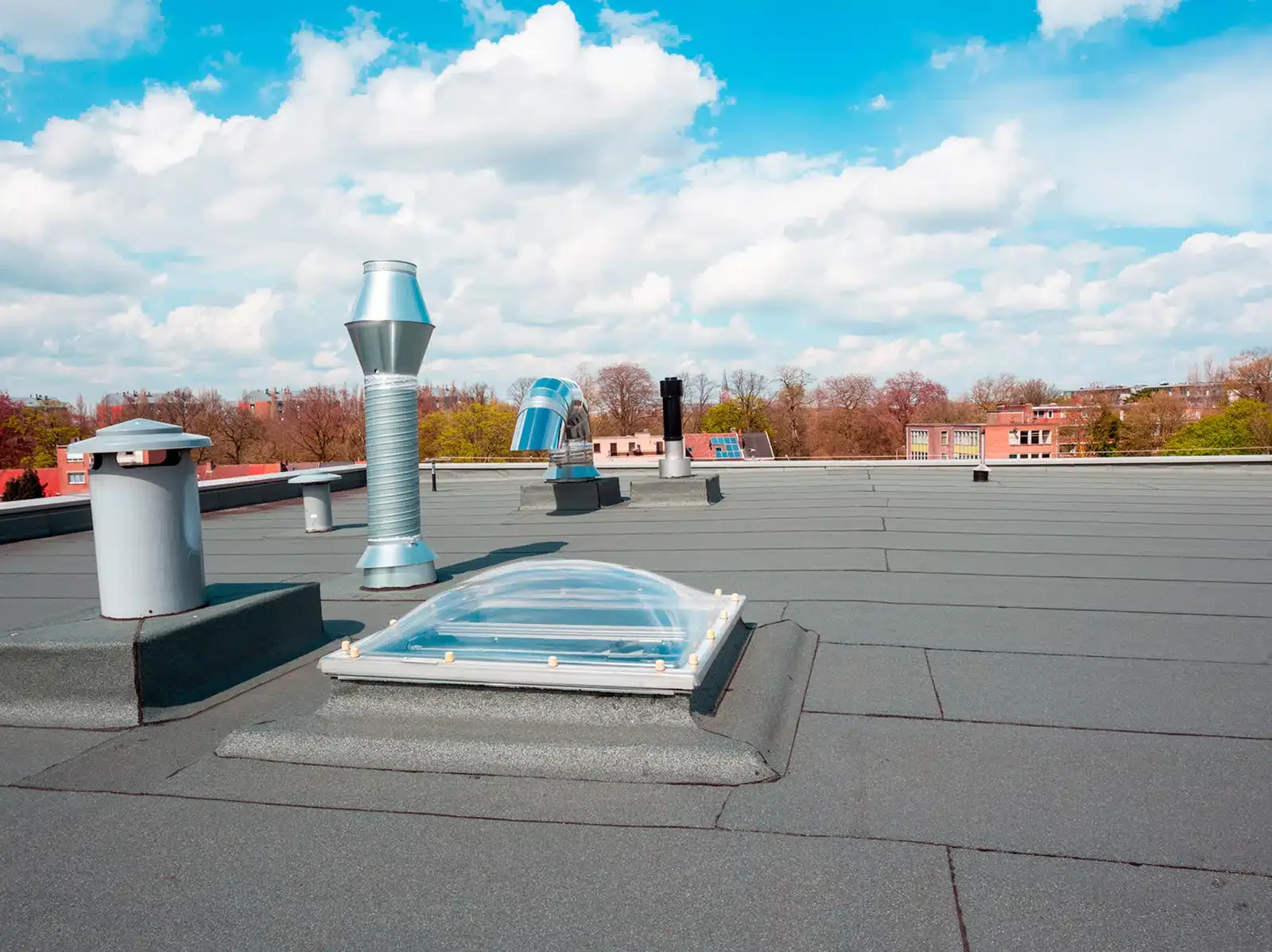
Hail leaves marks that differ by membrane. A round bruise on a TPO sheet, a dimpled impact in EPDM, or a split at a seam each tells a different story, and a puncture from a dropped tool or a loose fastener looks different from all of them. We photograph each mark beside a scale and plot it, then inspect the detail and evaluate moisture indications separately; a seam probe cannot establish concealed water travel.
The July 28, 2025 storms brought golf-ball-size hail through the Twin Cities, with warnings covering St. Paul, Woodbury and Maplewood, and in May of that year the National Weather Service tracked hail up to 4 inches across the Upper Midwest. Pattern and location can guide investigation, but do not establish whether hail, maintenance activity or another source caused a mark. Sorting them is the groundwork for hail damage repair that an insurer can follow.
Handing an Adjuster a Roof History in Order
A claim is easier to review when the roof's story is arranged in the order an adjuster reads it: what is on the roof, how old it is, how it was maintained, what the storm did, and what the repair will cost. Our files follow that order, with the photographs dated and the moisture readings tied to positions on the plan.
Where the owner has maintained the roof, the inspection log shows it, and that history contributes evidence without ruling out wear or determining coverage. An owner who also holds GAF or Carlisle roofs can keep every file in the same format, and an owner with several buildings can pair these files with roof condition reports and compare roofs by the same measures.
When a roof includes legacy Firestone paperwork and newer Holcim Elevate records, we retain the original product labels and dates, then distinguish verified installation information from owner-supplied or unconfirmed details. Field records identify the UltraPly or RubberGard family only when supported by evidence, and repair records keep TPO and EPDM procedures separate. Product-family identification alone does not establish that a specific assembly or warranty applies. The owner can review available documents, roof photographs and test findings with the manufacturer or designer. Our repair record also cites the document or field observation behind each product identification, preserving a clear basis for later service and warranty questions.
Questions We Hear
My warranty paperwork carries the Firestone name. How do I connect it to the current company?
Terms are confirmed by the manufacturer's warranty office. What goes into the request is the evidence: the paperwork, the product found in a core, the installation date and photographs. That bundle gives the owner a clean request to send and a clear answer to any question about the roof's age.
How do I find out which UltraPly or RubberGard product is on my roof?
A core, a thickness reading and a look at the seams will narrow it down. White heat-welded sheet may be TPO or another thermoplastic, and black rubber with tape or adhesive points to EPDM. Original specifications and invoices confirm the rest. We list the findings in the log with photographs so the identification can be reviewed later.
Is it reasonable to recover over an old RubberGard roof?
Possibly, after reviewing layer limits, compatible attachment, moisture, structure and project requirements. EPDM typically needs a cover board or a separation layer before a different membrane goes over it. We test the roof with moisture readings and cores first, and give the owner the results before recommending a recover.
When is the right time to reroof a university or college building?
Summer usually offers the lightest occupancy, but spring and fall can also work with the right phasing. We build the schedule from the academic calendar, the product's temperature limits and the weather record. The written plan names which areas close, when, and what the building sees during each phase.
Which records settle a dispute over the age of a Holcim Elevate roof?
Dated installation paperwork, permit files, photographs from earlier inspections and a core showing the sheet and its thickness are the strongest set. Weathering, shrinkage at walls and the state of the seams add context. Our log gathers these in one place, so known dates and unresolved age questions are distinguished from observed condition.