
Hotel Roofing in St. Paul, MN
Roof inspection, repair and replacement for hotels in St. Paul, MN, with each finding tied to the rooms below and work timed around event nights.
Request a Roof Assessment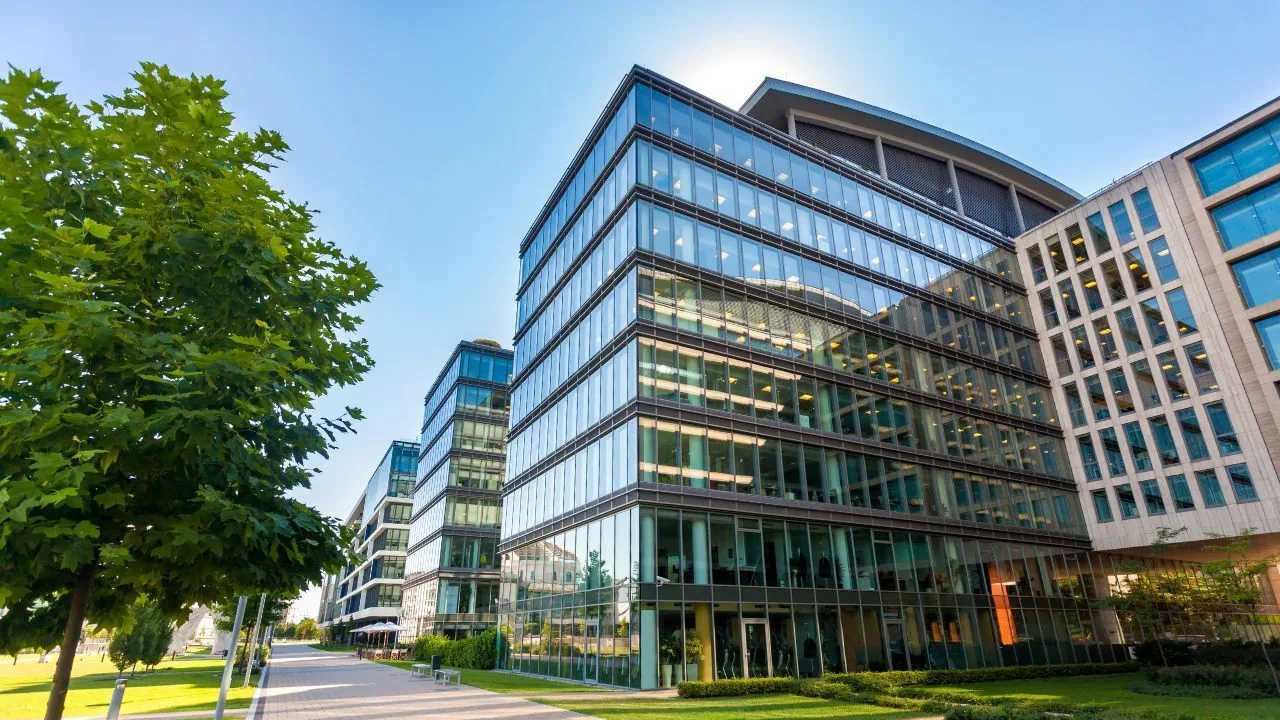
Hotel Roofing
On a hotel roof, every entry in the inspection log ends with a room number. A damp stairwell, a stain in a corridor ceiling or a drip in a guest room each traces to a spot on the roof, and we write both ends of the line in the same record: the moisture reading at the roof and the room beneath it. A hotel in St. Paul, MN runs on room nights, so a roof file that shows exactly which rooms sit under a failing detail helps the owner identify rooms requiring protection or temporary closure from the actual work exposure.
Tying Each Roof Finding to the Rooms Below
We begin with the floor plan, laid over the roof plan, so each roof area is labeled with the rooms and corridors beneath it. The walk then records moisture readings, seam condition and flashing by area, and the report reads the same way: the area, the finding, the rooms affected. A housekeeping supervisor who reports a stained tile can see at once whether it matches a documented weak spot.
The same labeling makes repairs precise. When a leak reaches a guest room, we follow it uphill from the ceiling using readings and core samples and fix the opening, not the nearest roof area. Room restrictions follow the interior safety and roofing work requirements, and the photographs from each step go into a record the general manager can pass to the owner or an insurer.
Planning Around Event Nights and the State Fair
A hotel in downtown Saint Paul near Kellogg Boulevard sits beside the RiverCentre convention facility, Roy Wilkins Auditorium and Grand Casino Arena, which share an event district. Event activity needs review before lift access or removal is scheduled nearby. We build the roof schedule from the event calendar, working in the quiet weeks and keeping the roof sealed and photographed through the busy ones.
Falcon Heights has its own peak. The Minnesota State Fairgrounds cover 322 acres and draw about two million visitors over 12 days, so a hotel serving that traffic from Falcon Heights or nearby needs the actual occupancy and access schedule reviewed before major roof removal during the fair. The roof is closed in and documented before the gates open, and during the fair we limit the crew to emergency dry-in and repairs. A hotel beside Union Depot in Lowertown, an intermodal hub for Amtrak and the Green Line, schedules around arrivals and departures on the same principle.
Watching the Roof Over Pools, Laundries and Kitchens
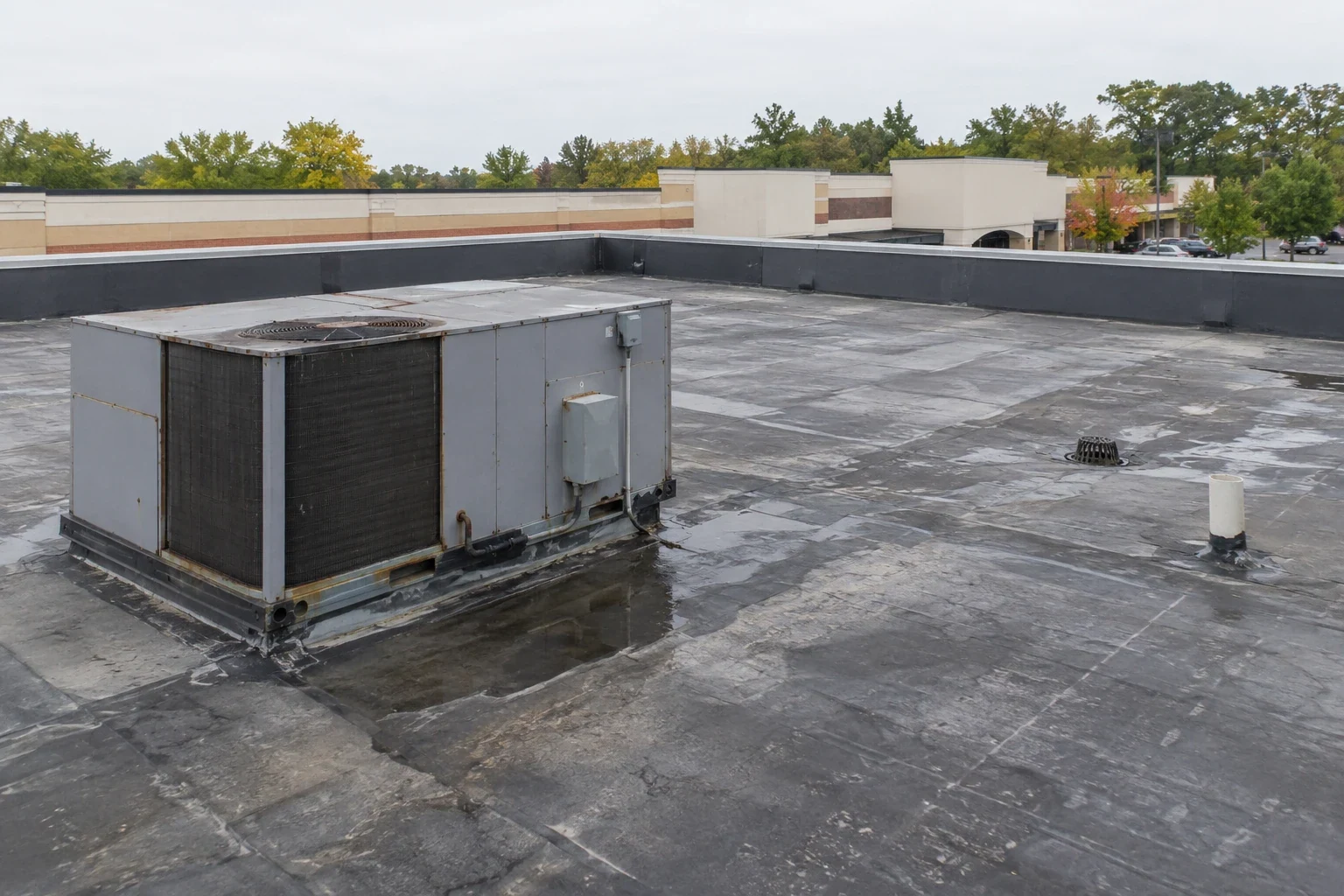
A hotel puts humidity under its roof. An indoor pool, a laundry and a kitchen all send warm, moist air toward the deck, and in a Minnesota winter that air meets cold insulation and releases its water inside the assembly. Condensation can produce wet layers despite an intact membrane, but the cause still needs investigation. Samples over the pool enclosure and laundry document local moisture, but do not establish its direction of travel. Indoor humidity, ventilation, accessible layers and membrane defects need review before a vapor-retarder remedy or membrane work is proposed.
The insulation and its cover matter here. A roof insulation and cover board upgrade may form part of a condensation remedy after the moisture source and assembly are reviewed; compatible cover board can also support the selected surface. For kitchens in a hotel, the grease and exhaust issues are the same ones seen on a restaurant roof, and the log tracks fans and drains the same way.
Reading Podiums, Towers and Entrance Canopies as Separate Roofs
Most hotels have roofs at several levels: a tower, a lower podium or ballroom wing and the canopy over the main entrance. Snow slides, blows and drifts between them. With a 50 psf ground snow figure behind roof design in Ramsey, Dakota and Washington counties, a drift at the step between a tower and a podium can far exceed the even layer elsewhere. We measure and photograph it, then log the flashing at the base of the wall.
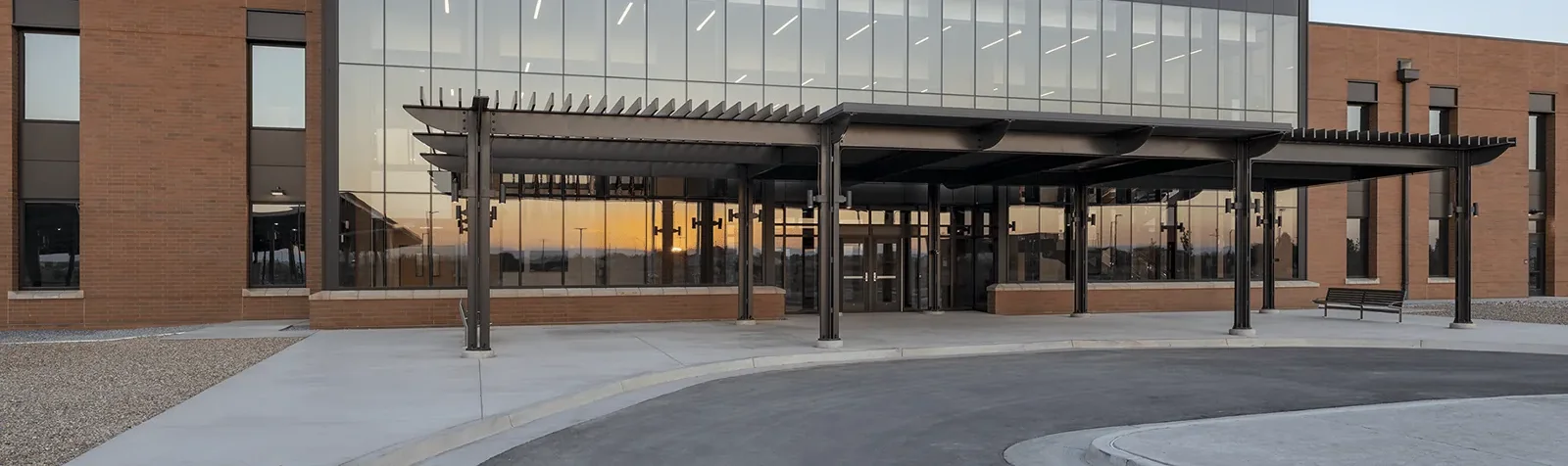
The canopy is where winter becomes a guest-facing issue. An ice dam at its edge can release sheets over the drive, and a membrane failure there stains the soffit that every arriving guest sees. A flashing failure repair at the junction of canopy and wall is the usual correction, and we record the condition and the date so a recurrence is identified as such.
Coordinate Reroofing With Room Restrictions
A hotel reroof is planned in wings. The wing below the active section is told of the work, the noisiest steps start after guests have left for the day, and each section is dried in and photographed before the shift ends. A roof recover avoids the tear-off noise and debris when the moisture readings allow it, which is a real advantage on a building full of sleeping guests.
St. Paul sends a commercial flat-roof re-roof application, a hotel's included, to plan review, and the submittal names the material, the roof square footage and the drain size. The applicable energy provisions and exceptions must be reviewed for the proposed hotel reroof scope. We collect those figures during the survey, so the permit package has measured inputs while any outstanding design and approval questions remain visible.
Keeping the File That Brands, Lenders and Claims Require
A hotel answers to owners, lenders, management companies and brand standards, and each asks about the roof at a different time. A dated condition report with photographs, moisture readings and remaining life serves them all. For hospitality groups with several properties, the same format lets the properties be ranked against one another.
The file also covers the warranty. Installation records, repair invoices and inspection dates support a manufacturer claim, which is why roof warranty management starts with a clean record. If a storm damages the roof, the same file shows an adjuster what the roof looked like before it, and how it was kept. The section records also serve an apartment roof assessment where occupied rooms and separate roof junctions need their own located findings.

Questions We Hear
How many rooms come out of service during a roof project?
The work opening, noise and interior exposure establish which rooms are affected. Because the report ties each roof area to the rooms below, the work is sequenced to keep the number small, and ceilings are checked after each section closes. The general manager receives the room list before the work starts.
Why does moisture build up inside the roof over an indoor pool?
Warm, humid air rises from the pool and reaches the cold side of the assembly, where it condenses in the insulation. The membrane may be sound while the insulation fills with water. Core samples and moisture readings show how far it has spread, and the correction is usually a vapor control layer and better ventilation, not a new roof alone.
What happens when a guest reports a ceiling drip at 2 a.m.?
Any hour works for a call, and we assess safe access and temporary protection for the reported entry. Photographs of the damage are taken before the cover goes on, the wet ceiling is marked on a room plan, and the repair record starts that night. The front desk gets a clear statement of which rooms to hold.
How should a hotel owner document roof condition for a brand inspection?
Bring a dated report with photographs of each roof area, moisture readings, core findings and the date and nature of each repair. A log that goes back several visits shows a property whose roof is looked after.
Dry rooms and hail on the roof: is there still a problem?
Dry rooms say nothing about bruised membrane. Hail can fracture reinforcement or crack a seam without producing a leak that week, and resulting water entry may occur during later precipitation or thaw. We count hits and photograph them while they are fresh, because an adjuster needs the record before the marks weather away.