
Fitness Center and Gym Roofing in St. Paul, MN
Fitness center and gym roofing in St. Paul, MN: moisture readings that separate condensation from leaks, unit flashing and repairs timed to class schedules.
Request a Roof Assessment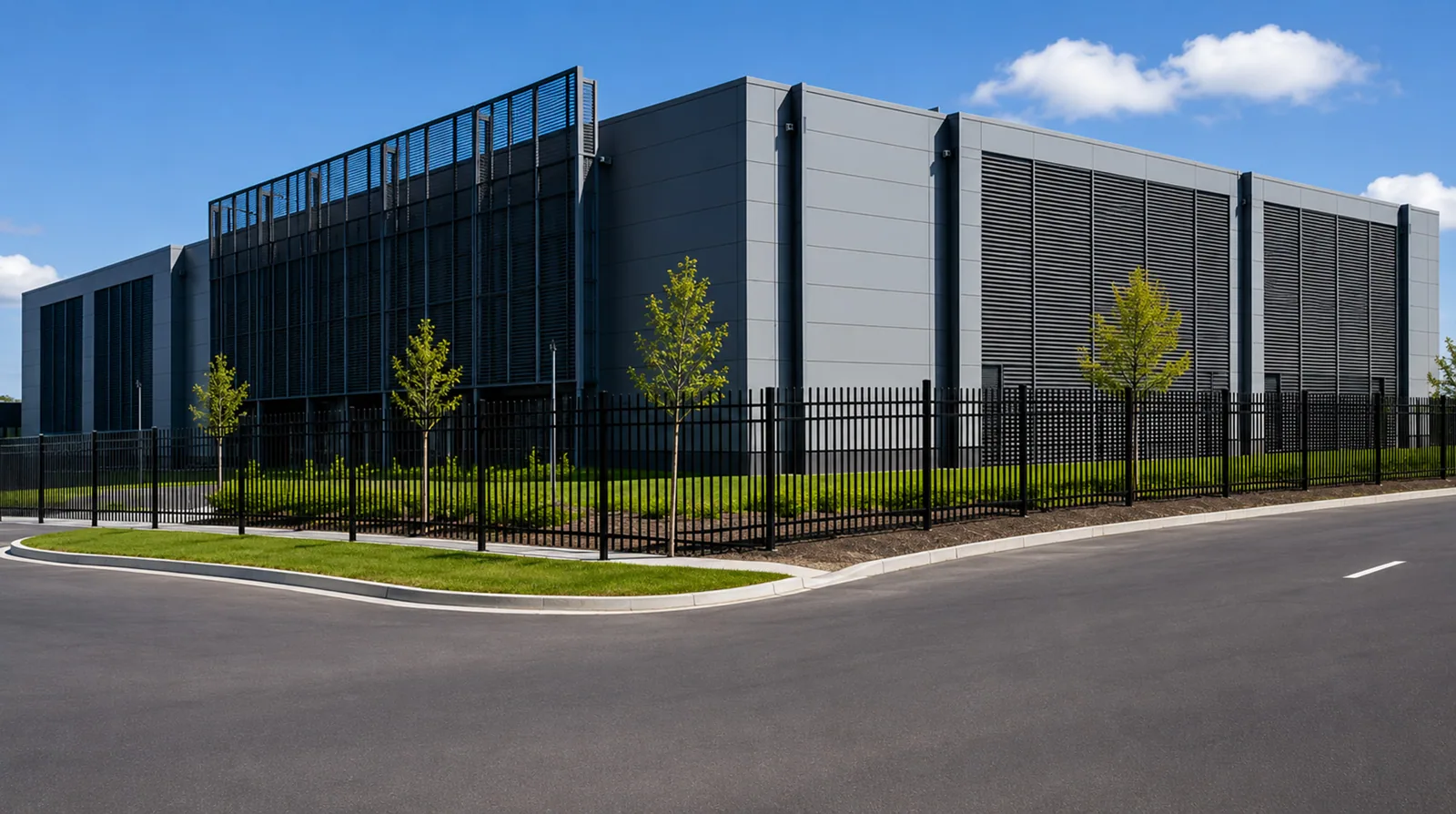
Fitness Center and Gym Roofing
Showers, a pool deck and a floor full of people breathing hard all put water into the air of a fitness center, and the first entry in our log for a gym in St. Paul, MN is where that moisture goes in January. Warm humid air rises to the roof deck, meets a surface close to the outdoor temperature and condenses as drops that look exactly like a leak. We take moisture readings above and below the deck, photograph the underside and compare both with the roof surface outside. The dated result tells the operator whether the ceiling problem belongs to the roof or to the air handling.
Separating Interior Condensation from Roof Leaks
Cold-season inspection compares the interior conditions with weather and observed roof temperatures. Historical regional records, including the severe cold of January 2014, provide context without establishing a particular gym's assembly condition. During those months the temperature difference across a gym roof is large, and any gap in the vapor barrier or air seal lets humid air reach cold insulation. Water collects there, saturates the insulation and eventually drips to the ceiling below. Because the drip appears after a thaw, owners often blame the membrane.
An infrared moisture survey with authorized cores supports the investigation. Moisture distribution alone does not conclusively distinguish a leak from condensation; indoor humidity, piping, ventilation and accessible membrane details need review together. We record both patterns on a roof map, with readings at each core. If the roof is at fault, the repair is documented. If the air handling is at fault, the report names the likely sources, such as penetrations at the pool hall wall, so that the right trade is called.
Reading Rooftop Units Sized for Locker Rooms and Studios
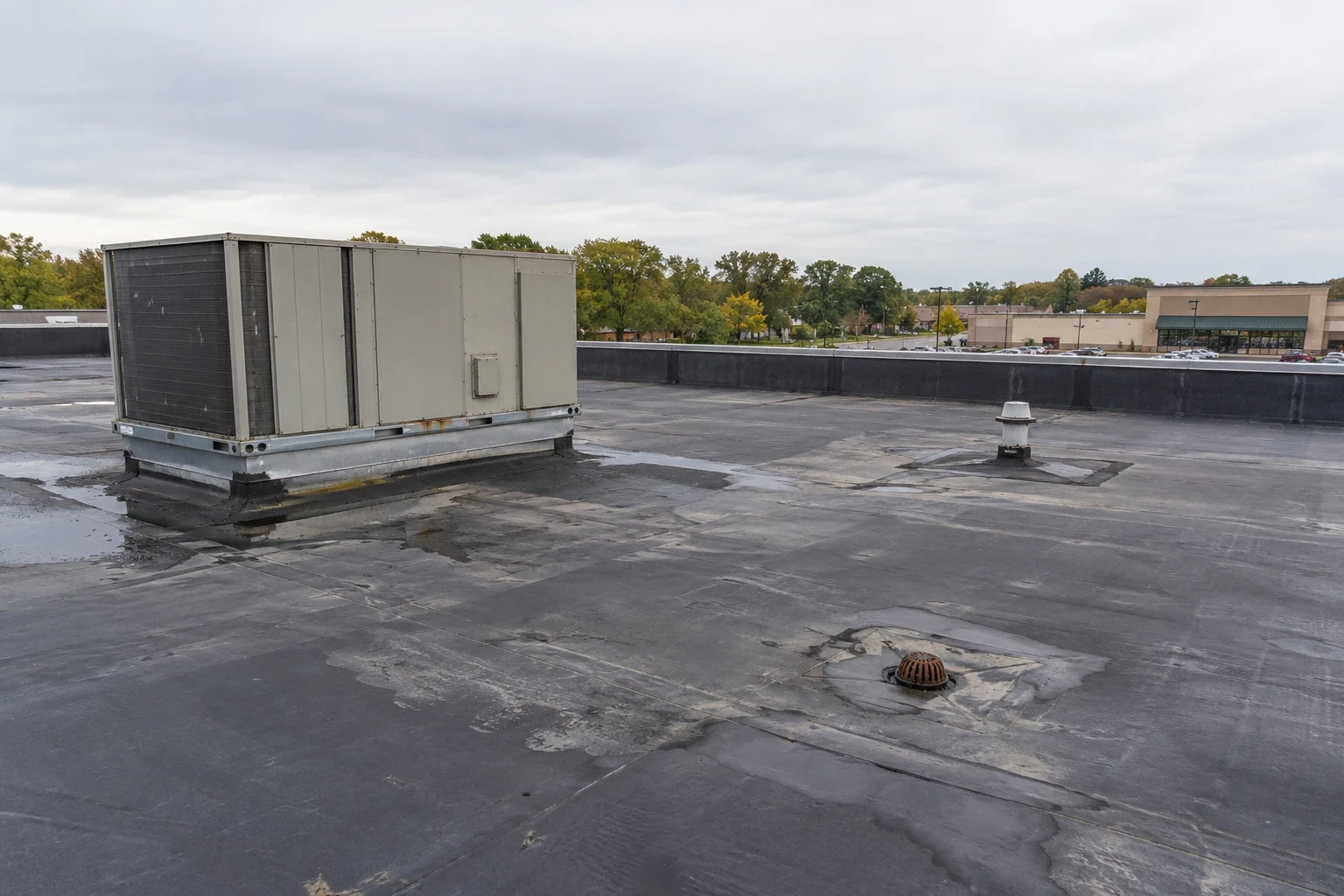
A fitness center asks a lot of its mechanical systems. Locker rooms, wet areas and group studios need heavy ventilation and exhaust, and the equipment that provides it sits on the roof. The result is a roof with large units on curbs, long duct runs, condensate lines and a path worn by technicians who service them. Every curb is a flashing, and every foot-traffic route is a place where the membrane takes abuse that the roof designer may not have planned for.
We photograph each curb and note the state of its flashing, the condition of the sealant and any ponding near the base. Walk pads are suggested where traffic has scuffed the surface, and discharge from condensate lines is directed to a splash block or drain instead of onto the membrane. Work on rooftop equipment curbs and supports is logged against the unit's number, so when the unit is replaced the roof is already documented.
Checking Court Roofs, Natatorium Decks and Skylights
Gyms with courts and pools are tall, wide rooms, and their roofs span long distances with few interior supports. Long spans warrant attention to drainage and observed movement. Mid-span ponding does not prove structural deflection, and a change in depth or roof shape requires an engineer's assessment. We measure the depth at the drains and look for staining that traces the dip. A natatorium adds its own problem, a chlorinated atmosphere that attacks metal and fasteners, so we inspect the roof assembly above a pool for corrosion at the deck and the fasteners behind it.
Skylights and daylighting panels are common in fitness spaces because they bring natural light to the floor. Each curb and frame is a seam between two materials, and each can open under thermal movement. Our work on skylight and penetration flashing starts with a photograph of every corner, the condition of the glazing seal and a moisture reading on the surrounding insulation, since a skylight that weeps slowly can soak a large area before the ceiling shows it.
Fitting Work Around Opening Hours and Class Schedules
A gym that opens before dawn and closes late leaves few quiet hours. We ask for the class schedule, the busiest days and the hours of the quietest studios before we plan a day. Loud tasks such as tear-off and deck fastening are placed when the rooms beneath are the least used, and noisy equipment stays on the side of the building away from yoga, cycling or childcare rooms. Staging is set apart from the member parking area, and a protected walkway keeps the entrance clear.
The sequence follows the same logic as other occupied building reroofing: one area is opened, dried in and photographed before the next. In winter, the schedule also allows for weather, because adhesives and welds need dry, moderate conditions. Where a leak appears at an inconvenient hour, emergency crews respond around the clock, and the temporary repair is documented so the permanent one can be scheduled after the weather turns.
Keeping a Record Operators, Landlords and Lenders Can Share
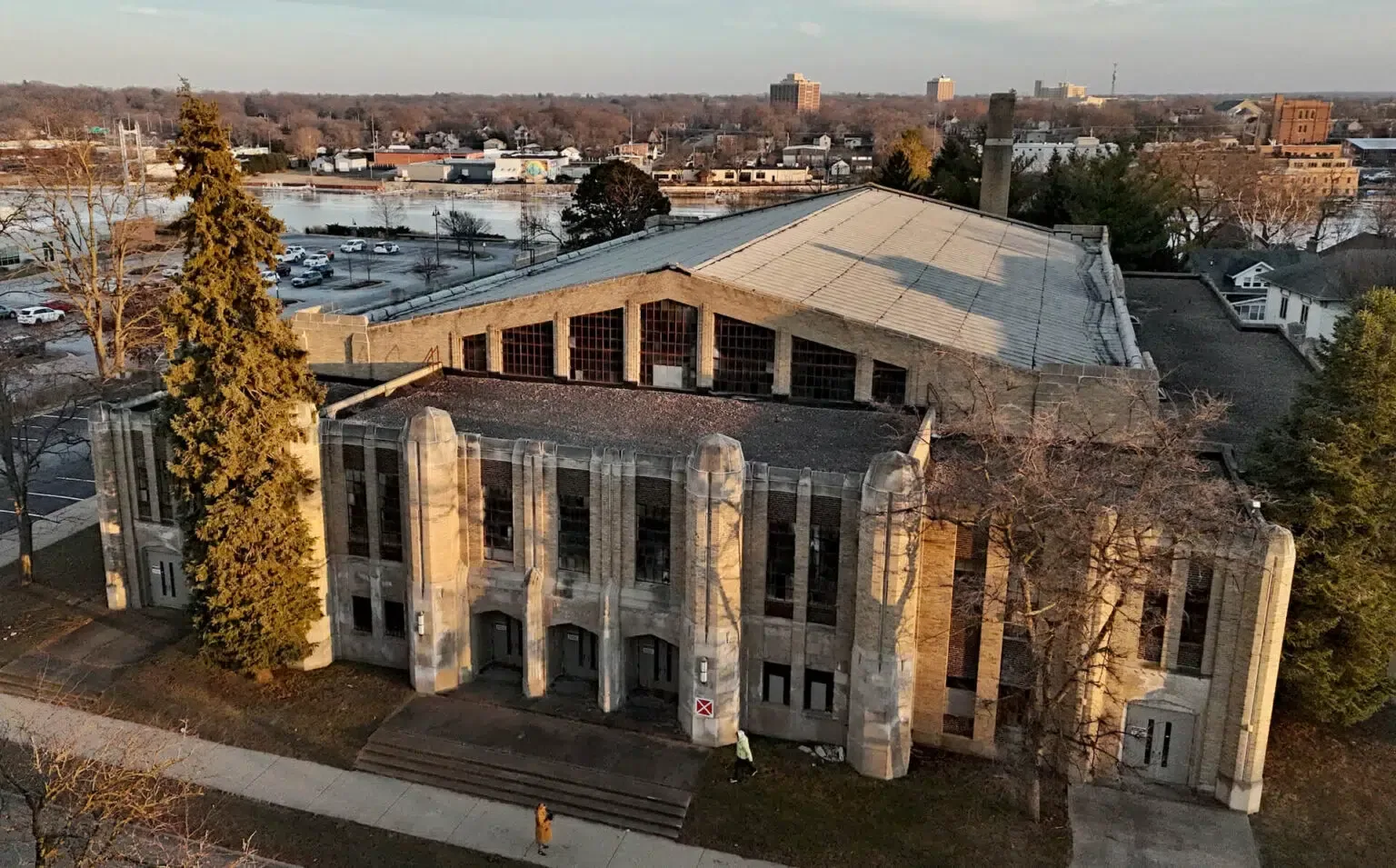
Fitness operators often lease their space inside a larger building, and responsibility for the roof and equipment is established by the actual lease. Woodbury clusters retail roofs at Tamarack Village, Woodbury Village and Woodbury Lakes, and a gym leasing an end space in a center like those sits under a roof it does not control. A dated file provides evidence for reviewing disputes: it shows when the damage was found, what caused it and which party's equipment sits above it. Our shopping center roofing work uses the same method.
Large athletic buildings are a different scale. When the Vikings moved their headquarters to Eagan in 2018, the Twin Cities Orthopedics Performance Center, at 277,000 square feet, came with them, a reminder of how large a sports building can be. For owners of several clubs, a multi-site roof program puts every location on one schedule, and a storm like the July 28, 2025 hail event is then handled with before-and-after records for each club in Woodbury or elsewhere.
Questions We Hear
Why does the ceiling drip in January when the roof tests dry?
Warm humid air from showers and the pool floor reaches the cold deck and condenses, then drips from the underside. We read moisture above and below the deck and photograph the pattern. A broad damp zone that follows the coldest areas points to the air, while a streak from one defect points to the membrane.
Does pool humidity shorten the life of the roof above it?
Humid air that gets into the assembly can wet the insulation, corrode metal and loosen fasteners. A sealed vapor barrier and correct air pressure protect the roof. We check the deck and fasteners above pool areas for rust and record them each visit, so the pace of change is measured.
Who pays for the roof when a gym leases space in a retail center?
Lease language governs, and in many multi-tenant leases the landlord maintains the roof while the tenant maintains its own equipment on it. Our dated file shows which party's curb, unit or penetration is above a problem, which shortens the discussion about responsibility.
How do you keep early-morning members from hearing roof work?
Loud tasks are scheduled for the hours when the rooms below are least used, and the crew starts on the side of the building away from quiet studios. Fastening, welding and other noisy steps are grouped together, and detail work is saved for the busiest hours, when its sound is lower.
What happens when a skylight leaks above a court?
We assess safe temporary measures and coordinate floor protection and photograph the leak path. The curb, frame and glazing seal are checked, along with the insulation around the unit. A moisture reading shows how far the water spread, which sets the scope of the permanent repair.