
Auto Dealership Roofing in St. Paul, MN
Auto dealership roofing in St. Paul, MN: separate ratings for showroom, service and parts roofs, hail records and work staged away from the lot, all dated.
Request a Roof Assessment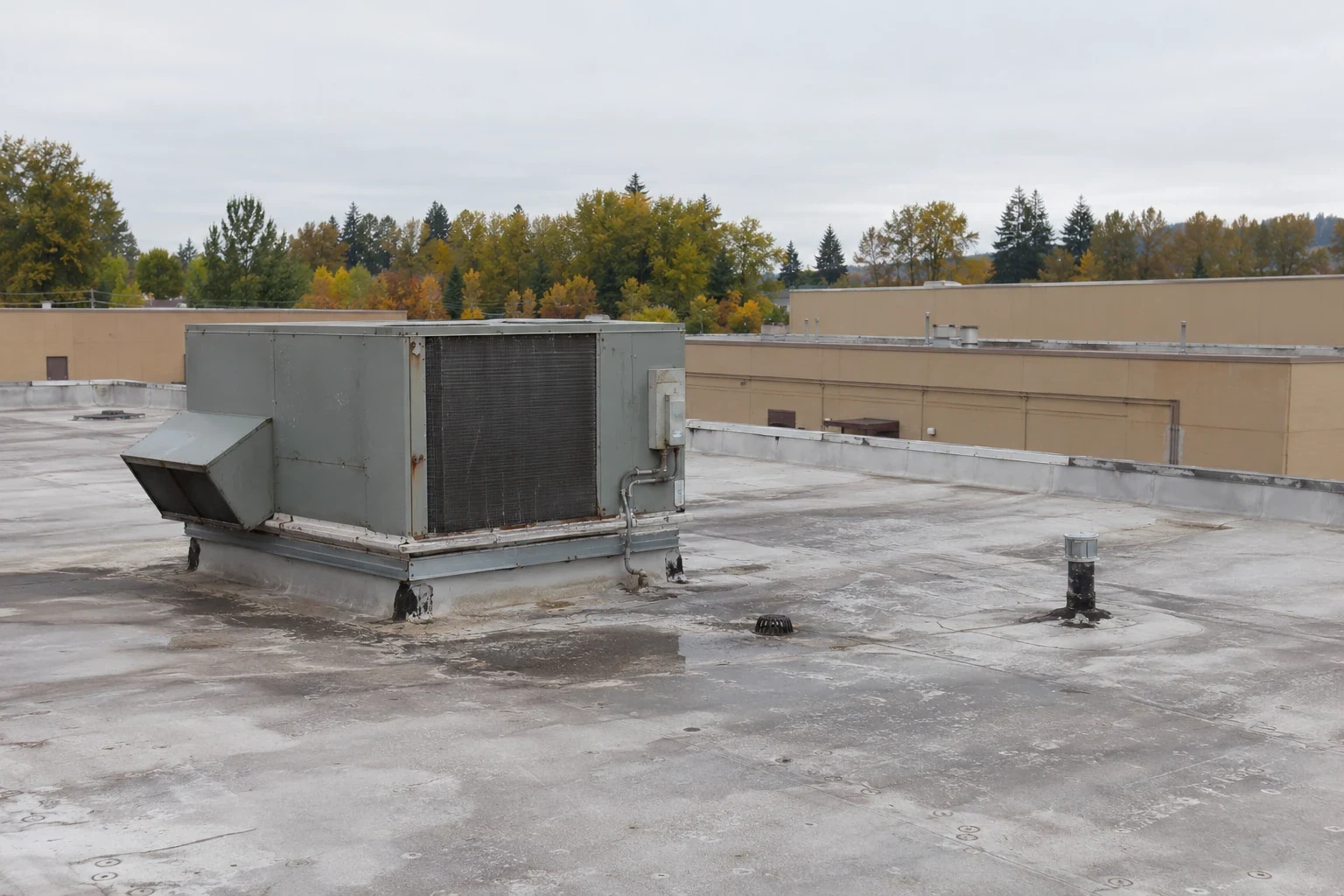
Auto Dealership Roofing
A dealership roof is read in zones, and the first entry in our log for a building in St. Paul, MN is usually the section over the service bays, where exhaust fans, wash-bay humidity and open overhead doors work on the membrane every working day. The showroom and parts areas need separate inspection of their actual exposure and equipment. Three roofs under one name can be in three different conditions. We photograph each zone on its own route, take moisture readings where the membrane looks tired, and date every entry, so that the owner knows which part of the building is wearing and which is not.
Rating the Showroom, Service Bays and Parts Area Separately
The showroom roof is often the quietest part of the building, a low-traffic surface with a glass wall below it and a flashing detail where the two meet. Water that gets past that flashing runs down the inside of the curtain wall in front of customers. The service roof is the opposite: it carries exhaust stacks, make-up air units and fans, and heat with oily vapor can age a membrane unevenly. PVC roofing requires product-specific compatibility review for the actual grease, fumes and temperature.
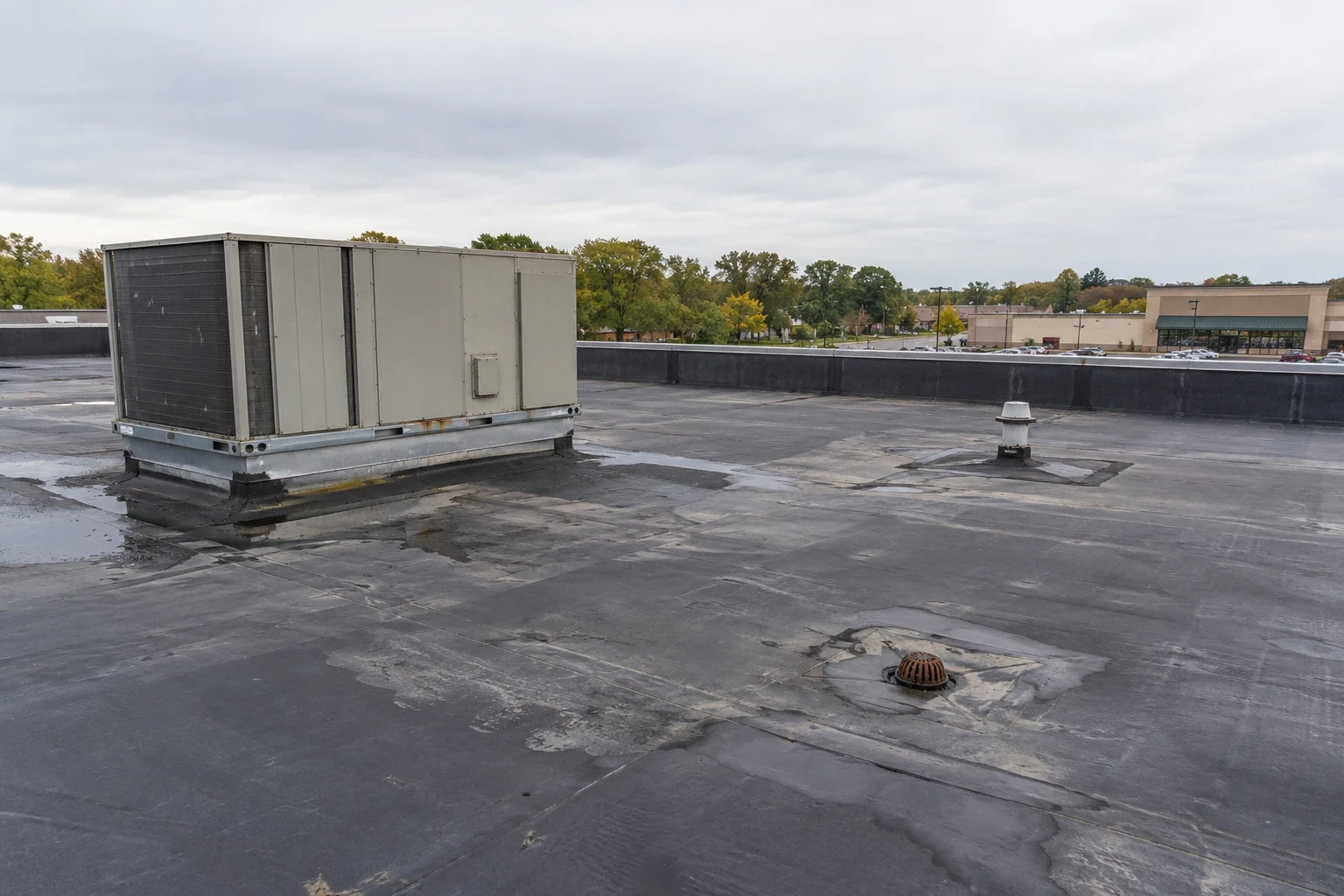
Equipment is the other variable. Rooftop units sit on curbs and stands that each need flashing, and the units are replaced on their own schedule, with the relevant equipment trade. We record every curb, pipe and stand, along with the state of its flashing, so that repairs to rooftop equipment curbs and supports are tied to a location. When a mechanical contractor swaps a unit, the log shows what the roof looked like before the work began.
Mapping Hail Hits on the Roof Before the Lot Is Cleared
A dealership holds hail in two places at once, on the inventory and on the roof above it. The July 28, 2025 storm put 70 mph gusts and stones the size of golf balls over the metro, and the Upper Midwest outbreak of May 15, 2025 left reports of hail up to 4 inches. Vehicle claims move fast because the cars are obvious. The roof is less obvious, and its damage can be concealed under a membrane that looks sound from the ground. We map the hits by slope, photograph them with a scale and the date visible, and cut a core at the worst ones to look at the reinforcing layer and the insulation.
Keeping the building claim apart from the inventory claim keeps both clean. The roof file holds the inspection from before the storm, the as-found hail damage photographs and the core results. An adjuster reading it can separate new bruises from older wear, and the owner does not need to rely on memory to say which marks came from which storm.
Surveying Buildings on the Retail Strips and Interstate Frontage
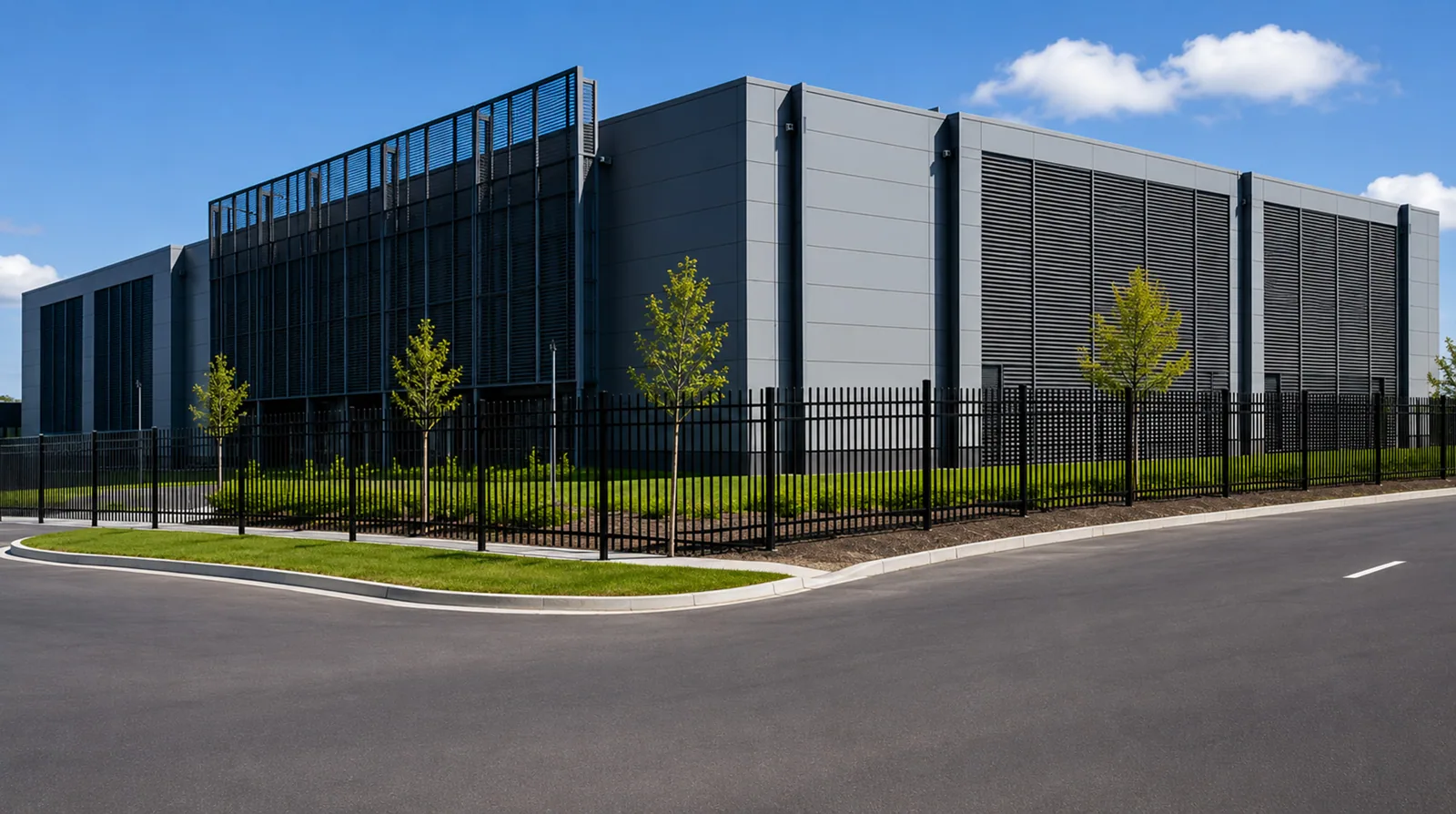
Dealerships tend to sit on the frontage roads and commercial strips where traffic is heavy and sight lines are long. Robert Street in West St. Paul runs as a retail strip about two and a half miles long, Burnsville centers its commercial activity on County Road 42, and Woodbury concentrates retail roofs at Tamarack Village by I-94 and at Woodbury Village by I-494. A building on a strip like these is seen by thousands of drivers a day, which means delivery and customer routes need protection during inspection and construction.
That visibility argues for repairing quietly and early. We schedule inspections of a dealership roof after the first thaw, after summer storms and before the next heating season, and we log each visit with photographs. For a building in West St. Paul, Burnsville or Woodbury, the dated record uses the same rating scale whatever number of bays or showrooms the property holds.
Protecting Inventory and Customers During Roof Work
Work above a lot full of vehicles asks for a different plan than work above a warehouse. Hot asphalt, adhesive overspray, falling fasteners and dust can all mark paint, so we agree with the dealer which rows of inventory move before the crew arrives, where the hoist stands and how debris travels to the dumpster. Material staging stays clear of customer parking and the delivery apron, and the crew uses a protected route to the roof that does not cross the showroom entrance.
Noise and vapor are scheduled the same way. Early mornings before the sales floor opens suit tear-off and deck work, while quiet detailing and seam work can continue when customers are present. For a larger property, occupied building reroofing is sequenced zone by zone, with operating restrictions established for the showroom and service department according to the work exposure. Each day closes with the roof dried in and photographed.
Keeping One File for Every Store a Group Owns
A dealer group that holds more than one building finds that a roof problem at one store becomes a question about all of them. A common file solves that. Each roof gets a number, a dated rating, a photograph set and a repair log, and the owner or property company can compare stores on the same terms. Through a multi-site roof program, repairs are ranked by condition, not by which general manager complained loudest, and reserve funds can be set aside where the record shows the next need.
The file also supports a sale, a refinance or a change of tenant. A buyer's inspector looking at a showroom roof wants to see the last inspection, the open items and the warranty documents in one folder. Roof warranty management keeps those documents current, and the repair log shows that unit replacements and flashing work were done to the manufacturer's conditions instead of leaving a gap in coverage.
Questions We Hear
How is a hail claim on the building kept separate from the inventory claim?
The roof file is built on its own: pre-storm inspection, as-found photographs with a scale and the date, and core results from the worst impact areas. Vehicle claims run through their own channel. An adjuster handling the building can read the roof record without sorting through lot damage.
What protects the cars while a crew is on the roof?
A written staging plan decides which rows move, where the hoist stands and how debris leaves the site. Hot work and adhesives are kept to the side of the building away from inventory when the wind allows, and the crew checks the lot at the end of each shift.
Do the service bays need a different membrane from the showroom?
Often they do. A roof over service bays sees exhaust, oily vapor and equipment traffic, so material selection requires the actual contaminants and product compatibility reviewed. The showroom roof has gentler exposure but a more visible failure, which puts the weight on flashing quality instead of on chemical resistance.
Can a leak over the showroom floor be stopped the same day?
Our emergency crews respond all day and night, holidays included. They evaluate safe access and temporary protection at the reported opening and photograph it as found. A permanent repair follows when the weather and the materials allow, and a moisture reading shows how far the water traveled before it stopped.
What happens to the warranty when a mechanical contractor replaces a rooftop unit?
A new curb or stand can affect coverage depending on the issued terms and applicable repair procedure. We record the roof before the swap, flash the new curb or inspect the mechanical contractor's work, and file the photographs with the warranty papers, so the record shows what was done.