Versico Roofing Systems in St. Paul, MN
Versico single-ply roofing in St. Paul, MN: fastener pull tests, infrared scans and attachment records for VersiWeld TPO and other Versico membranes.
Request a Roof Assessment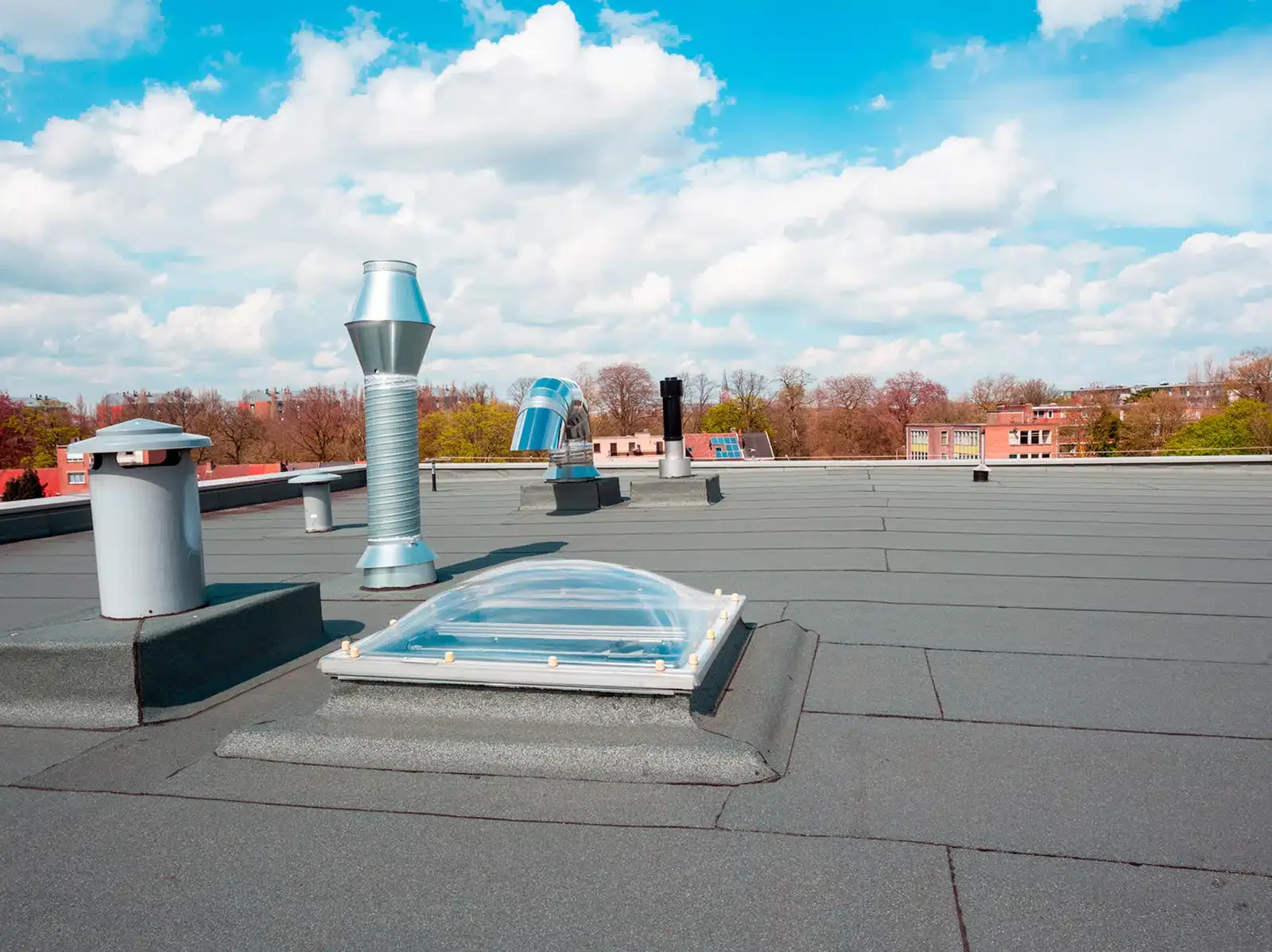
Versico Roofing Systems
Mechanical attachment evaluation for a Versico roof in St. Paul records fastener pull-out results from the deck alongside the proposed assembly requirements. A screw driven into old steel, a wood plank deck or a lightweight concrete fill can each hold differently, and a mechanically attached membrane is only as secure as the deck beneath its plates. We pull sample fasteners at marked locations, log the result with the deck type and photograph each test point.
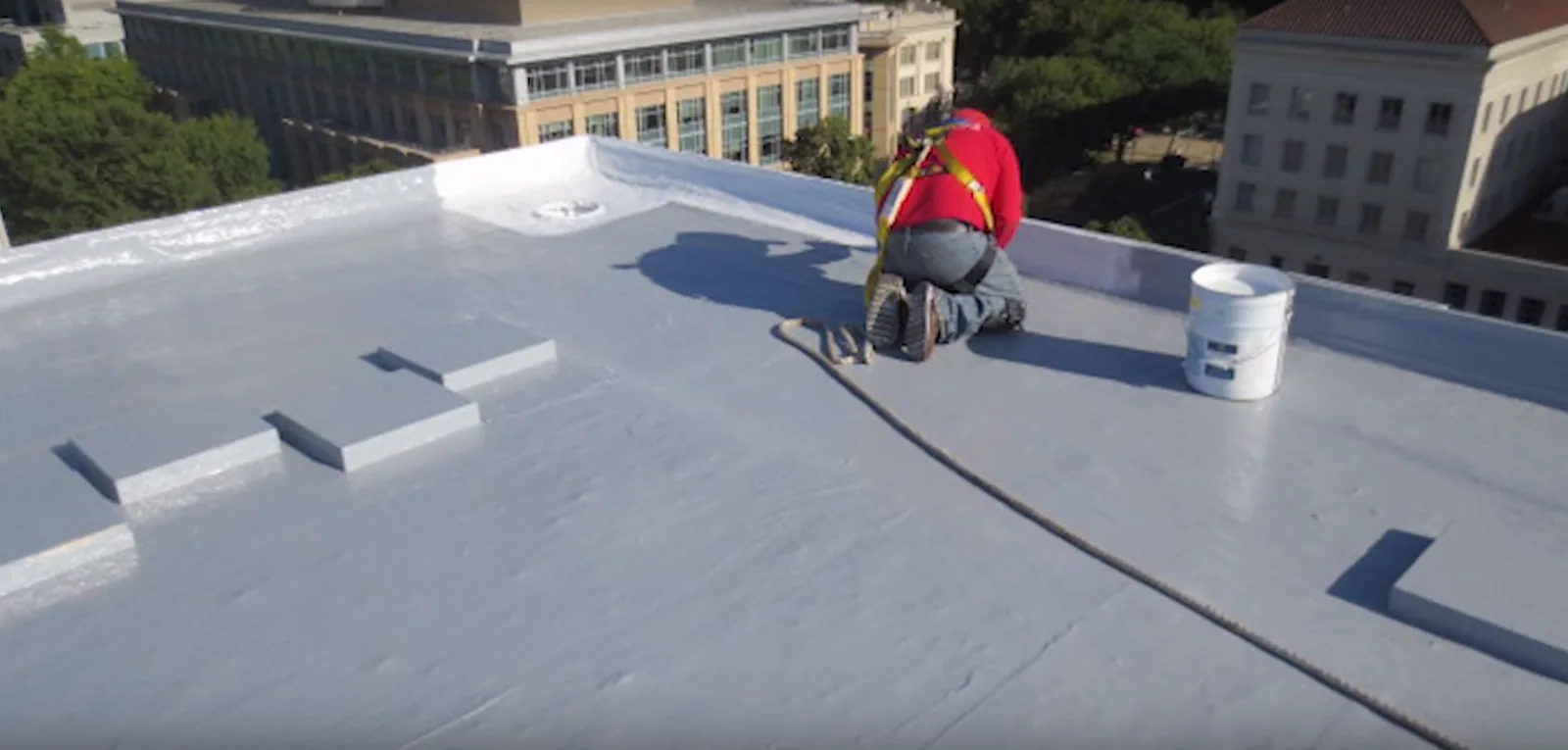
Versico sells VersiWeld TPO, a heat-welded white sheet, along with EPDM and other single-ply membranes. We repair and install these on St. Paul buildings, and the pull-test log, the attachment pattern and the finished-seam probe results stay in the owner's file for the life of the roof.
Pulling Test Fasteners Before a Roll Is Laid
Wind lifts a single-ply sheet, and Twin Cities storms have produced gusts to 70 mph. How well the sheet resists depends on how it is held. We sample the deck in the field, along the perimeter and at the corners, where uplift is highest, and record the pull-out values by location. Low or inconsistent results require review by the designer and manufacturer. A different screw or denser pattern cannot be assumed to correct a weak deck without a suitable approved design.
A sheet that looks solid can still be fastened to a deck that is corroded or soft. The test log catches that before the membrane covers it. We keep the results beside photographs of the deck, the same way a GAF EverGuard roof is recorded, so a later wind event does not turn into a debate about what was underneath.
Setting Mechanical Attachment Against a Fully Adhered VersiWeld Sheet
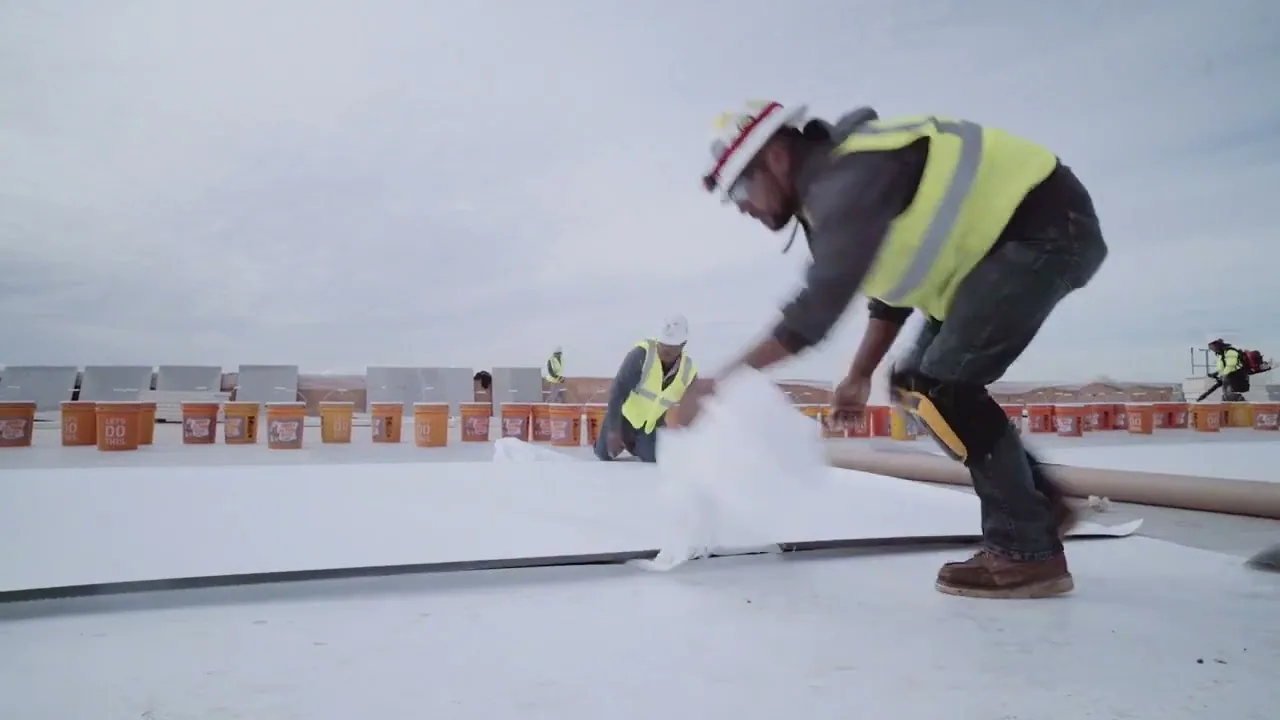
A mechanically attached sheet is secured in rows beneath the laps; a fully adhered sheet bonds to a prepared substrate. Each method has different deck, perimeter, uplift and installation requirements. Compare the proposed assembly with the roof height, edge exposure, substrate condition and design pressures rather than selecting by speed or appearance. Neither attachment method compensates for an unsuitable deck or an unverified design.
For the light-industrial and office buildings in the Port Authority's Midway and Westgate business centers, we compare the two choices on weight, speed and wind exposure. Where the roof also carries heavy drifting at walls, the structure's capacity has to be confirmed first, because Ramsey County's 50 psf ground snow design input is distinct from roof snow loading and reserve capacity. Buildings near the I-35E and I-694 interchange in Little Canada get the same side-by-side comparison, with deck tests informing the decision alongside design pressures, assembly requirements and substrate condition.
Our proposal identifies the existing deck and its condition, representative test locations, and how measured pull results compare with the design professional’s requirements. It separates perimeter and corner conditions from the field where the assembly calls for different attachment. For adhered work, we confirm that preparation, adhesive and weather conditions suit the substrate, then name the system, attachment pattern, substrate assumptions and unresolved structural questions for the owner’s review.
The owner receives test locations and limitations with the recommendation. Sample results inform an assembly decision; they do not verify every fastener or predict storm performance. Building-specific pressures, edge geometry and approved system requirements remain part of that decision. We keep design review distinct from installation observation and record field changes in the final roof file.
Reading Dusk Infrared Scans for Wet Insulation Under a Sound Sheet
A white membrane hides what a thermal camera can show. On a clear day, wet insulation holds heat longer into the evening than dry board does, and the scan taken at dusk shows it as a warm patch. We walk the roof afterward, mark each patch with paint and confirm the worst ones with a meter and a core.
The scan, the readings and the cores go into the same report, so a patch can be traced from a faint thermal image to a measured number to a cut face. An infrared moisture survey is especially useful before a recover, because it helps identify investigation locations; recover eligibility also depends on layers, capacity, attachment and applicable requirements.
Mapping Curbs, Pipes and Drains Against the Sheet Layout
Every penetration is a place where a single-ply roof can fail, so we draw the roof as a map: each pipe, curb, drain and skylight numbered, with its flashing detail photographed before and after the work. On Snelling Avenue, where the Metro A Line runs, rooftop equipment and access routes must be documented for the actual building.
The map also records the sheet layout, with seam direction and lap locations drawn, so a probe finding can be matched to a specific weld. When a leak appears later, commercial roof leak repair begins with a drawing that already shows where the flashings are and what was done at each one.
Backing a Wind Claim With Pull Tests and Installation Photos
If wind lifts a sheet, an adjuster will ask whether it failed because of the storm or because of how it was installed. A record that includes pull values, the fastener schedule and dated installation photographs supports investigation of those questions without determining causation or coverage by itself. We also photograph the lifted area, mark where the sheet billowed and note the direction of the wind from the storm report.
Manufacturer warranty reviewers want evidence the installation followed the specification, and the same file supplies it. A Duro-Last roof gets the same kind of file, so an owner with roofs from several makers can compare how each building was documented. Our wind damage roof repair scopes always begin from this log.
Questions We Hear
Why do you test fasteners on the deck before quoting a new Versico sheet?
A mechanically attached sheet relies on the deck to hold its fasteners, and old decks vary widely. Pull-out results are one input to the attachment design. Required wind pressures, approved assemblies and substrate condition also govern the pattern; poor results do not automatically make adhesion suitable. Without the test, the quote rests on an assumption that wind could disprove.
Which attachment makes more sense for a flex building near University Avenue?
Weight and deck condition come first. A mechanically attached system suits a deck that grips fasteners well and a roof with little reserve for added load. Adhering suits a deck with a clean, dry substrate and a building that wants fewer fasteners through the insulation. We lay out both with pull results in hand.
How many layers of old roofing can stay on before a recover stops being allowed?
Recover limits must be checked against the requirements applicable to that project, including retained layers, moisture, structure and the proposed assembly. We count layers at a core, check moisture and weight, and tell the owner in writing whether a recover is a legal and sound option for that building.
What does an infrared scan at dusk reveal on a TPO roof?
It reveals thermal patterns, with wet insulation staying warm after dry areas cool. The scan is a guide to where to measure, not a verdict. We mark the patches, check them with a moisture meter and confirm the worst with a core, so the report shows evidence for every area we recommend cutting out.
What do you photograph after wind lifts a mechanically attached sheet?
We shoot wide views of the billowed area, close views of the fasteners and plates beneath it, and the edges where the lift began. A torn field, a sheared plate and a pulled fastener each get a separate picture. The storm date and wind direction go in the log so the adjuster sees one clear sequence.