
Commercial Roofing in St. Paul Park, MN
Industrial and commercial roof inspection, repair and replacement in St. Paul Park, MN, with exposure records, hot work planning and dated photo files.
Request a Roof Assessment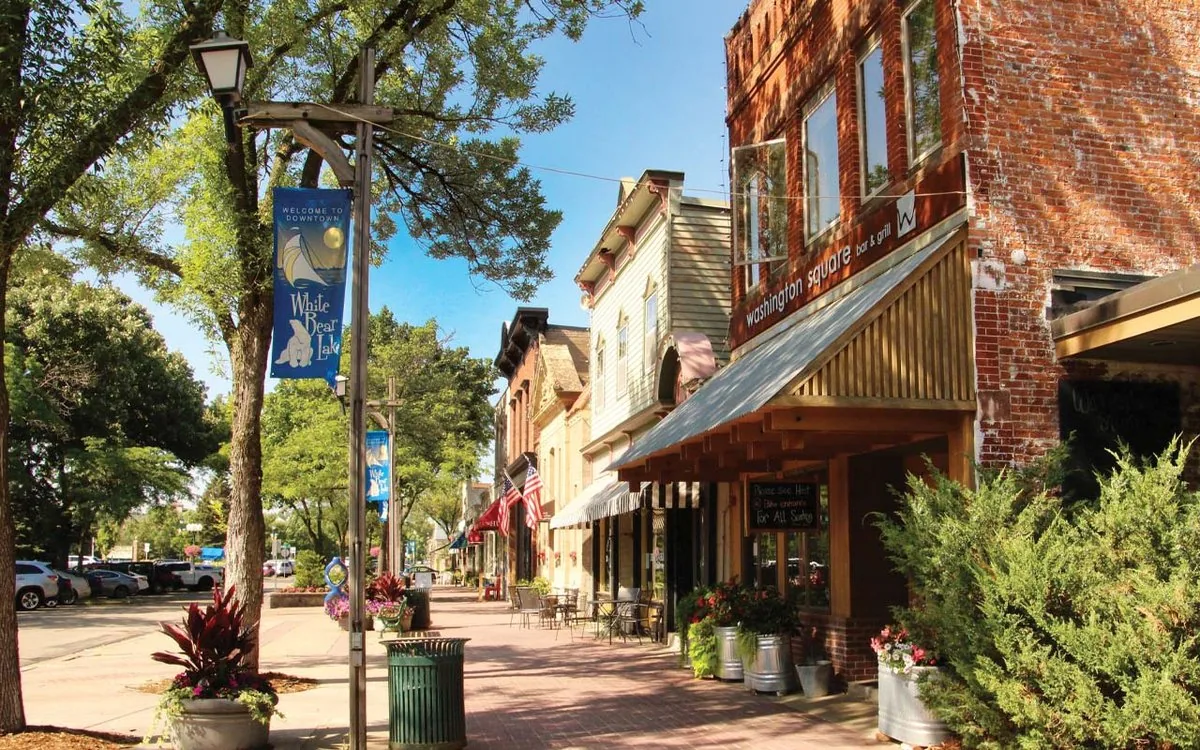
St. Paul Park
On an industrial site, a membrane has more to withstand than weather, and the record we keep has to say how it is holding up to all of it. St. Paul Park, MN is a good illustration: the St. Paul Park Refinery occupies a Mississippi River location about five miles downstream from St. Paul. US 61 and US 10 run together through the city as a major commercial corridor, and rail supports industrial operations.
An owner of an industrial or commercial building here is looking at roof questions that differ from an office tower's. Is the membrane resistant to what the building exhausts? Is hot work allowed on this property? What does a delay in shutdown windows cost? We answer them in writing, for low-slope and metal roofs alike, with dated photographs, exposure notes and moisture readings the owner can use.
Recording Residue, Staining and Membrane Softening
Where discharge reaches a roof, the inspection records the actual exposure and observed material changes. We look for staining that streaks away from a stack or a vent, membrane that has gone soft, swollen or tacky near a discharge point, and sealant that has dissolved at a flashing. Each sign is photographed with the date visible, located on the roof sketch and written into the condition notes in plain terms, such as swelling, discoloration or loss of surface granules.
Where the signs are present, we sample the membrane and the deposit and seek product-specific compatibility information from the manufacturer, using the operator’s description of the exposure. This matters because a standard single-ply membrane that holds up for years under rain and snow may degrade quickly under oils or solvents. The record of where the damage begins and how far it spreads tells us whether the answer is a local patch, a protective coating or a different membrane altogether.
Reading Hot Work Permits and Site Access Into the Scope
Industrial properties often restrict open flame, and roofing methods differ in how much heat they need. A torch-applied system such as modified bitumen requires hot work controls, while welded single-ply seams use hot air rather than flame, and adhesive and mechanically attached systems also require review under the site’s specific controls. Before a bid is final, we ask the owner which permits apply, who issues them, whether a fire watch is required and what orientation each worker must complete.
Those requirements shape the schedule and the price. Permit issue and closeout steps may affect the hours available for installation, and a site that restricts equipment affects how we hoist materials. We write each condition into the scope, so that a change in access becomes a recorded variation, not an argument. Owners of manufacturing plant roofs and flex industrial buildings get the same written plan.
After a repair involving process exposure, the closeout names the membrane and accessory materials used and ties them to the affected roof zone. We record the observed surface condition after preparation, any compatibility information considered and the limitations that still need a future check. The operations contact can keep that record with the site permit and inspection log, then provide it to the next maintenance team before equipment work or cleaning resumes near the repaired area. This preserves a useful comparison if staining or material change appears later, without treating an earlier exposure description as proof of the cause.
Fitting Deliveries and Crews Into Corridor and Rail Schedules
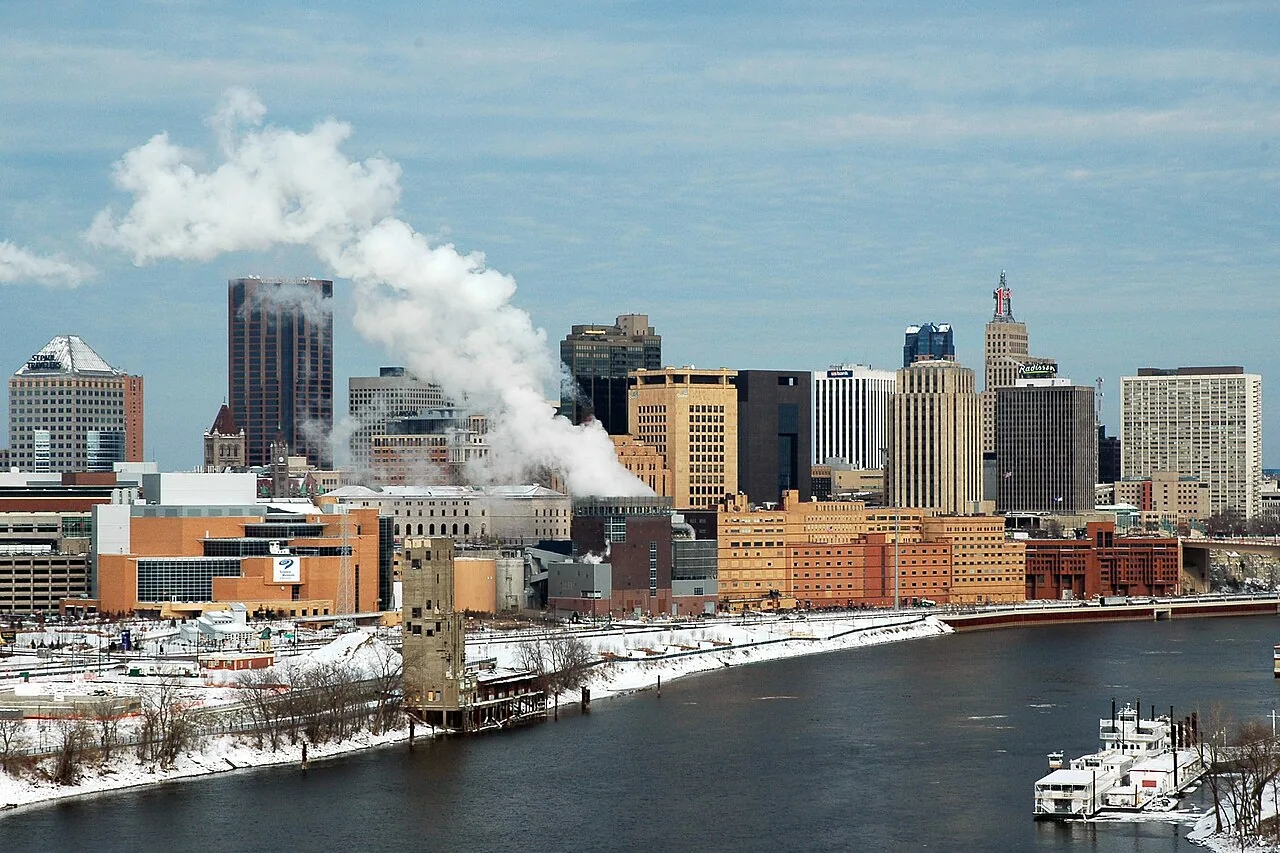
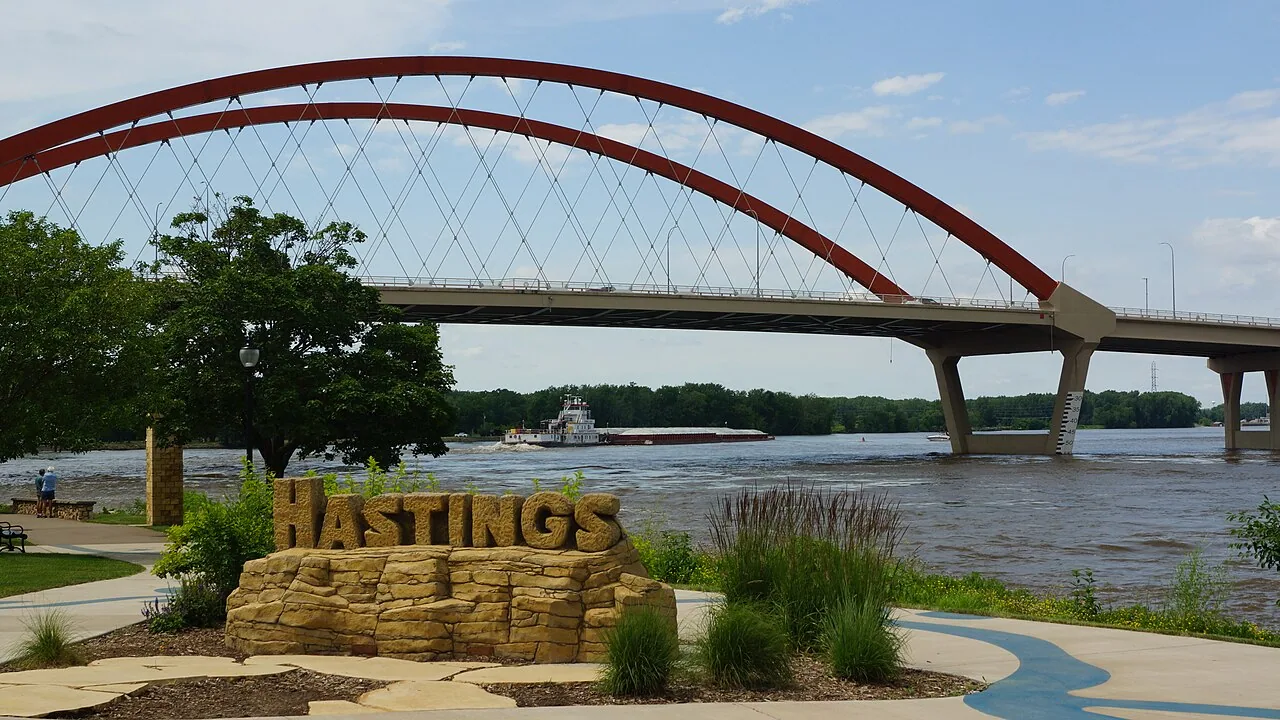
Roofing materials arrive by truck, and the road that serves St. Paul Park is the US 61 and US 10 corridor. That same route links the east side of St. Paul to Newport, Cottage Grove and Hastings, so the schedule for a delivery has to account for other traffic. Where a property also depends on rail, we ask when cars are placed and pulled, because a hoist or a staging area near a track has to move when the railroad does.
We record the access plan with the job: the delivery windows, the position of the hoist and dumpster, the walking routes for the crew and the areas where roof equipment must stay clear. If the building is running a shift, the plan names the hours of loudest work, so a supervisor is not surprised. Nearby, owners in Newport and Cottage Grove use the same corridor and receive the same written access plan.
Weighing Chemical-Resistant Membranes, Coatings and Replacement
When exposure is the cause of failure, the options narrow quickly. Product resistance varies with the substance, concentration and temperature. Options including KEE roofing and certain PVC roofing formulations require product-specific compatibility review for the documented exposure. A coating can protect a sound membrane in a limited-exposure area, but only if the surface can be cleaned and the coating chemistry suits what lands on it. The test is the material in front of us, not an assumption.
Cost follows the same chain: how much insulation is wet, how large the affected zone is, what the permit and access rules add and whether the work must be phased around operations. A fire or flash event is a different case, and fire damage roof repair starts with the same documentation before any tear-off begins.
Separating Exposure Damage From Storm Damage in the File
The applicable warranty terms and policy review depend on the product, contract and suspected cause. If the file mixes everything together, a legitimate storm claim can be weakened by wear that was already there. We separate the two. Suspected impact or wind damage is logged separately from staining and softening. Earlier records, event timing and targeted examination help distinguish new changes from pre-existing exposure, with uncertain causes retained as questions for further investigation.
Each entry carries its own date, photograph and location. When the owner works through roof warranty management or submits a claim, the file shows exactly what was found and when, which leaves less room for a dispute about cause.
Questions We Hear
Can a standard membrane stay in place where a roof receives exhaust or oil residue?
Only if testing shows it tolerates what lands on it. We photograph the staining, sample the deposit and ask the membrane manufacturer about compatibility. Where the membrane is softening, the answer may be a local patch, a protective coating or a different system.
What does hot work mean on a commercial roof?
Any method that uses open flame or high heat, such as torch-applied modified bitumen, counts. Owners at industrial sites often require permits, a fire watch and a cooling period afterward. Hot-air welded single-ply and mechanically attached systems avoid open flame, which can simplify approvals.
How can an owner show that damage came from a storm and not from long-term exposure?
A dated before-and-after comparison helps identify new changes, but appearance alone may not establish cause. We locate each defect, record the reported event and compare exposure history with the findings. The report states any uncertainty and testing needed so the adjuster can evaluate the evidence.
Which membranes hold up to grease and chemical exposure?
No membrane family establishes resistance to every process discharge. Specific KEE or PVC products may be considered after the substance, temperature and concentration are identified and the manufacturer’s compatibility data reviewed. Adhesives, sealants and flashing materials need the same exposure review.
How does a plant that cannot shut down get a new roof?
Phasing makes it possible. Sections are opened in turn, protected overnight and closed before the next begins. Air intakes, exhaust and process areas below each section are mapped in advance, and the plan notes which hours the operator wants quiet.