
Commercial Roofing at Beacon Bluff, St. Paul, MN
Documented commercial roof inspections, repair and replacement for industrial-zoned buildings at Beacon Bluff on Phalen Boulevard in St. Paul, MN.
Request a Roof Assessment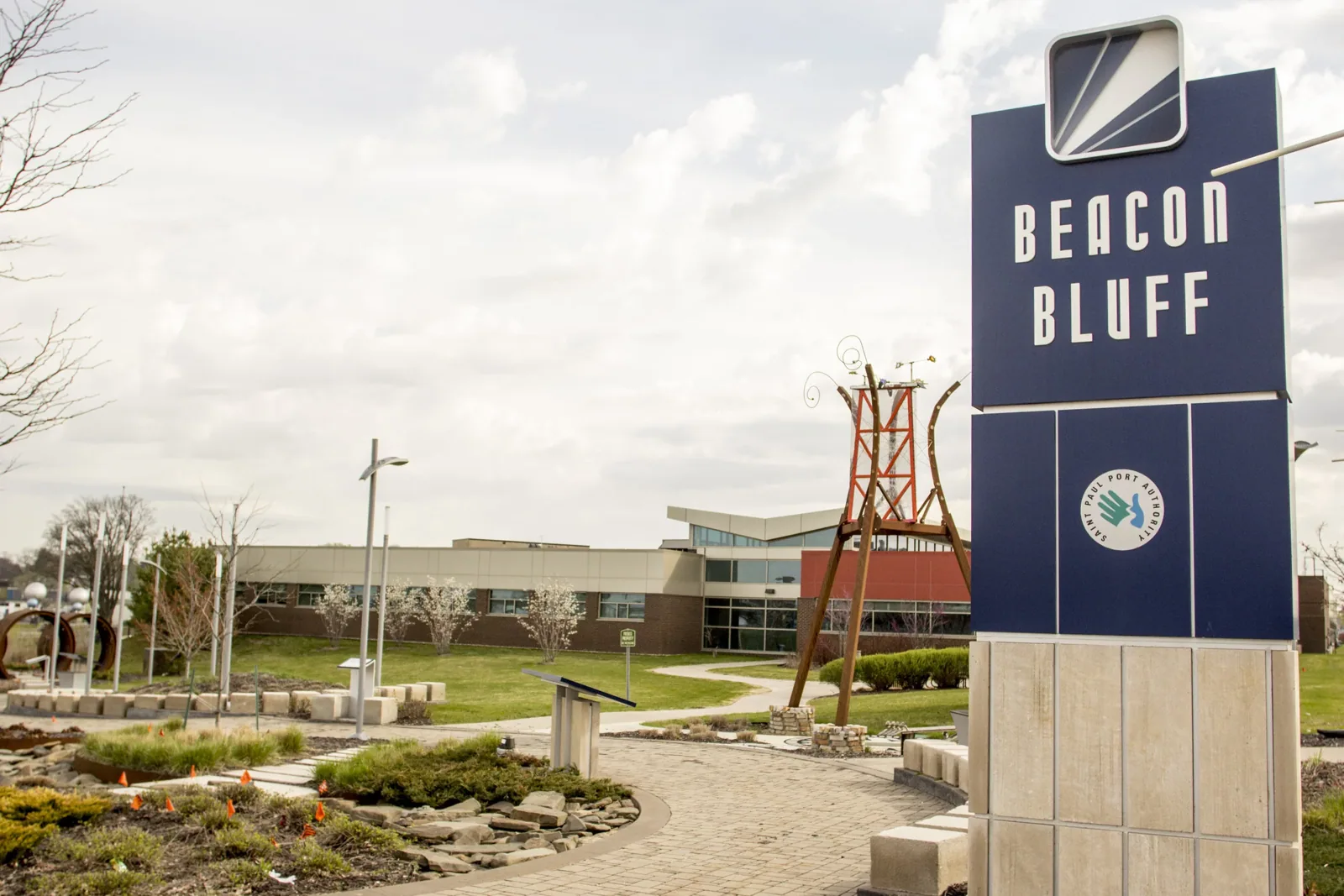
Beacon Bluff
The first line of any inspection log for a building at Beacon Bluff is the date, the weather that morning and the exact roof the readings came from. Everything after that line, a moisture reading at a penetration, a stain along a wall flashing, a drain with a ring of old debris, only has value when someone can trace it to a place and a day. Beacon Bluff is the Port Authority's industrial-zoned business center south of Phalen Boulevard, just east of US 61, and an industrial property in St. Paul, MN needs a condition record that separates roof findings from the operations below.
We work on low-slope and metal commercial roofs, and the initial walk identifies the installed system and accessible details. The proposed scope then follows the documented condition. When water is already coming in, emergency intake is available at any hour, with site response subject to crew availability, safe access and weather, and the same dated photographs begin the file.
Recording the Roof Before Anyone Proposes Anything
A first walk at an industrial-zoned building starts at the edges, to establish the perimeter attachment and termination conditions. We photograph the perimeter metal, the coping or fascia fastening, the terminations where membrane meets wall and every curb or pipe that interrupts the field. Each photograph is dated and tied to a spot on a roof sketch, so a later reader can stand at the same place and see whether the condition has moved.
Then we cover the field: membrane seams, earlier patches, blisters, fastener heads working up through the surface, and any place where the insulation underneath feels soft. If an infrared survey or authorized core sample could help investigate a concealed condition, we say so and record why. The result is an inspection log with a measured basis for each line.
Measuring Winter Loads Against the Design Figure
Snow accumulations are documented by roof section, especially at walls, elevation changes and rooftop equipment. Wind can redistribute the snow, while density and meltwater change its weight. An engineer considers the actual assembly and the applicable design inputs when assessing loading; a measured drift depth is only one observation in that review.
After a heavy snow we measure depth at those spots, photograph each drift with a tape in frame and look at what lies below it. A drift sitting on a seam or a patched area gets a second look when the melt begins, since meltwater finds the weakest line in the system. The report distinguishes drainage concerns from structural loading concerns. Signs of distress warrant prompt professional assessment rather than a conclusion drawn from how the membrane looks.
Reading Roofs on Parcels With an Industrial History
Beacon Bluff offers 11 parcels on nearly 40 acres of former 3M land, and it has a full-service interchange at I-35E and Phalen Boulevard. At a property under review, roof dates come from installation records and inspection findings. A tenant alteration may introduce curbs, capped openings or relocated vents; the history of the parcel does not establish which of those changes occurred on the current roof.
We treat each of those as an entry in the inspection log. A capped pipe opening is a line to check, and a cluster of patches is recorded and compared with repair history and reported leak locations. An owner who buys or leases on a parcel like this should know what the roof has been through before the first winter, which is why we document a roof for a purchase review as well as for a repair.
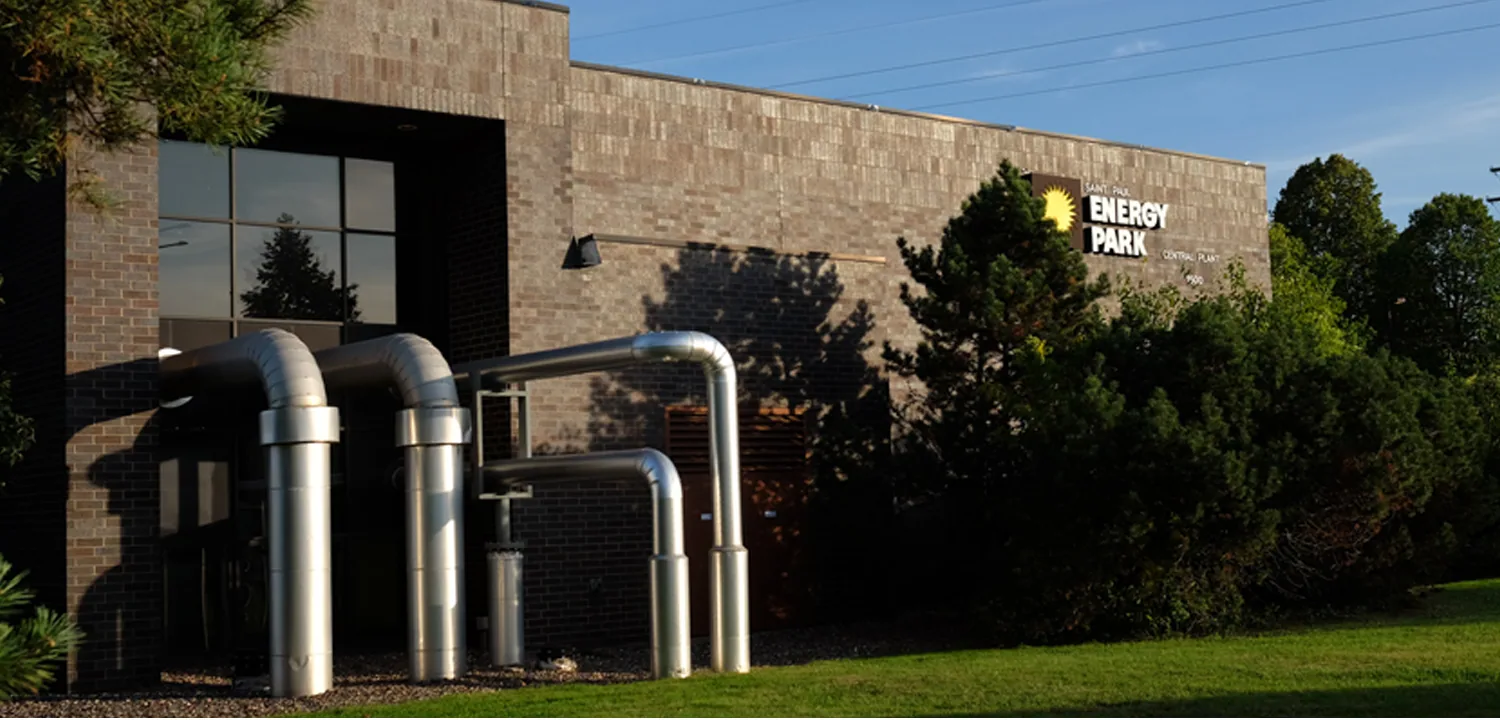
Westminster Junction, with 16 businesses on 20 acres east of I-35E on Phalen Boulevard, is close by, and the East Side and Payne-Phalen neighborhoods provide additional locations for a portfolio inspection program. An owner with buildings there and at Energy Park can keep one condition record format across both.
Choosing Between Repair, Restoration and Replacement
Findings lead to a decision, and the decision turns on a short list of things we can measure. How much of the insulation is wet. Whether the membrane still has flexibility at the seams. Whether the deck underneath is sound. How many penetrations and curbs have to be worked around. Project review also identifies the applicable energy and permit requirements for the proposed work, including the insulation details needed for that assembly.
Localized findings may support a targeted repair when the surrounding assembly, attachment and drainage are suitable. When compatibility, adhesion, moisture and drainage checks support the retained assembly, roof coating restoration can extend service life without a tear-off. Where saturation is extensive, unsuitable material must be removed. A recover over a sound base requires separate review of the remaining layers and attachment, while a full commercial roof replacement may be necessary. We lay out each path with the cost drivers and the timing, so the owner can decide with the evidence in hand.
Preparing the Permit Submittal Before the Crew Mobilizes
For a Beacon Bluff re-roof proposal, the permit package identifies the assembly, measured work areas and drainage details required by the reviewing authority. The submission scope and inspection requirements are confirmed for the actual project. We take drain sizes and areas from measurements made on the roof rather than from old drawings, because drawings for converted industrial buildings do not always agree with what was built.
The review period also affects timing. Winter limits what a welded seam or an adhesive can do, so a replacement scoped in the fall may be permitted in the cold and installed in spring. On a business center that is still operating, we plan access, material staging and noise around the tenants. An urgent opening is assessed separately for temporary protection, subject to safe conditions and any required authorization.
Documenting Storm Damage for the Adjuster
Regional severe-weather reports identify dates worth comparing with roof inspections. At Beacon Bluff, suspected impacts require evidence from the actual property. Visible marks do not by themselves establish concealed insulation damage; examination and targeted testing help distinguish cosmetic changes from damage affecting performance.
After access and weather allow an inspection, we photograph bruising, punctures and displaced flashing with dated close-ups and wide shots, take moisture readings across the affected areas and log the weather that preceded them. The claim file gives the adjuster dated locations, observed changes and the limits of the inspection. Earlier records help evaluate new damage alongside existing wear without guaranteeing a coverage decision. The same file supports a hail damage repair scope and, where needed, an insurance claim package.

Questions We Hear
What decides whether a roof at a business center like Beacon Bluff can be repaired rather than replaced?
The decision considers the extent of damage, membrane condition, moisture, attachment, drainage and the supporting deck. Localized findings can support a defined repair. Wider concerns may require removal and a larger scope; a recover needs a suitable retained assembly rather than simply covering wet material.
Do we need a new roof survey when we take over a vacant industrial building?
Turnover is a useful time to document the roof and interior observations. The inspection logs accessible details, previous repairs and testing coverage, with any unavailable records or concealed conditions identified. That baseline supports the next occupant’s maintenance plan without assuming vacancy reveals every defect.
How is a roof leak traced when the stain inside is far from the opening?
Water travels along the deck and the underside of the insulation before it drips, so the stain and the entry point are rarely together. We take moisture readings in a grid outward from the stain, check nearby seams and penetrations, and use infrared when the surface alone cannot settle it.
Which records should an owner keep after a repair?
Keep the dated photographs, the moisture readings, a sketch locating each repair and a short description of the materials used. An adjuster, a lender or a buyer asks for those, and a roof with a clear record of repair is far easier to defend than one with a receipt and nothing else.