Sika Sarnafil Roofing in St. Paul, MN
Sika Sarnafil PVC roofing in St. Paul, MN: weld probing, grease and drainage records for hospital, food service and industrial roofs, ready for claims.
Request a Roof Assessment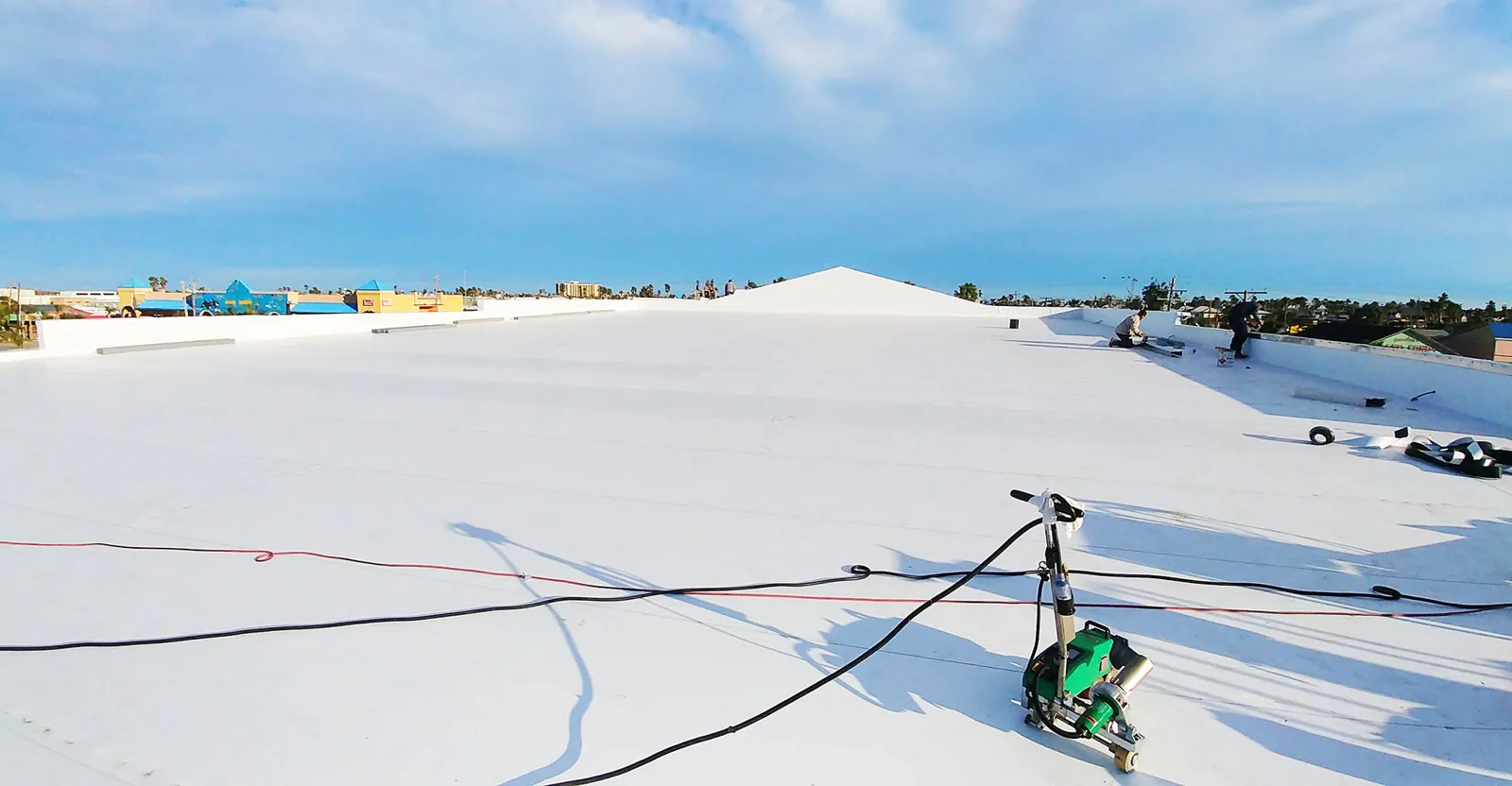
Sika Sarnafil Roofing
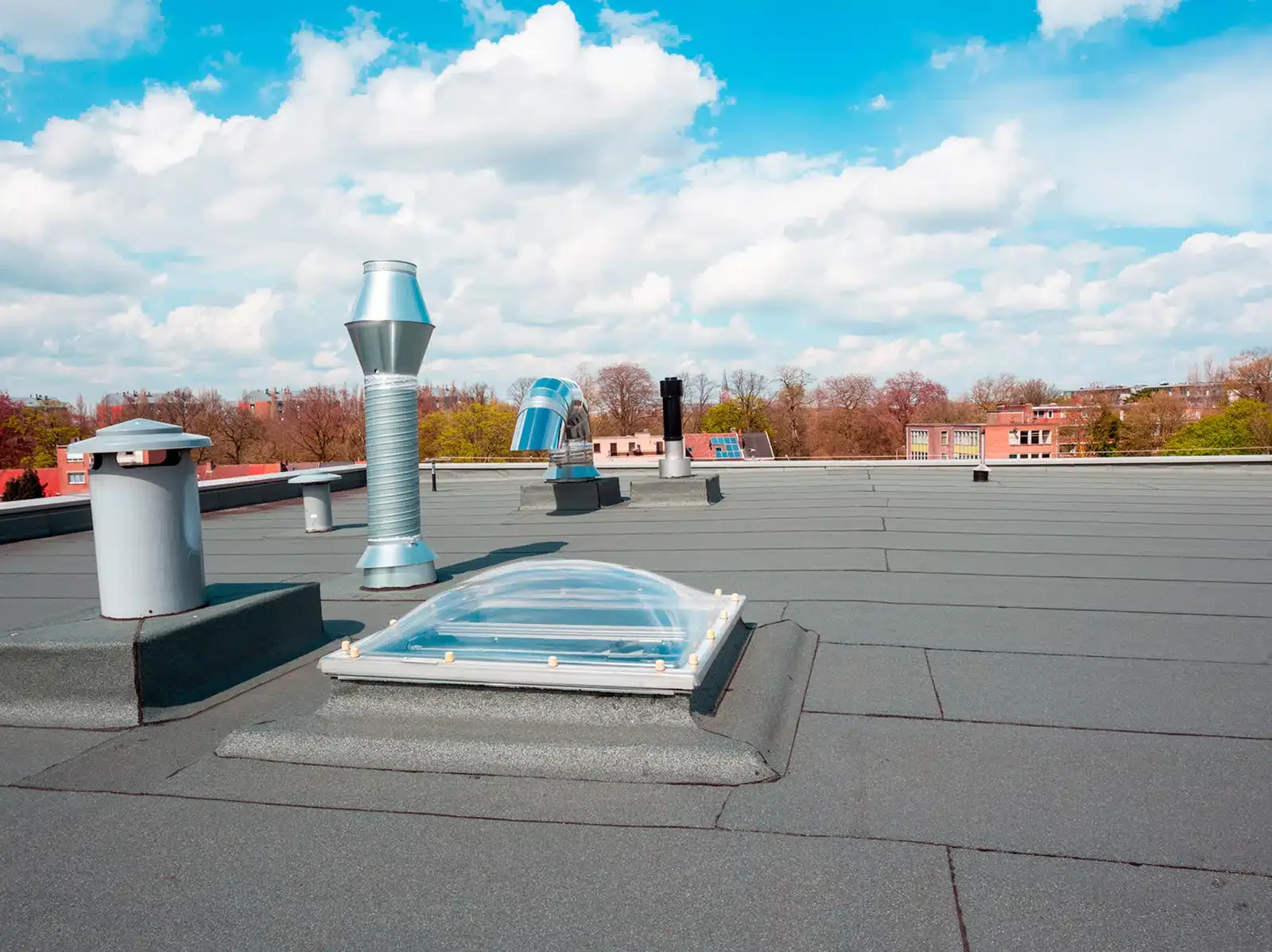
Beside an exhaust fan on a PVC roof, the first record we make is of the surface under the grease: whether the membrane is still supple, whether it has stiffened or drawn back from the curb, and whether the welds around the fan have held. Sika Sarnafil makes thermoplastic PVC membranes joined by hot-air welds, and selection near kitchens, labs and processing areas requires review of the actual chemical exposure and Sika's guidance for the proposed product.
We repair and install Sarnafil systems on St. Paul buildings, with edge and flashing components checked against the specified system. Each visit leaves an entry in the inspection log with photographs, weld results and moisture readings, so the owner can see how the roof has aged.
Reading Stiffness, Shrinkage and Grease Staining Near Rooftop Exhaust
A PVC sheet ages differently from a rubber or polyolefin one. Over time it can lose flexibility, and heat-source locations are among the details to examine: kitchen exhausts, boiler flues and the area around condensing units. We press the surface lightly, look for fine cracking in the folds at curbs, and photograph any place where the membrane has drawn away from a vertical flashing.
Grease is logged as a finding, not as housekeeping. We note where it has collected, which direction the wind carries it, and whether the sheet beneath has softened, swollen or discolored. A restaurant roof with a grease trough that has overflowed onto the membrane produces a different record than one with a clean tray, and the recommendation that follows reflects the difference.
Logging Test Welds and Cold-Weather Conditions Day by Day
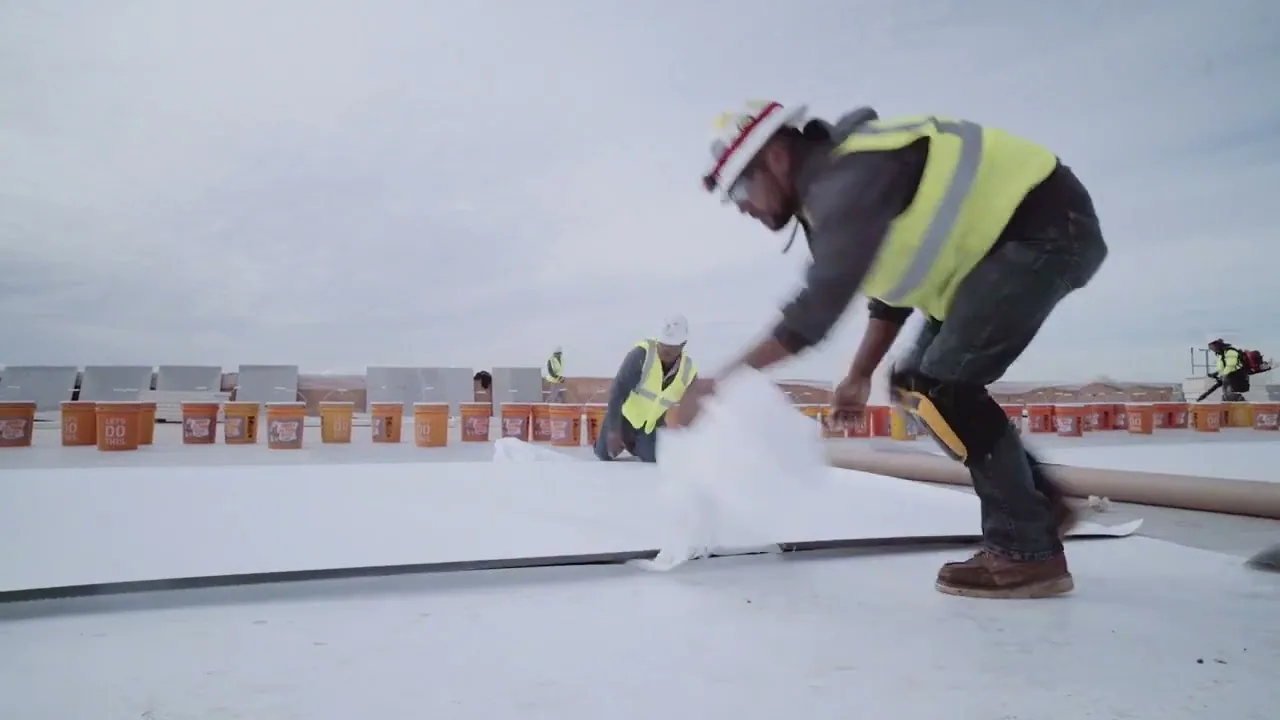
Hot-air welding depends on temperature, speed and surface cleanliness, and cold or wind changes all three. At the start of each installation day we make a test weld, pull it by hand, and photograph the result with the date and the air temperature. Every finished weld is then probed along its length, and any repair is marked on the plan with a matching before and after photograph.
That habit builds a weld log that covers the whole installation. If an open lap shows up two winters later, the log shows the conditions on the day it was made, which helps separate a workmanship issue from movement that came later. For anyone weighing PVC roofing against a thermoplastic alternative such as Carlisle Sure-Weld TPO, those records are part of the comparison.
Choosing PVC Where a Hospital or Food Operation Keeps the Building Running
A building that never closes puts its own demands on the roof. Regions Hospital in downtown St. Paul keeps more than 550 beds and a Level I trauma center running around the clock. A roof over an operation like that has air intakes that must stay clear, exhaust that cannot be blocked and noise limits that shape the work sequence, so the actual exhaust exposure must be evaluated against the proposed product and a plan that keeps intakes protected during work.
We write down the proposed sheet, the weld method, the protection for intakes and the work hours, and attach the readings that led to the recommendation. For a hospital owner, a hospital roofing plan with those entries is easier to review internally. Owners who also hold TPO roofs can compare the weld logs against the GAF EverGuard records on their other buildings.
Recording How Water Leaves a Roof in the Flood-Walled Riverview Area
The Port Authority's Riverview and Riverview West business centers cover 352 acres on the south bank of the Mississippi near Harriet Island, on the old West Side Flats that now sit behind a flood wall. Industrial roofs there still depend on their own drains when a cloudburst arrives, and the July 28, 2025 storm that brought flash flood warnings to St. Paul shows how quickly a drain can be overwhelmed.
After a heavy rain we photograph each drain, measure how deep water stood and how long it stayed, and check the welds in that area for strain. Debris in a sump, a clogged scupper or a membrane that has dropped into a low spot is entered with a position. If water is ponding, the log supports the argument for ponding water repair before the next storm arrives.
Filing Weld Results With the Claim File and the Warranty Paperwork
A claim is stronger when it shows the roof was watched. Our files hold weld probe results, moisture readings, drain photographs and a record of repair for each visit. If a storm damages a seam or tears flashing, the earlier entries show what the roof looked like before, and the adjuster has evidence to compare, with unresolved timing clearly stated.
Warranty reviewers want evidence of upkeep, and the same file supplies it. We prepare a summary for owners that lists each finding, each repair and its date, which can be sent to a manufacturer or an insurer with missing records explicitly identified, and it also gives a buyer or lender a plain account of how the membrane has been looked after. Nearby owners in Riverview and the West Side use the same format for every building they hold.
Our PVC repair record identifies the sheet, prepared test area, welding conditions and probe result where a welded seam is required. We photograph transitions and termination points before concealment, note any condition that prevents a complete check, and file the record with the issued system and warranty documents. A future reviewer can then see what was installed and inspected, while coverage questions remain with the issuer.
Questions We Hear
Is PVC a better match than TPO for a roof under kitchen exhaust?
Suitability depends on the specific membrane, residue, concentration, temperature and exposure duration. We use manufacturer guidance for that product rather than ranking all PVC above all TPO. We record how much residue reaches the membrane at each fan and compare the sheet types against that exposure, then write up the recommendation with the photographs behind it.
Why would a PVC sheet crack near a boiler flue or condensing unit?
Heat and chemical exposure can stiffen the sheet over time, and a stiff sheet cracks where it folds, such as at curb bases. We measure surface temperature near heat sources, photograph the pattern of cracking and recommend a protective pad, a new flashing or a replacement section sized to what the record shows.
Can someone clear drains on a frozen Sarnafil roof?
Only when access and the removal method are safe and permitted for the assembly. Ice tools can damage membrane, and plastic tools do not eliminate fall or puncture risks. The plan addresses those limits before clearing begins. Each clearing is photographed before and after, with the date, so the log shows the drain was open when meltwater started to run.
How can a PVC weld be checked without cutting into the roof?
A probe drawn along the edge of the weld reveals unbonded stretches without any cutting. When a weld is suspect, a small test sample can be cut and pulled, and the hole is patched during the same visit. Probe results go in the log with the weld's number and its position on the plan.
What should I record when a storm leaves water standing on a PVC roof?
Take photographs of each ponded area with a ruler showing the depth, note the time the storm ended and check again after twelve and twenty-four hours. Debris at the drains is worth a picture too. Our follow-up visit adds weld probing and moisture readings, which support evaluation of damage without proving causation from ponding alone.