
Roof Asset Management in St. Paul, MN
Roof asset management in St. Paul, MN: a dated register of every roof with photographs, moisture readings and repair history for owners and property managers.
Request a Roof Assessment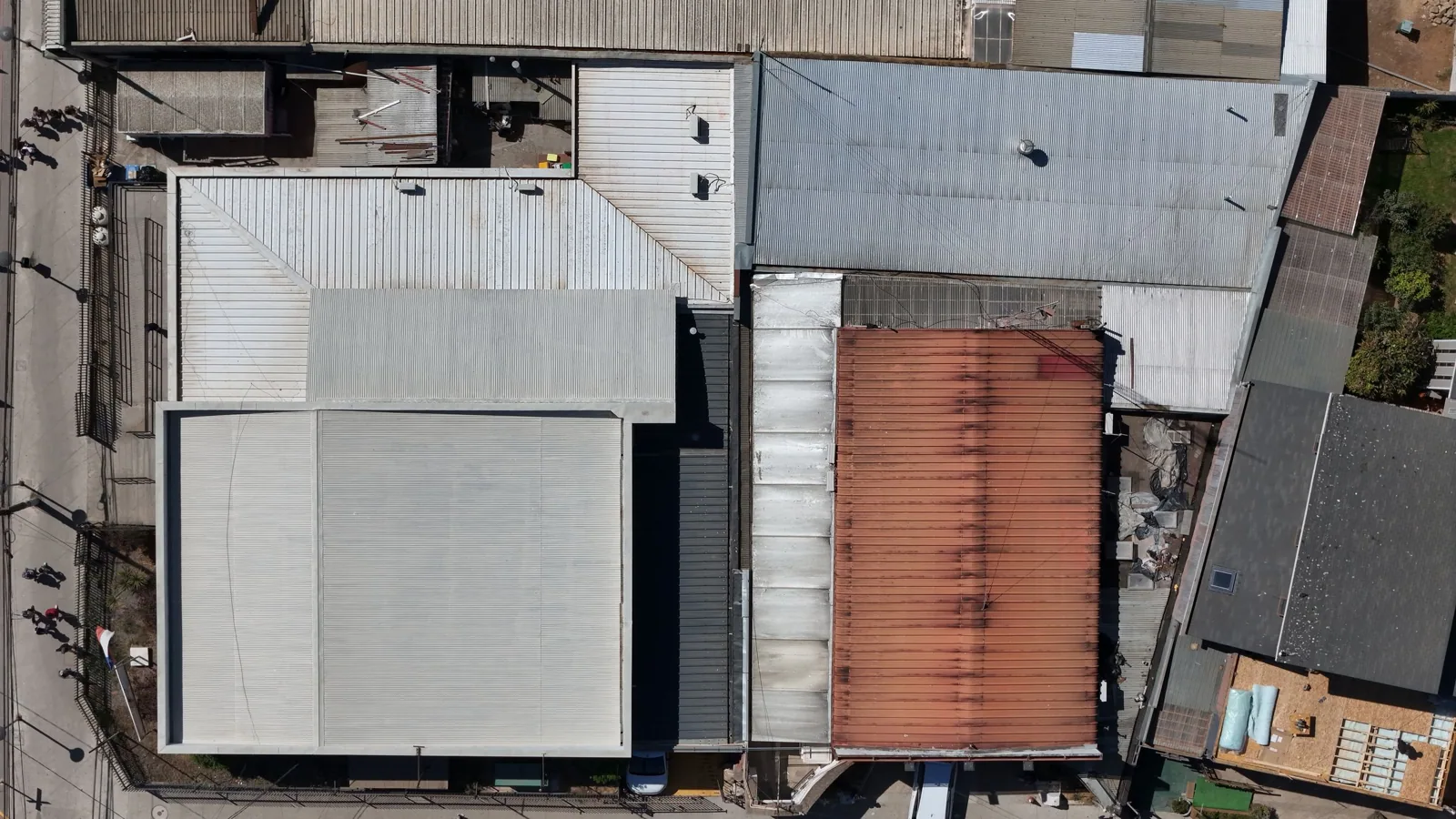
Roof Asset Management
A roof register starts with one dated line per roof: where the roof sits, what covers it, what the last moisture reading was and what the last visit found. In St. Paul, MN, that line has to outlast a Twin Cities winter with repeated snowfall and thaw cycles, a change of property manager and, eventually, a sale. We build the register roof by roof, with photographs and readings attached to every entry, so the whole portfolio can be read at a glance and any single building can be read down to its seams. The purpose is simple: the next decision on each roof starts from evidence instead of memory.
Counting Every Roof Level Before Judging Any of Them
The first pass is an inventory. For each roof level we record the membrane type, the insulation and cover board where we can confirm them, the drains and scuppers, the edge metal, and every penetration and curb. Heights, access points and tie-off locations go in as well, because the next crew will need them. A building with a main roof and a lower addition becomes two entries, since the two areas rarely age at the same speed.
That habit matters most where one address can carry several roof levels. For light-industrial and flex space in Energy Park or the Riverview business centers near the West Side flats the inspection establishes whether a warehouse bay, office section or addition needs a separate record. Each accessible area is identified with its actual covering and drainage arrangement. The register treats each as a separate asset, and a flex building stops being a single line that hides the weakest part.
Scoring Condition the Same Way on Every Visit
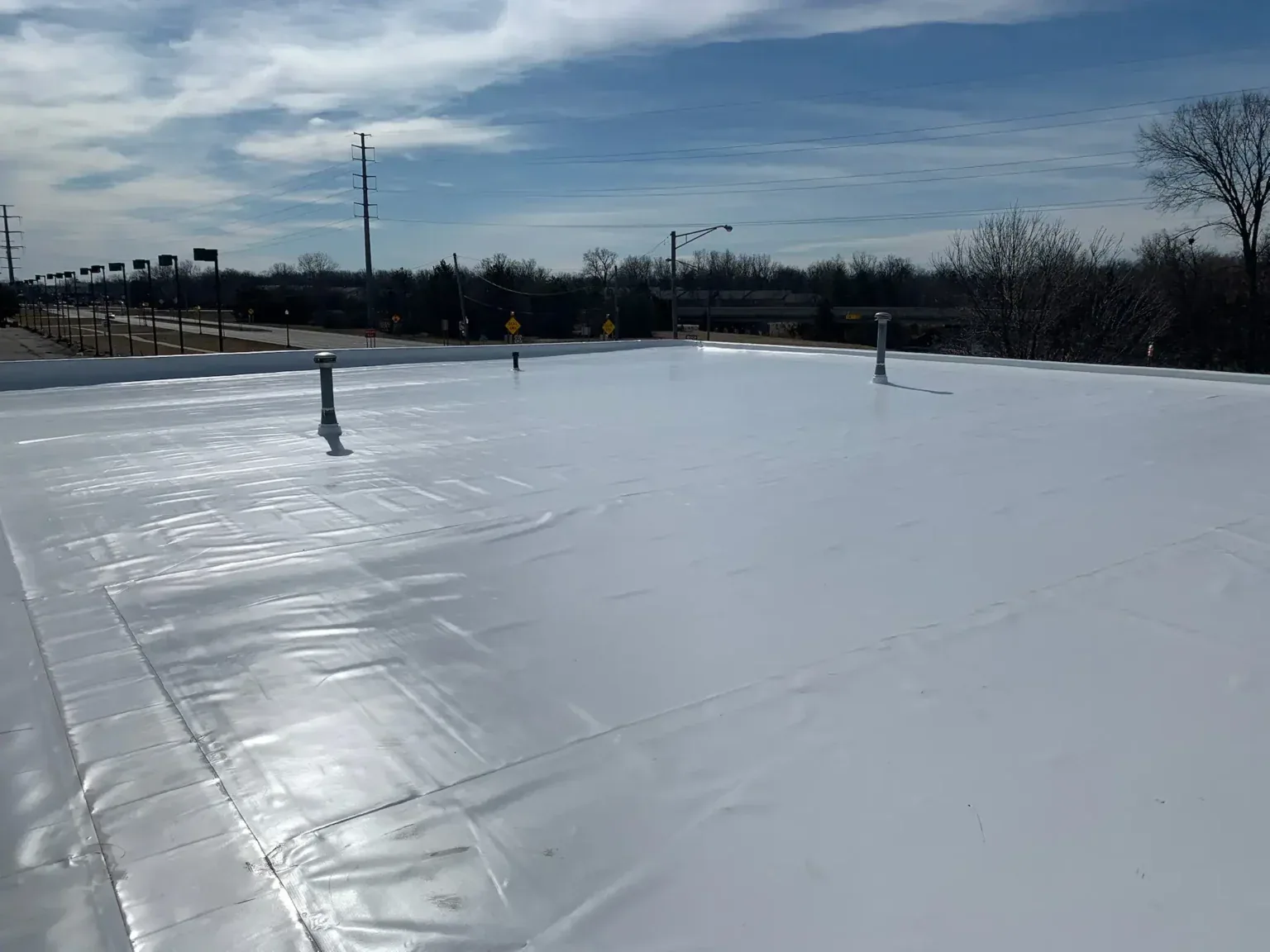
A register is only as useful as its comparisons. We score seams, flashings, surface wear, ponding and moisture with the same criteria each time, and we photograph from the same positions so one visit can be laid beside the last. After a heavy snow we measure the drifts against parapets and penthouses. After a thaw we photograph the eaves for ice dams and check whether the drains ran clear. These are measured observations, dated and located on a plan of the roof.
Over two or three visits the scores form a trend. A roof that drops one step in a year is telling the owner something different from a roof that has held steady for five. The written condition report is how each visit reaches the owner, and the scores in it feed the register directly.
Keeping the Repair History With the Roof
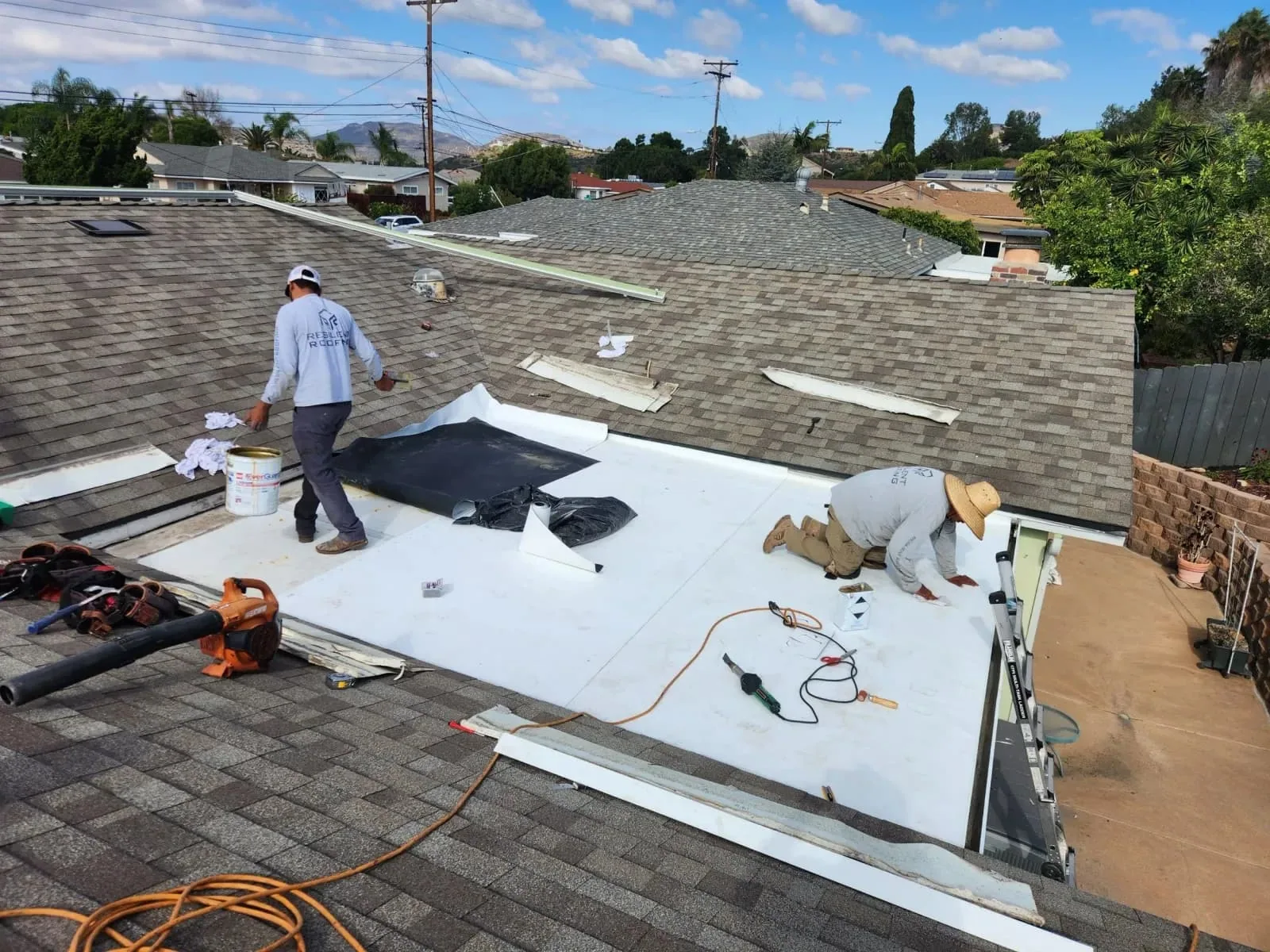
Every repair becomes an entry: the location, the date, the cause where it could be found, the materials used and a before and after photograph. That record of repair stays with the roof, not with whichever contractor or manager handled it that year. When a new asset manager inherits the portfolio, the history is already there, and a seam that has been patched three times in the same corner shows up as a pattern instead of three unrelated tickets.
The same discipline suits large institutions. Regions Hospital on Jackson Street and the separate buildings in the Capitol complex illustrate why institutional property records need clear building and roof-area labels. Each area needs its own dated file, whether the work was a small commercial roof repair or a planned visit under a preventive maintenance program.
Sorting the Register Into Repair, Watch and Replace
Once the entries accumulate, each roof lands in one of three groups. Some need repair now, with the defect located and priced. Some need watching, with a set date for the next reading. Some are approaching the point where repair money starts to chase a failing membrane, and those move to the replacement list with the evidence attached: core samples, wet insulation readings and the repair count.
That sorting helps the capital review identify the next decisions. Before a larger scope is finalized, current condition and any unanswered assembly questions still need checking. Timing and sequencing belong to roof capital planning, and the work itself, when a roof reaches the end of the list, is a commercial roof replacement scoped from entries we already hold. Ice dams at an eave often point to heat loss through the assembly, so those findings sort into the insulation question as well as the membrane one.
Handing the Register to Whoever Holds the Building
The register is delivered as a written file with photographs, readable by someone who has never stood on the roof. A property management company uses it to answer tenant reports with a specific roof area and a date. An investor or fund uses the same pages when a lender or buyer asks how the roofs were kept, which is the situation real estate investors and REITs meet at every refinancing.
Adjusters read it too. When the July 28, 2025 storm dropped hail the size of golf balls and gusts near 70 mph across the Twin Cities, a roof with a recent dated entry had a clear starting point for any claim file, and where that comparison was unavailable, the claim review depended on other evidence of earlier condition.
When ownership or management changes, the incoming team receives a dated register with field definitions, roof maps, inspection dates and supporting reports. We identify ratings that depend on unverified assumptions and include references to the supporting photographs, giving the new manager a clear starting point for its own review.
Questions We Hear
Which roofs in a portfolio should go into the register first?
Begin with the roofs that already leak or hold standing water, since they carry the most immediate cost, then the oldest membranes, then the buildings with the most tenants beneath them. Newer, quiet roofs follow in the same season so that every building has a baseline date. The survey sequence follows the number of properties, access arrangements and investigation required. We identify those limits when scheduling the initial records.
What does one register entry contain for a single roof area?
One entry holds the membrane type, the date and result of the last moisture readings, photographs of seams, flashings, drains and edges, the repair history and the score from the latest visit. If a core sample was cut, the layers and their condition are recorded with the patch location. Each item is dated so a later reader can tell old findings from current ones.
How does the register help when a tenant reports a stain on a ceiling?
The entry for that roof area shows what the last visit found above that part of the building, which narrows the search before anyone climbs a ladder. Water often travels along decks and ducts, so the register points first to the nearest drain, penetration or seam with a history. The visit that follows is added to the same file.
Can roofs installed by other contractors be added to the register?
Roofs enter the register by condition, not by who installed them. We record what is on the roof as found, mark any original installation papers the owner holds, and treat a membrane from any manufacturer the same way. Where the layers are unknown, a core sample answers the question and becomes part of the file.
What changes in the register after a hailstorm or a hard freeze?
Storm events trigger a fresh visit to the roofs in the affected area, with new photographs set against the last dated entry. A season like 2013-14, when the Twin Cities took 69.8 inches of snow and dropped to -23 degrees, would add entries for drift loads, eave ice and seam movement. Those entries separate storm damage from older wear and give the owner a clean comparison.