Retail and Restaurant Chain Roofing in St. Paul, MN
Roof inspection, repair and replacement for multi-location retail and restaurant brands in St. Paul, MN, with one dated report format for every store.
Request a Roof Assessment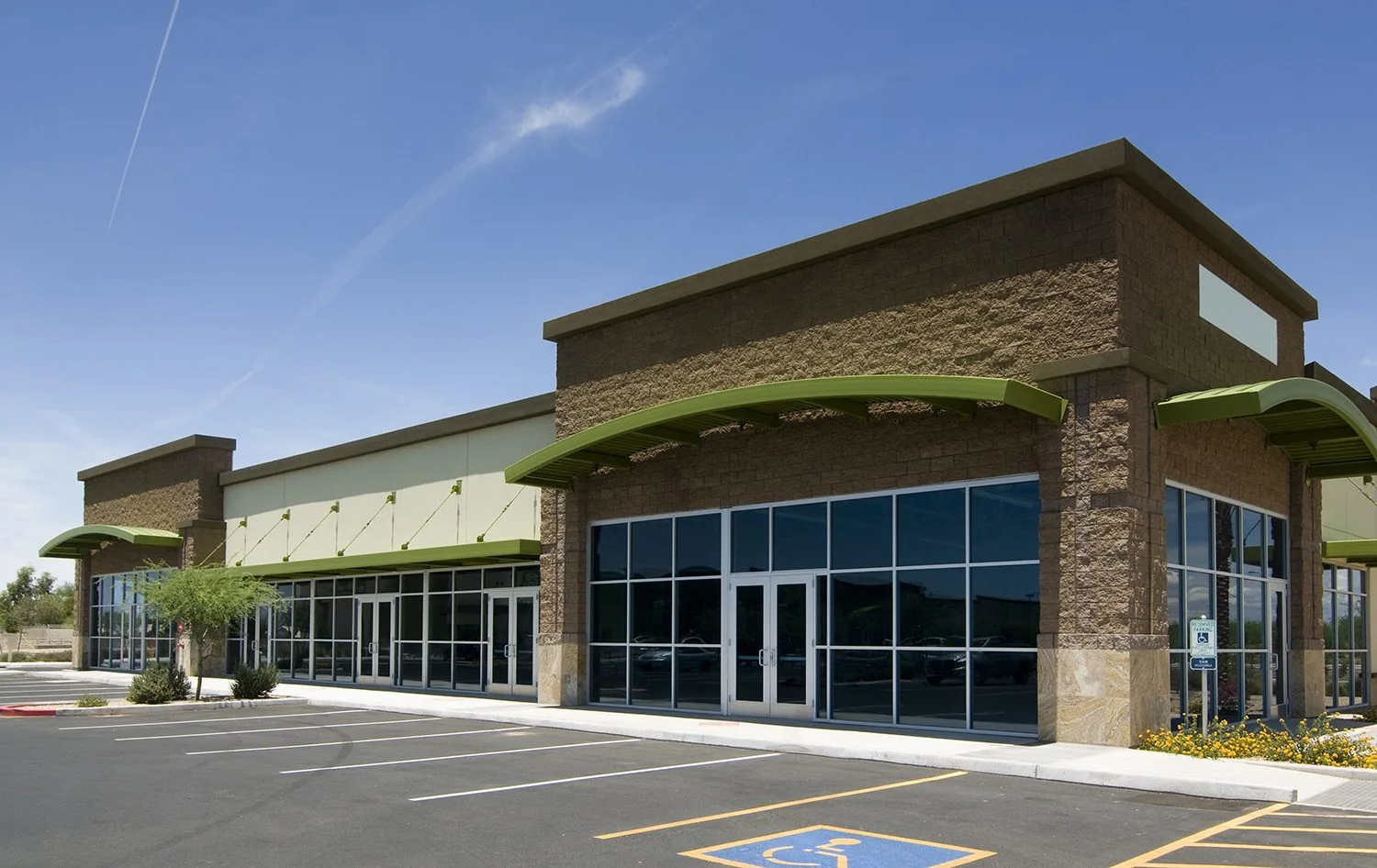
Retail and Restaurant Chain Roofing
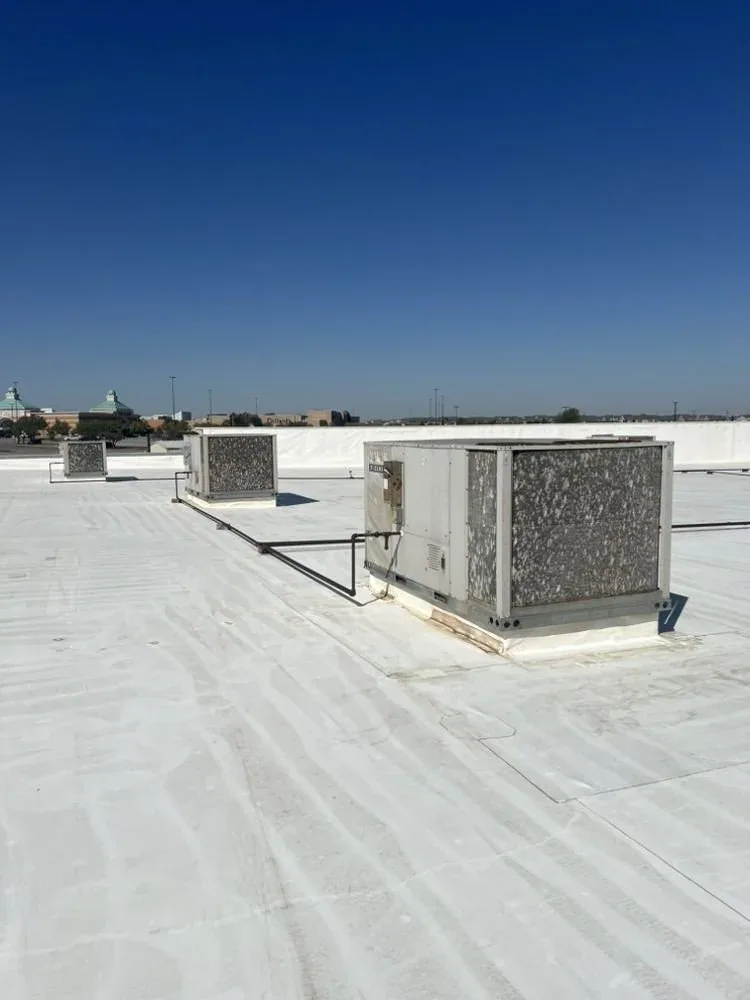
On a restaurant roof the inspection log opens at the kitchen exhaust fan, where grease leaves a fan-shaped stain on the membrane and a nearby moisture reading helps select locations for further investigation. A stain and a meter response do not establish the entry point alone. We photograph the fan, the curb and the drip tray, record the condition of the sheet around them and date the page. A chain with locations across St. Paul, MN needs that entry for every store, because similar fan details can be compared without assuming identical failures at every store. Retail stores raise their own questions about drains, parapets and rooftop units. The result is a single report format that a regional manager can read store by store, whether the building is a pad site, a strip unit or a restaurant in a larger center.
Tracing Grease, Heat and Condensate From Kitchen Fans
Grease is a roofing problem as much as a kitchen one. It softens some membranes, makes seams tacky and carries dirt that holds water against the surface. We check each exhaust fan for a working grease containment tray, trace the stain pattern out to the edge and probe the seams in the discharge zone for softening. Where a tray is missing or overflowing, we record it and photograph the damage it has caused.
Membrane choice follows the exposure. A PVC roofing sheet resists many greases and oils better than some other single-ply materials, and we check that any repair uses a material compatible with the surface around it. Walk-in coolers and make-up air units add condensate lines and curbs, which are logged in the same way, so that a leak in the dining room can be investigated against the logged equipment and flashing details.
Reading Malls, Strip Centers and Pad Sites as Different Roofs
A chain occupies very different buildings, and each carries a different roofing question. Rosedale Center in Roseville opened in 1969 and received a 140,000-square-foot expansion in 2018, which means the building has been built in more than one phase. Maplewood Mall opened in 1974, and Burnsville Center, a regional mall of more than 1.2 million square feet, sits in a city where County Road 42 is the main commercial corridor. In an enclosed center the landlord typically controls the roof, and a tenant's rooftop equipment sits on it by agreement.
Open-air and strip formats work differently. Retail roofs in Woodbury cluster at Tamarack Village (Radio Drive and I-94), Woodbury Village (Valley Creek Road and I-494) and the open-air Woodbury Lakes center, completed in 2005, and in a strip or open-air format a roof may be shared by several tenants, while a freestanding pad site may be the chain's own. We note the format on every report, alongside the lease and ownership instructions that establish notification and repair authority. A landlord who owns the whole shopping center roof gets the same layout.
Standardizing One Store Report Across a Chain
A regional facilities manager compares stores, so the report has to be identical from one store to the next. Ours carries the same fields everywhere: roof area, age if known, membrane type, drain count, rooftop unit count, last repair, open items and moisture readings, each with a date and a photograph from a marked point. Stores are then ranked by condition on a single sheet.
The ranking supports multi-site roof programs that spread repairs and replacements over several budget years. Large-format stores such as the Costco and the two Cub Foods stores in Maplewood sit on the same list as small pad sites, with an extra column for refrigeration equipment wherever a store carries it on the roof. A grocery store roof is read for that equipment first, and a clothing store roof for its drains.
Scheduling Roof Work Around Dining Rooms and Trading Hours
A store or restaurant may have deliveries, food service and customer hours that constrain roof access, so the work plan starts with the operator’s calendar. We mark the busiest meal periods and the heaviest shopping weeks, and the crew works around them. Adhesives and sealants are selected with the building's fresh-air intakes in mind, and the intakes are located before work and the facility team approves ventilation controls. Any intake isolation needs a planned window that maintains required airflow; product selection alone cannot assure odor exclusion.
Noise is scheduled for early morning or after closing, parking-lot staging is agreed with the manager and the crew leaves each opening dry before the doors open. A busy retail corridor such as the Robert Street strip in West St. Paul or Hadley Avenue North in Oakdale brings the same constraint: customers arrive without warning, and the roof is above them. A photograph of the finished day closes the entry, so the manager knows the condition the store opened with.
Settling Roof Responsibility Between Landlord and Tenant With Evidence
Retail leases assign roof duties in different ways, and disputes begin when no one can show what the roof looked like before a service visit. Heating and cooling technicians, kitchen vendors and signage installers all walk the roof. We photograph the area around each unit before and after the visit when the chain asks us to, and a cut membrane or a loosened flashing is then traceable to a date.
That evidence matters at claim time. The July 2025 metro hail and wind reports give a date for comparison, and a store holding a dated pre-storm record can show an adjuster what that storm changed. The same record helps property managers who run the centers and hospitality groups whose restaurants share similar equipment, and it keeps the landlord and the tenant looking at the same pictures.
Questions We Hear
Why does the same exhaust fan leak at several of our locations?
A shared design carries shared weaknesses. If the curb flashing is thin, the tray is undersized or the fan sits where water collects, the same detail warrants inspection at other stores built to that plan. Exposure and maintenance can produce different outcomes. Our reports compare the fan details across locations, so one corrected detail can be applied to the whole group.
What should a store manager do when a ceiling tile is wet?
Protect the area, photograph the tile and call us at any hour. We assess suitable protection when access permits, record readings and mark confirmed findings or unresolved sources on the roof plan. The regional office receives the observations and next steps, so a claim or a landlord request has facts behind it.
Can a chain repair a roof it does not own?
The lease spells out who may touch the roof. We do not interpret leases, but we prepare the evidence needed to ask the landlord: photographs, readings and a described repair. When the lease allows tenant repairs, we carry them out and log them for the landlord's file.
How do you handle hail on a row of stores?
Store by store, with a shared photograph standard. We walk each roof, mark every bruise and open seam, compare the marks with the earlier log and hand the regional manager a consistent set. The comparison is what lets an adjuster tell new hail damage from older wear.
Is a coating worthwhile on a restaurant roof?
Worth considering where cores show dry insulation and a sound surface. A coating gives a new surface without a tear-off, while still requiring operating, ventilation and weather controls. Where grease has softened the old membrane, or cores show wet insulation, a repair or replacement of that section is the better route, and cores confirm sampled conditions alongside adhesion and compatibility checks.